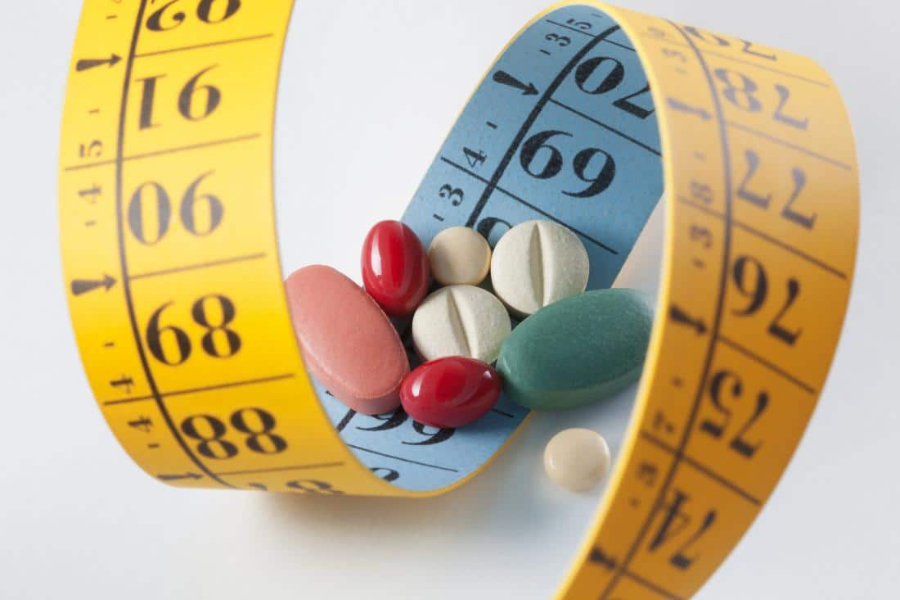
A quick online search for weight loss pills can turn into hundreds of options in seconds. Some look legitimate, others make wild promises, and many sit somewhere in between. If you want to buy weight loss pills online safely, you need a clear way to sort science from sales copy.
Below, you will learn how weight loss pills work, which options are actually approved by the FDA, what kind of results you can realistically expect, and how to spot red flags before you ever enter a credit card number.
Understand what “weight loss pills online” really means
When you look for weight loss pills online, you are usually seeing three very different categories:
- Prescription medications that a licensed provider prescribes and a pharmacy fills
- Over the counter (OTC) medication that is FDA approved for weight loss
- Dietary supplements that are sold without prescriptions and are not approved as drugs
Prescription weight loss medications like bupropion naltrexone, liraglutide, orlistat, phentermine topiramate, semaglutide, and tirzepatide have gone through rigorous testing and FDA review for safety and effectiveness in specific groups of people (Cleveland Clinic, Mayo Clinic).
By contrast, most diet pills you see online are supplements, not medications. The FDA has found hundreds of weight loss dietary supplements that secretly contain potentially harmful drugs or chemicals that are not listed on the label (Federal Trade Commission). That is why you need to approach online options with caution.
If you want powerful and predictable results, your safest path is to work with a healthcare provider and a legitimate pharmacy site rather than self-experimenting with unregulated pills.
Learn how prescription weight loss pills work
You do not need to memorize every drug name, but understanding the main types of prescription weight loss pills will help you recognize what is legitimate when you see it online.
Most evidence based medications fall into a few groups (Brown Health):
-
Appetite and craving reducers
Drugs like bupropion naltrexone (brand name Contrave) change activity in parts of your brain that regulate hunger and reward. This can reduce food cravings and emotional eating, especially around highly processed or sugary foods (Cleveland Clinic, GoodRx). -
Metabolism and appetite combination drugs
Phentermine topiramate (Qsymia) combines a stimulant that reduces appetite with a medication originally used for migraines and seizures that also influences appetite and taste. Together, they help you eat less and feel satisfied with smaller portions (Mayo Clinic, GoodRx). -
Fat absorption blockers
Orlistat prevents your body from absorbing some of the fat in the food you eat. That unabsorbed fat passes through your digestive system instead of turning into stored body fat. It is available as a prescription and also as Alli, which is the only FDA approved OTC weight loss pill (Cleveland Clinic). -
GLP 1 and related medications
Drugs like semaglutide and tirzepatide were originally developed for diabetes. They mimic hormones that help regulate appetite, blood sugar, and digestion, so you feel full sooner and stay satisfied longer. Some forms are injections, and newer versions like Wegovy weight loss pills are taken orally once a day (Obesity Medicine Association, GoodRx).
Each medication type has specific benefits, side effects, and eligibility criteria. This is why a one size fits all pill you can grab from any website is usually a red flag.
Know who weight loss pills are meant for
FDA approved prescription weight loss drugs are not designed for casual or cosmetic weight loss. According to Mayo Clinic guidelines, these medications are usually prescribed if (Mayo Clinic, Brown Health):
- Your BMI is 30 or higher, or
- Your BMI is 27 or higher and you have weight related conditions such as high blood pressure, type 2 diabetes, or sleep apnea
They are intended for adults who have serious health problems related to weight and who have not been able to lose enough weight with lifestyle changes alone. They are not meant for mild weight loss or short term beach season goals (Mayo Clinic, Brown Health).
You also may not be a candidate if you are pregnant, breastfeeding, under 18, have certain medical conditions, or take specific medications. An online provider still needs to review your health history, even if the visit is virtual.
Set realistic expectations for results
Many websites highlight the highest possible weight loss numbers. To make a sound decision, you need the full picture of what is typical, not just what is possible.
Across the major FDA approved medications, most adults can expect to lose about 3 percent to 12 percent of their starting body weight after one year, when the drug is combined with diet and exercise changes (Cleveland Clinic, Mayo Clinic).
Some examples from clinical studies:
- Wegovy (semaglutide) pills helped people lose about 14 percent of their starting body weight on average, and those who stayed in a 15 month study lost around 17 percent (GoodRx)
- Contrave (bupropion naltrexone) led to over 40 percent of adults losing at least 5 percent of their initial body weight after a year, and more than 20 percent losing at least 10 percent (GoodRx)
- Qsymia (phentermine topiramate) helped about 70 percent of adults lose at least 5 percent of their body weight and nearly 50 percent lose at least 10 percent in one year (GoodRx)
- Generic phentermine, which is prescribed for short term use, usually results in a 3 percent to 5 percent reduction in body weight (GoodRx)
Most people start to see results within three to six months. If you do not lose at least 5 percent of your body weight after 3 to 6 months on a full dose, your provider will often recommend stopping or switching medications (Mayo Clinic).
These percentages might sound modest compared to flashy ads, but even a 5 percent to 10 percent weight loss can significantly lower blood pressure, improve blood sugar, and reduce the risk of obesity related complications.
Recognize the risks and side effects
Like any medication, prescription weight loss pills carry potential side effects. Common, mild issues can include nausea, constipation, diarrhea, or stomach discomfort. Serious side effects are rare but possible, and some drugs carry specific warnings (Mayo Clinic).
For example:
- Bupropion naltrexone can increase blood pressure and heart rate and includes a boxed warning about the risk of suicidal thoughts or behavior in some people (Cleveland Clinic)
- Orlistat often causes gas, oily stools, or diarrhea, especially if your diet is high in fat (Cleveland Clinic)
- Stimulant based medications like phentermine may not be appropriate if you have a history of heart disease, uncontrolled high blood pressure, or substance misuse (GoodRx)
There is also a long term question. Many people regain weight within a few months of stopping medication if they have not built sustainable lifestyle habits. Continuing a weight loss medication may be necessary for ongoing weight maintenance, similar to how you might continue taking blood pressure medicine for the long term (Brown Health).
This is why you should always take weight loss pills under medical supervision, even if you are using an online provider. Personal follow up, dose adjustments, and lab monitoring protect your health and help you stay on track (Cleveland Clinic).
Spot scams when buying weight loss pills online
Unfortunately, the internet is full of convincing marketing for diet pills that either do nothing or quietly contain dangerous ingredients. Before you buy anything, check for these red flags and rely on what consumer protection agencies have already uncovered.
The Federal Trade Commission has warned that scammers often use fake news sites, made up testimonials, and dramatic before and after photos to sell products built around buzz ingredients like garcinia cambogia or gonji. There is no new discovery proving these ingredients produce rapid, effortless weight loss (Federal Trade Commission).
Watch out for:
- Claims like “lose 30 pounds in 30 days” or “works for everyone, no diet or exercise needed”
- “Free” trial offers that require your credit card and then turn into recurring charges or monthly shipments you did not clearly agree to
- Products that say “doctor approved” without naming any doctor or legitimate medical organization
- Websites that try hard to look like real news outlets but have no verifiable publisher or contact information
The FTC notes that these “free” trials often lead to unexpected charges that are very difficult to reverse, and some supplements hide unlisted pharmaceutical ingredients that put your health at risk (Federal Trade Commission).
If a site is selling very popular prescription medications without any prescription, that is another major warning sign. The Obesity Medicine Association reports that the FDA has specifically warned about “counterfeit” GLP 1 drugs like Ozempic, Wegovy, and Zepbound being sold online by unlicensed sources, which may contain incorrect ingredients or dosages (Obesity Medicine Association).
A trustworthy source will:
- Require a prescription or provide a legitimate telehealth visit
- Use a licensed US pharmacy
- Show clear pricing without hidden fees
- Provide real contact information and privacy policies
If any of this feels unclear or rushed, you are better off walking away.
Use lifestyle changes to strengthen your results
FDA approved weight loss drugs are effective tools, but they are not magic fixes. Brown University Health emphasizes that medications do not replace the need for lifestyle and behavior changes. They enhance your results when you also improve your nutrition, activity level, stress, and sleep patterns (Brown Health).
You can think of the medication as a tool that makes it easier to do what you already know helps:
- Eating more whole, minimally processed foods
- Reducing added sugars and refined carbs
- Prioritizing protein, fiber, and healthy fats
- Moving your body regularly in ways you can maintain
- Getting consistent, good quality sleep
When you combine these habits with a prescription that is appropriate for your health profile, research suggests you can lose 3 percent to 12 percent more of your body weight compared to lifestyle changes alone, and that can significantly improve blood pressure and blood sugar over time (Mayo Clinic).
Medication can open the door, but your daily choices are what help you walk through it and stay on the other side.
Make a smart plan before you buy
Before you purchase any weight loss pills online, it helps to pause and walk through a simple checklist in your own words.
- Clarify your goal. Are you primarily trying to reduce health risks, improve mobility, or change appearance?
- Check your eligibility. Based on your BMI and health conditions, do you likely qualify for prescription medication?
- Decide how you will meet with a provider. Will you use your current doctor, a local weight management clinic, or a reputable telehealth platform?
- Review your budget. Medication costs can be significant and insurance coverage is variable. Services like GoodRx can sometimes lower out of pocket costs for drugs like Wegovy, Contrave, or Qsymia (GoodRx).
- Plan your lifestyle supports. Decide what small nutrition or activity changes you are ready to make in the next month, so you are not relying on the pill alone.
Taking this time up front will help you choose an option that fits your life, not just whatever has the flashiest ad.
If you decide that weight loss pills are part of your path, using them with medical guidance and a realistic mindset can lead to powerful and sustainable results. The more you understand before you click “buy,” the more control you have over your health journey.
About the Author