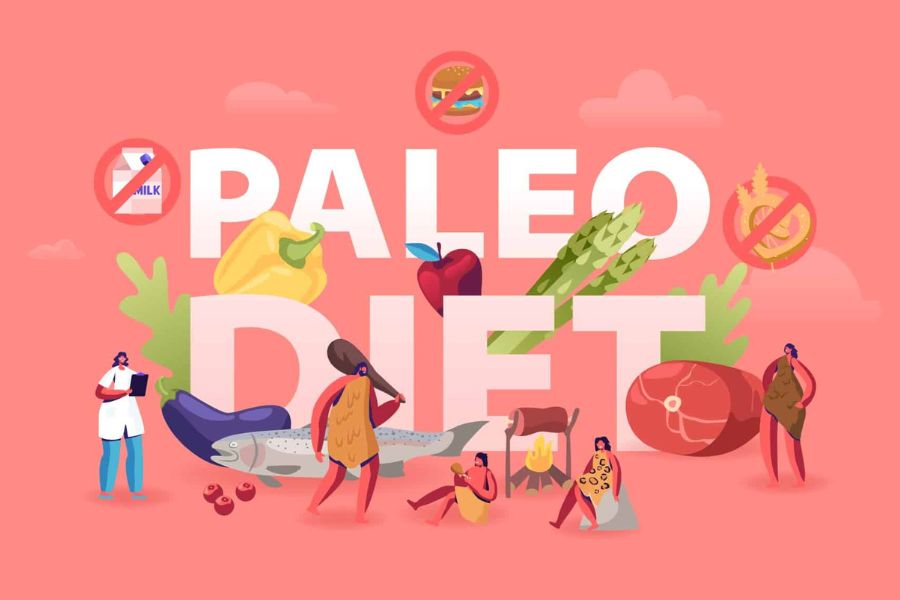
A paleo diet meal plan can be a simple way to eat better, feel more energized, and yes, potentially lose weight. Instead of counting every calorie, you focus on whole, unprocessed foods that your body recognizes, like vegetables, fruits, meat, seafood, eggs, nuts, and seeds. That alone can help you automatically cut back on added sugar and ultra-processed snacks without feeling like you are constantly dieting.
You also do not have to be perfect to see benefits. Many people follow a flexible version of the paleo diet that still fits real life and busy schedules. With a few smart tips, your paleo diet meal plan can feel fun and sustainable instead of strict and stressful.
Understand what “paleo” really means
At its core, a paleo diet is designed to resemble what human hunter-gatherers might have eaten thousands of years ago. Instead of modern processed foods, you focus on whole foods you could reasonably imagine growing, gathering, or hunting. That includes meat, fish, eggs, vegetables, fruits, nuts, seeds, potatoes, healthy fats, and herbs and spices (Healthline).
The diet leaves out factory-made foods like white bread, chips, candy, and sugary cereals. It also typically excludes dairy, grains, legumes, refined sugar, and many vegetable oils (Healthline). Water is your main drink, but coffee, tea, a little red wine, and dark chocolate can fit in small amounts, which adds some built-in flexibility (Healthline).
Weigh the potential benefits and downsides
Short-term research suggests a paleo-style eating pattern can help with weight loss and improve markers like blood pressure, blood sugar, and cholesterol by emphasizing fruits, vegetables, and lean meats and cutting out highly processed foods (Mayo Clinic). That can be especially helpful if you are currently eating a lot of fast food or packaged snacks.
However, there are trade-offs. By excluding whole grains, legumes, and dairy, you might miss out on fiber, protein, calcium, and other nutrients unless you pay attention to your choices. Experts are also not yet sure about the long-term effects of a strict paleo diet, while patterns like the Mediterranean diet have more long-term data behind them (Mayo Clinic).
If you decide to try a paleo diet meal plan, you can keep those concerns in mind and build your meals in a way that feels balanced and not extreme.
Know what to put on your plate
When you are planning your meals, it helps to think in simple categories instead of memorizing long “allowed” and “not allowed” lists. For most meals, you will want:
- A source of protein, such as meat, poultry, fish, or eggs
- Plenty of vegetables, especially non-starchy ones
- Some healthy fats, like olive oil, avocado, nuts, or seeds
- Optional fruit or starchy vegetables like potatoes or sweet potatoes
According to paleo guidelines, grass-fed meats and wild seafood are ideal because they tend to be higher in omega-3 fats, which support heart health and help reduce inflammation compared with grain-fed meats and farmed fish (EatingWell). You do not need perfection every time you shop, but using this as your “ideal” and doing what your budget allows can still move you in a good direction.
You will skip cereal grains like wheat, rice, barley, and corn, along with legumes such as beans, lentils, peanuts, and soy products. These foods are avoided in strict paleo plans because they entered the human diet relatively recently and can be harder to digest for some people (Ideal Nutrition Now).
Make your paleo diet meal plan flexible
You do not have to follow a one-size-fits-all version of paleo. Many people use modified plans that feel more realistic. For example, some include small amounts of grass-fed butter or gluten-free grains like rice while still focusing mainly on unprocessed foods (Healthline).
A flexible approach might look like this: most of your meals are paleo, but you build in room for the occasional non-paleo food when you eat out or enjoy a celebration. That way, your plan supports your life instead of limiting it. The more you think in terms of “mostly paleo” rather than “all or nothing,” the easier it becomes to stay consistent.
If your paleo diet meal plan feels impossible to follow, the plan is the problem, not you. Start with the version you can actually maintain.
Start with a simple 1‑week structure
Having a loose weekly plan makes it much easier to stick with paleo without overthinking every meal. Many sample one-week paleo menus include a rotation of straightforward breakfasts, filling lunches, and simple dinners built around protein and vegetables (Healthline, EatingWell).
You might set up your week like this:
- Breakfasts: Eggs most mornings, with different vegetables and sides
- Lunches: Bowls or big salads with leftover protein and lots of veggies
- Dinners: Sheet-pan meals or skillet dishes with meat or fish and roasted or sautéed vegetables
Snacks can stay very basic. Fruit, nuts, hard-boiled eggs, baby carrots, and other pre-cut veggies are all easy paleo-friendly choices you can grab quickly (Healthline). Once you repeat this pattern for a few weeks, choosing meals starts to feel automatic.
Use meal prep to make healthy eating easier
Meal prep does not have to mean spending your entire Sunday in the kitchen. It can be as simple as prepping a few components at once so you can mix and match later. A 7-day paleo-friendly plan from Whole Foods Market, for example, highlights prepping in advance and using ready-to-eat options like rotisserie chicken or prepared salads to cut down on cooking time during the week (Whole Foods Market).
You can apply the same idea by:
- Roasting a big tray of mixed vegetables to use in several meals
- Cooking a batch of chicken, ground beef, or turkey for quick bowls and salads
- Washing and chopping greens so they are ready whenever you need them
Prepared options like pre-cut veggies, salad mixes, or already cooked seafood can also keep you on track on busy days. The goal is not to cook every bite from scratch but to remove as many barriers as possible between you and a healthy meal.
Keep your meals interesting and fun
One fear with any structured eating plan is boredom, but a paleo diet meal plan does not have to feel repetitive. Many recipes put a paleo twist on familiar favorites. For example, the Whole Foods Market meal plan includes dishes like turmeric-spiced shakshuka with squash, chicken and veggie bowls with cauliflower “rice,” and halibut with citrus salsa and asparagus (Whole Foods Market).
You can also use paleo-friendly swaps to reimagine everyday meals:
- Use zucchini noodles or spaghetti squash instead of pasta
- Try yogurt alternatives made from cashews, coconuts, or almonds
- Make simple desserts like a sweet potato chocolate mousse with cocoa powder and a small amount of natural sweetener (Whole Foods Market)
When you play with flavors and textures, your meals feel like something you “get” to eat, not something you “have” to eat.
Build satisfying snacks and treats
Snacks and small treats can make your paleo plan feel more sustainable. Convenient options like dried mango slices, roasted seaweed snacks, jerky bars, nuts, and grain-free granolas show up often in real-life paleo meal plans and keep you from reaching for less healthy choices out of convenience (Whole Foods Market).
Aim for snacks that include at least one of these:
- Protein, such as eggs or jerky
- Healthy fats, like nuts or nut butters
- Fiber from vegetables or fruit
That way, your snacks help keep you full and steady between meals instead of causing a quick spike and crash in energy.
Watch out for common pitfalls
As you put your paleo diet meal plan into action, a few areas deserve extra attention. Excluding grains, legumes, and dairy can reduce your intake of fiber, calcium, vitamin D, and some other nutrients if you do not plan around that gap (Mayo Clinic, Kevin’s Natural Foods). You can help balance that by eating plenty of vegetables, nuts, seeds, and bone-in fish like canned salmon or sardines, and by talking with a healthcare provider about whether supplements make sense for you.
Another pitfall is going too heavy on meat and saturated fat. A meat-heavy paleo plan can contain more saturated fat than is ideal over the long term and may have negative effects on heart health (Kevin’s Natural Foods). You can avoid that by choosing lean cuts, including plenty of fish, and emphasizing plant-based fats like olive oil, avocado, and nuts.
If you increase your fiber intake quickly by eating a lot more vegetables and nuts, your digestion may need time to adjust. Bloating and discomfort are common when fiber intake jumps suddenly (Healthline). Drinking enough water and increasing fiber gradually can help your body adapt more comfortably.
Decide how paleo fits your long-term goals
Finally, it helps to remember that paleo is one tool among many for healthy eating and weight management. Research suggests a paleo-style diet and a Mediterranean-style diet can both improve cardiovascular risk factors, but the Mediterranean diet has more evidence for long-term safety and benefits and is less restrictive overall (Mayo Clinic).
You might use a paleo diet meal plan as a reset to help you move away from highly processed foods and then shift toward a slightly more flexible style of eating that includes some whole grains or legumes. Or you might discover that a mostly paleo pattern feels natural for you indefinitely.
If you stay curious, adjust based on how you feel, and aim for progress rather than perfection, you can turn paleo from a short-term “diet” into a helpful framework that makes healthy eating both effective and enjoyable.
About the Author