A low carb diet can be a powerful tool for weight loss and better health, especially if you feel stuck with traditional low‑fat or “eat less, move more” advice. By lowering your carbohydrate intake and focusing on protein, healthy fats, and low‑carb vegetables, you change how your body uses energy. That shift often leads to reduced appetite, easier calorie control, and improvements in blood sugar and cholesterol levels without constant hunger (Healthline, Mayo Clinic).
Below, you will see how a low carb diet works, why it can help you lose weight, the potential health benefits and risks, and how to decide if it is right for you.
Understand what a low carb diet is
A low carb diet is not about cutting all carbohydrates forever. Instead, you limit foods like bread, pasta, rice, sugary drinks, sweets, and many starchy vegetables, and you build meals around protein, healthy fats, and low‑carb fruits and vegetables.
There is no single carb number that fits everyone. Different organizations define “low carb” slightly differently. For example, the Obesity Medicine Association generally describes a low carb diet as less than 100 grams of carbohydrates per day, and a ketogenic low carb diet as about 20 to 50 grams per day (Obesity Medicine Association). Diabetes UK defines low carb more broadly as under 130 grams of carbohydrates per day, while still including some whole‑food sources of carbs (Diabetes UK).
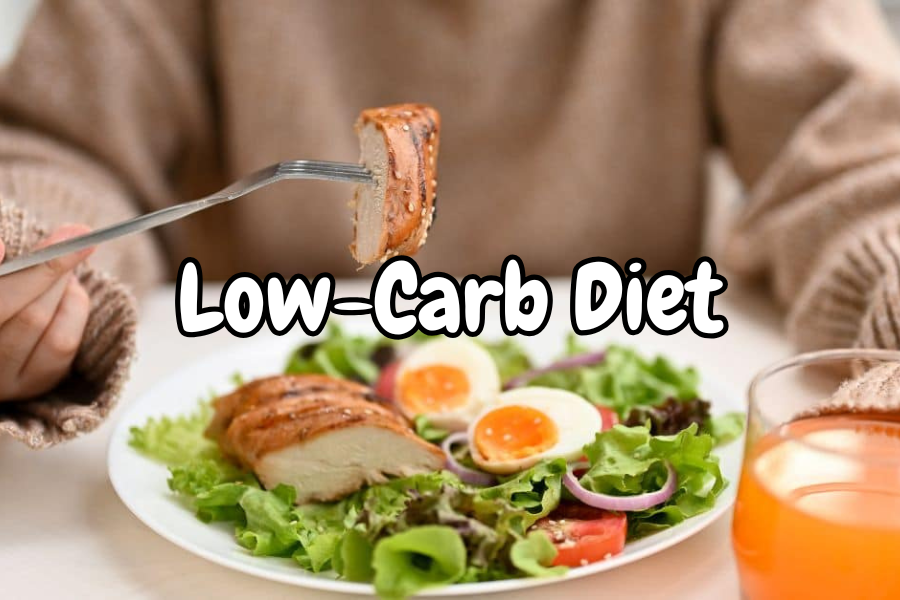
In practice, what might this look like on your plate? Instead of cereal and toast for breakfast, you might choose eggs with vegetables. Lunch might shift from a sub sandwich to a salad with chicken and olive oil dressing. Dinner could be steak or fish with broccoli or cauliflower rice instead of potatoes or white rice (Obesity Medicine Association).
Learn how low carb helps with weight loss
One reason a low carb diet is such an effective weight loss tool is that it naturally helps you eat fewer calories without feeling deprived. When you cut back on refined carbohydrates, your hunger hormone levels change and you tend to feel fuller on less food. Several studies show that low carb diets often reduce appetite and calorie intake automatically, which can make weight loss more sustainable (Healthline).
You might also notice faster weight loss in the first few weeks. This early drop is often due to lower insulin levels and loss of stored glycogen and water. Low carb diets usually lead to more short‑term weight loss than low‑fat diets, although the difference tends to shrink after 6 to 12 months (Healthline, Mayo Clinic).
Importantly, low carb diets appear to target harmful belly fat in particular. A significant share of the fat you lose comes from visceral fat, the deep abdominal fat that surrounds your organs and is linked with inflammation, insulin resistance and metabolic disease (Healthline). Losing this type of fat can have a bigger impact on your long‑term health than the number on the scale alone.
Explore health benefits beyond the scale
The potential advantages of a low carb diet go beyond weight loss. By changing your carb intake, you influence insulin, blood sugar, and blood fats in ways that can support metabolic health.
Low carb and ketogenic diets are particularly helpful if you live with insulin resistance or type 2 diabetes. Research shows that cutting carbs can significantly lower blood sugar and insulin levels, and in one study, 95 percent of people with type 2 diabetes on a low carb diet reduced or stopped their glucose‑lowering medications within six months (Healthline). Diabetes UK recognizes that low carb diets can be a safe and effective short‑term option to help people with type 2 diabetes manage weight, improve blood glucose, and reduce heart disease risk, although they do not recommend low carb for children or for people with type 1 diabetes (Diabetes UK).
You may also see changes in your cholesterol and triglyceride levels. High fasting triglycerides are a major risk factor for heart disease. Low carb diets tend to drastically reduce triglycerides, while some low‑fat diets can actually increase them (Healthline). The Mayo Clinic notes that when a low carb diet is built around healthy fats, lean proteins, and high‑fiber vegetables, it may help lower the risk of type 2 diabetes and heart disease, especially in the short term (Mayo Clinic).
If you aim for diabetes remission, weight loss plays a key role. For people with type 2 diabetes, losing about 15 kilograms (around 33 pounds) within three to five months greatly increases the chance of remission, and a low carb diet is one of several approaches that can support this goal, even though no single diet has been proven superior long term (Diabetes UK).
When you pair a low carb diet with whole, nutrient‑dense foods, you are not only targeting weight loss but also building a foundation for better metabolic and cardiovascular health.
Know the risks and side effects
Like any eating pattern, a low carb diet has trade‑offs. You will want to understand the possible downsides so you can decide if it is a good fit and adjust your approach as needed.
If you drop your carb intake very quickly, you might experience short‑term side effects sometimes called the “keto flu.” These can include headache, bad breath, fatigue, weakness and muscle cramps as your body adapts to using more fat and ketones for fuel. The Mayo Clinic notes that long‑term very low carb diets could also lead to vitamin or mineral deficiencies and digestive issues, particularly if you skimp on vegetables, fiber, and a variety of protein sources (Mayo Clinic).
You also need to pay attention to the types of fats you eat. The ketogenic diet, which is a more extreme form of low carb, often encourages high intake of red meat, butter, cheese, and other saturated fats. Experts at Northwestern Medicine caution that this pattern can raise LDL, or “bad,” cholesterol within six to eight weeks and may increase the risk of heart attack and stroke if followed long term (Northwestern Medicine). They recommend focusing on healthier fats instead, such as olive oil, avocado, nuts, seeds and fatty fish.
Finally, if you have diabetes and use insulin or medications that can cause low blood sugar, you should not start a low carb diet on your own. Diabetes UK advises that you speak with your healthcare team first because you may need medication adjustments to avoid hypoglycemia (Diabetes UK).
Choose the right low carb foods
The quality of your food choices matters as much as the number of grams of carbs you eat. A low carb diet built on processed meats, butter, and diet soda will not support your health as well as one built on whole foods.
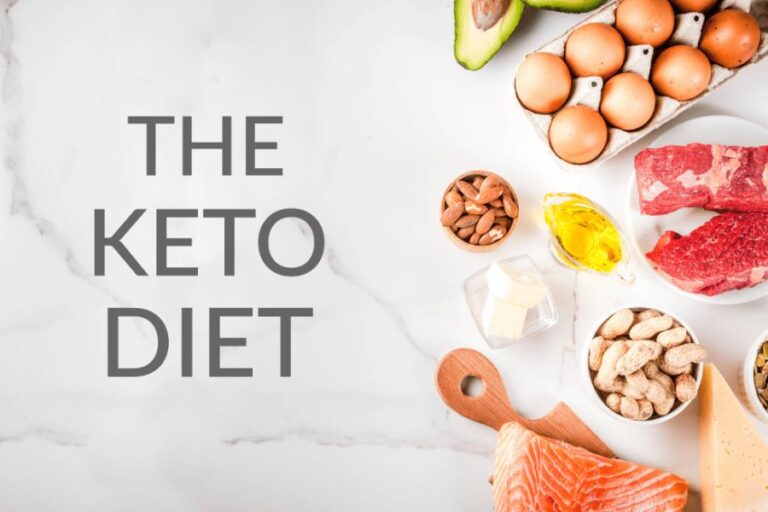
Meat, eggs, and most seafood are naturally low in carbohydrates, so they are often staples on low carb plans. Organ meats like liver contain some carbs, and processed meats such as bacon and deli slices can have added sugars or starches, so you will want to check labels (Healthline). Most non‑starchy vegetables are also low in carbs, especially leafy greens and cruciferous vegetables like broccoli, cauliflower and Brussels sprouts, which typically contain about 3 to 9 grams of carbs per 100 grams and are rich in fiber (Healthline).
Fruit is a bit trickier because it naturally contains sugar. Many low carb diets limit you to one or two pieces of fruit per day, with an emphasis on lower sugar options such as berries, or on higher fat fruits like avocados and olives that have fewer digestible carbs (Healthline). The Obesity Medicine Association highlights raspberries, blackberries, strawberries, watermelon, cantaloupe, kiwi, peaches, clementines, and grapefruit as relatively low carb fruits when eaten in moderate portions. For vegetables, they point to alfalfa sprouts, celery, cucumbers, lettuce, mushrooms, leafy greens, broccoli, cauliflower, zucchini, asparagus and radishes as good choices (Obesity Medicine Association).
Full‑fat dairy products like yogurt, cheese, and cream can fit into a low carb diet if you tolerate them well. They usually contain between 2 and 11 grams of carbs per 100 grams. Just be sure to avoid sweetened versions by reading ingredient labels carefully (Healthline). Fats and oils like olive oil, avocado oil and butter contain zero carbohydrates, so they are fully compatible with a low carb, real‑food approach and can help you feel satisfied between meals (Healthline).
One extra tip is to focus on total carbohydrates instead of “net carbs.” Some products subtract fiber and sugar alcohols from their carb count, which can make foods look lower in carbs than they really are. The Obesity Medicine Association warns that this can be misleading and suggests counting total carbs for a clearer picture (Obesity Medicine Association).
Decide if a low carb diet is right for you
A low carb diet can be a powerful weight loss and health tool, but it is not the only one, and it is not perfect for everyone. You will want to think about your health history, current medications, and personal preferences before you commit.
If you have type 2 diabetes, insulin resistance, metabolic syndrome, or significant abdominal obesity, low carb might be especially helpful for lowering blood sugar, improving triglycerides and targeting visceral fat. Evidence suggests that a low carb approach can be safe and effective in the short term for people with type 2 diabetes, particularly when you work with your healthcare team and focus on balanced, nutrient‑dense meals (Diabetes UK). If you enjoy foods like eggs, fish, poultry, salads and non‑starchy vegetables, you may find the lifestyle easier to maintain than a traditional low‑fat diet.
On the other hand, if you love whole grains, legumes and fruit, or if you have certain medical conditions, a very strict low carb or ketogenic diet may feel too restrictive or may not be recommended. Long‑term research shows that at 12 to 24 months, weight loss differences between low carb and other calorie‑controlled diets are often small, so the “best” diet is usually the one you can stick with while still meeting your nutrient needs (Mayo Clinic).
If you decide to try a low carb diet, consider starting near the higher end of the low carb range, for example under 130 grams of carbohydrates per day, and then adjusting down if needed. Increase your vegetable intake, choose lean and plant‑based proteins frequently, and focus on unsaturated fats. Small, gradual changes are more likely to become lasting habits than a sudden overhaul of everything you eat at once.
By understanding how a low carb diet works, what it can offer, and where its limits are, you can decide whether it is the right tool for your weight loss and health journey, and shape it in a way that supports your life instead of controlling it.
About the Author