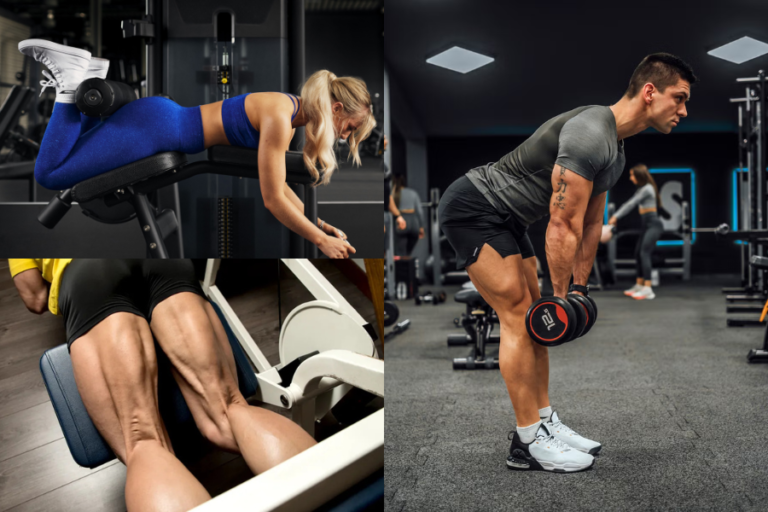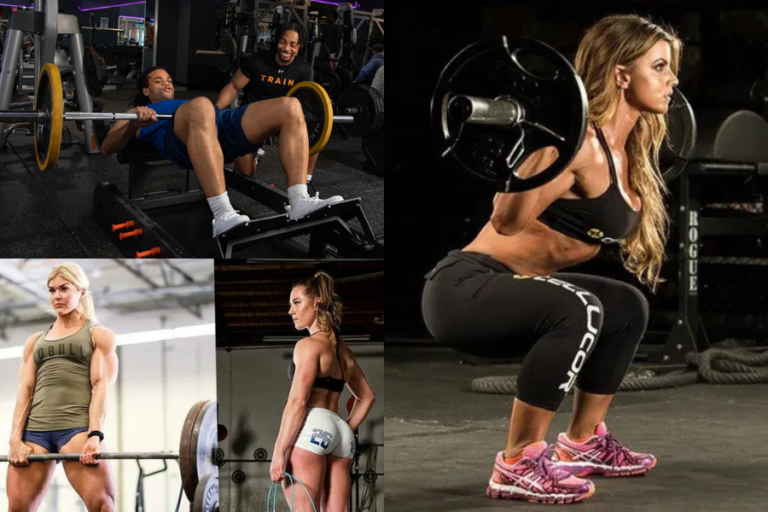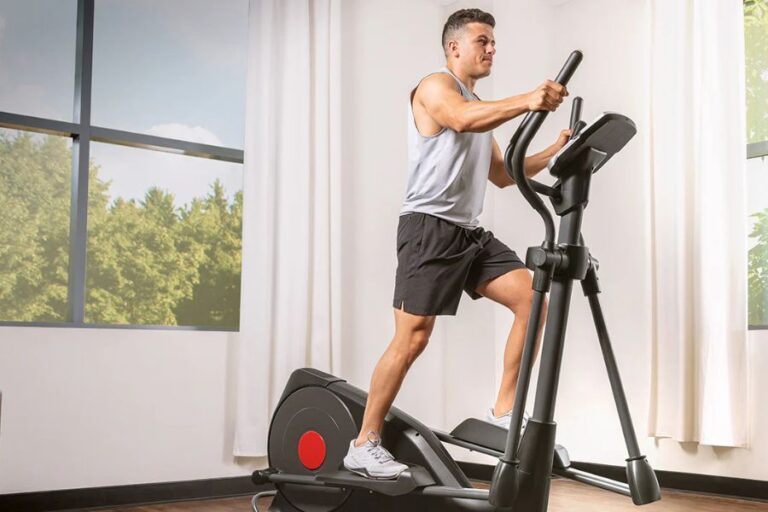
A strong lower leg does more than help you “feel the burn” on calf day. Well planned calf workouts for athletes build the power, balance, and stability you need for faster sprints, sharper cuts, and fewer ankle or shin injuries. Your calves also absorb massive forces every time you run or jump, so training them is not optional if you want to stay healthy and explosive.
Below, you will learn how your calf muscles work, why they matter so much for sports performance, and exactly how to train them for both power and stability.
Understand your calf muscles
Before you load up heavy calf raises, it helps to know what you are actually training. The calf muscle group, often called the triceps surae, is made up of three muscles that work as a team to support posture, balance, and movement in active people and athletes.
Gastrocnemius: Your power muscle
The gastrocnemius is the larger, more visible muscle that gives your calf its shape. It crosses both your knee and ankle joints, so it kicks in whenever you straighten your knee and push through your toes.
You rely on the “gastroc” for explosive efforts like sprinting, jumping, and taking off for a quick change of direction. Standing calf raises, straight knee jumps, and uphill sprints all hit this muscle hard.
Soleus: Your endurance and stability base
The soleus sits underneath the gastrocnemius and only crosses the ankle joint. It is most active when your knee is bent, such as in seated calf raises or when you lean forward while running or walking.
Your soleus is critical for joint stability and endurance. It helps keep your ankle steady with every step and supports your knee when you are in a bent position, for example when you land from a jump or sit into a squat.
Why both muscles must be trained
If you only train the gastrocnemius, you can jump high for a few reps but you may struggle to hold form late in a game. If you only train the soleus, you may have good endurance but lack the top end power that separates athletes.
Balanced calf training means you work both muscles through different knee angles and ranges of motion. This builds strong, fast, and resilient lower legs that support everything from heavy squats to long runs.
Why strong calves matter for athletes
Your calves are involved in almost every athletic movement you perform. They pull your heel upward to allow forward motion when you walk, run, or jump, and they act like springs that store and release energy.
Performance benefits
Research shows that powerful calves are a prerequisite for short sprints, quick accelerations, and sharp changes of direction. A 2018 study found that dynamic maximum calf strength is closely tied to sprint performance, and a 2021 study in young basketball players linked greater calf size with better vertical jump and speed. In simple terms, stronger calves help you run faster, jump higher, and cut more efficiently.
Sports that rely heavily on running and jumping, such as basketball, soccer, netball, and uphill hiking, naturally stress your calves with repeated efforts. When you add specific calf workouts for athletes on top of sport practice, you give yourself a performance edge.
Injury prevention and durability
Your calves help stabilize both your ankles and your knees. When they are weak, your joints have to work harder, and your tendons pick up the slack. That can increase the risk of problems like:
- Ankle sprains
- Shin splints
- Achilles tendon pain
- Calf strains
Pulled calf muscles alone account for around 12 percent of professional soccer injuries and 13 percent of football injuries, so prevention really matters for field athletes. Strong calves, combined with regular stretching and foam rolling, help protect your shins and Achilles by sharing the load across the whole lower leg.
Key principles for athletic calf training
You can turn basic calf exercises into powerful athletic tools by paying attention to how you perform them, how often you train, and how you progress over time.
Train with control, not just momentum
Explosive, bouncy reps mostly load your tendons. For muscle growth and true strength, you want slow, controlled movements that keep tension in the muscle from bottom to top.
Treat your calf sets like you would a quality strength exercise. Pause briefly at the bottom to avoid using momentum, then drive up strongly and squeeze your calves at the top. Westside Barbell coaches recommend a “bodybuilder’s mentality” in accessory calf training so the muscles do the work instead of the tendons.
Use different knee angles
Because the gastrocnemius and soleus are activated differently depending on knee position, you need both straight leg and bent knee work:
- Straight leg exercises target the gastrocnemius.
- Bent knee exercises shift more emphasis to the soleus.
Rotating between standing and seated movements gives you more complete development and better joint support in both sprinting and change of direction.
Get enough volume and effort
You do not need massive weights for your calves to grow. Research led by Brad Schoenfeld in 2020 suggests that muscle growth can be similar with light or heavy loads if your sets are challenging and close to fatigue.
For most athletes, that means working in the 15 to 25 rep range per set, going near muscular failure, and accumulating multiple hard sets per session.
Progress gradually
To keep your tendons and joints happy, increase your training load in small steps. An easy rule is to bump volume or resistance by roughly 10 to 15 percent every two weeks. This gives your tissues time to adapt and helps you avoid overload injuries.
Foundational calf exercises for athletes
Several simple exercises cover most of what you need for athletic performance, especially if you pay attention to form and progression.
Standing calf raises for power
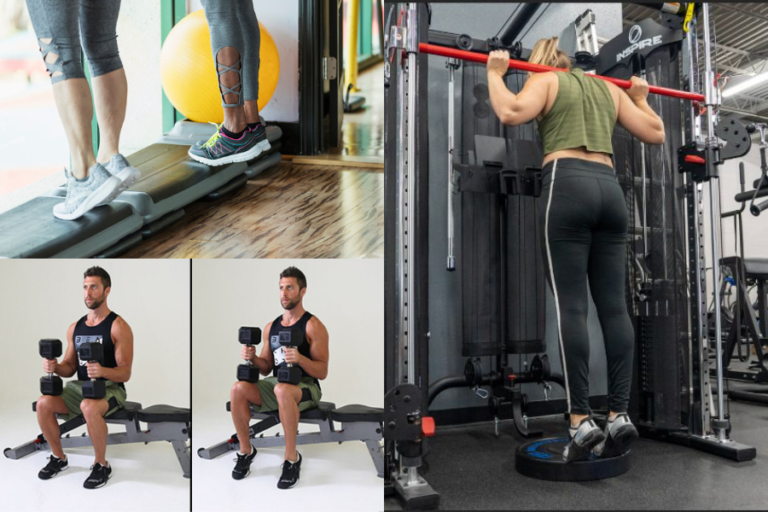
Standing calf raises are one of the best ways to build the gastrocnemius. You can use a standing calf machine, a smith machine, or a squat rack setup where you stand on a sturdy block or plate for extra range of motion.
Aim for 4 to 6 sets of 20 or more reps, or work “as many reps as possible” with good form. Single-leg versions ramp up the intensity and also challenge your balance and ankle stability.
Focus on rising onto the balls of your feet as high as possible, then lowering until you feel a stretch in your calves. If your gym allows, vary foot positions over time with sets performed with toes straight, turned slightly inward, and turned slightly outward to target different parts of the gastrocnemius.
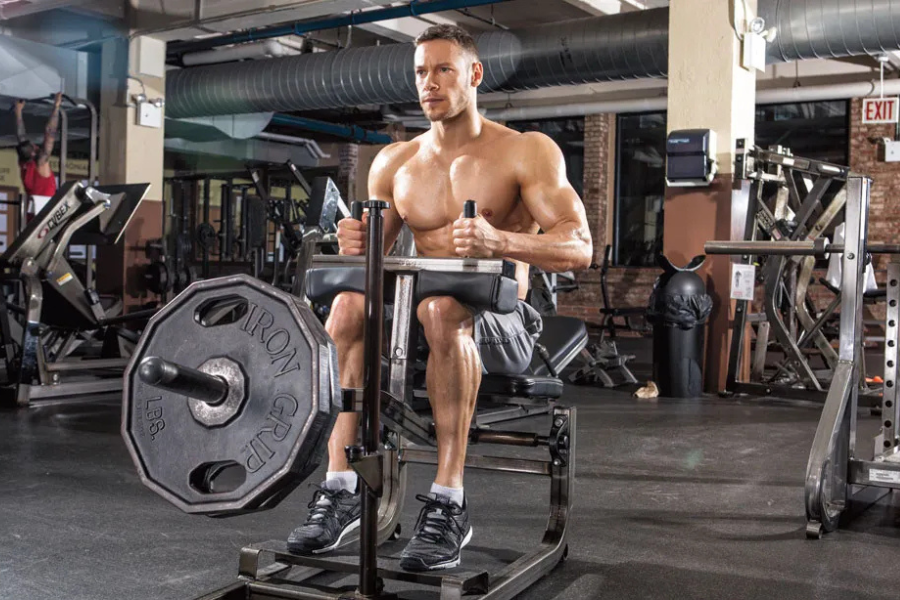
Seated calf raises for stability
Seated calf raises target the soleus by putting your knee in roughly a 90 degree bend. You can use a dedicated machine or improvise with a bench, barbell, or dumbbells placed across your knees.
The goal is to move through a full range of motion, from deep dorsiflexion with your heel low to strong plantarflexion at the top. If you cannot reach a good stretch at the bottom, work on your ankle mobility so the joint can move freely.
Use 3 to 5 sets of 15 to 20 controlled reps. Over time, heavier loads here help you better handle the repetitive forces involved in distance running or long practices.
Lying banded calf flexion and extension
Resistance bands give you a low impact way to train calves at different joint angles. Lying on your back or seated with legs stretched out, loop a band around your forefoot and point and flex your ankle against the resistance.
This works well as a warm up or a finisher. Try 3 to 5 sets of 15 to 20 reps per leg, pausing briefly at end ranges. Heavier bands and higher volumes can turn this into a serious strength and endurance drill for the lower legs.
Sport specific calf workouts for athletes
You can tailor your calf training based on the demands of your sport. Below is a simple comparison of what to emphasize.
| Sport focus | Training emphasis | Example exercises |
|---|---|---|
| Sprinters and jumpers | Explosive power and straight leg strength | Heavy standing raises, plyometric lunges |
| Field and court sports | Power plus lateral and stopping control | Single-leg raises, loaded toe walks |
| Distance and trail runners | Endurance, tendon resilience, ankle stability | Seated raises, banded work, toe walks |
Use this as a guide and adjust based on how your lower legs feel during and after games or runs.
How often to train your calves
For most athletes, two to three focused calf sessions per week works well. This fits with broader recommendations for lower leg strength work that improves running speed and reduces aches and pains.
If you already log a lot of miles or high impact work, start with two days and monitor how your calves respond. Soreness is normal in the beginning, but persistent pain, tightness that does not improve, or sharp discomfort are signs to back off and reassess.
On training days, drink enough water and take your time with warm up sets. Your calves handle up to eight times your body weight in force during running, so they need respect and preparation before you go hard.
Sample athletic calf workout
Use this template two times per week on strength days. You can adjust sets and reps based on your level.
- Lying banded calf flexion and extension
- 2 sets of 20 reps per leg as a warm up, light to moderate band
- Standing calf raises
- 4 sets of 20 reps
- 2 sets with feet straight, 1 set toes slightly in, 1 set toes slightly out
- Rest 60 to 90 seconds between sets
- Seated calf raises
- 3 sets of 15 to 20 reps
- Controlled tempo and full range of motion
- Single leg standing calf raises
- 2 sets of 12 to 15 reps per leg, bodyweight or holding light dumbbells
- Focus on balance and smooth control rather than speed
If you are a marathon or distance runner, you can swap one standing calf session for extra seated raises and banded work to emphasize endurance and tendon resilience.
Putting it all together
Strong calves are not just for looks. They support your ankles and knees, boost your sprinting and jumping, and help protect you from common lower leg injuries. When you build your calf workouts for athletes around controlled movement, varied knee angles, and steady progression, you gain the kind of power and stability that shows up in every step, cut, and jump.
Start by adding one or two of the exercises above to your current routine this week. Pay attention to how your running, lifting, or sport practice feels over the next few sessions, and then gradually build toward a full lower leg plan that keeps you strong, fast, and on the field.
About the Author