Understand keto vs Mediterranean diet
If you are comparing the keto vs Mediterranean diet to lose weight and improve your health, you are not alone. Both ways of eating can help you manage blood sugar and lose weight, but they take very different paths to get there.
In this guide, you will see how each diet works, what the research says about results, and how to decide which approach better fits your lifestyle.
Overview of each diet
Before you choose sides in the keto vs Mediterranean diet debate, it helps to know what each one actually looks like on your plate.
What the ketogenic diet focuses on
The ketogenic diet is a very low carbohydrate, high fat eating pattern. Its goal is to push your body into ketosis, where you burn fat for fuel instead of carbohydrates.
Typical keto breakdown:
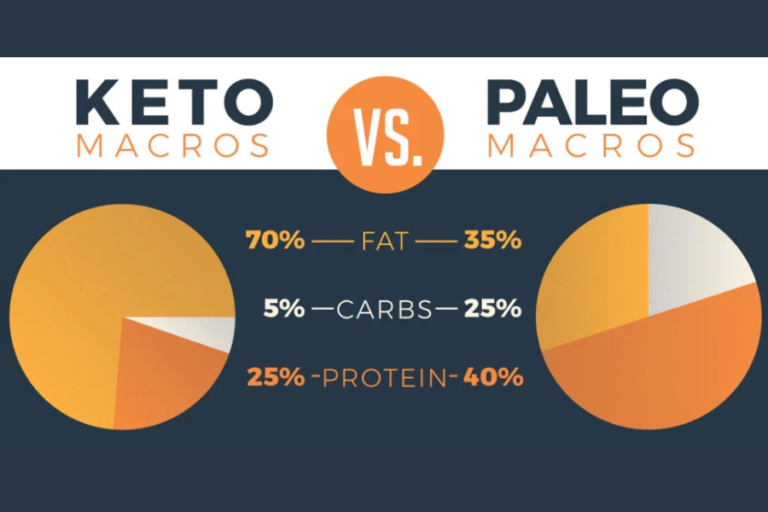
- Around 70% to 80% of your calories from fat
- Around 10% to 20% from protein
- Usually less than 5% from carbohydrates, often under 20 to 50 grams of carbs per day
Common keto foods include:
- Fatty fish, eggs, poultry, red meat
- Full fat cheese, butter, cream
- Oils such as olive oil, avocado oil, coconut oil
- Non starchy vegetables like leafy greens, broccoli, cauliflower, zucchini
- Nuts and seeds in moderation
You avoid or severely limit:
- Bread, pasta, rice, tortillas, and grains
- Most fruits
- Beans and lentils
- Potatoes and starchy vegetables
- Sweets and sugary drinks
Keto was originally developed in the 1920s to help treat epilepsy in children and is now often used for weight loss and blood sugar control (Northwestern Medicine).
What the Mediterranean diet emphasizes
The Mediterranean diet is inspired by the traditional eating patterns of countries that border the Mediterranean Sea. It is often described as a plant forward, heart healthy way of eating that you can follow long term.
Key features of the Mediterranean diet:
- Plenty of fruits and vegetables
- Whole grains like oats, barley, and whole wheat
- Beans and legumes such as chickpeas and lentils
- Healthy fats, especially extra virgin olive oil
- Nuts and seeds
- Moderate amounts of fish, chicken, eggs, and dairy
- Limited red and processed meats, added sugars, and highly processed foods
It is flexible, so you do not count calories or macros as strictly. It also encourages a lifestyle that includes shared meals and regular physical activity (EatingWell).
How each diet affects weight loss
When you compare the keto vs Mediterranean diet for weight loss, both can work. The differences show up in how fast the weight comes off and how realistic it is to maintain your results.
Weight loss on keto
Keto can lead to quick weight loss, especially at the beginning. This is partly because you lose water weight as your body uses up stored carbohydrates, and partly because you start burning more fat for energy.
Research on low carbohydrate and ketogenic diets has found:
- Low carbohydrate diets can reduce body weight by 2.1 to 14.3 kilograms over at least 6 months, with results similar or superior to low fat diets in some studies (PMC)
- Meta analyses show keto and other low carb diets can lead to greater weight loss than low fat diets during the first 6 months, but the difference usually fades by 12 months (Cureus)
So you may see a faster drop in the beginning on keto, but long term, keto is not clearly better than other balanced diets.
Weight loss on the Mediterranean diet
The Mediterranean diet usually leads to steadier, more gradual weight loss. Instead of forcing your body into ketosis, it focuses on whole foods and smart portions.
Studies that directly compare keto and Mediterranean style eating have found:
- In people with prediabetes and type 2 diabetes, both diets produced similar weight loss, about 7% to 8% of body weight, over 24 weeks (Stanford Medicine)
- After around a year, weight loss on keto and more balanced approaches like the Mediterranean diet look very similar, rather than one clearly winning long term (Cureus)
The main advantage of the Mediterranean diet is that you can usually stay on it longer, which makes it easier to maintain your weight loss over time (EatingWell).
Blood sugar and diabetes control
If you have prediabetes or type 2 diabetes, the keto vs Mediterranean diet question is especially important for your blood sugar and long term health.
What research shows in direct comparisons
A 24 week crossover trial from Stanford Medicine looked at adults with prediabetes or type 2 diabetes who tried both keto and Mediterranean style diets (Stanford Medicine).
Key findings:
- HbA1c, a marker of long term blood sugar control, dropped 9% on keto and 7% on the Mediterranean diet
- Weight loss was very similar, about 8% on keto and 7% on Mediterranean
- Both diets improved blood sugar to a similar degree overall
So for blood sugar, both diets can help, and the improvements were close.
Cholesterol and nutrient differences
The same Stanford study also found important differences between keto and Mediterranean eating (Stanford Medicine):
- LDL cholesterol, often called “bad” cholesterol, increased on the ketogenic diet
- LDL cholesterol decreased on the Mediterranean diet
- The Mediterranean diet provided more fiber and higher intakes of thiamin and vitamins B6, C, D, and E
- The keto diet was lower in these nutrients
A 2022 report from EatingWell that reviewed the same research also noted that the Mediterranean diet led to greater reductions in LDL cholesterol and higher fiber and vitamin intake compared to keto (EatingWell).
If you have diabetes or prediabetes, this means you can likely get similar blood sugar improvements with a Mediterranean diet while also improving your cholesterol and nutrient intake.
What actually matters most for blood sugar
The Stanford team concluded that for people with diabetes or prediabetes, the key is to:
- Cut added sugars
- Limit refined grains
- Emphasize vegetables
They did not find extra overall health benefits from keto’s extreme restriction of legumes, fruits, and whole grains beyond what the Mediterranean pattern already offers (Stanford Medicine).
In other words, you probably do not need to go fully keto to manage your blood sugar well.
Heart health and cholesterol impact
Your heart and blood vessels are another important part of the keto vs Mediterranean diet comparison.
Keto and heart risk factors
Keto has some positive short term effects:
- Low carb diets can improve triglycerides, HDL cholesterol, blood pressure, and other markers in the short term (PMC)
- Meta analyses show keto and other low carb diets can improve triglycerides and HDL cholesterol more than low fat diets in the first months (Cureus)
However, there are also concerns:
- LDL cholesterol tends to increase on ketogenic diets, which can raise cardiovascular risk (Cureus)
- Keto often involves more saturated fat from sources like butter, cheese, and red meat, which may not be ideal for your heart if you eat them in large amounts
- The American Heart Association and other groups have urged caution with very low carb, high fat eating patterns because of these potential risks (Aladdin Houston)
If you do choose keto, focusing on healthier fats like olive oil, avocado, and fatty fish can help reduce some of these concerns (Northwestern Medicine).
Mediterranean diet and heart benefits
The Mediterranean diet is widely recommended for heart health, and there are clear reasons for that:
- It emphasizes unsaturated fats like olive oil and omega 3 rich fish and limits saturated fats (EatingWell)
- Studies connect this way of eating with reduced risk of heart disease and stroke (Aladdin Houston)
- In the Stanford trial, LDL cholesterol decreased on the Mediterranean diet while it increased on keto (Stanford Medicine)
Many experts, including those at Northwestern Medicine, consider the Mediterranean diet a better long term choice for weight loss and cardiovascular health compared with keto (Northwestern Medicine).
Nutrients, inflammation, and long term health
How your diet affects your nutrients and inflammation can shape your long term health in powerful ways.
Nutrient gaps on keto
Because keto severely limits fruits, legumes, many vegetables, and whole grains, it can leave you short on important nutrients.
Potential keto issues include:
- Lower intake of fiber, which can lead to constipation and may affect cholesterol and gut health (Northwestern Medicine)
- Deficiencies in vitamins A, C, K, folate, and other micronutrients
- Lower levels of thiamin and vitamins B6, C, D, and E when compared directly with the Mediterranean diet (Stanford Medicine)
Some research suggests that severely limiting healthy carbohydrates can increase inflammation and, in some cases, may be linked with higher mortality risk over time (EatingWell).
Anti inflammatory benefits of the Mediterranean diet
The Mediterranean style of eating tends to do the opposite:
- It provides a wide variety of antioxidants from fruits and vegetables
- It includes fiber rich whole grains and legumes
- It offers omega 3 fatty acids from fish and nuts
This combination is associated with lower inflammation and reduced rates of chronic diseases such as type 2 diabetes, certain cancers, and Alzheimer’s disease (Aladdin Houston, EatingWell).
Long term cohort data also show that low carbohydrate patterns built on plant based proteins and unsaturated fats are linked with lower coronary heart disease risk, while low carb patterns high in animal proteins and saturated fats are linked with higher all cause mortality (PMC).
How realistic each diet is to follow
A diet only works if you can actually live with it. This is where the keto vs Mediterranean diet comparison starts to look very different.
Day to day life on keto
Keto is strict. To stay in ketosis you usually need to:
- Avoid bread, pasta, rice, and most grains
- Skip most fruits and many starchy vegetables
- Pass on beans and lentils
- Carefully track carbohydrates to stay under around 20 to 50 grams per day
Common challenges:
- You may experience “keto flu” at the beginning, with symptoms like fatigue, irritability, and brain fog as your body switches fuel sources (Northwestern Medicine)
- Social situations like eating out or going to parties become harder
- The diet can feel polarizing and restrictive over time
In the Stanford trial, participants reported that keto was more difficult to stick with compared to the Mediterranean diet. Three months after the study ended, most people leaned toward following a Mediterranean pattern and were more likely to maintain healthy blood sugar and weight that way (Stanford Medicine).
Day to day life on the Mediterranean diet
The Mediterranean diet is more flexible and centered on overall patterns rather than strict rules.
You are encouraged to:
- Fill your plate with vegetables and fruits
- Choose whole grains more often than refined ones
- Use extra virgin olive oil as your main added fat
- Include beans, lentils, nuts, and seeds regularly
- Eat fish and poultry in moderate amounts
- Enjoy red meat and sweets less often
There is no strict carb limit, and you do not have to cut out entire food groups. Because of this, it is generally easier to follow long term and does not require special meals at social events.
U.S. News & World Report has consistently named the Mediterranean diet the top overall diet due to this combination of health benefits and practicality (EatingWell).
Side effects and safety considerations
Any major diet shift can bring side effects. Knowing what to expect helps you decide what is worth it for you.
Common keto side effects
When you begin keto, you might notice:
- “Keto flu” symptoms like headache, fatigue, dizziness, nausea, or mood changes (Northwestern Medicine)
- Constipation due to low fiber intake
- Bad breath and dry mouth
- Difficulty sleeping or changes in energy levels
Longer term concerns can include:
- Nutrient deficiencies, especially if you are not careful about food quality
- Potential strain on your liver and kidneys, although long term data are limited (Northwestern Medicine)
- Increased LDL cholesterol, particularly if you rely heavily on saturated fats, which could raise heart disease risk over time (Cureus)
Because of these issues, many experts recommend using keto under medical supervision if you have health conditions or are planning to stay on it beyond the short term.
Mediterranean diet side effects
The Mediterranean diet has few known negative side effects. It is considered safe for most people and is recommended by many healthcare providers for:
- Weight management
- Heart health
- Diabetes prevention and management
If you are not used to a lot of fiber, you may want to increase fruits, vegetables, and whole grains gradually to avoid digestive discomfort at first.
Special situations: When keto might help
Even if the Mediterranean diet is generally considered the better long term option, there are situations where a keto or very low carb approach might be useful.
Prediabetes, diabetes, and metabolic health
Low carbohydrate diets, including ketogenic versions, have been shown to:
- Improve body weight, blood lipids, blood pressure, blood glucose, and insulin levels in people with diabetes over at least one year, without severe hypoglycemia (PMC)
- Rapidly lower blood sugar and insulin in the short term, which can be motivating if you want to see quick changes
If your blood sugar is very high and you are working closely with a healthcare provider, a well planned low carb or ketogenic phase may be helpful for a period.
PCOS and hormone balance
For women with polycystic ovary syndrome (PCOS), a very low carbohydrate ketogenic diet under 20 grams of carbs per day over six months has been linked with:
- Lower fasting insulin
- Reductions in the LH to FSH ratio
- Lower free testosterone
- Meaningful reductions in body weight and BMI (Cureus)
If you have PCOS, your provider may consider a structured, short term keto approach to help with metabolic and hormonal issues.
Short term use and alternatives
Given the uncertainty about long term effects, some experts see keto as a short term tool rather than a permanent lifestyle (Northwestern Medicine).
Alternatives you could consider include:
- A healthy low carb diet that still includes whole grains, fruits, and legumes in moderation
- Intermittent fasting, which can create periods of mild ketosis without strict food restrictions (Northwestern Medicine)
These approaches may offer metabolic benefits with fewer restrictions than strict keto.
How to choose the right approach for you
When you weigh keto vs Mediterranean diet options, it helps to match each one to your personal goals, your health, and how you like to eat.
Questions to ask yourself
You can start by asking:
- How important is fast weight loss versus steady, long term progress?
- Am I willing to give up bread, pasta, most fruits, and many social foods for months at a time?
- Do I have existing heart disease or high cholesterol that makes LDL increases more concerning?
- Do I have prediabetes, diabetes, or PCOS that might benefit from a period of lower carbohydrate intake?
- What kind of eating pattern can I realistically see myself following a year from now?
In most cases, experts lean toward the Mediterranean diet as the healthier and more sustainable long term choice for both weight and overall health (Aladdin Houston, Northwestern Medicine).
A quick side by side comparison
Here is a simple comparison to help you see the differences at a glance:
| Factor | Keto diet | Mediterranean diet |
|---|---|---|
| Main focus | Very low carb, high fat, ketosis | Plant forward, balanced, heart healthy |
| Typical carb intake | Under ~5% of calories, often 20–50 g per day | Moderate, mainly from whole grains, fruits, legumes |
| Weight loss speed | Faster early loss, similar to others by 12 months | Steady, similar long term results |
| Blood sugar control | Improves HbA1c and glucose | Similar improvements in direct comparisons |
| LDL cholesterol | Often increases | Tends to decrease |
| Nutrient intake | Lower fiber and some vitamins if not carefully planned | Higher fiber, vitamins, and antioxidants |
| Ease of long term use | Difficult, restrictive and polarizing | More flexible, easier to sustain |
| Typical side effects | Keto flu, constipation, nutrient gaps, LDL increase | Few, mostly positive health effects |
| Expert view for long term | Use with caution, often not advised for general use | Widely recommended for life long health |
Practical next steps
If you want to move forward, you do not have to overhaul everything at once. You can take a few simple steps:
-
Start with Mediterranean habits
-
Add one extra serving of vegetables to your meals
-
Swap butter for olive oil when you cook
-
Choose whole grain bread or pasta more often
-
If you are curious about low carb
-
Begin by cutting added sugars and refined grains, such as soda, candy, white bread, pastries
-
Notice how your energy, hunger, and blood sugar responses change
-
Talk with your healthcare provider before trying strict keto, especially if you take medications or have health conditions
Whatever you choose, your success will depend less on one “perfect” diet and more on what you can actually maintain. Both keto and Mediterranean eating can improve your health, but for most people, a Mediterranean style pattern offers a more enjoyable and sustainable way to lose weight and feel better for the long run.
About the Author