Understand what your anxiety is telling you
When you start looking for how to calm anxiety naturally, it can feel like you are wading through a lot of advice. Before you try any technique, it helps to understand what anxiety is and what it is not.
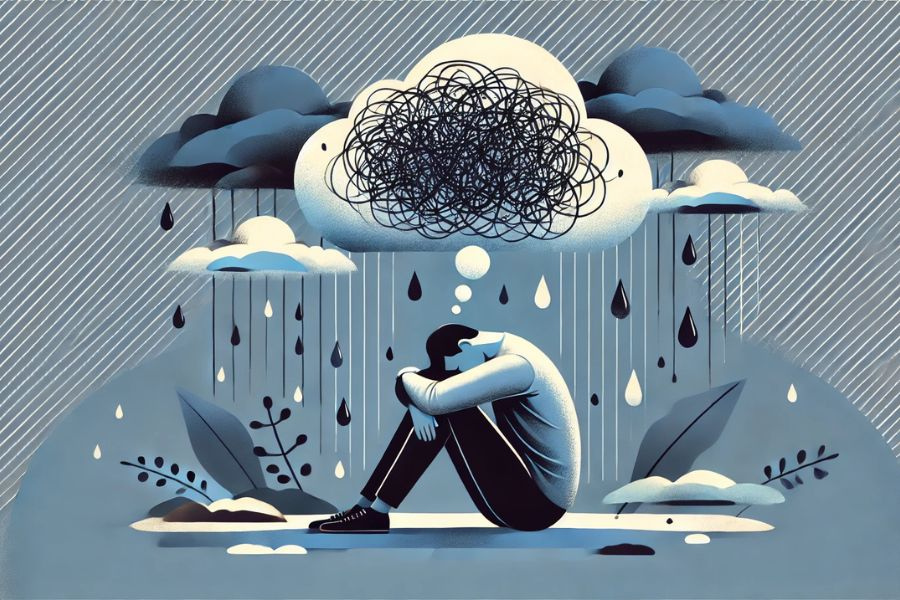
Anxiety is your body’s built‑in alarm system. It prepares you to deal with a threat. Your heart races, your breathing speeds up, and your muscles tense so you can respond quickly. This response is helpful in real danger, but it becomes draining when the alarm keeps going off without a clear reason.
Natural ways to calm anxiety focus on two goals:
- Soothing your nervous system in the moment
- Gently training your mind and body to react less intensely over time
You can use several methods together and adjust them to your comfort level. If your anxiety feels overwhelming, or if you ever have thoughts of harming yourself or others, contact a medical or mental health professional right away or call your local emergency number.
Use your breath to reset
One of the simplest natural tools for anxiety is your breath. When you feel anxious, your breathing often becomes fast and shallow. This can make dizziness, pounding heart, and panic feel worse. Deep, steady breathing does the opposite. It tells your nervous system that you are safe.
According to guidance from Healthline, specific breathing exercises can activate your body’s relaxation response and ease anxiety symptoms (Healthline). The NHS also notes that a calming breathing technique can reduce stress, anxiety, and even panic in just a few minutes and nearly anywhere (NHS).
Prepare your body for breathing exercises
You do not need anything special to begin, but a few adjustments can make breathing work better for you (NHS):
- Find a comfortable position: sit with back support, stand tall, or lie on a bed or mat.
- Place your feet flat on the floor about hip‑width apart if sitting or standing.
- Loosen tight clothing that restricts your chest or belly.
- Rest your hands in your lap, at your sides, or on your belly.
Once you are settled, choose one simple pattern to focus on.
Try diaphragmatic (belly) breathing
Diaphragmatic or abdominal breathing helps your body work less hard to breathe and may lower anxiety when you practice it regularly (Healthline).
- Place one hand on your chest and the other on your belly.
- Slowly inhale through your nose. Let your belly rise under your hand while your chest moves as little as possible.
- Gently exhale through your mouth. Feel your belly fall.
- Continue for 5 to 10 minutes, three to four times per day if possible.
Over time this can become your default breathing style, which supports calmer days overall.
Lengthen your exhale
Lengthening your exhale is another way to engage your body’s relaxation system. Healthline describes this as a helpful way to support the parasympathetic nervous system, which aids your ability to unwind (Healthline).
You can try:
- Inhale through your nose for a count of 3 or 4.
- Exhale gently through your mouth for a count of 5 or 6.
- Repeat for a few minutes, keeping the breath smooth rather than forced.
Think of the longer exhale as a slow release valve for tension.
Practice equal or resonant breathing
Equal breathing, a yoga practice where inhales and exhales are the same length, can also calm anxiety by promoting relaxation (Healthline):
- Inhale through your nose for a count of 4.
- Exhale through your nose for a count of 4.
- Continue for several minutes.
Resonant or coherent breathing is another pattern highlighted by Healthline as helpful for easing anxiety and creating a relaxed state (Healthline). To explore this, you might experiment with inhaling for about 4 to 6 seconds and exhaling for about 4 to 6 seconds, at a comfortable rhythm.
The specific numbers matter less than finding a slow, steady pattern that feels sustainable for you.
Move your body to shift your mood
If you want to know how to calm anxiety naturally in a way that also supports your long‑term health, exercise is a strong option. Physical activity can distract you from spiraling thoughts and trigger the release of endorphins, your body’s natural feel‑good chemicals, which can improve mood and reduce anxiety (WebMD).
You do not need intense workouts to feel a benefit. Small, consistent movements help:
- A 10‑minute walk outdoors
- Gentle yoga at home
- Stretching while listening to calming music
- Light strength exercises with your own body weight
If you struggle to start moving when you feel anxious, set the bar low. You might tell yourself you will walk to the end of the block or stretch for two songs. Often, once you begin, you will do a little more than you planned, and that is enough.
Support your mind with meditation
Meditation and mindfulness are central tools in many natural anxiety plans. They train your attention so that you are not pulled around as sharply by every worrying thought.
The Mayo Clinic describes meditation as a simple, fast, and low‑cost way to reduce stress that you can practice almost anywhere, even for a few minutes at a time (Mayo Clinic). By focusing on one object, thought, or activity, you gradually clear away some of the mental noise that fuels anxiety.
How meditation helps anxiety
Research reviewed by Harvard Health found that mindful meditation can ease mental stresses such as anxiety, depression, and pain (Harvard Health Publishing). In one study included in a JAMA Internal Medicine review, a mindfulness‑based stress reduction program significantly reduced anxiety symptoms in people with generalized anxiety disorder compared with a control group taught general stress management techniques (Harvard Health Publishing).
Dr. Elizabeth Hoge explains that mindfulness meditation helps you recognize anxious thoughts as just thoughts, not as facts or permanent parts of you (Harvard Health Publishing). With practice, worries feel less gripping.
Simple meditation styles to try
You do not need a cushion or a silent room to get started. A few accessible styles include:
-
Mindfulness meditation
Sit comfortably and focus on your breath. When your mind wanders, notice where it went and gently bring it back to the next inhale or exhale. This helps keep you in the present instead of getting swept into past regrets or future fears, a practice often emphasized in teachings by Zen monk Thich Nhat Hanh (Harvard Health Publishing). -
Guided meditation
Listen to an audio recording that leads you through relaxing imagery or instructions. Healthline notes that guided meditation can help interrupt anxious thought patterns while you relax your body and steady your breathing (Healthline). -
Everyday mindfulness moments
The Mayo Clinic suggests simple approaches such as a short breathing exercise, a slow body scan to notice sensations without judgment, or walking meditation where you focus on the feeling of each step (Mayo Clinic).
Even two minutes of intentional practice each day can make a difference. Dignity Health notes that as little as a couple of minutes of mindfulness can reduce stress and help you feel more connected to others (Dignity Health).
Build a realistic meditation routine
You are more likely to stick with meditation if it feels approachable and flexible. You might:
- Attach it to an existing habit, such as right after you brush your teeth.
- Start with a small goal, like one to three minutes a day.
- Experiment with different times of day to see when you feel most receptive.
Over time, people often notice that effects extend beyond the actual session, supporting a calmer baseline through the day (Mayo Clinic). Meditation is meant to complement, not replace, medical care if you are already in treatment.
Consider herbal and aromatherapy options carefully
Many people look for herbs and essential oils when exploring how to calm anxiety naturally. Some plant‑based options have promising research, but they also come with important cautions.
The Mayo Clinic notes that several herbal remedies have been studied for anxiety, yet more research is still needed to fully understand their risks and benefits (Mayo Clinic). In the United States, the Food and Drug Administration regulates supplements differently from medicines, so quality and safety can vary.
Herbal remedies with emerging evidence
A few herbs appear often in discussions of natural anxiety relief. Current findings, while not definitive, are worth knowing about:
-
Chamomile
Chamomile has long been used to support relaxation. WebMD notes that chamomile shows promise for calming individuals with generalized anxiety disorder, although overall evidence is limited (WebMD). A 2016 clinical trial found that 1,500 mg per day of chamomile extract reduced the severity of relapse symptoms in people with generalized anxiety disorder over 26 weeks, although some participants experienced allergic reactions or interactions with other drugs (Medical News Today). -
Ashwagandha
Ashwagandha is an adaptogenic herb used in traditional Indian medicine. A 2019 eight‑week study reported that 600 mg per day lowered cortisol and significantly reduced stress levels in participants with perceived stress, and it also improved sleep quality (Medical News Today). -
Valerian root
Valerian is often used for sleep issues and is thought to work by affecting GABA receptors in the brain, which are involved in relaxation. However, Medical News Today points out that current evidence is still insufficient to conclude that valerian reliably reduces anxiety or is safe for long‑term use (Medical News Today). -
Kava kava
Kava, a plant native to Pacific islands, may ease stress and anxiety. At the same time, there have been reports of severe liver damage associated with some kava products. Medical News Today emphasizes that you should discuss kava with a healthcare professional before considering it (Medical News Today).
Use essential oils as a gentle support
Aromatherapy is another natural option that can fit easily into your routine. WebMD notes that essential oils can boost mood and promote relaxation when inhaled or applied topically, such as through diffusers or by placing diluted oils on pulse points (WebMD).
Lavender essential oil is one of the most studied options. It contains plant compounds like linalool and linalyl acetate, which may have calming effects on brain receptors. A 2017 review suggested that lavender oil could be an effective short‑term treatment for anxiety disorders, although long‑term safety and effectiveness are still unclear (Medical News Today).
You might experiment by:
- Adding a few drops of lavender oil to a diffuser in the evening
- Placing a drop of diluted oil on a cotton pad near your pillow
- Using a roller bottle of diluted essential oil on your wrists, if your skin tolerates it well
Always dilute essential oils before putting them on your skin and avoid ingesting them unless a qualified professional has specifically guided you.
Stay safe with supplements
Because herbal products can interact with medications and cause side effects, it is important to be cautious:
- The FDA does not regulate herbal supplements as strictly as medicines, so products may vary in strength and purity (Mayo Clinic).
- Some herbs can cause significant drowsiness and may not be safe if you need to drive or use machinery. They can also intensify the sedative effects of medications you already take (Mayo Clinic).
- The Mayo Clinic recommends talking with your doctor before trying herbal supplements, especially if you are on any prescription medication (Mayo Clinic).
If you decide to explore herbs or aromatherapy, think of them as one small piece of a bigger calming toolkit rather than the sole solution.
Balance your blood sugar and nutrition
Your brain and nervous system respond closely to changes in your blood sugar. Sharp rises and drops can leave you feeling jittery, irritable, or more anxious than usual.
Dignity Health suggests that keeping your blood sugar steady by eating three meals and two snacks daily can help prevent irritability and anxiety, even if you do not have diabetes (Dignity Health).
To support more stable energy and mood, you can:
- Include high‑fiber foods, such as whole grains and beans
- Add plenty of fruits and vegetables
- Choose nuts and seeds for healthy fats and crunch
- Opt for lean proteins like poultry, fish, or beans
- Incorporate low‑fat dairy products, if you tolerate them well
Pairing carbohydrates with protein or healthy fat at meals and snacks can also reduce the size of blood sugar swings, which may smooth out some anxiety‑related ups and downs.
Limit stimulants that fuel anxiety
Certain substances can quietly ramp up your nervous system so that everyday stress feels much harder to handle. Dignity Health recommends avoiding or limiting stimulants if you tend to be anxious (Dignity Health).
Common triggers include:
- Caffeine in coffee, energy drinks, some teas, and chocolate
- Nicotine from cigarettes or vaping
- Illicit drugs
- Some over‑the‑counter medications that contain stimulants
If you notice your heart racing, hands shaking, or thoughts speeding up after caffeine or nicotine, you might experiment with gradually cutting back to see how your anxiety responds.
Protect your sleep as a priority
Sleep and anxiety often affect each other. Poor or insufficient sleep can increase anxiety, and feeling anxious can make it harder to sleep. Dignity Health points out that this cycle can be challenging, and it may require medical support if it continues (Dignity Health).
To give yourself a better chance at restful nights, you can:
- Keep a fairly consistent bedtime and wake time, even on weekends.
- Create a simple wind‑down routine, such as light stretching plus a few minutes of deep breathing.
- Dim screens and bright lights at least 30 to 60 minutes before bed.
- Reserve your bed mostly for sleep, if possible, so your brain links it with rest rather than work or worry.
If your sleep remains poor despite these changes, or if you snore heavily, gasp at night, or feel very sleepy during the day, talk with a healthcare provider. Addressing sleep issues often makes anxiety easier to manage.
Combine natural methods with professional support
Natural techniques like breathing exercises, movement, meditation, and lifestyle changes can be powerful pieces of your anxiety plan. At the same time, they do not replace professional treatment when you need it.
The Mayo Clinic notes that in addition to herbal options, stress management strategies, physical activity, and cognitive behavioral therapy are effective ways to reduce anxiety symptoms (Mayo Clinic). If your anxiety:
- Interferes with work, school, or relationships
- Makes it hard to leave home or do daily tasks
- Causes physical symptoms that worry you
- Includes panic attacks, overwhelming dread, or thoughts of self‑harm
then it is important to reach out to a mental health professional. Therapy and, when appropriate, medication can work alongside natural techniques, not against them.
Put it all together in your daily life
When you are figuring out how to calm anxiety naturally, it helps to think in terms of both quick relief and long‑term support.
You might:
- Use a short breathing exercise any time you feel symptoms rising.
- Schedule a daily walk or gentle workout to release tension.
- Practice a few minutes of mindfulness or guided meditation most days.
- Build balanced meals and snacks that keep your blood sugar steady.
- Cut back slowly on caffeine if it worsens your symptoms.
- Create a calming bedtime routine to protect your sleep.
- Talk with your doctor before trying any herbal or supplement options.
You do not need to apply every idea at once. Choose one small change that feels doable today, such as trying a two‑minute breathing exercise or taking a short walk after dinner. As you notice what helps, you can add or adjust habits until you have a calming toolkit that fits your life and supports your mental health.
About the Author