Understand what keto fatigue is
If you started a ketogenic diet full of motivation and now feel drained, you are not alone. Many people experience keto fatigue, often called the keto flu, in the first days or weeks of cutting carbs.
Keto fatigue is a collection of flu-like symptoms that can include:
- Low energy and exhaustion
- Headaches and brain fog
- Irritability or mood changes
- Nausea or queasiness
- Muscle cramps or weakness
- Sleep trouble or insomnia
- Constipation or digestive issues
These symptoms usually show up within 2 to 7 days of starting keto and are tied to a large drop in carbohydrate intake, often to around 20 to 50 grams per day (Healthline, WebMD).
Keto fatigue can be frustrating, especially if your goal is weight loss and better health. The good news is that it is typically temporary and there are practical ways to ease it.
What is happening in your body
To make sense of keto fatigue, it helps to understand what your body is doing behind the scenes when you switch to a ketogenic diet.
Switching from carbs to fat for fuel
Normally your body runs on glucose from carbohydrates. When you cut carbs very low, your body:
- Uses up stored glycogen in your muscles and liver
- Loses water that is stored along with glycogen
- Starts producing ketones from fat to use as a new fuel source
This shift into ketosis is a big metabolic change. While your body adjusts from burning carbs to burning fat, you may feel:
- Tired and sluggish
- Foggy or unfocused
- Achy or flu-like
Researchers compare this to a kind of withdrawal, similar to cutting back on caffeine (Healthline).
Losing water and electrolytes
Glycogen stores hold water. When glycogen drops, you lose that water too. On keto your insulin levels also go down, which signals your kidneys to excrete more water and important minerals.
That extra fluid loss can cause:
- Dehydration
- Lower levels of sodium, potassium, and magnesium
- Symptoms like fatigue, headaches, and muscle cramps
Several sources note that dehydration and electrolyte loss are major drivers of keto fatigue and muscle cramping, especially early on (WebMD, Healthline, Perfect Keto).
Not eating enough calories or fat
When you start keto, you may eat less without meaning to. The diet can suppress appetite and higher protein and fat meals keep you full for longer. That sounds helpful for weight loss, but if you eat too little overall, your energy can crash.
Research notes that:
- Some people burn more calories on keto
- If you undereat, your body may reduce thyroid and energy hormones
- Too few calories can worsen keto fatigue and slow your metabolism over time (Perfect Keto)
If you cut carbs and also cut too many calories or healthy fats, you are likely to feel dragged out rather than energized.
The role of diet quality
How you “do” keto matters. A dirty keto approach might hit your macro goals but still leave you feeling run down.
Dirty keto typically includes:
- Fast food without the bun
- Lots of bacon, cheese, and processed meats
- Highly processed foods that technically fit your carb limit
Multiple sources link this pattern to more fatigue and poorer overall energy, even if you stay in ketosis (Gainful, Perfect Keto). Your body still needs vitamins, minerals, and quality protein, not only the right carb number.
How long keto fatigue usually lasts
Keto fatigue is usually short term, although the exact timeline is different for everyone.
Based on current reports:
- Many people feel better after about one week if they stay consistent with low carbs (Perfect Keto, WebMD)
- For others, symptoms last only a few days
- In some cases, discomfort can stretch to several weeks, especially if you previously ate a lot of refined carbohydrates (Healthline)
Your past eating habits, hydration, sleep, stress levels, and overall health all affect how you feel as you transition.
It is also worth noting that “keto flu” is not a medically recognized diagnosis. A review from Harvard Health points out that similar symptoms show up whenever people make big diet changes, such as cutting ultra processed foods or starting elimination diets, not only when entering ketosis (Harvard Health Publishing).
In other words, part of what you feel could simply be your body reacting to a major change in how and what you eat.
Common symptoms and possible causes
Here is a quick reference to help you connect what you feel with what might be going on.
| Symptom | Possible cause | What might help |
|---|---|---|
| Fatigue, low energy | Carb withdrawal, low calories, low fat intake | Eat enough calories and healthy fats, hydrate, be patient |
| Headaches | Dehydration, electrolyte loss | Drink water, add salt to food, include potassium rich veggies |
| Muscle cramps or weakness | Low sodium, potassium, or magnesium | Broth, leafy greens, avocado, electrolyte supplements if needed |
| Brain fog, trouble focusing | Transition to ketones, lack of calories or sleep | Regular meals, adequate fat and protein, prioritize sleep |
| Irritability, sugar cravings | Sudden drop in carbs and sugar intake | Gradual carb reduction, balanced meals, small low carb snacks |
| Trouble sleeping | Electrolyte imbalance, stress, big routine changes | Gentle evening routine, magnesium rich foods, hydration earlier |
| Constipation | Low fiber intake, dehydration | Non starchy vegetables, water, possibly a fiber supplement |
If your symptoms are severe, last longer than a few weeks, or worry you, it is important to talk with a healthcare professional. Keto is not the right fit for everyone, especially if you have certain medical conditions.
Ways to reduce keto fatigue
You do not have to simply wait out keto fatigue and hope it goes away. You can adjust how you start and structure your ketogenic diet so the transition is smoother.
1. Ease into low carb rather than going all in overnight
If you moved directly from a high carb diet to strict keto, your body is adapting to a very large jump. Gradually reducing carbs can make that shift more manageable.
You can try:
- Cutting obvious sugars first, like soda, candy, and pastries
- Then reducing starchy foods, such as white bread, pasta, and rice
- Stepping down to your full keto carb target over several days or weeks
WebMD notes that this gradual approach can help prevent or lessen the intensity of keto flu symptoms and make the early phase more comfortable (WebMD).
2. Prioritize hydration all day
Since you lose water as glycogen drops, drinking more fluids is essential.
Simple habits that can help:
- Drink a glass of water first thing in the morning
- Keep water visible at your desk or in your bag
- Sip consistently rather than chugging a lot at once
- Include herbal teas or sparkling water with no added sugar if you want variety
Staying hydrated can ease fatigue, headaches, and muscle cramps prompted by the rapid water loss that comes with a low carb diet (Healthline, Perfect Keto).
3. Replace lost electrolytes
When you lose water, you also lose minerals like sodium, potassium, and magnesium. Low levels of these electrolytes can leave you tired and uncomfortable.
You can support electrolyte balance by:
- Slightly salting your food, especially if you previously avoided salt
- Drinking broth or stock, which adds both fluid and sodium
- Eating keto friendly, potassium rich foods such as spinach, kale, and avocado (Healthline)
- Including magnesium rich foods like pumpkin seeds, almonds, and leafy greens
If you still struggle with cramps or sleep trouble, you can ask your healthcare provider if an electrolyte supplement is appropriate for you.
4. Eat enough calories and healthy fats
On keto, fat is your primary fuel. If you keep carbs low but are also afraid to eat fat, your body may not have enough energy to work with.
Try to:
- Include a source of healthy fat at each meal, such as olive oil, avocado, nuts, seeds, or full fat dairy if you tolerate it
- Make sure your protein portions are adequate, especially if you are active
- Avoid long stretches without food in the first weeks unless advised by a professional
Several sources explain that too few calories and not enough fat can worsen keto fatigue and slow your metabolism, partly by affecting thyroid and energy hormones (Perfect Keto).
If you prefer convenient options, low carb protein powders with around 20 to 30 grams of protein and 1 to 2 grams of carbs can support your intake. Some powders also include added fats like MCT oil or collagen, which may help maintain energy while staying in ketosis (Gainful).
5. Choose “clean keto” instead of “dirty keto”
You are more likely to feel well on keto when your meals are based on whole, nutrient dense foods instead of heavily processed items that just happen to be low in carbs.
A clean keto pattern focuses on:
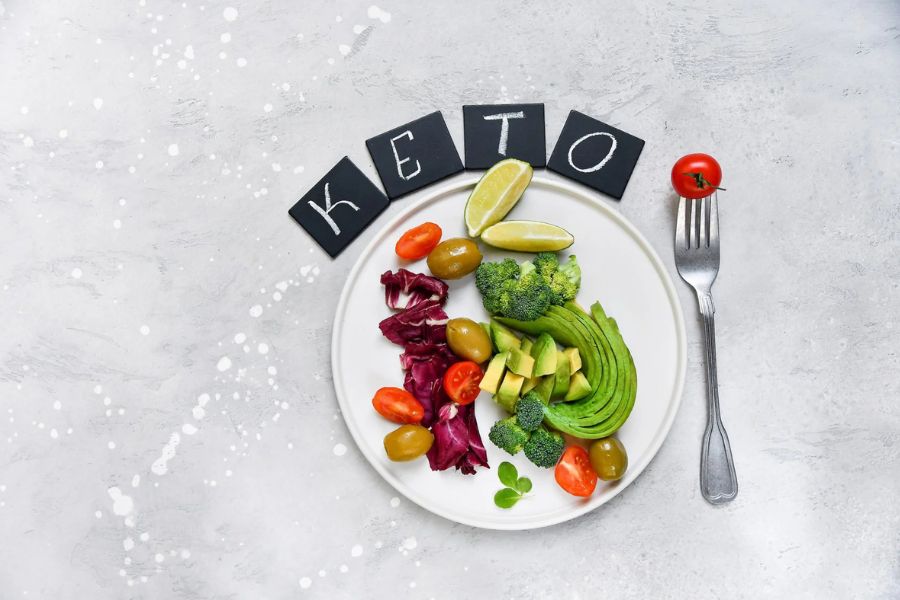
- Non starchy vegetables such as leafy greens, broccoli, zucchini, and cauliflower
- Quality proteins such as eggs, poultry, fish, tofu, or lean meats
- Healthy fats like olive oil, avocado, nuts, seeds, and, if you use it, MCT oil
In contrast, dirty keto emphasizes:
- Fast food burgers without buns
- Large amounts of bacon and processed meats
- Cheese heavy meals with very few vegetables
Multiple sources suggest that dirty keto can leave you feeling run down and does not provide sustained energy, even when your macros look correct (Gainful, Perfect Keto). Shifting toward clean keto supports both your energy levels and your overall health.
6. Watch for overdoing fat or ignoring your health history
Keto is high fat by design. Most guidelines suggest around 70 to 80 percent of your calories coming from fat, with carbs under 50 grams per day and moderate protein (Gainful).
However, more fat is not always better. Very high intakes of certain fats may:
- Raise blood pressure and cholesterol
- Increase the risk of heart disease and stroke
- Contribute to feeling unwell, especially if you already have cardiovascular risk factors (Gainful)
If you have a personal or family history of heart disease, high blood pressure, or high cholesterol, talk with a healthcare professional before or soon after starting keto. They can help you tailor your approach and monitor your health.
7. Keep your routine steady
Daily habits outside your plate also affect how you feel on keto. You may be more sensitive to lack of sleep, big stress spikes, or very intense workouts in the first weeks.
Helpful adjustments include:
- Aiming for a consistent bedtime and wake time
- Choosing moderate exercise such as walking or light strength training until your energy rebounds
- Planning simple, repeatable meals so you do not have to make constant decisions while you feel low energy
Perfect Keto highlights that regular eating patterns, physical activity at a level that fits your current energy, and targeted supplementation all help prevent or reverse keto fatigue (Perfect Keto).
When to reconsider keto
Keto can be a useful tool for weight loss and for managing certain medical conditions under supervision, but it is not automatically the best or only option for better health.
You may want to pause and talk with your doctor or a dietitian if:
- Your keto fatigue is severe or affects your ability to function
- Symptoms last longer than a few weeks despite adjustments
- You notice heart palpitations, chest pain, or unusual shortness of breath
- You have a history of heart disease, kidney disease, or other significant conditions
Harvard Health notes that while keto can provide short term benefits for some people, eating patterns like the Mediterranean or DASH diets are better supported for long term health outcomes overall (Harvard Health Publishing).
If you find that keto consistently leaves you depleted, you can still pursue weight loss and health improvements using other balanced, lower restriction approaches.
Putting it all together
Keto fatigue can make you question whether switching to a ketogenic diet was a good idea. Understanding what is happening in your body gives you more control.
You can:
- Expect some adjustment as your body shifts from carbs to fat
- Reduce discomfort by staying hydrated and supporting electrolytes
- Protect your energy by eating enough calories and healthy fats
- Choose clean, nutrient dense foods instead of relying on processed “keto” items
- Slow down and get professional help if symptoms are intense or long lasting
You do not need to push through exhaustion in silence. With a few strategic changes, you can often soften keto fatigue and decide more clearly whether this way of eating fits you and your long term health goals.
About the Author