Understand how the keto diet works
If you are considering the keto diet for weight loss, it helps to understand what is happening inside your body when you cut carbs so dramatically.
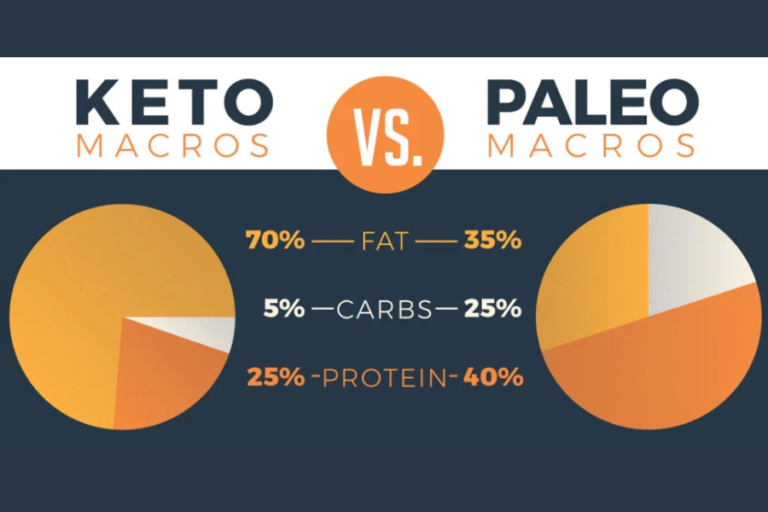
The ketogenic, or keto, diet is a very low carbohydrate, high fat way of eating. A typical ketogenic diet provides about 70 to 80 percent of your calories from fat, 10 to 20 percent from protein, and only 5 to 10 percent from carbohydrates, usually less than 20 to 50 grams of carbs per day (Cleveland Clinic, Harvard T.H. Chan School of Public Health).
When you reduce carbs to this level, your body makes a metabolic shift:
- You usually run on glucose from carbohydrates.
- With very few carbs, your body starts breaking down fat and producing ketones.
- This state is called ketosis, and in ketosis your body burns fat for fuel instead of glucose (Cleveland Clinic).
You typically reach ketosis in about 2 to 4 days if you keep carbs between 20 and 50 grams daily, though your timing can vary depending on your previous diet and whether you use strategies like intermittent fasting (Cleveland Clinic).
How keto helps with weight loss
The keto diet for weight loss is popular largely because results can start quickly. Several mechanisms work together to promote weight loss.
Faster initial weight loss
In the first week or two, you may see the scale move more than you expect. Research shows that this early drop often comes from:
- Depletion of glycogen, which is stored with water in your muscles and liver
- Loss of that stored water, which can make your weight dip quickly (Northwestern Medicine)
According to the NCBI Bookshelf, people can lose up to about 10 pounds during the first two weeks, largely due to this diuretic effect (NCBI Bookshelf).
This does not mean you are losing 10 pounds of body fat in two weeks, but it can feel motivating to see quick changes as you get started.
Increased fat burning and metabolic changes
Once you are in ketosis, your body becomes more efficient at using fat for fuel. Studies summarized on NCBI Bookshelf describe how the ketogenic diet:
- Increases fat oxidation, which means you burn more fat
- Improves insulin sensitivity
- Helps preserve lean body mass while losing fat (NCBI Bookshelf)
These metabolic changes can be especially helpful if you live with obesity or type 2 diabetes, since they are linked with better blood sugar control and improvements in some cholesterol markers.
Reduced hunger and appetite
Feeling constantly hungry is one of the main reasons many diets fail. Ketosis can help with that. According to Cleveland Clinic, being in ketosis may reduce hunger and help you feel satisfied on fewer calories, which supports gradual fat loss, including visceral or belly fat, while preserving muscle (Cleveland Clinic).
People often report:
- Fewer cravings for high carbohydrate foods
- Less frequent snacking
- Easier time sticking to planned portions
Evidence from studies on weight and health
Several lines of evidence support the effectiveness of a keto diet for weight loss, at least in the short term:
- Randomized controlled trials show keto diets can reduce body mass index and improve blood sugar markers such as hemoglobin A1c in people with obesity and type 2 diabetes (NCBI Bookshelf).
- Meta-analyses suggest that ketogenic diets often lead to greater weight loss than low fat diets and can improve triglycerides and HDL cholesterol, the so called good cholesterol, although LDL cholesterol can increase in some people (NCBI Bookshelf).
- Harvard T.H. Chan School of Public Health notes that research shows short term weight loss and improved metabolic markers, but after about a year results are similar to more conventional diets (Harvard T.H. Chan School of Public Health).
In other words, keto can work for weight loss, especially over a few months, but it is not automatically better forever or for everyone.
Potential benefits beyond the scale
If you use the keto diet for weight loss, you may notice additional health related changes.
Blood sugar and insulin
For people with insulin resistance or type 2 diabetes, studies summarized on NCBI Bookshelf show that ketogenic diets can:
- Lower fasting blood glucose
- Improve hemoglobin A1c
- Reduce the need for diabetes medications in some cases (NCBI Bookshelf)
These changes happen because you are eating far fewer carbohydrates, so your body needs to produce less insulin.
If you take medications for blood sugar, you should only start a strict keto diet with guidance from your healthcare team. Otherwise, your blood sugar can drop too low.
Triglycerides and HDL cholesterol
Several analyses find that ketogenic diets can:
- Lower triglycerides
- Raise HDL cholesterol
These shifts often point in a heart healthy direction, but the picture is not entirely simple. Keto can raise LDL cholesterol for some people, so monitoring with your clinician is important (NCBI Bookshelf).
Satiety and eating pattern awareness
Because keto limits many processed and high sugar foods, you may find that you:
- Pay closer attention to ingredients and labels
- Cook more often at home
- Become more aware of how certain foods affect your hunger and energy
These habits can benefit you even if you eventually transition to a less restrictive way of eating.
Real world challenges of staying on keto
The idea of fast weight loss can be appealing, but sticking with a keto diet for weight loss is not always straightforward.
Restrictive nature and social life
The classic ketogenic diet limits or removes:
- Most breads, pastas, rice, and grains
- Many fruits
- Starchy vegetables like potatoes and corn
- Sweets, sugary drinks, and many packaged snacks
Harvard T.H. Chan School of Public Health notes that this level of restriction can make the diet harder to maintain, especially in social situations that revolve around shared meals and celebrations (Harvard T.H. Chan School of Public Health).
At parties, restaurants, or holidays, your options might feel limited. Over time this can lead to:
- Frustration or boredom with allowed foods
- Difficulty attending social events without stress
- Pressure to abandon the plan altogether
Long term adherence rates
Studies following people over time show that it is common to start strong on keto, then struggle later. Research cited on NCBI Bookshelf found that participation in ketogenic weight loss programs can drop from nearly full adherence at three months to as low as 8.4 percent at nine months (NCBI Bookshelf).
Common reasons include:
- Diet monotony
- Social pressure
- Cravings for restricted foods
- Difficulty planning and preparing meals consistently
Northwestern Medicine experts also emphasize that many people regain at least half of the weight they lost once they stop restrictive diets like keto (Northwestern Medicine).
Weight regain and plateaus
The early rapid weight loss can slow, which is normal as your body adjusts to a new intake level. Northwestern Medicine highlights that:
- The first big drop is largely water and glycogen.
- Continued fat loss requires a sustained calorie deficit.
- Some people experience weight plateaus or regain when they transition off keto or relax their carb limits (Northwestern Medicine).
To reduce the risk of regain, it helps to think of keto as part of a longer journey of changing your habits rather than a quick fix that ends once you reach a target number.
Common side effects and health risks
Before you commit fully to a keto diet for weight loss, it is important to understand the possible downsides. Some are short term and manageable, while others relate to long term health.
The “keto flu” and early symptoms
When you first cut carbs drastically, you may experience what many people call the “keto flu.” Cleveland Clinic lists common symptoms such as:
- Upset stomach
- Headache
- Fatigue or low energy
- Irritability
- Dizziness
- Constipation
- “Keto breath,” which can smell fruity or metallic (Cleveland Clinic)
These symptoms usually appear in the first days of transitioning. They often improve as your body adapts to ketosis, especially if you stay hydrated, get enough electrolytes, and avoid severe calorie restriction on top of carb restriction.
Nutrient gaps and digestive issues
Restricting entire food groups can make it more challenging to get enough:
- Vitamins and minerals
- Fiber from fruits, whole grains, and many legumes
- Beneficial plant compounds found in a wide variety of vegetables and fruits
Harvard T.H. Chan School of Public Health notes that this can lead to nutrient deficiencies if your keto diet is not well planned and varied within the allowed foods (Harvard T.H. Chan School of Public Health).
University of Chicago Medicine also highlights constipation as a common side effect because of lower fiber intake, along with other risks such as low blood pressure, kidney stones, and potential heart disease risk, especially if you rely heavily on saturated fats (University of Chicago Medicine).
Heart, kidney, and bone concerns
Long term, researchers and clinicians raise several concerns:
- Keto can increase LDL cholesterol in some people, potentially affecting heart health (NCBI Bookshelf).
- Harvard T.H. Chan School of Public Health points to possible increased risks of kidney stones, osteoporosis, and elevated uric acid with long term ketogenic dieting (Harvard T.H. Chan School of Public Health).
- University of Chicago Medicine warns that the diet may not be appropriate if you have pancreas, liver, thyroid, or gallbladder problems, and that there is a risk of low blood sugar if you are on diabetes medications (University of Chicago Medicine).
Because of these factors, many experts recommend that you follow a ketogenic diet under medical supervision, especially if you have any underlying health conditions.
Psychological and social impact
Strictly tracking everything you eat and avoiding many common foods can affect how you feel about eating and socializing. Northwestern Medicine and University of Chicago Medicine experts note that:
- There may be psychological effects from rigid tracking and restriction.
- Some people experience social isolation or disordered eating patterns linked to highly restrictive diets (Northwestern Medicine, University of Chicago Medicine).
If you notice that keto is increasing your stress around food, making you avoid social events, or leading to guilt when you eat off plan, it is worth stepping back and talking with a healthcare professional or dietitian.
What you eat on a keto diet
If you decide to try a keto diet for weight loss, having a clear picture of your daily food choices can make the transition smoother.
Typical keto macro breakdown
Most standard ketogenic patterns look like this:
- 70 to 80 percent of calories from fats
- 10 to 20 percent from protein
- 5 to 10 percent from carbohydrates, often 20 to 50 grams of net carbs per day
Cleveland Clinic and University of Chicago Medicine both describe similar ranges for maintaining ketosis (Cleveland Clinic, University of Chicago Medicine).
Foods often included
Within those macros, you will usually focus on:
-
Fats
-
Avocado and avocado oil
-
Olive oil and olives
-
Nuts and seeds, in measured portions
-
Fatty fish like salmon, mackerel, and sardines
-
Butter and ghee
-
Full fat cheeses and some full fat dairy, if tolerated
-
Protein
-
Eggs
-
Poultry such as chicken and turkey
-
Beef, pork, and lamb
-
Fish and seafood
-
Tofu or tempeh for plant based eaters, adjusted to your carb goal
-
Lower carbohydrate vegetables
-
Leafy greens like spinach and kale
-
Broccoli, cauliflower, and Brussels sprouts
-
Zucchini, cucumbers, and bell peppers
-
Asparagus, green beans, and celery
Northwestern Medicine experts suggest focusing on heart supportive fats like olive oil, avocado, and fatty fish rather than relying heavily on processed meats or large amounts of butter and cheese (Northwestern Medicine).
Foods usually limited or avoided
For most strict keto approaches, you would significantly reduce or avoid:
-
Grains and grain based foods
-
Bread, tortillas, cereal, pasta, rice, oats, crackers
-
Most starchy vegetables
-
Potatoes, sweet potatoes, corn, peas
-
Most fruits
-
Bananas, apples, grapes, mango, pineapple, juice
-
Some people include small amounts of berries
-
Sugary foods and drinks
-
Candy, desserts, pastries, sugary coffee drinks
-
Regular soda, sweetened teas, many flavored yogurts
-
Legumes
-
Beans, lentils, chickpeas, unless you are using a more moderate low carb approach
This list can feel long at first, which is why planning ahead often makes a big difference.
Using a meal plan to stay on track
Having a structure in place can make the keto diet for weight loss feel more manageable, especially in your first couple of weeks.
Example of a 7 day keto friendly plan
Whole Foods Market offers a 7 day keto friendly meal plan that can help you visualize what a week of eating might look like. Their plan:
- Includes breakfasts, lunches, dinners, snacks, and desserts
- Uses recipes like prime rib, sea bass, and keto friendly yogurt bowls
- Emphasizes a variety of flavors so your meals feel more interesting (Whole Foods Market)
The plan is generally designed for two adults, with recipes scaled to produce two to six servings. Many dinners are cooked once and then served again as lunches or leftover dinners, which saves time and supports consistency (Whole Foods Market).
Time saving tips from the plan
Whole Foods Market also builds in several practical strategies that you can adapt even if you do not follow their plan exactly:
- Prep ahead on one or two days to reduce weeknight cooking.
- Use leftovers intentionally, for example cooking extra protein at dinner and using it on salads or in lettuce wraps for lunch.
- Take advantage of ready to eat options such as sashimi, rotisserie chicken, or pre cut vegetables on busy days (Whole Foods Market).
For snacks and desserts, the plan suggests:
- Raw vegetables like celery, cucumber, and carrots with a chipotle dipping sauce
- Keto friendly dairy or meat snacks, such as parmesan crisps and pork rinds
- Low carb protein drinks to help you stay within your macros while keeping hunger in check (Whole Foods Market)
Whole Foods Market also clearly notes that their plan and recipes are not medical advice. They recommend checking with your healthcare provider before starting any restricted diet, including keto, especially if you have health conditions or take medications (Whole Foods Market).
Decide if keto is right for you
The keto diet for weight loss is a tool, not a requirement. It can be effective for some people, but it is not the only path to better health.
Who might benefit
You might consider a well planned ketogenic diet, with medical supervision, if you:
- Have tried other reasonable dietary approaches without success
- Live with obesity or insulin resistance and want to improve blood sugar
- Are comfortable tracking what you eat fairly closely
- Prefer higher fat, lower carbohydrate foods and do not mind limiting grains and most fruits
Harvard T.H. Chan School of Public Health notes that keto can be appropriate for some individuals who struggle to lose weight with other methods, as long as it is personalized, monitored, and adjusted over time (Harvard T.H. Chan School of Public Health).
Who should be cautious or avoid keto
You should be especially careful, and talk with your healthcare team before attempting keto, if you:
- Have a history of pancreas, liver, thyroid, or gallbladder disease
- Take medications for diabetes or blood pressure
- Have a history of kidney stones, osteoporosis, or high LDL cholesterol
- Have struggled with disordered eating or find rigid tracking triggering
University of Chicago Medicine dietitians do not endorse the keto diet as a long term solution for weight loss or overall health because it restricts nutrient dense foods like fruits, vegetables, whole grains, and low fat dairy (University of Chicago Medicine).
Thinking beyond the first few months
Even if you use keto successfully for a period of weight loss, you will eventually need a plan for:
- Reintroducing some carbohydrates in a balanced way
- Maintaining new habits like cooking more at home and paying attention to hunger cues
- Keeping up with physical activity and sleep, which also influence weight and health
Harvard T.H. Chan School of Public Health suggests that once weight loss goals are reached, it can be useful to gradually reintroduce more carbohydrate foods while maintaining an overall nutrient dense pattern (Harvard T.H. Chan School of Public Health).
Practical steps to start thoughtfully
If you decide the keto diet for weight loss feels right for you, a few careful steps can make your experience safer and more sustainable.
1. Talk with your healthcare provider
Before you begin:
- Review your medical history and current medications.
- Ask whether any lab tests, such as cholesterol panels or kidney function tests, are recommended before and during the diet.
- Discuss whether a referral to a registered dietitian with experience in ketogenic diets might be helpful.
This is especially important if you have diabetes, high blood pressure, kidney disease, or other chronic conditions.
2. Learn your personal carb limit
Most keto plans use 20 to 50 grams of carbohydrates per day, but your exact target may depend on your size, activity level, and goals. You can:
- Start on the lower end, around 20 to 30 grams, if your clinician recommends strict ketosis.
- Track your intake for a couple of weeks to see how you feel.
- Adjust gradually if you experience intense side effects or if you and your healthcare provider feel a slightly higher carb intake would be safer or more realistic.
3. Prioritize food quality
Keto does not have to mean unlimited processed meats and cheese. To support your health while you lose weight:
- Choose mostly unsaturated fats like olive oil, avocado, and nuts.
- Include fatty fish several times a week for omega 3 fats.
- Fill your plate with non starchy vegetables at most meals.
- Rotate your protein sources so you are not relying on a single type of meat every day.
This approach is more aligned with recommendations from Northwestern Medicine and other experts who caution against very high intakes of saturated fat (Northwestern Medicine).
4. Plan for side effects
To prepare for the first week or two:
- Increase your water intake.
- Make sure you get enough sodium, potassium, and magnesium, within your clinician’s guidance.
- Keep your schedule a bit lighter if possible while your body adapts.
If you notice severe or persistent symptoms, such as extreme fatigue, severe gastrointestinal distress, or signs of very low blood sugar, contact your healthcare provider promptly.
5. Check in regularly
Finally, treat keto as an ongoing experiment:
- Track more than just your weight. Notice your energy, mood, digestion, and sleep.
- Schedule regular check ins with your healthcare provider to monitor blood work and adjust medications if needed.
- Reevaluate whether this way of eating still suits you every few months.
If you find that a strict ketogenic diet is no longer serving you, it is completely reasonable to transition to a more moderate, balanced eating pattern that you can enjoy and sustain long term.
The keto diet for weight loss can be a powerful short term tool, especially when you approach it with realistic expectations, medical guidance, and attention to overall food quality. By understanding how it works, what to watch for, and how to adapt it to your life, you can make a clearer choice about whether it fits your path to better health.
About the Author