Understand intermittent fasting cardio
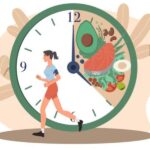
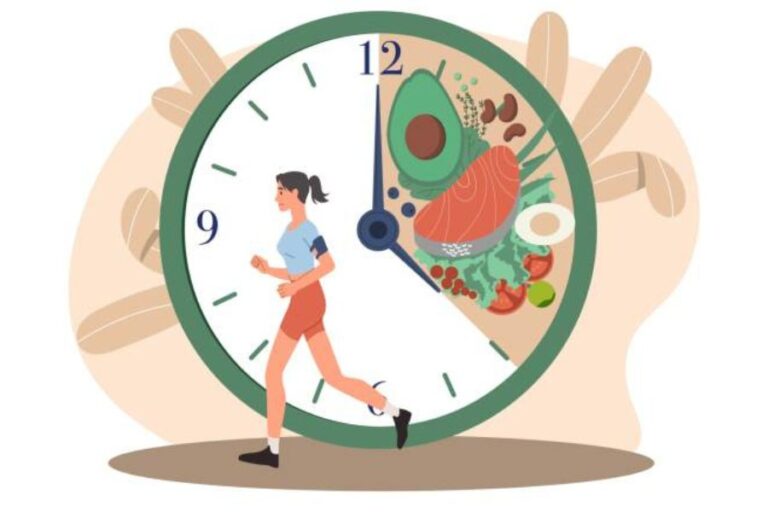
If you already practice intermittent fasting, adding cardio on an empty stomach can seem like a smart shortcut for fat loss. Intermittent fasting cardio simply means you do your cardio workout during a fasting window, usually in the morning before breakfast or near the end of a fast.
When you exercise in a fasted state, your body has already used most of the calories from your last meal. It then leans more on stored energy, such as glycogen in your muscles and liver, and potentially body fat, to power your workout (UCLA Health). This is why many people pair intermittent fasting and cardio when their goal is weight loss or better body composition.
The key question is not just whether intermittent fasting cardio burns fat during a workout, but whether it helps you lose weight, stay healthy, and perform well over time.
How intermittent fasting affects your body
Intermittent fasting is less about eating “less” and more about eating within specific time windows. The most common approaches include:
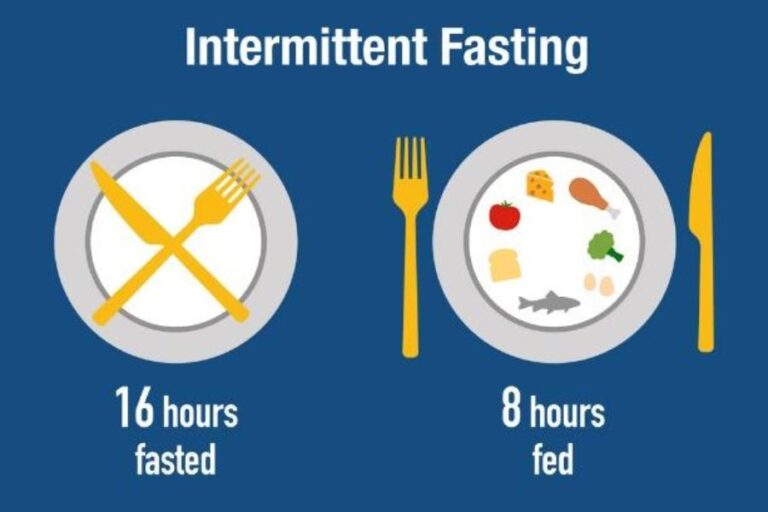
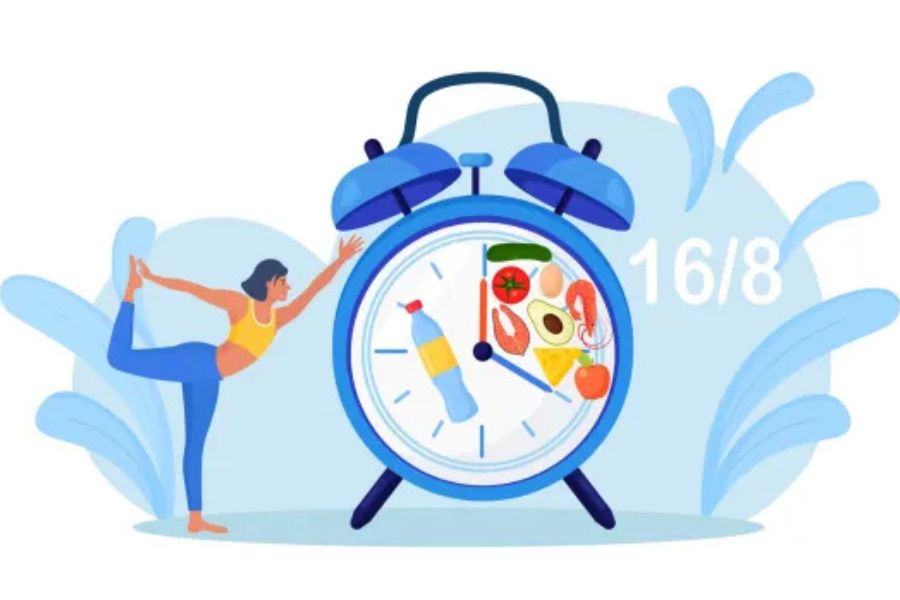
- Time restricted eating, such as 16:8 (16 hours fasting, 8 hours eating)
- Alternate day fasting
- Whole day fasting, such as one or two fast days per week
A large review of 99 clinical trials found that intermittent fasting is about as effective as traditional calorie restriction for weight loss and cardiometabolic health (Harvard T.H. Chan School of Public Health). In people with a higher starting BMI, alternate day fasting even produced slightly more weight loss and improvements in markers like waist circumference, cholesterol, triglycerides, and C-reactive protein.
In athletes and active people, a 2024 review reported that intermittent fasting can:
- Reduce fat mass
- Maintain lean muscle
- Preserve performance in aerobic, anaerobic, strength, and power tests
This was especially true with time restricted feeding protocols around 16 hours of fasting and 8 hours of eating (Nutrients, via PMC).
In other words, intermittent fasting can fit well with an active lifestyle if you plan your training and meals carefully.
What happens during fasted cardio
When you do cardio while fasting, several things shift behind the scenes.
Energy use during your workout
Your body prefers to burn glycogen, the stored form of carbohydrate, because it is easy and quick to use. After about 10 to 12 hours without food, glycogen stores drop, and your body may rely more heavily on stored fat for energy (UCLA Health).
Studies suggest that:
- Fasted cardio can increase fat oxidation during low to moderate intensity exercise compared to cardio after a meal
- This difference becomes smaller at higher intensities
- In one experiment, 30 minutes of steady cycling in a fasted state increased fat burning, but people reported lower performance, energy, motivation, and enjoyment compared with fed exercise (Healthline)
So you may burn more fat during the session, but the workout can feel tougher and less enjoyable.
Muscle and performance trade offs
A potential downside of intermittent fasting cardio is what happens to your muscles when carbohydrate is limited. Without enough carbohydrate available, your body may use amino acids from protein to make glucose, a process called gluconeogenesis. Over time, this can work against your goal to build or maintain muscle mass (UCLA Health, Healthline).
Some key points to keep in mind:
- Short term, fasted cardio does not automatically “eat away” all your muscle, but frequent, intense fasted sessions without proper recovery can make it harder to gain muscle
- Low blood sugar during fasted workouts can leave you lightheaded, sluggish, or unable to hit higher intensities
- In some people, intermittent fasting plus training still preserves muscle, especially when protein intake is adequate, but the balance is delicate (Nutrients, via PMC)
If your priority is strength or muscle growth, you may want to reserve your hardest sessions for times when you are properly fueled.
Benefits of combining intermittent fasting and cardio
Despite the trade offs, intermittent fasting cardio has some clear potential upsides, especially if your main goal is fat loss and overall health.
Support for body composition goals
Several lines of research suggest that when you pair intermittent fasting with regular exercise, you can:
- Reduce overall energy intake almost unintentionally by 10 to 20 percent per week
- Cut fat mass while maintaining lean mass
- Preserve or even slightly improve performance in many sports related tests (Nutrients, via PMC)
Some gyms and health professionals also point out that morning fasted cardio after an overnight fast can boost fat oxidation, partly due to lower insulin levels and depleted glycogen stores (Crunch Fitness).
The main takeaway is that intermittent fasting tends to work for fat loss by making it easier to eat fewer calories overall, not by magic. Cardio adds another layer by helping you burn extra energy and improve fitness.
Possible metabolic and hormone advantages
Intermittent fasting, especially when combined with exercise, can influence hormones and metabolic markers in ways that may support long term health:
- Improved insulin sensitivity and increased adiponectin levels, which help your body handle blood sugar more effectively (Nutrients, via PMC)
- Decreases in inflammatory markers like IL-6 and the neutrophil-lymphocyte ratio, which may help with recovery and injury prevention (Nutrients, via PMC)
- Better insulin sensitivity and growth hormone response when you time workouts earlier in the day while intermittent fasting, according to some clinical guidance (Prospect Medical)
These effects are not a replacement for the basics, such as sleep, nutrition quality, and stress management, but they can be an added bonus.
Risks and who should avoid fasted cardio
Fasted cardio within an intermittent fasting plan is not suitable for everyone. You should be cautious or skip it entirely if:
- You have a medical condition that makes you sensitive to low blood sugar or low blood pressure
- You are pregnant
- You are completely new to exercise
- You have a history of disordered eating
Health professionals warn that fasted cardio can increase the risk of:
- Low blood sugar
- Dehydration
- Dizziness or fainting
- Reduced exercise performance (Healthline)
Ramadan-style fasting, which often involves 12 to 18 hour fasts with no fluid intake between sunrise and sunset, may also impair performance in elite athletes due to disrupted sleep and feeding cycles, unlike other time restricted eating approaches (Nutrients, via PMC).
If you have any underlying health issues or you are unsure how your body will respond, it is smart to talk with your healthcare provider before starting intermittent fasting cardio.
Choose the right type of cardio while fasting
Not all cardio feels the same when you are fasting. The type and intensity of your workout can make a big difference in how you perform and recover.
Best options for intermittent fasting cardio
Low intensity steady state (LISS) cardio tends to be the most comfortable and sustainable during a fast. This includes:
- Brisk walking
- Easy cycling
- Light jogging
- Elliptical at a conversational pace
LISS at about 60 to 70 percent of your maximum heart rate is often recommended because it is gentle on your body and supports fat oxidation without putting you in a deep energy hole (Crunch Fitness).
What to know about HIIT and sprints
High intensity interval training (HIIT) and sprints while intermittent fasting can create a strong training stimulus. Some experts note that sprint training in a fasted state can significantly boost human growth hormone and may support body composition, stamina, and testosterone levels (Prospect Medical).
However, HIIT while fasting is demanding and not appropriate for everyone. You might:
- Struggle to hit peak power without some pre workout fuel
- Recover more slowly
- Feel more drained for the rest of the day
If you enjoy HIIT, you can still include it in your week, but you may want to schedule your most intense sessions during your eating window.
Time your cardio within your fasting schedule
Getting intermittent fasting cardio right is often more about timing and planning than about any single workout.
Morning fasted cardio
For many people, the easiest approach is morning cardio after an overnight fast. This usually means:
- Your last meal was the previous evening
- You wake up, hydrate, and go directly into a low to moderate intensity cardio session
- You break your fast within a reasonable window after the workout
Morning workouts can align with your body’s natural circadian rhythm and support hormone patterns tied to growth hormone and insulin sensitivity (Prospect Medical).
Cardio right before your first meal
Another effective option is to train 1 to 2 hours before your first meal of the day. When you do this:
- You are still in a fasted state, so you may benefit from increased fat oxidation
- You finish your workout close to mealtime, which helps you refuel and recover quickly (Crunch Fitness)
This schedule can work well with a 16:8 plan when your eating window starts around late morning or midday.
Strength training and fasting
If you lift weights, you can still do that in a fasted state, but you need to be more careful about recovery. Heavy lifting relies heavily on glycogen, and your muscles need protein and carbohydrate afterward to repair and grow.
Clinical advice suggests that when you lift weights while intermittent fasting, you should:
- Schedule a solid meal soon after your session
- Include protein for muscle repair and complex carbohydrates for glycogen replenishment (Prospect Medical)
You might find that lifting during your eating window feels better and leads to better performance.
Recover properly after fasted cardio
Your post workout routine matters just as much as the workout itself, especially if you pair intermittent fasting and cardio several times per week.
Focus on three main areas.
Refuel with a balanced meal
After fasted cardio, aim to eat within 30 to 60 minutes once your eating window opens. Your meal should include:
- Protein to support muscle repair
- Complex carbohydrates to replenish glycogen
- Some healthy fats to keep you satisfied
This combination helps you maintain lean mass and keep your training consistent over time (Crunch Fitness).
Hydrate and replace electrolytes
Fasted cardio often happens in the morning, when you are already slightly dehydrated from sleep. Drink water before and after you train. If your workout is longer or more intense, consider including electrolytes, especially if you sweat heavily.
Watch your energy and mood
Because research shows some people feel less energetic, motivated, and positive during fasted workouts (Healthline), pay attention to how you feel:
- During the workout
- In the hours afterward
- Over the course of the week
If you notice that fasted cardio repeatedly leaves you drained or irritable, you may be better off doing cardio after a small meal and adjusting your fasting window.
Decide if intermittent fasting cardio is right for you
Research on fasted cardio is still evolving and the results are mixed. Some studies find no major differences in body composition between fasted and fed cardio, while others show a modest increase in fat oxidation during fasted sessions (UCLA Health, Healthline).
What is clearer is that:
- Intermittent fasting can support weight loss and metabolic health as effectively as traditional calorie restriction for many people (Harvard T.H. Chan School of Public Health)
- Regular aerobic and strength training, adequate sleep, and a balanced diet matter more than whether your cardio is fasted or fed (UCLA Health)
You might be a good candidate for intermittent fasting cardio if you:
- Already tolerate fasting well
- Prefer morning workouts
- Enjoy low to moderate intensity cardio
- Have clear goals around fat loss and are ready to plan your meals and training
On the other hand, you may want to skip or modify intermittent fasting cardio if you:
- Feel weak, dizzy, or unmotivated when you train fasted
- Are focused mainly on strength or muscle gain
- Have a medical condition affected by blood sugar, blood pressure, or hydration
The most effective plan is the one you can follow consistently without feeling miserable.
Simple steps to get started
If you decide to try intermittent fasting cardio, keep it simple at first.
- Choose your fasting schedule
- For beginners, a 16:8 time restricted eating approach is straightforward.
- Start with light to moderate cardio
- Walk or cycle briskly 20 to 30 minutes in the morning a few times per week.
- Track how you feel
- Note your energy, hunger, mood, and performance in a journal or app.
- Adjust intensity gradually
- If you feel good after a couple of weeks, slowly increase duration or add short intervals.
- Protect your recovery
- Eat a balanced meal after your workout, sleep 7 to 9 hours per night, and avoid stacking intense fasted sessions back to back.
By pairing intermittent fasting and cardio in a way that respects your body’s signals, you can move toward your weight and health goals while keeping your training sustainable.
About the Author