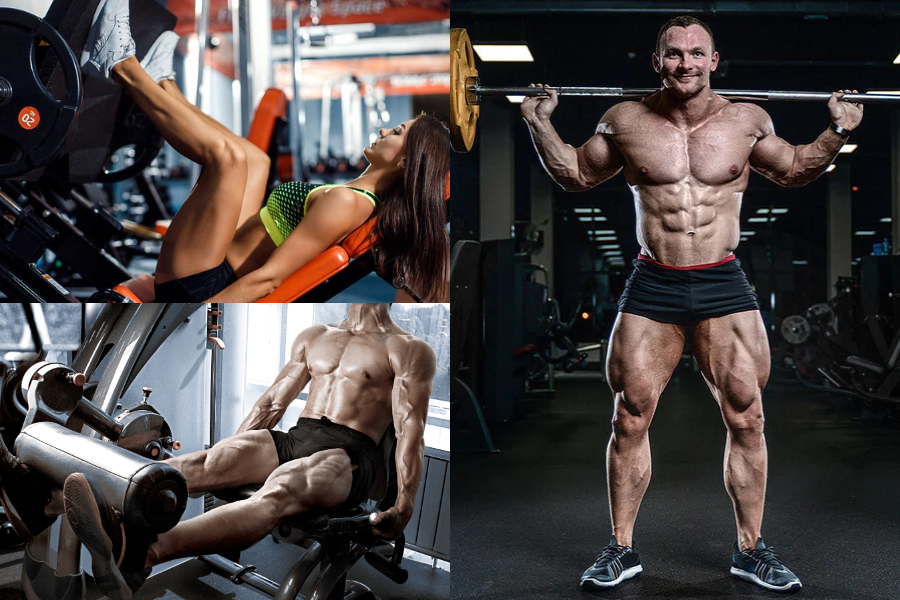
Quad isolation exercises are one of the most effective ways to sharpen muscle definition, bring up lagging quads, and improve your overall leg aesthetics. Instead of sharing the workload with your glutes and hamstrings like in squats or lunges, these movements put the spotlight almost entirely on your quadriceps so you can feel every rep where you want it most.
Below, you will learn what quad isolation work actually does, when to use it, and how to build it into your routine for stronger, more defined legs.
Understand what quad isolation exercises do
Quad isolation exercises focus on one main movement, knee extension. Your knee bends and straightens, and your quadriceps on the front of your thighs are responsible for straightening it.
In compound movements like squats, leg presses, and lunges, your quads still work hard. However, your glutes, hamstrings, and even lower back help out. Quad isolation exercises, such as leg extensions, remove most of that assistance. The result is a more targeted stimulus on your quads with less overall fatigue on the rest of your body.
This has a few key benefits. You can correct muscle imbalances between legs, push additional volume into your quads without exhausting your entire system, and really focus on feeling and contracting the muscle through every part of the range of motion.
Weigh the benefits and drawbacks
Quad isolation exercises are powerful tools, but they are not perfect for every goal on their own.
On the plus side, they let you:
- Place most of the load directly on your quads so there is less room for stronger muscles to compensate
- Add extra sets and reps after heavy compound lifts without overloading your back or hips
- Address side-to-side differences in strength or size by working one leg at a time
- Spend more time in the specific position where your quads are fully contracted, which is ideal for definition and control
There are trade-offs too. Because isolation exercises generally use lighter weights than compound lifts, they tend to contribute less to full body strength and real world performance. You might build excellent quad size and detail, but exercises like squats, deadlifts, and split squats still carry more over to activities like running, jumping, or carrying heavy loads.
You will get the best results when you treat isolation work as a complement to big compound lifts, not a complete replacement.
Start with compound lifts, then isolate
The order of your exercises makes a big difference. A common recommendation is to perform compound quad exercises first, then follow with isolation work.
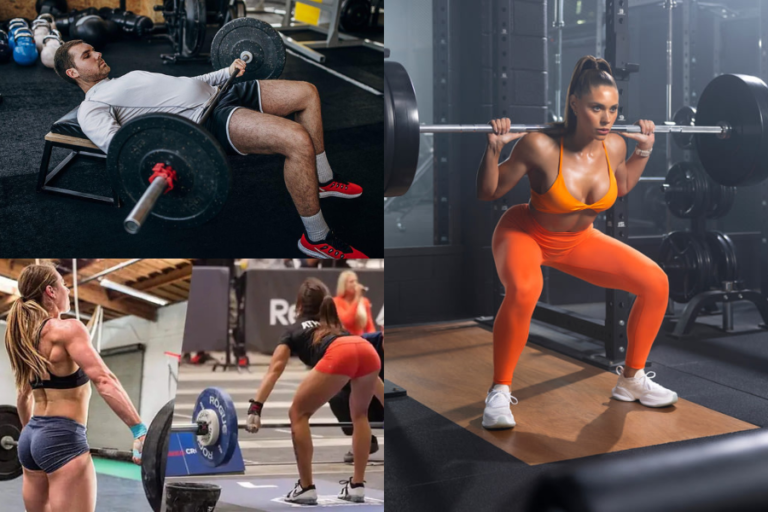
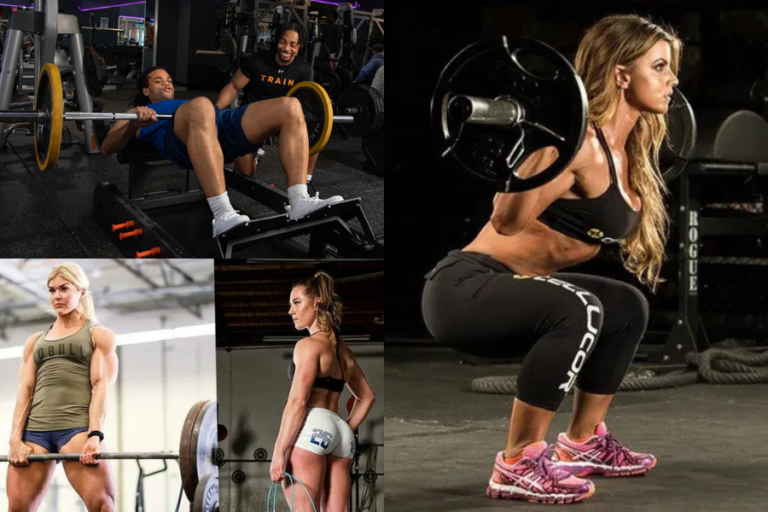
By starting with squats, leg presses, or hack squats, you challenge multiple muscle groups at once. This is where you can safely use heavier loads and push your main strength and muscle building sets. Once your quads are already working hard from those big movements, you can move into isolation exercises such as leg extensions to finish them off.
This approach increases your total quad training volume without asking your lower back or hips to do more than they can handle. You keep the hardest, heaviest work for when you are freshest, then use isolation exercises to push your quads to true fatigue with more controlled movements.
Use leg extensions as your primary isolation move
If you have access to a gym, the leg extension machine is one of the best quad isolation exercises you can use. It locks your body into position and focuses almost entirely on knee extension. Your quads do the work while the rest of your body is supported by the machine.
Leg extensions are especially useful for:
- Maximizing quad growth and definition
- Strengthening the patellar ligament and the quadriceps attachment to the knee
- Working the quads through a controlled, predictable range of motion
You can adjust the exercise to hit your quads in slightly different ways. Performing leg extensions one leg at a time helps correct imbalances and ensures each side works equally. Adding an isometric hold at the top of the movement, pausing for a second or two in the fully extended position, keeps constant tension on the muscle and can increase activation and hypertrophy.
Because leg extensions do not tax your whole body as much as squats or deadlifts, they usually require less recovery time. This means you can include them more frequently in your week without feeling completely drained.
Try quad isolation exercises without machines
You might not always have access to a leg extension machine. Fortunately, you can still perform effective quad isolation exercises using basic equipment or just your bodyweight.
Seated dumbbell leg extensions
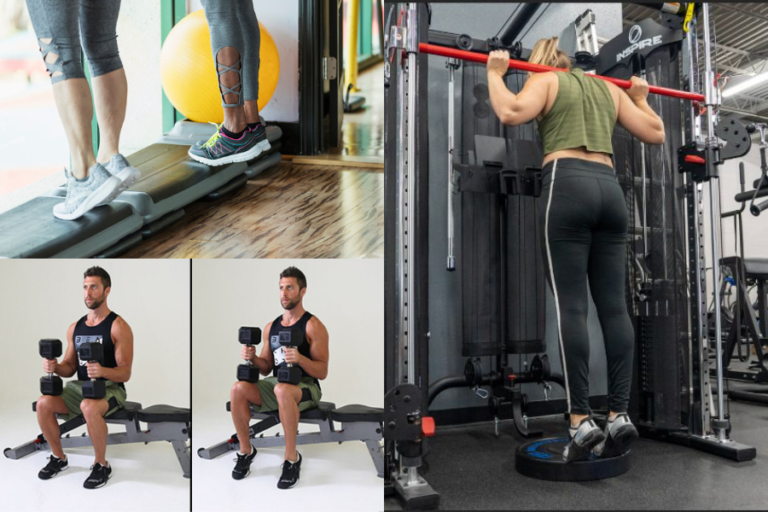
Seated dumbbell leg extensions mimic the machine version using only a bench and a dumbbell. You sit on a bench, hold a dumbbell between your feet, and extend your legs until your knees are straight. Since the movement is still pure knee extension, your quads are doing almost all the work.
This variation works well as a high rep finisher after your main leg lifts. It lets you chase a strong quad pump and build endurance and size without needing special equipment.
Banded Spanish squats
Banded Spanish squats are another way to emphasize your quads with low joint stress. You loop a resistance band behind your knees and anchor it to a solid object. By sitting back and keeping your shins vertical, the band pulls your knees forward, which increases quad engagement without heavy weights.
This can be an excellent choice if you have knee discomfort during heavy squats or leg pressing. You can still challenge your quads while using a more joint friendly level of loading.
Sissy squats and lying leg extensions
Sissy squats are a demanding bodyweight movement that heavily targets your quads. You lean your upper body back as your knees bend forward, which places a large amount of tension on the front of your thighs. They can also improve core strength and balance because you need control to keep from tipping.
If sissy squats are too challenging, lying leg extensions from a kneeling position can be more accessible. You lean backward, then explosively return to upright. The large range of motion isolates your quads and provides some mobility benefits at the same time.
Add variation with bands and isometric holds
Once you are comfortable with the basics, you can use small tweaks to make your quad isolation exercises more effective.
Banded leg extensions, where a resistance band provides tension as you straighten your knees, are one useful variation. Bands create progressive resistance, so the movement feels hardest where your quads are strongest, near full extension. This can maximize muscle activation while still being gentle on your joints.
Isometric holds at the top of leg extensions are another simple addition. By holding the fully extended position, you keep your quads under tension and improve muscular control and stability. This can be especially beneficial if you are returning from an injury or want to strengthen your knees safely.
Pair isolation work with smart programming
For noticeable quad development, you need more than a few random sets of leg extensions. How often and how you program your exercises matters.
A common recommendation is to train your quads twice per week with at least two quad exercises per session. One or two of those can be compound lifts, such as squats, leg presses, hack squats, or split squats. The remaining exercises can be isolation work like leg extensions, seated dumbbell leg extensions, or banded variations.
Aim to leave at least 48 hours of recovery between hard quad sessions. Since isolation exercises place less overall stress on your body, you can often recover from them faster than from heavy squats. That gives you some flexibility to adjust volume or frequency if your legs feel ready for more work.
Hack squats, for example, let you achieve deeper squat positions with back support. You can safely load your quads with heavier weights, then move into leg extensions afterward. Working in the range of 3 to 4 sets of 6 to 10 reps for your heavier compounds and slightly higher reps on your isolation work is a useful starting point.
Here is one way a quad focused day might look:
- Hack squats
- Split squats or lunges
- Leg extensions or seated dumbbell leg extensions
- Optional banded Spanish squats or sissy squats as a finisher
This sequence uses compounds to build overall strength, then isolation to push your quads to full fatigue and enhance definition.
Keep your legs balanced for healthy knees
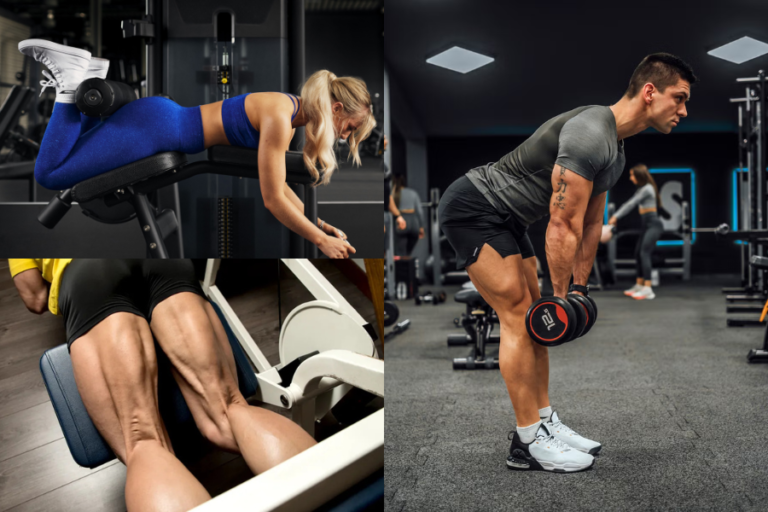
As you increase quad isolation work, it is important not to neglect your hamstrings and the rest of your posterior chain. Strong quads are great for leg aesthetics and performance, but balanced development around the knee joint helps protect you from injury and keeps your movement patterns healthy.
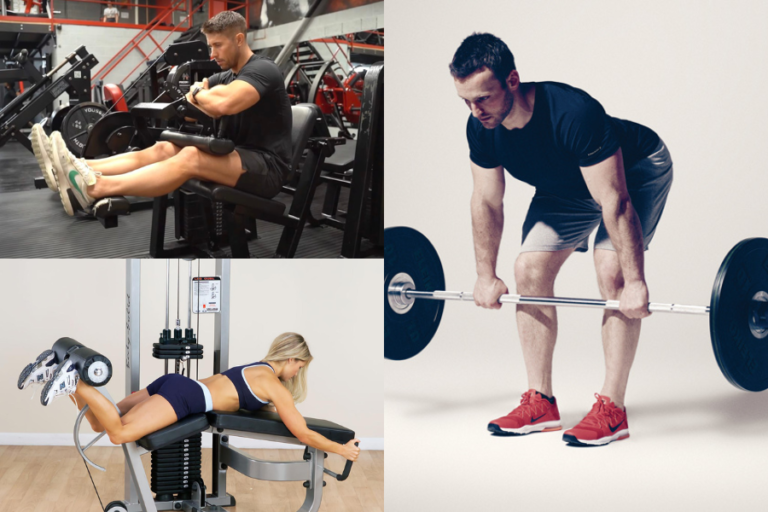
Make sure you include exercises such as Romanian deadlifts, hamstring curls, or hip thrusts in your weekly plan. When your quads and hamstrings grow together, your knees are better supported and your leg strength improves in a more sustainable way.
Put it all together
If you want better quad definition, think of isolation exercises as your precision tools. Start your workouts with heavy, multi joint movements to build total strength. Then, finish with targeted quad isolation exercises to increase volume, sharpen muscle detail, and correct any imbalances you notice.
You can begin as simply as adding 3 sets of leg extensions at the end of your next leg workout. Focus on controlled reps, full range of motion, and strong tension at the top. As that becomes easy, experiment with single leg variations, isometric holds, or banded options to keep your quads progressing week after week.
About the Author