Understand what a HIIT workout with dumbbells is
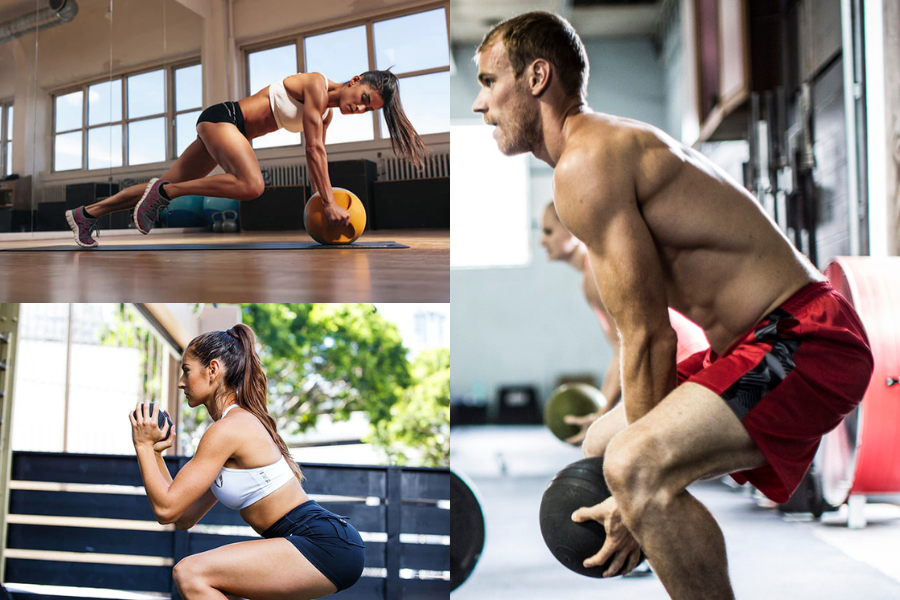
A HIIT workout with dumbbells combines high intensity intervals with resistance training. You move quickly between strength exercises like squats, lunges, rows, and presses, with short bursts of effort followed by brief rest.
This style of training gives you:
- Cardio and strength in the same session
- A full body workout with minimal equipment
- Efficient fat burning in 20 to 30 minutes
Dumbbells are especially useful in HIIT because they are:
- Versatile, you can target every major muscle group
- Scalable, you can adjust the load for your fitness level
- Accessible, you can train at home, in the gym, or while traveling
Many trainers structure a dumbbell HIIT workout as circuits. For example, 40 seconds of work followed by 20 seconds of rest, repeated 3 to 4 times for a complete session that hits your whole body. Other popular options use the Tabata protocol, 20 seconds of work followed by 10 seconds of rest for 8 rounds per exercise, which comes out to 4 minutes per move.
Learn the benefits of dumbbell HIIT
When you commit to a regular HIIT workout with dumbbells, you tap into several benefits at once.
Burn calories during and after your workout
Because you pair high intensity cardio with resistance, a 20 to 30 minute dumbbell HIIT session can burn as many calories as a longer, moderate intensity workout.
You also get the afterburn effect, also called Excess Post Exercise Oxygen Consumption (EPOC). After a challenging dumbbell HIIT session, your body keeps burning calories at an elevated rate for hours and in some cases up to a day as described in fitness resources like City Fitness in 2025. The added resistance from dumbbells increases this effect by making your muscles work harder.
Build lean muscle and strength
Dumbbells turn HIIT from simple cardio into strength plus cardio. Moves like:
- Goblet squats
- Lunges with biceps curls
- Dumbbell thrusters
- Renegade rows
challenge your muscles enough to build strength and lean mass over time. This extra muscle supports a higher resting metabolic rate, which helps your body burn more calories even when you are not training.
Improve endurance and cardiovascular health
High intensity intervals elevate your heart rate quickly. Pairing them with dumbbells keeps your heart working while your muscles fight against resistance. Over time this improves:
- Cardiovascular endurance
- Stamina for daily activities
- Ability to handle other types of workouts
Trainers and gyms highlight dumbbell HIIT as a way to build both muscular and aerobic endurance in a short window.
Boost coordination, balance, and joint stability
Properly used dumbbells force your stabilizing muscles to engage. Exercises like:
- Single arm rows
- One arm dumbbell swings
- Renegade rows
require you to resist rotation, stay balanced, and move with control. This builds joint stability and coordination, which helps you move more confidently in and out of the gym.
Support mental health and motivation
Regular HIIT workouts with dumbbells have been associated with:
- Better mood and reduced anxiety
- Increased motivation to stay active
- A sense of accomplishment from finishing short, intense sessions
Fitness blogs such as City Fitness in 2025 note that this style of training can be especially motivating for busy people because results come from relatively short workouts.
Choose the right dumbbells for HIIT
Before you jump into your first circuit, you need weights that fit your body and your goals.
Pick a weight that matches your fitness level
For HIIT, your dumbbells should be:
- Light enough to maintain good form
- Heavy enough that the last few reps in a work interval feel challenging
If you feel your form falling apart or you cannot keep a steady pace, your weights are too heavy. If you breeze through every interval without fatigue, they are likely too light.
A helpful rule of thumb:
You should complete the full interval with solid form, but the last 5 to 10 seconds should feel tough.
Consider selectorized dumbbells
Selectorized dumbbells, which adjust using a simple dial or pin, are ideal for HIIT because they let you:
- Change weight quickly between intervals
- Switch from light weights for shoulder moves to heavier loads for squats
- Keep your heart rate up without long breaks to find new dumbbells
This smooth transition supports the high intensity nature of HIIT and helps you stay in the training zone.
Use household items if you do not have dumbbells
No dumbbells at home yet You can still try a HIIT style workout using:
- Large water bottles
- Heavy books
- Canned goods
- Paint tins
- A backpack or rucksack filled with items
These substitutes keep your workout challenging until you are ready to invest in actual weights.
Set up your workout schedule
Structure matters when you start a HIIT workout with dumbbells. It helps you avoid burnout and get results safely.
How often to do dumbbell HIIT
Guidelines from trainers suggest:
- Beginners, 1 to 2 HIIT sessions per week
- Most people, 2 to 3 sessions per week
- Advanced lifters, up to 3 to 4 sessions per week (with careful attention to recovery)
Aim for at least 48 hours between intense dumbbell HIIT days. This gap allows your muscles and nervous system to recover and helps limit overexposure to cortisol, the stress hormone.
Balance HIIT with low intensity cardio
On your non HIIT days, you can add gentle movement like:
- Brisk walking
- Easy cycling
- Moderate jogging
This low intensity cardio supports cardiovascular health and helps you stay active without overtaxing your body.
Warm up and cool down safely
Because HIIT is intense, a smart warm up and cool down are non negotiable. They protect you from injury and help your body adapt.
Warm up before every session
A proper warm up should:
- Raise your body temperature
- Lubricate your joints
- Activate the muscles you will use with dumbbells
Spend 5 to 10 minutes on:
- Light cardio such as marching in place, walking, or easy cycling
- Dynamic stretches such as leg swings, arm circles, and hip circles
- Bodyweight versions of your workout moves such as air squats or lunges
This preparation lowers your risk of strains once the intensity climbs.
Cool down after every workout
When you finish your intervals, take 5 to 10 minutes to:
- Walk or march in place to gradually lower your heart rate
- Stretch the muscles you just trained (quads, hamstrings, glutes, chest, back, shoulders)
Cooling down helps:
- Reduce dizziness
- Aid circulation and recovery
- Ease muscle stiffness later in the day
Learn and protect your form
Good form is your best safety tool in a HIIT workout with dumbbells. It keeps the focus on the right muscles and reduces stress on your joints.
General form tips for dumbbell HIIT
- Keep your core gently braced as if you are preparing for a light tap on the stomach
- Maintain a neutral spine, no excessive rounding or arching
- Move through a full, controlled range of motion
- Avoid using momentum to swing the weights unless a move specifically calls for it, such as a controlled swing
- Breathe steadily, exhale on the effort part of the movement
If your form breaks down, shorten the interval, reduce the weight, or slow your pace. Quality is more important than quantity.
Start lighter than you think
When you first try these workouts, use lighter weights than you expect to need. This lets you:
- Learn the movement patterns
- Build joint stability
- Understand how your body responds to high intensity
You can always move up in weight once you feel confident.
Stay hydrated and listen to your body
Hydration and recovery are easy to overlook, but they are key to long term progress.
Hydrate before, during, and after
Going into an intense dumbbell HIIT workout while dehydrated can lead to:
- Fatigue
- Dizziness
- Reduced coordination
All of these increase your risk of injury. Aim to:
- Drink water throughout the day
- Sip water between circuits or intervals
- Rehydrate after training, especially if you sweat heavily
Respect rest and recovery
High intensity work stresses your muscles and your nervous system. To avoid overexertion issues like muscle strains or, in extreme cases, conditions such as rhabdomyolysis, you need:
- Regular rest days
- Enough sleep at night
- Lighter activity on off days
Pay attention to warning signs like unusual pain, persistent soreness, or heavy fatigue. If something feels off, shorten your workout or rest completely.
Try a sample full body dumbbell HIIT workout
Use this simple structure to experience a full body hiit workout with dumbbells. Adjust the weights to your level.
Structure
- Work for 40 seconds
- Rest for 20 seconds
- Complete all exercises in order to form one circuit
- Rest 1 to 2 minutes between circuits
- Repeat the circuit 3 to 4 times
Total time will be around 20 to 25 minutes, not including warm up and cool down.
Exercises
- Dumbbell squat to press (thruster)
- Targets: Legs, glutes, shoulders, core
- How: Hold dumbbells at shoulder height, feet about hip width. Squat down, then drive through your heels to stand and press the dumbbells overhead.
- Renegade row
- Targets: Back, shoulders, arms, core
- How: Start in a high plank with a dumbbell in each hand. Keeping hips as stable as possible, row one dumbbell toward your ribcage, lower it, then row the other side. You can widen your feet or drop to knees to make it easier.
- Reverse lunge with biceps curl
- Targets: Glutes, hamstrings, quads, biceps
- How: Stand tall with dumbbells at your sides. Step one leg back into a reverse lunge. As you lower into the lunge, curl the dumbbells toward your shoulders. Step forward to return and repeat with the other leg.
- Dumbbell deadlift to upright row
- Targets: Hamstrings, glutes, upper back, shoulders
- How: Stand with dumbbells in front of your thighs. Hinge at the hips with a flat back, lower the weights down your legs, then stand and immediately pull the dumbbells up toward your chest, elbows higher than wrists.
- Russian twist with dumbbell
- Targets: Core, obliques
- How: Sit on the floor, lean back slightly and hold one dumbbell with both hands. Keep your chest open and rotate from side to side, tapping the dumbbell near your hip each time. You can keep feet on the floor or lift them for more challenge.
- Burpee with dumbbells (optional)
- Targets: Full body, cardio focus
- How: Hold light dumbbells at your sides. Squat down, place the dumbbells on the floor, jump or step your feet back into a plank, then jump or step forward and stand up. You can add an overhead press at the top if your weights are manageable.
If you prefer a shorter but more intense option, you can use a Tabata style approach recommended by trainers like Phil Sims. For example, choose 1 exercise, perform it for 20 seconds, rest 10 seconds, repeat for 8 rounds. That is 4 minutes per move. Goblet squats, single arm dumbbell rows, one arm swings, and renegade rows work well in this format and hit many major muscle groups as described in 2025 coaching content.
Keep your HIIT workouts fun
Sticking with HIIT is easier when your workouts feel enjoyable rather than like punishment. A few ideas to keep things fun:
- Rotate exercises every 2 to 3 weeks to keep your routine fresh
- Create themed circuits, such as lower body focus one day and upper body and core the next
- Track small wins such as one more rep per interval or slightly heavier weights
- Train with a friend or join a class that offers dumbbell HIIT options so you have social accountability
City based gyms and studios frequently design dumbbell HIIT workouts that fit into 20 to 30 minutes, some as short as 19 minutes, while still hitting all major muscle groups. This format is perfect if your schedule is busy and you prefer variety.
Know when to progress
As you get stronger and fitter, you will want to increase the challenge of your hiit workout with dumbbells. Use these cues to guide your progress:
You might be ready to progress if:
- Your last few reps no longer feel difficult
- You recover fully before the interval ends
- Your soreness after workouts has noticeably decreased
To progress safely, you can:
- Add a small amount of weight to one or two exercises
- Add one extra circuit to your session
- Shorten rest slightly while keeping form solid
Change only one variable at a time so your body can adapt.
Key takeaways
- A HIIT workout with dumbbells combines strength and cardio for efficient, full body training.
- Dumbbells make HIIT more versatile, scalable, and effective for burning fat and building muscle.
- Warming up, cooling down, staying hydrated, and resting between sessions are essential for safety.
- Most people do best with 2 to 3 dumbbell HIIT workouts per week, with at least 48 hours between intense sessions.
- You can start with light weights or household items, then progress to heavier dumbbells or selectorized sets as you get stronger.
Begin with one simple circuit from this guide, focus on good form, and let your confidence build step by step. Over time, you will have a fun, time efficient HIIT routine that fits your life and supports your long term health.
About the Author