Understand how HIIT burns fat
If you are looking for a hiit workout for fat loss, you probably want results without living at the gym. High intensity interval training, or HIIT, helps you do exactly that by alternating short bursts of hard effort with brief recovery periods.
During those intense bursts your heart rate climbs to a high percentage of your maximum. According to the American College of Sports Medicine, HIIT typically means working between 80 and 95 percent of your max heart rate, which allows you to burn more calories in less time and can be scaled to different fitness levels as of 2024. After the workout your body keeps using extra oxygen to recover, a process called excess post exercise oxygen consumption (EPOC). This afterburn effect can keep your metabolism elevated for hours and supports ongoing fat loss.
The key is that HIIT is intense but short. You are not grinding through a long, steady jog. You are pushing hard for a brief window, then backing off so you can repeat the effort with good form.
Why HIIT is so time efficient
Research from PureGym notes that a 20 minute HIIT workout can burn a similar number of calories as a 40 or 60 minute cardio session, while also maintaining muscle mass and triggering EPOC for up to 24 hours afterward. This is one of the main reasons HIIT has been a top fitness trend since 2014 and remains popular in 2024.
You get:
- Higher calorie burn per minute
- Better preservation of muscle compared to endless steady cardio
- A workout that fits into a busy schedule
For many people, this combination makes it easier to stay consistent, which matters more for fat loss than any single workout.
Find your ideal HIIT frequency
More is not always better with HIIT. Because the intensity is high, your body needs time to recover and adapt between sessions. This is when the real fat loss and fitness improvements happen.
Research led by Associate Professor Jinger Gottschall at Pennsylvania State University suggests that an optimal weekly dose is around 30 to 40 minutes of work above 90 percent of your maximum heart rate. That volume produced strong performance gains while allowing people to recover and avoid overreaching.
How often you should do HIIT
For most people aiming for fat loss:
- Aim for 2 to 3 HIIT workouts per week
- Keep total time at very high intensity to 30 to 40 minutes per week
- Separate HIIT days with at least one full day of lighter training or rest
This matches broader guidance that suggests 2 to 3 HIIT workouts weekly to avoid excessive cortisol release, which can actually promote weight gain if you never recover.
If each HIIT session includes 10 to 15 minutes of truly hard work, you will land in the recommended weekly range without overdoing it.
Decide if you are ready for HIIT
HIIT is effective, but it is not a starting point if you are completely new to exercise.
Research summarized in 2024 recommends introducing HIIT only after at least six months of consistent cardio and resistance training. Once you have that base, you can replace one regular cardio session with one or two shorter HIIT workouts, separated by at least two sleep cycles for optimal fat loss and recovery.
If you are a beginner, or if you are coming back from a long break, start here instead:
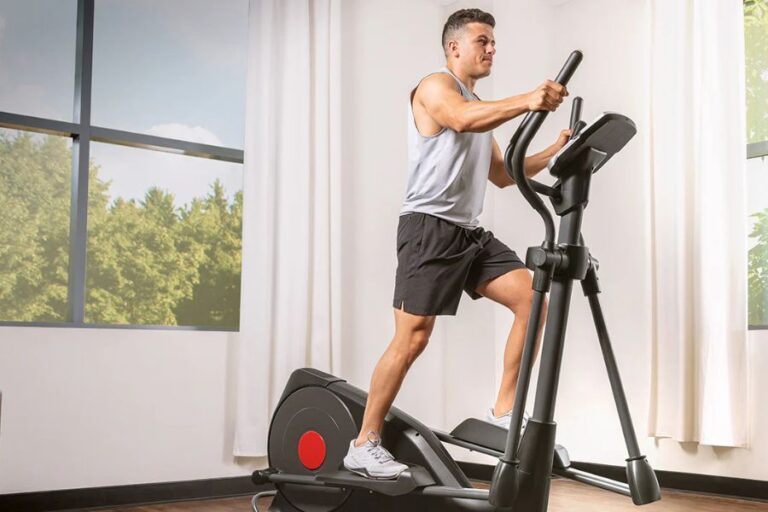
- Walk, cycle, or use an elliptical 3 to 4 times per week at a moderate pace
- Add 2 days of basic strength training using bodyweight or light weights
- Gradually build up to 30 minutes of continuous movement without feeling wiped out
After a few months of steady progress you can begin to layer in HIIT, starting with moderate intervals rather than all out sprints.
Use heart rate to train smarter
To get the most out of any hiit workout for fat loss, you need to work hard enough during the intervals. Guessing by how you feel is a start, but a heart rate monitor can make your training more precise.
Many HIIT studies define true high intensity as working at or above 90 percent of your maximum heart rate. The Gottschall research recommends capping your time above this level at around 30 to 40 minutes per week for maximum results with minimal risk.
Simple way to estimate your max heart rate
A common formula is:
Estimated max heart rate = 220 minus your age
This is not perfect, but it gives you a useful starting point. For example, if you are 35:
- 220 minus 35 = 185 beats per minute estimated max
- 90 percent of that is about 167 beats per minute
During your hardest intervals you might aim to get your heart rate close to this number, while your recovery periods bring it back down.
Why a heart rate monitor helps
Using a monitor such as a wrist device or chest strap, like the Polar A370 paired with an H10 chest strap, lets you:
- See when you are actually in a high intensity zone
- Avoid going too hard and exceeding the recommended volume
- Track progress over time as your heart rate response improves
This helps you stay within that effective 30 to 40 minute weekly window above 90 percent of max heart rate.
Combine HIIT with other training for better fat loss
HIIT is powerful, but it works best as part of a balanced plan, not your only form of exercise.
Research shows that combining:
- Moderate intensity cardio
- HIIT
- Strength training
- Core work
gives you broader benefits than HIIT alone. You train different energy systems, recruit a wider range of muscle fibers, and support overall health along with fat loss.
In one 8 week study of untrained college students, researchers found that two HIIT protocols and steady state training all produced similar improvements in aerobic fitness and power, with VO2max increasing by roughly 18 percent across all groups. There were no significant differences in performance gains between protocols, which challenges the idea that HIIT is always superior in every context.
The takeaway for you is that steady cardio still has value, especially if you enjoy it. You can use HIIT as a time efficient tool on top of a solid base of other movement.
A simple weekly structure
If you are cleared for vigorous exercise and already active, a balanced fat loss week might look like:
- 2 HIIT workouts
- 2 strength training sessions
- 1 to 2 moderate intensity cardio sessions or active recovery days
You can combine some of these. For example, a strength session followed by a short interval finisher, as long as you respect the 30 to 40 minute weekly cap at very high intensity.
Follow beginner friendly HIIT guidelines
You do not have to jump straight into brutal protocols like Tabata. In fact, research comparing strict Tabata style HIIT, a more moderate interval protocol, and steady state cardio found that while all three improved fitness, the Tabata protocol was rated significantly less enjoyable and left participants more distressed with longer recovery times. Enjoyment decreased for all groups over eight weeks but dropped the most for the highest intensity intervals, which can hurt long term adherence.
For beginners, 2024 guidance recommends starting with longer intervals at slightly lower intensity, such as:
- 1 to 3 minute work intervals at around 80 percent effort
- Up to 5 minutes of low intensity recovery between efforts
This approach is safer and more sustainable than short, all out sprints when you are still learning how your body responds.
Try this 20 minute HIIT workout for fat loss
Here is a straightforward hiit workout for fat loss you can do with minimal equipment. It uses work periods around 80 to 90 percent effort and longer recoveries so you can maintain good form.
Always check with your healthcare provider before starting high intensity exercise, especially if you have health conditions or have been inactive.
Warm up: 5 minutes
Spend about 5 minutes easing your body into movement:
- 2 minutes of easy walking or light cycling
- 1 minute of arm circles, leg swings, and gentle torso twists
- 2 minutes gradually increasing pace to a brisk walk or easy jog
You should feel warm but not tired.
Main intervals: 12 minutes
Complete 4 rounds of the sequence below. Choose your cardio option: brisk uphill walk, jog, cycling, rowing, or a low impact move such as fast step ups.
- High intensity (1 minute)
- Work at about 80 to 90 percent of your maximum effort
- You should be breathing hard and able to speak only a few words at a time
- Active recovery (2 minutes)
- Slow to an easy pace at 40 to 50 percent effort
- Focus on steady breathing and relaxing your shoulders and jaw
Repeat this 1 minute hard, 2 minutes easy pattern four times for a total of 12 minutes.
This structure lines up with beginner friendly guidance, which suggests 1 to 3 minute intervals at around 80 percent effort with longer recoveries to support safe, consistent fat loss.
Cool down: 3 minutes
Finish with:
- 2 minutes of very easy walking or pedaling
- 1 minute of gentle stretching for calves, quads, and hips
You should leave the session feeling challenged but not destroyed.
If you track your heart rate, notice how high it climbs during the work intervals and how quickly it drops during recovery. As your fitness improves you can adjust either intensity or interval length, but keep the overall session length reasonable.
Progress your HIIT safely over time
Once this basic workout feels manageable, you can make small changes to keep progressing without exceeding healthy HIIT volume.
Here are a few options:
- Increase the work interval to 75 seconds while keeping recovery at 2 minutes
- Shorten recovery to 90 seconds while keeping the 1 minute work period
- Add one extra round, turning the 12 minute interval block into 15 minutes
Continue to keep total hard work across the week within the recommended range of 30 to 40 minutes above 90 percent max heart rate. If you raise the difficulty of one session, keep your other HIIT days easier or shorter.
Pay attention to signs that you might be doing too much, such as:
- Persistent fatigue or poor sleep
- Unusual joint pain or recurring aches
- Irritability, low mood, or a drop in motivation
Research notes that excessive HIIT without adequate rest can lead to long term increases in cortisol, fatigue, and overreaching symptoms, which blunt progress instead of speeding it up.
Pair HIIT with smart habits for fat loss
No hiit workout for fat loss can override a consistently high calorie intake. HIIT makes your exercise more efficient, but you still need a basic calorie deficit to lose body fat.
A few guidelines to support your training:
- Aim for mostly whole foods, such as lean proteins, vegetables, fruits, whole grains, and healthy fats
- Include strength training at least twice per week to preserve or build muscle and keep your metabolism healthier
- Prioritize sleep, since poor sleep can increase hunger hormones and reduce your ability to recover between HIIT sessions
- Watch your stress levels and give yourself true rest days, not just lighter workouts
Research also reminds us that spot reduction is not possible. You cannot force your body to lose fat from one specific area like the belly. Genetics largely determine where you lose fat first, so patience and consistency matter more than any particular move or gadget.
Make HIIT work for your lifestyle
The best hiit workout for fat loss is one you can repeat regularly without dreading it. HIIT is highly customizable and can be as short as 5 to 30 minutes using only your bodyweight, dumbbells, or simple cardio equipment, which makes it accessible even on busy days.
To recap the main points:
- HIIT alternates short high effort bursts with recovery to burn more calories in less time and boost afterburn
- About 30 to 40 minutes per week above 90 percent of your max heart rate seems ideal for performance and recovery
- Beginners should build a cardio and strength base, then start with longer, moderate intensity intervals
- Combining HIIT with steady cardio and strength training gives you broader fitness and fat loss benefits
- Two to three HIIT sessions per week, plus strength and recovery, is usually enough for strong results
Start with the 20 minute session above, notice how you feel, and adjust gradually. Over a few weeks you will likely find that your fitness, confidence, and energy improve along with your fat loss results.
About the Author