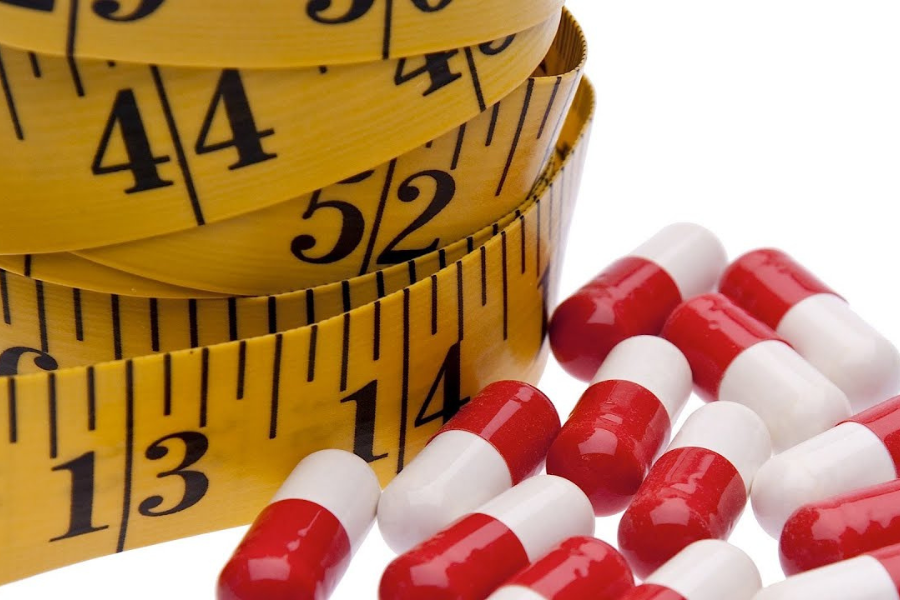
A walk down the supplement aisle or a quick search online shows just how popular the best weight loss supplements have become. You see powders, capsules, teas, gummies, and pills all promising fast results. With so many options, it is hard to know what actually works, what is safe for your body, and what is mostly marketing.
This guide helps you sort through the noise so you can choose weight loss supplements in an informed, realistic way. You will learn how these products work, what the research actually shows, and how to match any supplement to your own health needs instead of someone else’s before-and-after photo.
Understand what weight loss supplements can and cannot do
Before you look at specific products, it helps to set clear expectations.
Weight loss supplements are meant to support lifestyle changes, not replace them. Most work in one or more of these ways:
- Slightly increasing the number of calories you burn
- Helping you feel fuller so you eat less
- Changing how much fat or carbs your body absorbs
- Improving related health issues like insulin resistance
However, when researchers look at supplements carefully, the effects are usually modest. A large 2021 review of 1,743 clinical studies and another review of 121 randomized trials found there was not enough high quality evidence to prove that common weight loss supplements lead to long term, clinically significant weight loss for most people (AARP).
That does not mean every supplement is useless. It does mean you should think of them as one tool in a larger plan that still depends heavily on your eating habits, movement, sleep, stress levels, and any prescription medications your provider recommends.
Know the main categories of supplements
When you understand how different types of supplements work, it becomes easier to compare products and avoid buying three versions of the same thing.
Protein supplements
Protein powders and ready to drink shakes are some of the most evidence backed options. Higher protein diets, in the range of about 25 to 30 percent of calories from protein, help promote weight loss by increasing fullness, supporting metabolism, and preserving muscle while you lose fat (Forbes).
For weight loss, the National Academy of Sports Medicine suggests around 0.73 to 1 gram of protein per pound of body weight per day, especially if you are active or trying to maintain muscle mass (Forbes). Protein supplements can help you reach that target when you do not get enough from food alone.
Soluble fiber supplements
Soluble fiber, such as psyllium, absorbs water and forms a gel in your gut. This slows digestion, helps you feel fuller for longer, and can soften blood sugar spikes.
A 2017 review found that people with overweight or obesity who used soluble fiber supplements for 2 to 17 weeks lost an average of about 5.5 pounds and saw a modest drop in BMI (Forbes). These are not dramatic numbers, but they are meaningful when combined with diet and activity changes.
Probiotics and synbiotics
Your gut bacteria play a role in how you store fat and regulate blood sugar. Certain probiotic strains, such as Bifidobacterium and Lactobacillus, may help with modest weight loss and weight gain prevention by supporting a healthier gut microbiome.
A 2018 review of 15 trials found that probiotics and synbiotics (a mix of probiotics and prebiotics) helped people with overweight and obesity reduce body weight and body fat, and potentially improve blood sugar control (AARP). More recent summaries point in a similar direction, noting that specific strains seem most helpful (Forbes).
If you have a weakened immune system, you should check with your doctor first, since probiotics can pose risks in that setting (AARP).
Plant compounds and “fat burners”
This group includes ingredients like green tea extract, caffeine, Garcinia cambogia, African mango, and berberine. These are often bundled together in products that promise energy, appetite suppression, or “fat burning.”
- Caffeine and related herbs: Caffeine and herbs like guarana, kola nut, and yerba maté can increase energy expenditure and fat oxidation. Some trials show small amounts of weight loss when caffeine is combined with other ingredients, and long term observational studies suggest people who consume more caffeine tend to gain slightly less weight over time (Office of Dietary Supplements).
- African mango: In a 10 week study, adults who took African mango seed extract lost more weight and inches around their waist than those on placebo, but the research is still limited and needs to be confirmed in larger, independent trials (Office of Dietary Supplements).
- Berberine: Often used for blood sugar support, berberine has shown promise for weight and cholesterol reductions after about eight weeks of supplementation in a 2022 review of 41 trials (AARP). Another summary notes that doses of at least 1 gram per day for over eight weeks have been associated with decreases in weight and BMI, particularly in people with metabolic issues (Forbes).
Many branded “natural fat burners” build their formulas around these ingredients. For example, some products combine berberine with yerba maté, psyllium husk, and other herbs to support appetite and digestion, while others pair acetyl L carnitine with green tea extract to boost energy and fat burning (Amazon). The potential is there, but the quality of the evidence and the doses used can vary widely from brand to brand.
Fiber binders and “fat blockers”
Chitosan is a fiber derived from shellfish exoskeletons that is often sold as a “fat blocker.” A Cochrane review found that it led to about 1.7 kg more weight loss than placebo over 4 weeks to 6 months, but the trials were generally small and of poor quality (Office of Dietary Supplements). Another well designed study saw an average loss of six pounds with chitosan, although some other trials found no benefit (AARP).
In other words, chitosan might help a little, but it is not a magic shield against dietary fat.
Learn from what does not work as well as what does
Knowing where the evidence is weak helps you set boundaries and skip products that over promise.
A key lesson from large reviews is that many weight loss supplements show tiny differences compared with placebo, and often the studies are small or poorly designed (AARP). When you see big marketing claims, it is worth asking:
- Is the effect size actually large enough to matter in real life?
- Was the study done on humans, or mostly in animals or test tubes?
- Did the trial last long enough to say anything about keeping weight off?
Supplements are also a big business. Around 15 percent of U.S. adults have used weight loss dietary supplements, and Americans spend about 2.1 billion dollars each year on these pills alone (Office of Dietary Supplements). It makes sense to be cautious and protect your wallet as well as your health.
Compare supplements to prescription options
If you have a significant amount of weight to lose or health conditions such as diabetes, you may be considering both over-the-counter supplements and prescription medications. Understanding the difference helps you choose the safest path.
GLP 1 medications and other prescription pills
Medications like semaglutide (Wegovy) and tirzepatide are prescribed for people who meet certain BMI or health criteria, and they are not the same as “GLP 1 support” supplements. These drugs mimic or enhance gut hormones that control appetite and blood sugar.
- Wegovy pills, a GLP 1 receptor agonist, helped adults lose about 14 percent of their starting body weight on average over 15 months, and closer to 17 percent among those who completed the study when combined with diet and exercise (GoodRx).
- Other oral medications, such as Contrave, Qsymia, phentermine, and orlistat, have varying levels of effectiveness and side effects. For example, Qsymia helped about 70 percent of adults lose at least 5 percent of their body weight after a year, while orlistat helped over half of adults lose at least 5 percent, but each has its own risks and restrictions (GoodRx).
GLP 1 agonists are widely regarded as very effective for weight loss (SIU Medicine), but nearly half of people who use them experience digestive side effects such as nausea, vomiting, reflux, bloating, stomach cramps, diarrhea, and constipation (SIU Medicine). One analysis also found that about 68 percent of people stopped taking semaglutide or liraglutide within a year, often due to side effects like nausea and upset stomach (Obesity Medicine Association).
If you are weighing prescriptions against over the counter supplements, your decision should always involve your clinician. They can help you understand which option matches your medical history, mental health, and lifestyle.
Quick checkpoint: If a supplement sounds like a prescription drug you see on TV, double check the label. “GLP 1 support” supplements, for example, are not the same as actual GLP 1 agonist medications, and they do not have the same level of proof or regulation.
Match supplements to your body and goals
Once you have a sense of what is available, you can narrow your options to what suits you personally rather than what is trending.
Clarify your main goal
Ask yourself what you are truly hoping to change:
- Do you want better appetite control during the day?
- Are you trying to preserve muscle while losing fat?
- Do you struggle with evening snacking or cravings?
- Do you have blood sugar or cholesterol issues that you want to improve alongside weight?
If your main concern is hunger and snacking, a combination of higher protein and soluble fiber, with or without caffeine, may be more helpful than a product that focuses on metabolism.
If your priority is preserving muscle while you lose weight, protein and resistance training matter more than most “fat burners.”
Consider your health status
Your medical history should filter your options:
- If you have heart disease, high blood pressure, or anxiety, be very careful with high stimulant products that rely heavily on caffeine or bitter orange, since bitter orange can raise heart rate and blood pressure and its impact on weight is not consistently positive (Office of Dietary Supplements).
- If you are immunocompromised, or you have serious chronic illness, talk with your provider before using probiotics or intense detox style formulas (AARP).
- If you have diabetes or metabolic syndrome, berberine or fiber supplements might be worth asking your clinician about, since they touch both weight and blood sugar (AARP).
Magnesium is a good example of how your health background matters. A 2020 review found that magnesium supplements did not make most adults lose weight, but they did support weight loss in people with magnesium deficiency, diabetes, obesity, or high blood pressure (AARP). Without a deficiency, it will not act as a weight loss pill.
Look at the full formula, not just the front label
Many products are blends rather than single ingredients, so you want to read the Supplement Facts panel.
Pay attention to:
- Exact doses of each main ingredient, not just the list of plant names
- The presence of stimulants from multiple sources, for example caffeine plus guarana plus green tea
- Proprietary blends that hide individual doses, which makes it harder to compare with research studies
If a product contains a long list of herbs plus fiber plus caffeine plus vitamins, it becomes nearly impossible to know which component is helping or causing side effects.
Evaluate safety, quality, and side effects
Since supplements are not regulated as tightly as prescription drugs, quality and safety can vary.
Here are steps you can take to protect yourself:
-
Look for third party testing
Certifications from independent organizations can offer some reassurance that the product contains what it says it does and is screened for contaminants. -
Check for realistic dosing
Compare the amount of an ingredient in the supplement to what was used in studies. If research used 1,000 mg of berberine per day and your capsule has 50 mg, the effect is unlikely to match (Forbes). -
Watch for common side effects
Digestive upset is one of the most frequent complaints, especially with fiber, sugar alcohols, berberine, and stimulant products. If you have a sensitive stomach, start with a lower dose and take new supplements with food unless directed otherwise. -
Review all medications and supplements together
Bring a list of everything you take to your next medical appointment. This helps your provider catch potential interactions, such as a supplement that might affect blood pressure or blood sugar on top of your prescriptions.
Put supplements in a realistic plan
Even the best weight loss supplements work best alongside simple, sustainable habits. You will get more value from your money and effort if you pair any product with:
- A pattern of eating that emphasizes whole foods, plenty of vegetables, lean protein, and high fiber carbohydrates
- Regular movement that includes both walking or cardio and some strength training
- Solid sleep, since poor sleep strongly influences appetite hormones and cravings
- Stress management, because chronic stress can drive emotional eating, especially in the evening
If you are on a prescription weight loss medication like a GLP 1 agonist, you will also benefit from side effect management strategies such as eating smaller, more frequent meals, limiting high fat, greasy, spicy, and sugary foods, and staying well hydrated (SIU Medicine). High quality protein drinks can be useful in this situation to help you meet your nutritional needs when your appetite is low (SIU Medicine).
A simple way to start is to choose one area to support with a supplement, for example hitting your protein target or getting more soluble fiber, and give it a few months alongside everyday lifestyle changes. You can always adjust from there as you learn what your body responds to best.
By taking this step by step approach, you move away from “magic pill” thinking and toward a plan that respects both the science and your own experience, which is the most reliable way to find what truly feels like the best weight loss supplement strategy for your body.
About the Author