Why a strength focused ab workout matters
If you are searching for an ab workout for men, you probably want more than a visible six pack. A strength focused core routine helps you lift heavier, run faster, and move comfortably in daily life. Your abs are part of a larger core system that includes your obliques, lower back, hips, and glutes. When that system is strong, everything you do feels more stable.
Core exercises, including abdominal work, strengthen the muscles in your midsection and around your pelvis so activities like walking, lifting groceries, or playing sports feel easier and safer. A strong core also improves posture and reduces your risk of low back pain, according to research on core and Pilates training in men reported in Isokinetics and Exercise Science.
In this guide, you will build a practical ab workout for men that focuses on strength, not endless crunches, and you will see how nutrition and full body training fit into the picture.
Understand how core strength really works
Before you jump into sets and reps, it helps to know what you are actually training. Your ab workout for men should not be limited to the visible six pack muscles.
Key muscles in your core
Your core includes:
- Rectus abdominis, the classic six pack on the front of your torso
- Obliques, muscles along the sides of your waist that control rotation and side bending
- Transverse abdominis, a deep corset like muscle that stabilizes your spine
- Spinal erectors and quadratus lumborum, muscles along your lower back and sides that support posture
- Glutes and hip muscles, which help stabilize your pelvis during lifting, walking, and running
Trainers like Ebenezer Samuel and Lucas Dunham point out that a balanced core workout must hit more than just abs if you want full body stability and better performance in lifts like squats and deadlifts.
Why crunches are not enough
Crunches can activate your abs, and a 2026 American Council of Exercise report even found that crunches created more overall ab activation than some popular gadgets like the ab roller and ab lounge. But crunches alone have limits:
- They mainly hit the front of your abs
- They add flexion to your spine, which may bother some lower backs
- They do not teach the kind of full body bracing you need for heavy lifts
You will get more from exercises that make your entire core resist movement, such as planks, carries, and bird dogs. These build real world strength, not just a burn in your upper abs.
Build a solid strength focused core routine
The most effective ab workout for men combines stability, anti rotation, and controlled movement. Below is a simple structure you can use two to three times per week.
Core exercise menu
You can think in categories instead of dozens of random moves.
- Anti extension (resisting arching your lower back)
- Anti rotation and lateral stability (resisting twisting or side bending)
- Dynamic flexion and hip control (moving with control while your spine stays safe)
- Posterior chain and low back (balanced strength behind your spine)
Here are research backed exercises that fit each category.
| Category | Exercise example | Key benefit |
|---|---|---|
| Anti extension | High tension plank | Teaches full body bracing and core stiffness |
| Anti rotation and lateral work | Side plank, bird dog | Trains obliques and deep stabilizers for spinal health |
| Dynamic flexion and hip control | Dead bug, lying leg drop | Builds coordination and lower ab strength |
| Posterior chain and low back | Superman | Strengthens spinal erectors and lower back support |
You will see how to put these together next.
Try this beginner friendly strength core workout
If you are newer to structured core work, start with a simple circuit. Perform each exercise in order, rest 60 to 90 seconds, then repeat for 2 to 3 rounds.
1. Bird dog
The bird dog is a low impact ab exercise for men that targets your core stabilizers.
How to do it
- Kneel on all fours with your hands under shoulders and knees under hips.
- Brace your abs and keep your back flat.
- Extend your right arm straight ahead and your left leg straight behind you.
- Hold for about 5 seconds, keeping your hips level.
- Return to the start and switch sides.
Sets and reps
- 3 sets of 5 controlled reps per side
Make it easier
- Reduce the hold to 2 or 3 seconds
- Move your hand and knee a bit closer together for more stability
Make it harder
- Pause longer at full extension
- Bring your elbow and knee together under your body, then extend again
2. High tension plank
The plank is a foundational ab workout for men. A hardstyle plank variation, where you actively squeeze everything, trains strong core bracing used in squats and deadlifts.
How to do it
- Set up on your forearms and toes with your body in a straight line.
- Brace your abs as if you are expecting a punch.
- Squeeze your glutes, quads, and fists.
- Keep your neck neutral and breathing controlled.
Trainers like Edwin Wealth recommend 10 to 20 second hardstyle holds, which feel intense because you are actively creating tension.
Sets and time
- 4 sets of 10 to 20 seconds hard tension, or
- 3 sets of up to 30 to 45 seconds in a standard plank
Make it easier
- Drop your knees to the floor
- Shorten the hold time
Make it harder
- Try shoulder taps while holding your plank position
- Lift one leg at a time while keeping your hips steady
3. Side plank
The side plank targets the quadratus lumborum, a key muscle for spinal health, and your obliques.
How to do it
- Lie on your side and prop up on your forearm.
- Stack your feet or place one in front of the other.
- Lift your hips until your body forms a straight line from head to feet.
- Keep your top shoulder directly over your elbow.
Sets and time
- 3 sets of 30 to 45 seconds per side
Make it easier
- Bend your bottom knee and keep it on the floor
- Shorten the hold
Make it harder
- Raise your top leg a few inches and hold
- Add slow hip dips, lowering and lifting your hips with control
4. Dead bug
The dead bug teaches you to move your limbs while your spine stays stable. It also helps with left right coordination, which some trainers note may support cognitive function.
How to do it
- Lie on your back with your arms reaching toward the ceiling.
- Bend your hips and knees to 90 degrees, knees over hips.
- Press your lower back into the floor.
- Slowly lower your right arm and left leg toward the floor.
- Do not let your back arch off the floor.
- Return to the start and switch sides.
Sets and reps
- 2 to 3 sets of 8 to 12 reps per side
Make it easier
- Move your limbs through a smaller range of motion
- Keep your knees more bent as you lower your legs
Make it harder
- Hold light weights in your hands
- Add a light mini band around your feet to increase tension
5. Lying leg drop
The lying leg drop focuses on your rectus abdominis, especially the lower portion, as long as your lower back stays pressed down.
How to do it
- Lie on your back and place your hands lightly by your sides.
- Raise your legs so they are straight above your hips.
- Press your lower back into the floor and brace your abs.
- Slowly lower your legs toward the floor.
- Stop before your back starts to arch, then lift back up.
Sets and reps
- 3 sets of about 15 controlled reps
Make it easier
- Bend your knees slightly
- Lower your legs only halfway
Make it harder
- Pause for 1 to 2 seconds right above the hardest point
- Add light ankle weights if your form is solid
6. Superman
To balance all the front side work, you need some focused lower back training. The superman exercise does exactly that.
How to do it
- Lie face down with arms extended overhead.
- Brace your core and squeeze your glutes.
- Lift your arms, chest, and legs a few inches off the floor.
- Hold briefly, then lower with control.
Sets and reps
- 2 to 3 sets of 8 to 12 reps
Make it easier
- Lift only your upper body or only your legs
- Keep the range of motion small
Make it harder
- Hold each rep for 3 to 5 seconds
- Add a light plate or dumbbell in your hands if your back is comfortable
Progress your ab workout over time
Once the basic circuit feels manageable, you can slowly increase the challenge. Strength focused training depends on progression, not random variety.
Adjust sets, reps, and time
A few simple rules help your ab workout for men keep working:
- Add 5 to 10 seconds to holds like planks and side planks as they get easier
- Add 2 to 3 reps per set for exercises like bird dogs and dead bugs
- Once you reach the top end of a range comfortably, add a set
For example, if you can hold a standard plank for 45 seconds without shaking or losing form, you might:
- Switch to hardstyle planks at 15 to 20 seconds, or
- Try single arm shoulder taps for 20 to 30 seconds
Include weighted ab exercises
Bodyweight work builds a strong base. Over time, weighted ab exercises help you keep progressing by adding overload to your core muscles. Examples include:
- Dumbbell situp to overhead reach
- Cable crunches
- Weighted carries, such as farmer’s walks
These moves force your core to stabilize against heavier loads and can help drive muscle growth in your midsection when paired with progressive overload, as coach Gareth Sapstead emphasizes.
Link your core training to full body strength
Your core does not work in isolation. The way you squat, hinge, and press will impact how strong and useful your abs become.
Use big lifts as core training
Several trainers recommend including compound lifts in your ab workout for men, because they demand serious core engagement. For example:
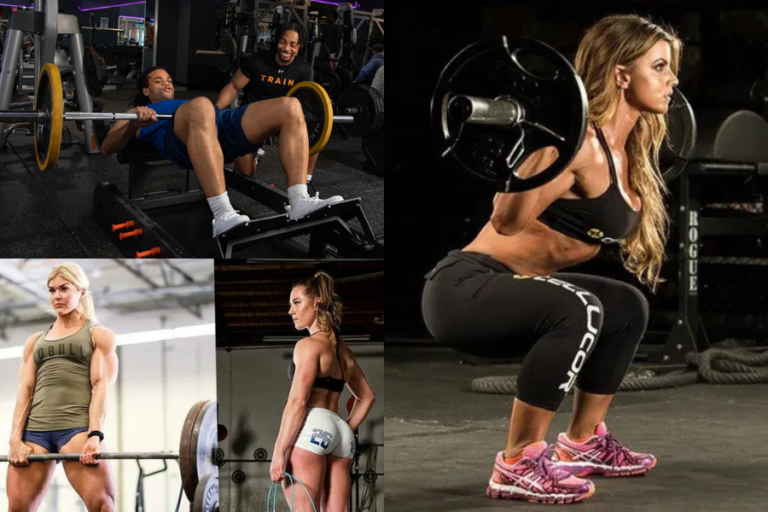
- Barbell back squat, even with just the bar at first, teaches you to maintain abdominal tension while you move your hips and knees
- Overhead squat or split lunge with an overhead press loads your midsection through the arms and legs at the same time
- Farmer’s carries further challenge your ability to maintain posture while your core resists side bending
These complex moves make your core fire along with your chest, back, and legs, which reflects how your body moves in real life and in sports.
Improve posture and protect your back
A strong core also helps prevent your shoulders from rounding forward when you bench press or sit at a desk. Better posture lets you:
- Breathe more efficiently
- Use the right muscles in big lifts
- Reduce stress on your lower back and neck
Research from Ohio State University Wexner Medical Center notes that weak deep core muscles in runners increase the risk of low back pain and lead to poor running form, which can also limit how much oxygen you take in. A stronger core supports both performance and comfort.
Understand the role of body fat and nutrition
Many men start core workouts with a single goal, a visible six pack. Your training helps, but your body fat percentage plays a bigger role in whether your abs show.
Why you cannot spot reduce belly fat
Spot reduction, trying to burn fat from just your stomach with more ab exercises, does not work. Guides from trainers and editors in 2025 and 2026 emphasize that:
- Abs only routines cannot carve a six pack if a layer of fat is on top
- Overall fat loss from a calorie deficit is essential
- Sustained diet changes matter more than extra crunches
For visible abs, many men need to be somewhere around 6 to 15 percent body fat, with about 10 percent often cited as a realistic target. If you are closer to 30 percent body fat, trying to get a clear six pack in a couple of weeks is not realistic, as a 22 day home ab workout guide from ATHLEAN X made clear.
Set up your nutrition for core goals
You do not need an extreme diet. A few key habits help your ab workout for men have visible results:
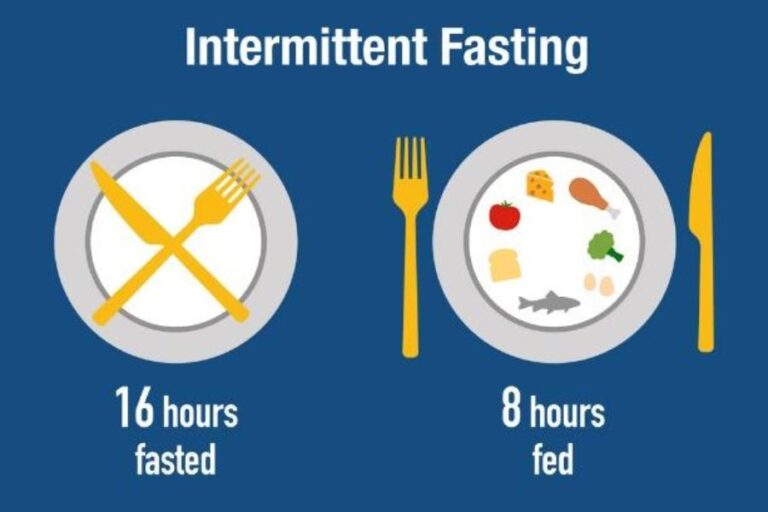
- Maintain a modest calorie deficit over time
- Prioritize protein, often around 1.2 to 1.5 grams per 2.2 pounds of body weight, which helps preserve muscle while losing fat according to research cited in Nutrition Reviews
- Limit alcohol, especially beer, since many men find that reducing alcohol helps belly fat drop
- Choose more whole foods and fewer refined white carbs and sugary drinks
- Stay hydrated with water or green tea
Some men track intake with tools like MyFitnessPal, aiming for around a 500 calorie daily deficit and combining that with lifting, cardio, and core training. This kind of consistent approach has been reported to support steady fat loss and better ab definition.
Decide how often to train your abs
Your core muscles recover faster than larger muscle groups like legs, so you can train them more frequently, as long as your intensity is balanced.
Weekly structure ideas
Here are two sample approaches.
Option 1: Strength focus
- 2 to 3 days per week of full body lifting
- 2 core focused sessions per week, using the strength circuit from earlier
- 1 to 2 light cardio days, such as walking or cycling
Option 2: Fat loss and definition
Based on multi week six pack programs from 2025 and 2026:
- 3 days per week of weight training
- 1 to 2 days per week of core plus conditioning, using circuits with short rests
- 1 to 2 days per week of incline walking or other steady cardio, around 45 minutes, to help burn extra calories while keeping muscle
At home, you can also do short 10 minute ab sessions five to six days per week, focusing on different angles each day. Some 22 day programs have used this approach effectively to build core endurance, as long as volume is appropriate for your level.
Adjust your ab workout to your level
Different bodies and training histories call for different starting points. You can adapt nearly any ab workout for men to meet you where you are.
If you are a beginner
Focus on:
- Mastering form on bird dogs, modified planks, and dead bugs
- Shorter sets, for example 1 to 2 sets of 8 to 10 reps
- Breathing through each rep rather than holding your breath
It is fine to rest more and move slower. Your main goal is to feel your abs and deep core muscles engage without your lower back taking over.
If you are intermediate
Once you have a few months of consistent training:
- Add side planks and standard planks with shoulder taps
- Increase set count to 2 to 3 per exercise
- Start experimenting with light weighted ab moves like cable crunches or farmer’s walks
Watch that extra difficulty does not cause your form to collapse, especially in your lower back.
If you are advanced
You can try more challenging exercises that require stronger stability and control:
- Hanging leg raises
- Hollow holds and hollow body rock variations
- Dragon flags
- Copenhagen planks for high level lateral core strength
These progressions should be added gradually. The goal is a stronger, more resilient core, not just harder exercises for their own sake.
Put it all together
A strength focused ab workout for men gives you more than cosmetic benefits. With consistent practice you will notice:
- Heavier and safer lifts, because your midsection can brace more effectively
- Better posture and less stiffness in your lower back
- More confidence in everyday activities, from carrying groceries to playing sports
Start with the simple circuit of bird dogs, planks, side planks, dead bugs, lying leg drops, and supermans. Perform it two to three times per week, and pair it with full body strength training and steady nutrition habits. As you get stronger, add small progressions in time, reps, and load.
Choose one exercise from this guide to try in your next workout. Focus on quality over quantity, and build from there. Your core will respond to effort and consistency, and over time you will feel that strength in everything you do.
About the Author