Understand how keto works
Before you decide which foods are allowed on keto, it helps to understand what the diet is trying to do in your body.
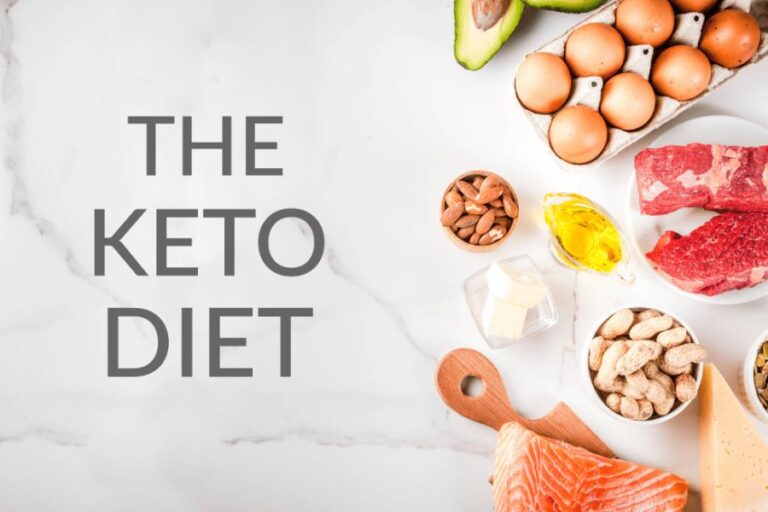
On a ketogenic diet, you sharply limit carbs so your body runs on fat instead of glucose. When carbs stay very low, you enter a state called ketosis, where your body burns fat for fuel instead of sugar. Most keto plans keep carbs around 20 to 50 grams per day, or about 5 to 10 percent of your calories (Healthline, EatingWell).
To stay in ketosis, you focus on:
- High fat
- Moderate protein
- Very low carbohydrate
Once you know that, figuring out which foods you can eat on keto becomes much easier.
Keto-friendly macros at a glance
You will see different versions of keto, but a common clean keto approach looks like this:
- Fat: the majority of your calories
- Protein: about 10 to 20 percent of your calories (Harvard T.H. Chan via Lose It)
- Carbs: about 20 to 50 grams per day, sometimes counted as net carbs (total carbs minus fiber) (Healthline)
Your exact numbers depend on your size, activity level, and health goals, but these ranges give you a useful starting point.
Choose the right fats and oils
Fat is the foundation of keto. The right fats help you feel satisfied, support ketosis, and may benefit your heart.
Healthy fats to focus on
These fats contain virtually no carbs and fit well into a keto plan:
- Olive oil, extra virgin or regular, linked to lower heart disease risk (EatingWell)
- Avocado oil, good for high-heat cooking
- Coconut oil, a source of MCTs that may boost ketone production and support weight loss (EatingWell)
- Butter and ghee
- Animal fats like lard or tallow for occasional use
You can use these to cook vegetables, dress salads, or finish dishes so your meals feel filling and rich.
Pick quality proteins on keto
Protein is essential on keto, but more is not always better. If you overdo protein, your body can turn some of it into glucose, which can make ketosis harder to maintain. Many experts suggest keeping protein around 10 to 20 percent of calories and roughly 0.6 to 1 gram per pound of lean body mass (Lose It).
Best animal proteins
These foods are naturally low in carbs and provide important nutrients:
- Beef, especially grass-fed when you can find it, for complete protein and more omega 3 fats (Lose It)
- Poultry like chicken and turkey, preferably minimally processed
- Fatty fish: salmon, sardines, mackerel, albacore tuna
- These are carb free and high in omega 3 fats that may support blood sugar control and lower disease risk (Healthline, EatingWell)
- Pasture-raised eggs, which can have more omega 3s and higher levels of vitamins A and E (Lose It)
Processed meats like bacon or sausage can fit into keto because they are low carb, but it is smart to keep them as an occasional choice due to higher health risks (EatingWell).
Plant-based proteins that work
If you do not eat a lot of meat, you still have options:
- Tofu
- Some nuts and seeds (more on those below)
Legumes such as beans, lentils, and peas are usually too high in carbs for strict keto and are best avoided if you keep carbs below 20 grams per day (Diet Doctor).
Load up on low carb vegetables
On keto you are not skipping vegetables. You are simply choosing options that are lower in net carbs and higher in fiber and nutrients.
Best vegetables for keto
Nonstarchy vegetables are your daily staples. Most have less than 8 grams of net carbs per cup and are packed with vitamins and antioxidants (EatingWell).
Great everyday choices include:
- Leafy greens: spinach, kale, lettuce
- Cruciferous vegetables: broccoli, cauliflower, cabbage
- Other low carb picks: zucchini, cucumbers, asparagus, green beans, bell peppers in modest amounts
A strict keto guide suggests that vegetables with under 5 grams of net carbs per 100 grams, such as spinach, zucchini, lettuce, cucumbers, cabbage, asparagus, and kale, can usually be eaten quite freely if you stay under 20 grams of carbs per day (Diet Doctor).
Vegetables to limit or avoid
Some vegetables are more carb heavy, especially those that grow underground.
Use these sparingly, if at all, when you are keeping carbs very low:
- Onions, which can have 6 to 19 grams of carbs per 100 grams, so tiny amounts are best for flavor only (Diet Doctor)
- Brussels sprouts, tomatoes, and higher carb peppers, which can still fit, but you will want to track your portions (Diet Doctor)
- Starchy vegetables like potatoes, sweet potatoes, corn, and most winter squash
If you are ever unsure, look up the net carbs per serving and see how they fit your daily target.
Make veggies more keto-friendly
Adding fat to vegetables helps you meet your fat goals and makes your meals more satisfying. You might:
- Sauté broccoli or zucchini in butter or avocado oil
- Toss a salad with olive oil and avocado
- Roast cauliflower with coconut oil or ghee
Healthy fats like butter, lard, coconut oil, avocado oil, ghee, and heavy cream can help you stay in ketosis while your body burns fat for energy (Diet Doctor).
Enjoy nuts and seeds in moderation
Nuts and seeds are a convenient keto snack because they combine healthy fats, some protein, and fiber with relatively few carbs.
Why nuts and seeds fit keto
According to research, frequent nut and seed intake is linked to a lower risk of heart disease and some cancers. They also provide plant-based fats that are low in carbs (Healthline).
You can choose:
- Almonds or macadamia nuts
- Walnuts or pecans
- Pumpkin seeds or sunflower seeds
- Chia seeds or flaxseeds
Nuts and seeds are calorie dense, so it is easy to overeat them. Measuring out a small handful or a tablespoon or two for toppings can help you keep portions in check.
Use dairy carefully on keto
Dairy is one of the more common questions when people start looking for foods allowed on keto. Some dairy products are ideal, while others can quickly push you over your carb limit.
Dairy that usually works well
High fat, low carb dairy products can support ketosis and help fill in important nutrients like calcium, vitamin D, and high quality protein (Dairy Farmers of America).
Good examples include:
- Hard and soft cheeses (check labels, but many have very few carbs)
- Heavy cream or whipping cream
- Full fat sour cream in small portions
- Butter and ghee
These foods are rich in fat and relatively low in carbs, so they can help you hit your daily fat targets without overdoing sugar.
Milk and sweet dairy to limit
Milk is where you need to be more cautious.
- Cow’s milk, including 1 percent milk, contains about 12.7 grams of carbs per cup, which can take up a quarter or more of your daily carb budget if you are aiming for 20 to 50 grams per day (MedicineNet)
- Whole milk, half and half, and evaporated milk each have around 10 grams of lactose per serving, a natural sugar that can disrupt ketosis, so portion control is key (Dairy Farmers of America)
You also want to avoid or keep to a minimum:
- Ice cream
- Flavored yogurts
- Sweetened coffee creamers
These usually contain added sugars that can quickly bump you out of ketosis (Dairy Farmers of America).
Choose keto-safe milks and drinks
You do not have to give up milky coffee or smoothies, but you do need to be picky about which milks you use.
Plant-based milks that fit keto
Unsweetened plant milks are often the easiest choice for a low carb lifestyle.
Options that tend to be keto friendly include:
- Unsweetened almond milk, which has less than 1 gram of carbs per 100 grams
- Unsweetened coconut milk beverage (carton, not canned coconut cream)
- Unsweetened flax milk
These plant-based milks are much lower in carbs than regular cow’s milk and typically work well within keto carb limits (MedicineNet).
What to watch on the label
Sweetened versions of these milks can contain far more carbs.
For example:
- Sweetened almond milk can have about 5 grams of carbs per 100 grams, compared with under 1 gram in unsweetened almond milk (MedicineNet)
When you shop, look for:
- The word “unsweetened” on the front
- Total carbs and added sugars on the nutrition label
If you keep your drinks low in carbs, it becomes much easier to stay under your daily limit.
Pick fruits that fit your carb budget
Fruit can be part of a keto diet, but only certain types and in modest amounts because natural sugars contribute to your carb total. When you are looking at foods allowed on keto, fruit usually falls into the “sometimes” column.
Best fruits for strict or moderate keto
Some fruits are low in net carbs and high in fiber and nutrients, so they can fit nicely into your plan if you watch portions.
Helpful options include:
- Avocado
- About 1.5 grams of net carbs per 100 grams
- High in healthy fats, vitamin K, folate, vitamin C, and potassium (Healthline, Verywell Health)
- Berries
- Strawberries: about 8.7 grams of net carbs per cup and 3 grams of fiber, plus vitamin C and antioxidants (Healthline, Verywell Health)
- Raspberries: about 7 grams of net carbs per cup, with plenty of vitamin C, manganese, and antioxidants (Healthline)
- Blackberries, which are high in fiber, with about 7.6 grams per cup (Verywell Health)
- Olives
- Very low in carbs and a good source of monounsaturated fats and vitamin E (Verywell Health)
- Tomatoes
- Technically a fruit, low in carbs, and rich in lycopene, beta carotene, potassium, and folate (Verywell Health)
Fruits you can use occasionally
A few slightly higher carb fruits may fit into moderate or targeted keto if you plan them into your daily carb allowance:
- Watermelon, around 11 grams of net carbs per 1 cup serving, plus vitamin C, potassium, copper, and lycopene (Healthline, Verywell Health)
- Lemons, about 4 grams of net carbs per fruit, useful for flavoring water and dishes, and a source of vitamin C and pectin fiber (Healthline)
- Peaches, cantaloupe, star fruit, and plums, which can be eaten in moderation, but you will need to keep a close eye on portions on stricter keto plans (Verywell Health)
Dried fruits such as prunes are usually too high in carbs for strict keto and are best avoided (Verywell Health).
Learn which foods to avoid on keto
Knowing what to skip is just as important as knowing what is allowed on keto. In general, you want to avoid foods that are high in starch or added sugar.
High carb foods that can knock you out of ketosis
If you want to stay in ketosis consistently, keep these off your everyday menu:
- Grains: bread, pasta, rice, cereal, quinoa, corn
- Most baked goods and desserts: cakes, cookies, pastries
- Sugary drinks: soda, sweetened teas, juice
- Candy and chocolate made with regular sugar
- Legumes: beans, lentils, chickpeas, and most peas (Diet Doctor)
- Most starchy vegetables: potatoes, sweet potatoes, most root vegetables
Milk-based drinks with added sugar, flavored yogurts, and ice cream also belong in this group because the added sugar can overwhelm your daily carb budget (Dairy Farmers of America).
Sample day of keto-friendly foods
Seeing how foods allowed on keto fit into a day can make the diet feel more approachable. Here is a simple example to spark ideas. You can adjust portions and ingredients based on your own carb goals.
Morning
- Scrambled eggs cooked in butter with spinach and a sprinkle of cheese
- Coffee with a splash of heavy cream or unsweetened almond milk
Midday
- Large salad with leafy greens, cucumbers, olives, and grilled salmon
- Dressing made with olive oil and lemon juice
Afternoon snack
- A small handful of macadamia nuts or almonds
- A few raspberries or strawberries if your carb budget allows
Evening
- Grilled chicken thighs or tofu
- Roasted broccoli and cauliflower in avocado oil
- Sliced avocado on the side
This kind of day emphasizes nonstarchy vegetables, quality proteins, and healthy fats, plus a small amount of carefully chosen fruit. It stays close to typical keto guidelines of 20 to 50 grams of carbs per day (Healthline).
Put it all together
When you focus on foods allowed on keto, you give yourself a simple filter for everyday choices. You are mainly choosing:
- High fat, low carb foods like oils, avocados, nuts, seeds, and full fat dairy
- Moderate portions of quality protein from meat, fish, eggs, and tofu
- Plenty of low carb vegetables, especially leafy greens and nonstarchy options
- Small servings of low sugar fruits like berries, avocados, and olives
By staying aware of your daily carb limit and choosing whole, minimally processed foods, you can use the keto diet as a tool to support weight loss and better blood sugar control. If you have any medical conditions or take medication, it is a good idea to talk with your healthcare provider before making major changes to your eating plan.
About the Author