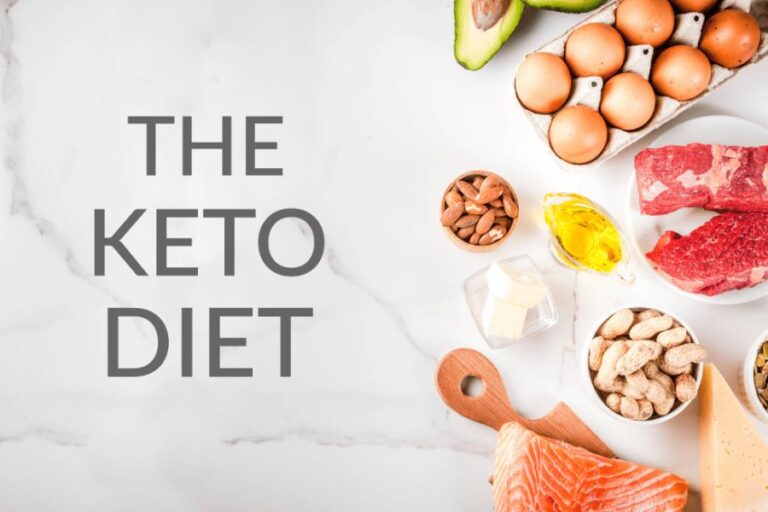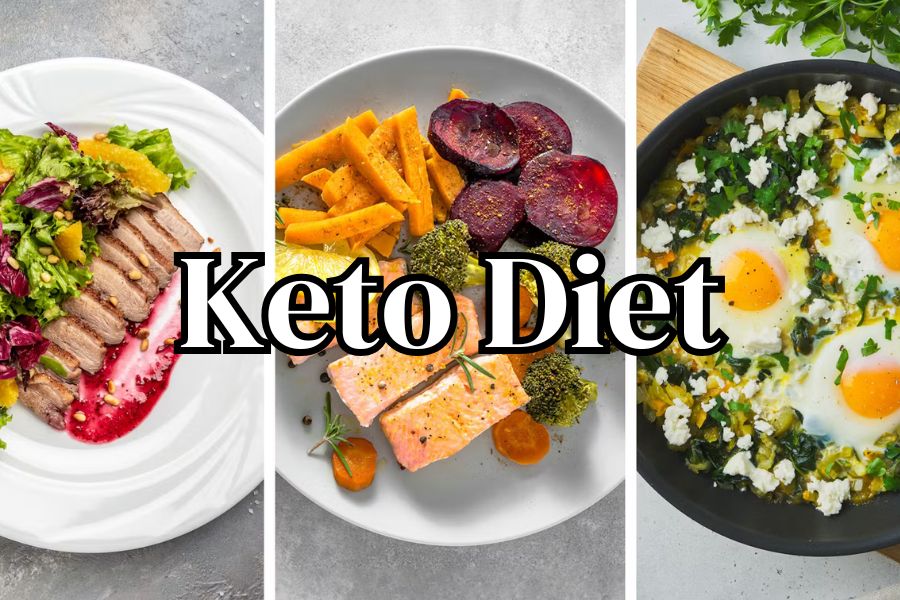
Understand how a keto meal plan works
If you are curious about keto for weight loss or better blood sugar control, a simple seven day keto meal plan can help you test the waters without feeling overwhelmed. A ketogenic diet typically means eating very low carb, higher fat meals so your body shifts from using carbs for energy to burning fat instead.
In most keto plans, you limit carbs to roughly 20 to 50 grams per day and focus on:
- Healthy fats such as olive oil, avocado, butter, and coconut oil
- Protein from meat, poultry, seafood, and eggs
- Non‑starchy vegetables like leafy greens, peppers, and zucchini
Healthline describes the ketogenic diet as a very low carb, high fat way of eating that may support weight loss and blood sugar management and may play a role in some neurological and cancer‑related conditions (Healthline).
Before you change your diet in a big way, especially if you take medication for diabetes or high blood pressure, it is important to talk with your doctor. Diet Doctor notes that keto appears safe for most people, but those groups in particular need medical guidance, and breastfeeding women are advised not to follow keto (Diet Doctor).
Set realistic keto goals for the week
A seven day keto meal plan is a short window, but you can still set simple, clear goals so you know what success looks like.
You might aim to:
- Stay under about 20 grams of net carbs per day
- Include non‑starchy vegetables in at least two meals each day
- Build every plate around protein and healthy fats
- Notice how your energy, hunger, and cravings feel by the end of the week
Diet Doctor’s evidence‑based plan keeps net carbs under 20 grams daily to help most people stay in ketosis and support fat burning and metabolic health (Diet Doctor). You can use that as a reference point when you sketch out your own meals.
Stock your kitchen with keto basics
You will have a much easier time following a keto meal plan if your kitchen is ready before day one. Think in three buckets: protein, produce, and fats.
Protein staples
Animal proteins are at the center of most keto meals. Healthline notes that meat, poultry, and eggs are low in carbs and provide the protein you need to maintain muscle while you lose weight (Healthline).
Good options include:
- Eggs
- Chicken thighs or breasts
- Ground beef or turkey
- Pork chops or pork shoulder
- Salmon, sardines, and mackerel
- Firm tofu or tempeh if you limit carbs carefully
Eggs are particularly helpful for beginners, since each egg has less than 1 gram of carbs and tends to keep you full (Healthline).
Seafood such as salmon, sardines, and mackerel are also very keto friendly, nearly carb free and rich in omega‑3 fats, B vitamins, potassium, and selenium. Healthline notes that eating fatty fish regularly may help manage blood sugar and reduce insulin levels in people with diabetes, and adults are generally encouraged to get 8 to 10 ounces of seafood per week (Healthline).
Low carb vegetables and fruits
Not all vegetables are low carb. You will want to center your cart around:
- Leafy greens such as spinach, kale, and lettuce
- Broccoli, cauliflower, and Brussels sprouts
- Zucchini and other summer squash
- Bell peppers
- Cucumbers and celery
Healthline lists green leafy vegetables, peppers, zucchini, avocados, and olives as keto friendly choices that provide fiber and beneficial fats, and may support heart health and lower inflammation (Healthline).
For fruit, keep it simple:
- Avocados
- Olives
- Small portions of berries as a garnish or occasional dessert
Fats, oils, and extras
Healthy fats round out your keto meals and make them satisfying.
Look for:
- Olive oil
- Avocado oil
- Coconut oil
- Butter or ghee
- Full‑fat cheese
- Heavy cream in small amounts
- Nuts and seeds, in measured portions
Healthline points out that these fats and oils contain virtually no carbs and can support heart health. Olive oil in particular provides monounsaturated fats and antioxidants that may help reduce inflammation and benefit your cardiovascular system (Healthline).
To make meals easier, you can also pick up a few convenient items, such as:
- Rotisserie chicken, with no sweet glaze
- Pre‑washed salad greens
- Frozen vegetables with no added sauces
Whole Foods Market recommends ready‑to‑eat options like rotisserie chicken and even sashimi as part of an efficient 7 day keto friendly meal plan so you are not cooking everything from scratch (Whole Foods Market).
Plan your week in broad strokes
You do not have to map out every bite, but a simple structure for your seven day keto meal plan will reduce last‑minute decisions and help you stay under your carb target.
Use a simple daily template
For your first week, you might follow a pattern like this:
- Breakfast: Eggs or a keto friendly yogurt option
- Lunch: Protein and non‑starchy vegetables with added fat
- Dinner: Protein and low carb vegetables, sometimes with cheese or a creamy sauce
- Snacks: Raw vegetables with a dip, cheese, olives, nuts, or a keto yogurt
Diet Doctor’s 14 day plan uses a similar breakfast‑lunch‑dinner structure and keeps daily carbs under 20 grams without requiring you to track every number, in part through pre‑planned recipes and shopping lists (Diet Doctor).
Whole Foods Market also builds its 7 day keto meal plan around repeated breakfasts and planned leftovers so you cook less but still eat well (Whole Foods Market).
Prep a few items in advance
Set aside an hour or two before your first day to:
- Hard boil a batch of eggs
- Roast a tray of vegetables such as broccoli, cauliflower, and zucchini
- Marinate and bake or grill several chicken breasts or thighs
- Wash and chop salad greens and crunchy vegetables
- Make a simple dressing using olive oil, vinegar, salt, and pepper
Whole Foods Market suggests organizing ingredients and doing light prep work such as baking or chopping in advance so weekday meals come together quickly (Whole Foods Market).
Follow a sample 7 day keto meal plan
Use the ideas below as a flexible guide. Feel free to swap days around or repeat meals you enjoy. The focus is on real food, simple recipes, and low carb ingredients.
Day 1: Simple and satisfying
- Breakfast: Scrambled eggs cooked in butter with spinach and feta
- Lunch: Grilled chicken salad with mixed greens, cucumber, olives, and olive oil dressing
- Dinner: Baked salmon with roasted broccoli and a side of sliced avocado
- Snack ideas: Celery sticks with cream cheese, a small handful of almonds
Fatty fish like salmon are naturally low in carbs and fit easily into a keto meal plan while providing important omega‑3 fats (Healthline).
Day 2: Leftovers to save time
- Breakfast: Leftover salmon flaked over a bed of greens with olive oil and lemon
- Lunch: Egg salad lettuce wraps made with hard boiled eggs and mayonnaise
- Dinner: Pan‑seared chicken thighs with sautéed zucchini and bell peppers in olive oil
- Snack ideas: Cheese slices with cucumber rounds, olives
This kind of leftover‑first approach mirrors the Whole Foods Market strategy of planning for repeat meals and leftovers so your week feels manageable rather than demanding (Whole Foods Market).
Day 3: Quick flavor upgrades
- Breakfast: Omelet with mushrooms, cheddar, and fresh herbs
- Lunch: Beef burger patties topped with avocado and served over a salad instead of a bun
- Dinner: Roasted salmon with spinach and crumbled feta, inspired by Whole Foods Market’s roasted salmon dish (Whole Foods Market)
- Snack ideas: Celery and bell pepper strips with a full‑fat yogurt or sour cream dip
Using herbs, cheese, and simple sauces keeps your meals interesting without adding many carbs.
Day 4: International flavors
- Breakfast: Keto friendly yogurt topped with chia seeds and a few berries, similar to the yogurt snack ideas in the Whole Foods plan (Whole Foods Market)
- Lunch: Chicken seasoned with your favorite spices, sliced over a cabbage slaw with lime and olive oil
- Dinner: Pizza‑style stuffed portobello mushrooms with tomato paste, mozzarella, and Italian herbs, inspired by Whole Foods Market’s pizza‑style portobellos (Whole Foods Market)
- Snack ideas: Pork rinds or parmesan crisps dipped in fresh salsa
Whole Foods Market highlights fresh salsa with jalapeño parmesan crisps or pork rinds as a keto friendly snack, which you can easily borrow for your own week (Whole Foods Market).
Day 5: Easy entertaining at home
- Breakfast: Egg muffin cups baked with sausage, spinach, and cheese
- Lunch: Tuna salad served on cucumber slices or wrapped in lettuce leaves
- Dinner: Herb‑rubbed roast beef or prime rib with roasted cauliflower and a simple side salad, a nod to the herbed prime rib roast in the Whole Foods plan (Whole Foods Market)
- Snack ideas: Small cheese board with sliced cheese, olives, and a few nuts
Cheese boards and simple roasted meats fit well into a keto lifestyle and are easy to scale if you are feeding more than one person.
Day 6: Mostly hands off
- Breakfast: Leftover egg muffin cups with sliced avocado
- Lunch: Rotisserie chicken with a large mixed green salad and olive oil dressing
- Dinner: Pan‑seared white fish such as cod or sea bass with a lemon butter sauce and steamed green beans, similar in spirit to Whole Foods Market’s pan‑seared Chilean sea bass with caramelized lemon sauce (Whole Foods Market)
- Snack ideas: Blistered shishito peppers sautéed in olive oil, as suggested in the Whole Foods keto snack list (Whole Foods Market)
Relying on store‑bought rotisserie chicken for lunch keeps your prep light and helps you stick to your plan on busy days.
Day 7: Practice for the weeks ahead
- Breakfast: Two or three fried eggs with sautéed kale and onions in butter
- Lunch: Leftover roast beef or chicken with roasted vegetables and a drizzle of olive oil
- Dinner: Chicken breasts baked with your favorite seasonings and served with zucchini noodles and a cream or pesto sauce, similar to the various seasoned chicken recipes in the Whole Foods 7 day plan (Whole Foods Market)
- Snack ideas: Cucumber rounds dipped in a chipotle or spicy cream sauce, another snack style from the Whole Foods meal plan (Whole Foods Market)
By the end of day seven, you will have a better sense of which meals feel simple and satisfying and which ones you want to adjust.
Include smart keto snacks and desserts
Keto snacks are there to bridge the gap between meals and help you stay on track, not to become your main source of calories. Aim for snacks that combine fat with a little protein or fiber.
Balanced ideas include:
- Celery, cucumber, or even small amounts of carrots with a creamy chipotle dip
- Fresh salsa with jalapeño parmesan crisps or pork rinds
- Keto friendly yogurt with chia seeds and a few berries
- Cheese with olives or a couple of nuts
Whole Foods Market highlights these kinds of snacks and desserts in its keto meal plan, which can make your own week feel less restrictive and more sustainable (Whole Foods Market).
Manage keto flu and stay comfortable
In the first few days of a keto meal plan, you might notice symptoms such as headache, fatigue, or irritability. Many people call this the “keto flu.” It usually passes, but you can make it easier on yourself.
Diet Doctor suggests two simple strategies to reduce these symptoms:
- Drink plenty of fluids throughout the day
- Get enough salt, for example by drinking a daily cup of bouillon and salting your food to taste (Diet Doctor)
You can also pay attention to your sleep, aim for gentle movement like walks, and avoid stacking other major changes, such as intense new workouts, on top of your first keto week.
If symptoms feel severe, or you have any health concerns, stop and talk with your healthcare provider.
Adjust your keto meal plan to your needs
Keto is not one size fits all. How strict you need to be with carbs depends on your goals and your current health.
Diet Doctor notes that:
- Many people who are overweight or who have insulin resistance do best with under 20 grams of net carbs per day
- Some healthy individuals may be able to stay in ketosis at higher carb levels, sometimes up to 50 grams per day (Diet Doctor)
As you move through your seven day keto meal plan, pay attention to:
- Hunger: Do meals keep you satisfied for several hours
- Cravings: Do sugar and refined carb cravings ease a bit
- Energy: Do you feel more steady energy, especially later in the week
- Digestion: Do you need to adjust fiber or fluid intake
Use what you learn to shape your next week. You might decide to:
- Repeat your favorite simple breakfasts and dinners
- Batch cook proteins you liked, such as roasted salmon or chicken thighs
- Add more low carb vegetables if you need extra fiber
If you enjoy the structure and want more guidance, you can explore structured plans, such as the Whole Foods Market 7 day keto friendly meal plan or Diet Doctor’s 14 day keto plan, both of which offer recipes and shopping lists to reduce guesswork (Whole Foods Market, Diet Doctor).
Key takeaways for your first keto week
To recap your seven day keto meal plan:
- Build every meal around protein, healthy fats, and non‑starchy vegetables
- Keep carbs low, often under about 20 grams of net carbs per day, especially if you are overweight or have insulin resistance
- Prep simple staples in advance, such as hard boiled eggs, roasted vegetables, and cooked chicken
- Use leftovers on purpose so you do not have to cook from scratch every day
- Choose keto friendly snacks like vegetables with dip, cheese, yogurt with chia, and nuts
- Stay hydrated, get enough salt, and check in with your doctor if you have health conditions or take medication
You do not need to commit to keto forever to see what it feels like in your own body. Start with one carefully planned week, notice how you respond, and then decide whether you want to keep going, make modifications, or simply borrow the parts that work best for you.
About the Author