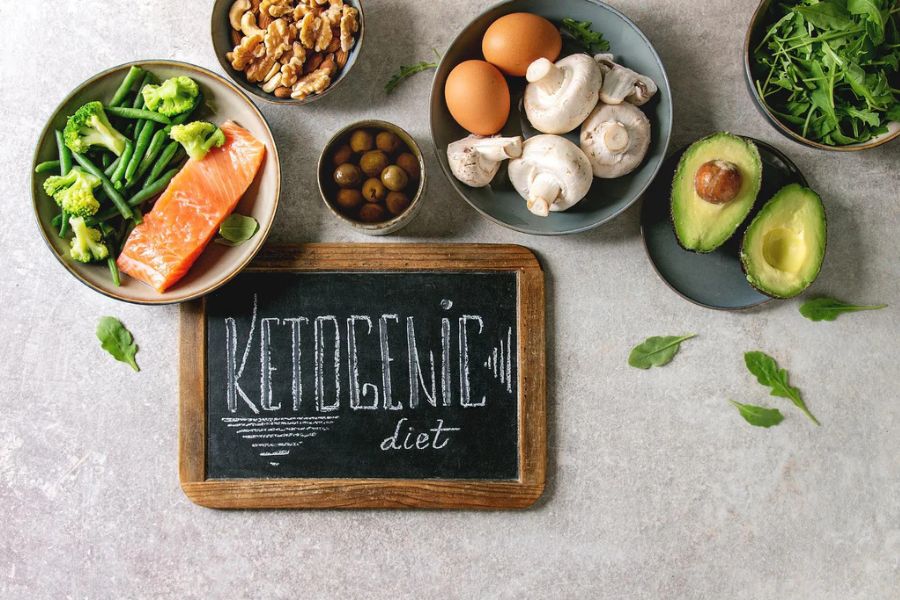
Understand what a keto weight loss plateau is
If you started keto and watched the scale drop quickly, then suddenly your progress stalled, you are likely in a keto weight loss plateau.
A keto weight loss plateau happens when your weight and body measurements stop changing for several weeks, even though you are still following a ketogenic diet. People on keto often lose weight quickly in the beginning, then hit a long stretch where nothing seems to move.
You can see this in a Reddit user’s experience. They went from 278 pounds to 240 pounds in about two months on keto, then spent a month stuck around 240 to 242 pounds, even though their diet and workouts stayed the same. After that, their weight suddenly dropped again, from 241 to 234 pounds in a single week without any major changes (Reddit).
Research on low carb diets shows a similar pattern. In a one year study of people with type 2 diabetes eating low carb, participants lost weight steadily for about nine months and then spent roughly three months at a stable weight while still following the same approach (Virta Health).
In other words, plateaus are common. They can be frustrating, but they are not a sign you have failed. They are a normal part of how your body adapts to weight loss.
Recognize the difference between a pause and a plateau
Before you overhaul your keto diet, it helps to check whether you are in a true weight loss plateau or just a short pause.
Signs you are in a normal pause
You are probably in a short term fluctuation if:
- Your weight has been stalled for less than 2 to 3 weeks
- Your daily weight goes up and down by a few pounds
- Your clothes fit a little better, even if the scale is not moving
- You recently started a new workout or increased strength training
Water shifts, hormones, and muscle gain can all hide fat loss for a while. In the Reddit example, the user sat at roughly the same weight for about a month, then saw a sudden, sharp drop without changing anything major (Reddit).
Signs you are in a true plateau
You are more likely dealing with a real keto weight loss plateau if:
- Your weight and measurements have stayed the same for at least 3 to 4 weeks
- Your average weekly weight is completely flat, not just bouncing slightly
- Your clothes feel exactly the same
- You have not made big changes to your diet or activity during that time
Once you are confident that you are in a plateau, you can start looking for causes and fixes that still fit your lifestyle.
Learn why keto plateaus happen
A keto diet changes how your body uses energy, but it cannot override basic biology. Over time, your metabolism and habits adapt. This is why progress slows down, even when you are “doing everything right.”
Your metabolism slows as you lose weight
As you lose weight, your body simply burns fewer calories each day. You are smaller, so you take less energy to move and to maintain basic functions. Healthline notes that this natural drop in daily calorie burn is one of the key reasons weight loss plateaus are common on keto (Healthline).
In other words, the calorie and macro targets that worked when you were heavier may be too generous for your current weight. Your body finds a new “maintenance level” at your reduced size, and your weight stabilizes.
Carbs and protein can quietly kick you out of ketosis
Ketosis is central to a keto diet. It is the metabolic state where your body burns fat for fuel. If you drift out of ketosis, fat loss usually slows or stops.
Several things can get in the way:
- Too many carbohydrates
Standard keto usually limits carbs to roughly 20 to 50 grams per day. Hidden carbs in processed meats, condiments, sauces, seasonings, and starchy vegetables can push you over that limit without you noticing (Healthline). - Too much protein
Excess protein can be converted into glucose. That extra glucose may reduce ketone production and make it harder to stay in ketosis. Healthline notes that limiting both carbs and protein can sometimes be necessary to move past a keto plateau (Healthline).
Virta Health also highlights that even small extras, like one more egg or an extra ounce of nuts, can add up and lower ketone levels (Virta Health).
If your carb or protein intake is consistently a little too high, your body may not be in the fat burning zone you are aiming for.
Added fats and alcohol can stall fat burning
Keto encourages healthy fats, but that does not mean unlimited amounts. Your body will burn the easiest available energy first.
Virta Health points out a few common issues (Virta Health):
- Too much added fat
Extra oils, butter, cream, or “keto” supplements like MCT or coconut oil raise calorie intake. They may push up your ketone readings, but they can also give your body so much dietary fat that it does not need to tap into stored fat. - Alcohol intake
Alcohol adds calories and your body prioritizes breaking it down. This can temporarily put fat burning on hold and contribute to a plateau.
Keto is high fat, but it is not “eat endless fat and still lose weight.” Portions still matter, especially when you are closer to your goal.
Stress, sleep, and activity quietly influence your progress
What happens outside your kitchen can affect your keto weight loss plateau just as much as macros do.
Healthline notes that exercise, stress, and sleep all play a role in breaking keto plateaus (Healthline):
- Low physical activity
Sitting most of the day means you burn fewer calories. Perfect Keto lists low activity and a sedentary lifestyle as classic plateau triggers (Perfect Keto). - Chronic stress
Ongoing stress can raise cortisol levels, which is linked with increased visceral fat and stalled progress. - Poor sleep
Short or low quality sleep can disrupt appetite hormones like leptin and ghrelin, which may make you hungrier and more likely to overeat (Perfect Keto).
If you feel keyed up, exhausted, and stuck, adjusting stress and sleep habits can support your diet efforts.
Habits and emotions can sneak in more food
Even if your macros look okay on paper, real life behavior can get in the way. Virta Health points to several psychological factors that keep people stuck (Virta Health):
- Boredom with the same foods leading to extra “treats”
- Eating from habit or emotions, not true hunger
- Relying on calorie counting alone instead of listening to hunger and fullness signals
Over time, small, unconscious extras can add up and cancel out your calorie deficit.
Check for the most common plateau triggers
Once you understand the main causes, you can start troubleshooting. The checklist below covers some of the most common reasons your keto weight loss plateau is hanging on.
1. You are eating more carbs than you think
Carbs are sneaky. To spot hidden sources, look closely at:
- Processed meats like sausages or deli meats that contain fillers
- Condiments such as ketchup, barbecue sauce, or sweetened mayo
- Spice blends and seasonings that include sugar or starch
- Sauces and gravies thickened with flour or cornstarch
- “Keto friendly” snacks that still have several grams of net carbs per serving
Standard keto usually limits carbs to about 20 to 50 grams per day, so a few untracked items can make a big difference (Healthline). Perfect Keto also warns that “keto labeled” packaged foods and nuts can push your carb intake higher than you expect (Perfect Keto).
2. Your protein intake is a bit too high
Protein is essential for muscle and satiety, but on keto it needs to be moderate. Both Healthline and Virta Health note that too much protein can reduce ketone production and slow fat loss (Healthline, Virta Health).
Watch for:
- Large portions of meat at every meal
- Frequent snacking on cheese, jerky, or nuts
- Protein shakes or bars on top of your regular meals
Even small extras like a second chicken breast or another handful of nuts can be enough to tip you over your ideal range.
3. You are adding more fat than your body can burn
On keto, you want fat to be your main fuel, but there is still a limit to what your body can use each day. Virta Health explains that high intakes of oils, butter, cream, and MCT or coconut oil can increase calorie intake so much that your body does not need to tap into stored fat, even if your ketones are high (Virta Health).
Look at:
- Bulletproof style coffees loaded with butter and oil
- Heavy cream in multiple coffees plus cheese and fatty cuts of meat
- “Fat bombs” eaten daily on top of full meals
If you are close to your goal, trimming these added fats can make a noticeable difference.
4. You are not in a calorie deficit anymore
As your weight changes, so do your energy needs. Perfect Keto recommends recalculating your calorie and macro needs as you lose weight, since what worked at the beginning may maintain your new, lower weight instead of lowering it further (Perfect Keto).
You may be in maintenance mode without realizing it if:
- Your weight has been stable for several months
- You are no longer tracking portions or macros
- You have slowly added snacks, creamers, or larger servings back in
If your goal is more fat loss, a small, intentional calorie deficit is usually needed again.
5. Stress, sleep, or movement are out of balance
Perfect Keto notes that chronic stress, poor sleep, and low physical activity are common contributors to a keto plateau (Perfect Keto). Ask yourself:
- Are you sleeping less than 7 hours most nights?
- Are you often wired, anxious, or overwhelmed?
- Do you sit for most of the day with very little walking or movement?
Improving any one of these can support hormonal balance and make your body more responsive to your diet again.
Use strategies that help break a keto plateau
Once you have pinpointed what might be holding you back, you can start making targeted changes instead of guessing. You do not need to try everything at once. Choose one or two adjustments, give them time to work, and build from there.
Recalculate your macros for your current weight
Since your metabolism slows as you lose weight, it helps to update your calorie and macro targets every so often. Perfect Keto suggests recalculating your needs as your body changes so that you stay in a moderate deficit instead of drifting into maintenance (Perfect Keto).
To do this, you can:
- Use a keto macro calculator that asks for your age, height, weight, sex, and activity level
- Set carbs in the keto range, often between 20 and 50 grams per day depending on your plan
- Keep protein at a moderate level that supports your lean mass
- Let fat fill in the remaining calories
Once you have updated numbers, track your intake for a week or two to see how closely you match your targets.
Tighten up carbs and protein
If you suspect you are slipping out of ketosis, focus on:
- Carb quality and quantity
Keep non starchy vegetables, healthy fats, and proteins at the center of your meals and limit processed “keto” treats. Carefully read labels for sugar, starches, and hidden carbs in condiments, sauces, and snacks (Healthline, Perfect Keto). - Protein portions
Aim for reasonable servings of meat, fish, eggs, and dairy rather than large piles at every meal. Virta Health notes that seemingly small additions like one extra egg or a bit more nuts can push protein and calories above what your body needs (Virta Health).
If you track your intake for a few days, you may quickly spot where things have crept up.
Trim excess added fats
If you are in solid ketosis but still not losing, it might be time to reduce added fats slightly so your body taps into stored fat. Virta Health explains that high intakes of oils and fat supplements can stall fat loss even when ketone levels look good (Virta Health).
You can start with small changes like:
- Cutting fat bombs to a few times per week instead of daily
- Using one tablespoon of oil or butter for cooking instead of several
- Limiting heavy cream to one coffee instead of several throughout the day
You do not need to switch to low fat. The goal is to avoid layering extra fats on top of already rich meals.
Consider intermittent fasting
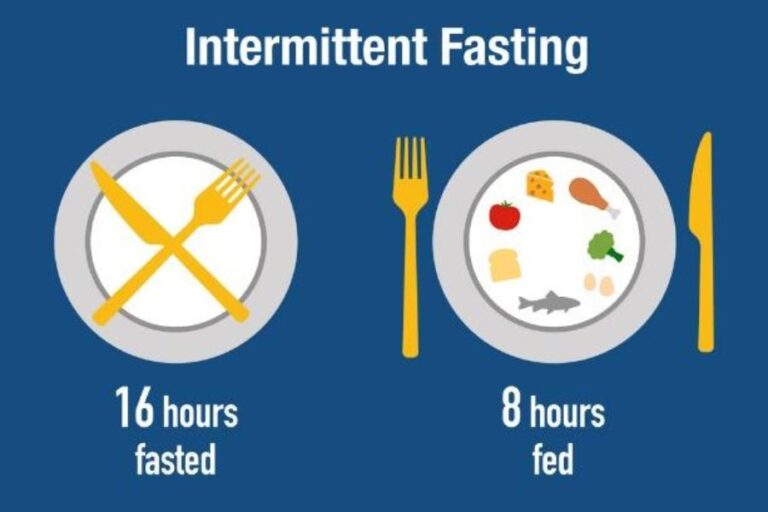
Intermittent fasting can support ketosis and may help move past a keto plateau. Healthline notes that methods like the 16/8 approach can speed your transition into ketosis and slightly boost metabolism, which may help break a stall (Healthline).
Perfect Keto also lists intermittent fasting, including 16:8 and one meal a day (OMAD), as a strategy for overcoming plateaus (Perfect Keto).
If you want to try it, you could:
- Start with a 12 hour overnight fast and extend to 14 or 16 hours as it feels comfortable
- Keep your eating window consistent, for example 10 a.m. to 6 p.m.
- Focus on nutrient dense meals so that you still meet your protein and micronutrient needs
Intermittent fasting is not required, but for some people it is a helpful tool that fits naturally with appetite changes on keto.
Move more, not just in the gym
You do not have to start intense workouts to support weight loss. Increasing general movement throughout your day, also called non exercise activity thermogenesis, can help. Perfect Keto recommends raising overall activity as part of a plateau breaking plan (Perfect Keto).
Simple options include:
- Walking during phone calls or breaks
- Taking the stairs when possible
- Doing light stretches or bodyweight exercises at home
- Setting a timer to stand and move for a few minutes every hour
If you enjoy structured exercise, you can gradually add strength training or cardio. Muscle helps maintain a higher metabolism and can improve how your body uses carbs and fats.
Support your stress and sleep
Healthline and Perfect Keto both highlight stress and sleep as important, but often overlooked, parts of keto success (Healthline, Perfect Keto). To support your body, you can:
- Set a regular bedtime and aim for 7 to 9 hours of sleep
- Limit bright screens right before bed
- Use simple stress management tools, such as short walks, breathing exercises, journaling, or talking with supportive friends
- Look at your schedule to see if there are commitments you can simplify while you focus on your health
These changes may not move the scale overnight, but they make it easier for your body to respond to your diet and exercise choices.
Practice mindful eating and adjust “auto pilot” habits
Virta Health emphasizes the role of boredom, habit, and emotional eating in keto plateaus (Virta Health). To bring your attention back to your real needs, try:
- Pausing before you eat to ask, “Am I physically hungry right now, or just stressed or bored?”
- Serving food on a plate instead of eating directly from packages
- Eating without distractions when possible, for example not scrolling on your phone or watching TV
- Checking in mid meal to see if you are satisfied rather than stuffed
You do not have to eat perfectly. The goal is simply to be more aware of what, when, and why you eat so that your choices match your goals.
Know when to be patient and when to adjust
Not every stall needs an aggressive reaction. Some plateaus are just your body catching up. Others are signals that it is time to fine tune.
When patience is enough
You can usually give it more time if:
- Your plateau has lasted less than a month
- You recently started or changed your exercise routine
- Your energy, digestion, and mood feel better overall
- Your clothes are slowly fitting better, even if the scale is stubborn
In these cases, staying consistent with your current approach may be enough. The Reddit user who dropped seven pounds in a week after a month long stall is a good reminder that progress sometimes happens in jumps instead of a smooth line (Reddit).
When to make changes or seek support
It may be time to adjust or ask for help if:
- You have been at the same weight and size for 2 to 3 months
- You feel stuck, frustrated, or unsure what to change
- You suspect medical issues, such as thyroid or hormone concerns
- You have a history of disordered eating and find that strict tracking is triggering
In those situations, working with a healthcare provider or dietitian who understands keto and your health history can be very helpful. They can look at medications, lab work, and your overall picture to guide your next steps.
Put it all together
A keto weight loss plateau does not mean keto has stopped working for you. It usually means your body has adapted to your new weight, your habits have shifted over time, or life factors like stress and sleep are getting in the way.
By:
- Confirming that you are in a true plateau
- Checking your carb, protein, and fat intake
- Recalculating your macros as your weight changes
- Considering tools like intermittent fasting
- Moving more throughout your day
- Supporting your stress, sleep, and eating habits
you give yourself several clear paths forward.
You do not have to fix everything at once. Choose one small change that feels realistic this week, such as tightening up hidden carbs or going to bed 30 minutes earlier, and watch how your body responds over the next few weeks. Progress on keto is rarely a straight line, but with a bit of patient fine tuning, your next downward trend on the scale is still possible.
About the Author