Understand why keto causes constipation
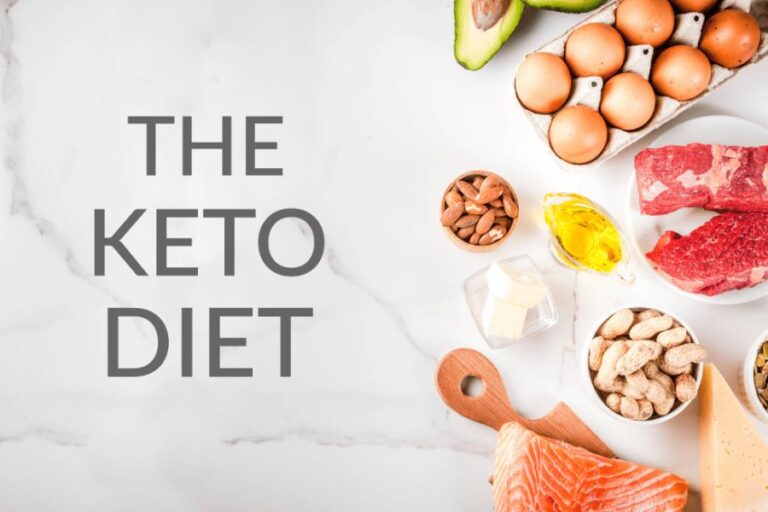
If you have started keto and now deal with keto constipation, you are not alone. The ketogenic diet is very high in fat, very low in carbs, and moderate in protein, and that shift affects how your digestive system works. On keto, you typically limit carbs to around 20 to 50 grams per day, which is far below the standard guideline of 225 to 325 grams for a 2,000 calorie diet (Healthline).
That sharp drop in carbs can lead to:
- Less fiber, since many high fiber foods like fruits, whole grains, legumes, and starchy vegetables are restricted (Healthline, Everyday Health).
- Changes in fluid and electrolyte balance, especially sodium, as your body sheds water early in ketosis (Virta Health).
- A sudden shift in how your gut bacteria and digestive system handle more fat and fewer carbs.
Constipation is usually defined as three or fewer bowel movements per week, plus hard, lumpy, and difficult to pass stools (Healthline). For many people this is temporary and lasts a few days to a few weeks as your body adjusts (Medical News Today), but that does not make it comfortable.
The good news is that you can usually relieve keto constipation with a few targeted changes, while staying in ketosis and continuing toward your weight loss or health goals.
Add more fiber the keto friendly way
A big driver of constipation on keto is a sudden drop in fiber. Fiber adds bulk and water to your stool, which makes it easier to pass and helps keep you regular (Medical News Today).
You do not need grains or high sugar fruit to get fiber. Instead, build your meals around low carb, high fiber foods that still fit your daily carb limit.
Focus on nonstarchy vegetables
Nonstarchy vegetables give you fiber, fluid, and micronutrients without a big carb load. Aim to include them at most meals.
Examples include (Healthline, Everyday Health):
- Broccoli
- Cauliflower
- Spinach and other leafy greens
- Zucchini
- Artichokes
- Collard greens
- Cabbage
Practical ideas:
- Add a side salad with leafy greens and olive oil to lunch and dinner.
- Roast a tray of broccoli, cauliflower, and zucchini at the start of the week for easy sides.
- Stir spinach or kale into omelets or scrambled eggs.
Use fiber rich fats and low carb fruits
You can also get fiber from higher fat plant foods and small servings of low carb fruits.
Helpful options include (Everyday Health, Healthline):
- Avocado
- Nuts like almonds, walnuts, pecans
- Seeds such as chia or flax
- Small portions of raspberries and other low carb berries
Simple ways to use them:
- Top salads with avocado and a sprinkle of nuts or seeds.
- Blend a small handful of raspberries into a keto friendly smoothie.
- Stir chia or ground flax into yogurt or a low carb seed pudding.
Track portions so you stay within your daily carb target while steadily raising your fiber intake.
Stay hydrated and support electrolytes
Hydration plays a surprisingly big role in keto constipation. Early in ketosis you lose more water, and with it you lose sodium and other electrolytes. This can leave your stools dry and hard.
According to Virta Health, constipation on a well formulated ketogenic diet is often caused by too little sodium and inadequate fluid intake rather than just a lack of fiber (Virta Health).
Drink enough fluid throughout the day
Aim to sip water steadily instead of trying to catch up all at once.
You can:
- Keep a refillable bottle nearby and use it as a visual reminder.
- Have a glass of water with every meal and snack.
- Include unsweetened herbal or black tea if you like variety.
Pay attention to signs that you might need more fluids, such as very dark urine or feeling lightheaded when you stand up.
Consider broth for sodium
Virta Health suggests a simple remedy for keto constipation: add around 2 cups of broth or bouillon per day, along with adequate fluids, to support sodium and hydration (Virta Health).
You might:
- Sip a cup of salted bone broth in the afternoon.
- Start dinner with a small bowl of broth based soup, keeping ingredients keto friendly.
If you have high blood pressure, kidney disease, or you are on medication that affects fluid balance, check with your doctor before deliberately increasing sodium.
Transition into keto more gradually
How quickly you change your diet can affect how your digestion responds. Jumping straight from a high carb pattern to strict keto can shock your system and contribute to constipation, nausea, or general “keto flu” symptoms.
Medical News Today notes that transitioning too quickly to a ketogenic diet can cause gastrointestinal symptoms, and recommends shifting over several weeks instead (Medical News Today).
Step down your carbs in stages
If you are still planning your keto start, or you tried once and struggled with constipation, you can:
- Begin near the higher end of keto carbs, around 50 grams per day.
- Maintain that level for a week or two as you add more nonstarchy vegetables and adjust your meals.
- Gradually move down if you want a stricter carb limit, checking how your digestion responds along the way.
Healthline also suggests that gradually reducing carb intake, rather than dropping suddenly, can help prevent constipation on keto (Healthline).
Use supplements and laxatives cautiously
It can be tempting to grab an over the counter laxative the moment you feel blocked up. While these can sometimes help in the short term, they are not always the best first step on keto and they can bring their own issues.
Understand carb content in supplements
Some fiber supplements and laxatives contain carbohydrates or added sugars. These ingredients may affect ketosis if you use them regularly or in large amounts (Healthline).
Before you buy:
- Read labels for sugar, maltodextrin, or other carb containing fillers.
- Check total carbs and net carbs per serving.
- Consider whether you really need a supplement or if food and hydration changes might be enough.
Talk with your healthcare provider
Both Medical News Today and Healthline recommend consulting a healthcare professional if you are thinking about using fiber supplements or laxatives to manage keto constipation, particularly if symptoms persist (Medical News Today, Healthline).
A professional can help you:
- Choose products that are less likely to interfere with ketosis.
- Decide on a safe dose and duration.
- Rule out other medical causes for your constipation.
Support your gut long term
Your digestion is influenced by more than just your daily carb count. As you settle into keto, it helps to think about your gut health more broadly.
Include fermented foods if you tolerate them
Fermented foods provide beneficial bacteria that may support a healthy gut environment. Everyday Health notes that options like sauerkraut and kimchi can be part of a strategy to manage keto related constipation (Everyday Health).
Ideas:
- Add a spoonful of sauerkraut as a side with your protein and vegetables.
- Mix a small serving of kimchi into scrambled eggs or cauliflower rice.
Check labels to make sure there is no added sugar, and start with small amounts to see how your body responds.
Give your body time to adapt
For many people, constipation on the ketogenic diet is temporary. Healthline notes that symptoms often last from a few days to a few weeks as your body adapts to digesting more fat and fewer carbs (Healthline). Virta Health also reports that sustained nutritional ketosis may improve digestive symptoms like gas and bloating for some people over time (Virta Health).
As you adjust, keep an eye on:
- How often you have bowel movements.
- How hard or easy they are to pass.
- Any new symptoms such as pain or bleeding.
If you see gradual improvement, that is a good sign your system is adapting.
Know when to contact a doctor
While mild keto constipation is common, it should not be ignored if it drags on or causes significant discomfort. Long term constipation can lead to complications such as anal fissures, hemorrhoids, and abdominal pain (Healthline).
Healthline recommends talking with a doctor if constipation continues for more than three weeks despite home remedies like increased fiber and hydration (Healthline). You should also reach out sooner if you notice:
- Blood in your stool.
- Severe or worsening abdominal pain.
- Unexplained weight loss.
- Nausea or vomiting along with constipation.
A healthcare professional can:
- Check for underlying conditions.
- Review your version of the keto diet and suggest tailored adjustments.
- Recommend safe treatments that align with your health history.
Put it all together
You can usually ease keto constipation without giving up your low carb goals. To recap, you can:
- Add more keto friendly fiber with nonstarchy vegetables, avocado, nuts, seeds, and small amounts of low carb fruit.
- Drink plenty of water and consider broth for extra sodium, especially if you are new to keto.
- Transition gradually into a very low carb intake instead of changing overnight.
- Use supplements and laxatives carefully and with your provider’s guidance.
- Monitor your symptoms and contact a doctor if constipation lasts longer than three weeks or you notice warning signs.
Try making one or two changes today, for example adding an extra serving of vegetables to your next meal and sipping water more consistently. Then adjust step by step until your digestion feels more comfortable while you continue to enjoy the benefits of keto.
About the Author