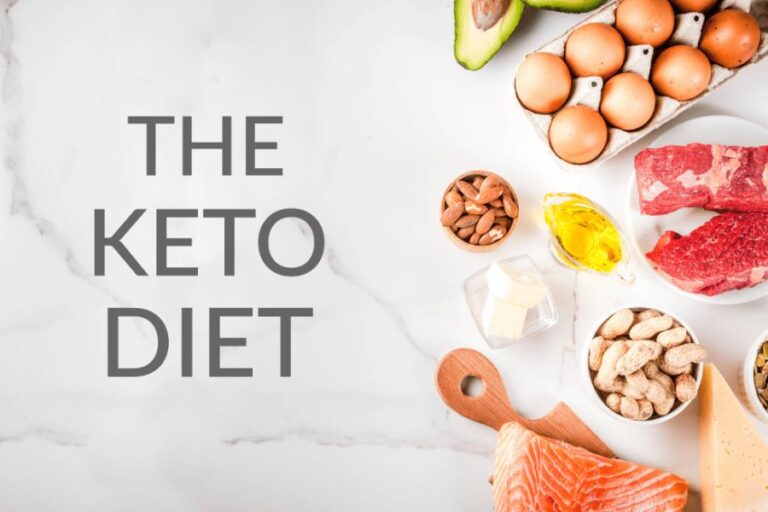
Understand the keto diet basics
If you are exploring a keto diet for beginners to lose weight or improve your health, it helps to understand what is actually happening in your body. A ketogenic diet is a very low carbohydrate, high fat way of eating that shifts how you use energy. Instead of running mostly on glucose from carbs, your body starts running on fat and ketones.
On a typical ketogenic diet, your daily calories usually look something like this:
- About 60% to 80% from fat
- About 15% to 20% from protein
- About 5% to 10% from carbohydrates
In practice, that usually means limiting carbs to somewhere between 20 and 50 grams per day to enter a state called ketosis, where your body burns fat for fuel instead of carbs (Healthline, Cleveland Clinic).
You will focus on:
- High fat foods, like avocado, nuts, seeds, olive oil, butter and fatty fish
- Moderate protein, like eggs, poultry, beef, pork, Greek yogurt and cheese
- Very low carb vegetables, like leafy greens, zucchini, peppers and cucumbers
Higher carb foods such as bread, pasta, rice, potatoes, sweets, sugary drinks and most fruit move to the background because they can quickly push you over your carb limit (EatingWell).
If you are under medical care or take medications, especially for diabetes or blood pressure, talk with your healthcare provider before you begin. Keto is a big change, and professional guidance is important (WebMD, Northwestern Medicine).
Learn how keto supports weight loss
Many people turn to a keto diet for beginners because they want to lose weight without feeling hungry all the time. Keto can support weight loss in several ways.
How ketosis helps you burn fat
When you sharply reduce carbs, your body has less glucose available. Over a few days, your liver begins converting fat into ketones, which your brain and muscles can use for energy. This metabolic state is called ketosis (Diet Doctor, Healthline).
In ketosis:
- Insulin levels tend to fall, which may make it easier to access stored body fat for energy (Diet Doctor)
- You rely more on fat for fuel, both from your plate and from your body
Research has found that keto and other low carb diets can lead to equal or slightly more weight loss than low fat diets, sometimes with less hunger (Diet Doctor, Healthline).
What to expect with early weight loss
During your first week or two of keto, you may see the scale drop quickly. This early drop is often a mix of water weight and some fat loss. When you cut carbs, you use up stored glycogen, and glycogen holds water, so that water leaves with it (Northwestern Medicine).
After that first phase, weight loss usually slows and becomes more gradual. Long term fat loss still depends on an overall calorie deficit and sustainable habits, so patience will serve you well.
Explore potential health benefits
Beyond weight loss, a keto diet for beginners is often discussed in the context of blood sugar and metabolic health. There is active research in this area, and the diet may not be right for everyone, but you can get a sense of where keto appears promising.
Blood sugar and type 2 diabetes
Because keto is very low in carbohydrates, it tends to lower blood sugar and insulin levels. For some people with type 2 diabetes or prediabetes, this can be helpful, especially when closely supervised by a healthcare professional.
Studies have found that keto and other low carb diets can:
- Improve insulin sensitivity
- Lower A1C levels
- Reduce the need for diabetes medications for some people
Some long term studies have reported substantial improvements in blood sugar control and weight in people with type 2 diabetes who followed a ketogenic pattern under medical guidance (Diet Doctor, Healthline, WebMD).
Other areas of interest
Researchers are looking at ketogenic diets for several additional conditions, including epilepsy, certain neurological conditions and metabolic syndrome. In some of these areas, keto has a longer history, especially for seizure control. In other areas, like long term heart and kidney health, questions remain and the research is still evolving (Healthline, Northwestern Medicine).
If you are considering keto for a specific medical condition, that is a strong signal to involve your doctor and, ideally, a registered dietitian.
Know the possible risks and side effects
Like any restrictive eating pattern, a keto diet for beginners comes with tradeoffs. Understanding the potential downsides helps you decide whether keto fits your life and health needs.
Short term “keto flu”
When you first start keto, you may experience a cluster of symptoms often called the “keto flu.” These can include:
- Headache
- Fatigue or low energy
- Nausea or upset stomach
- Constipation or diarrhea
- Muscle cramps
These symptoms usually show up in the first few days and often improve within about a week as your body adapts, although the timeline can vary (Healthline, WebMD, Cleveland Clinic).
You may be able to ease these early side effects by:
- Gradually lowering your carbs before going fully keto
- Drinking enough water
- Including sources of sodium and other minerals, if appropriate for your health, after checking with your provider
Longer term concerns
Because keto reduces or removes many food groups, it can be harder to get all the nutrients and fiber your body needs. Potential issues include:
- Nutrient gaps from fewer fruits, whole grains, legumes and some vegetables
- Increased saturated fat intake if you rely heavily on red meat, butter and cheese
- Possible rises in LDL cholesterol for some people
- Constipation due to lower fiber intake
- Stress or frustration from strict tracking and limited food choices
Experts have raised concerns about the impact of long term ketogenic diets on heart and kidney health, especially if you have existing conditions, and about the challenge of maintaining such a restrictive pattern over time (EatingWell, Northwestern Medicine).
If you decide to try keto, regular check ins with your healthcare team give you a safety net. Blood tests, blood pressure checks and ongoing symptom tracking can help catch issues early.
Get your kitchen keto ready
A keto diet for beginners is easier when your kitchen supports your new habits. Before you make big changes, spend a little time preparing your space and your shopping list.
Step 1: Take inventory
Look through your pantry, fridge and freezer and notice which foods fit a ketogenic pattern and which do not. You do not need to throw everything out. Instead, you can:
- Set aside high carb foods you want to use up or donate
- Group keto friendly foods together so they are easy to see
- Make a short list of low carb staples you want to keep on hand
This kind of organization is one of the first steps recommended in beginner friendly keto guides and meal plans (Whole Foods Market).
Step 2: Stock up on keto staples
Your specific list will reflect your tastes, budget and any food allergies. In general, you might focus on:
-
Proteins
-
Eggs
-
Chicken thighs or breasts
-
Ground beef or turkey
-
Salmon or other fatty fish
-
Tofu or tempeh if you include soy
-
Fats and oils
-
Olive oil or avocado oil
-
Butter or ghee
-
Avocados
-
Nuts and seeds
-
Dairy, if tolerated
-
Cheese
-
Heavy cream
-
Plain Greek yogurt or cottage cheese
-
Low carb vegetables
-
Spinach, kale and other leafy greens
-
Broccoli, cauliflower and zucchini
-
Peppers, cucumbers and celery
Building meals from these basics makes it easier to stay within your carb range while still eating satisfying food (Healthline, EatingWell).
Step 3: Make convenience your ally
Keto does not have to mean cooking every meal from scratch. Many beginner meal plans encourage you to:
- Use precut vegetables
- Buy rotisserie chicken and pair it with low carb sides
- Rely on simple recipes you can repeat
- Cook once and eat leftovers for several meals
Batch cooking, such as roasting a tray of chicken or a large piece of meat to use for multiple lunches and dinners, can save you a lot of time and effort on busy days (Whole Foods Market).
Plan your first week of meals
Planning a basic week of food gives you a roadmap and removes some decision fatigue. You do not have to create a perfect plan. You just need something simple that fits your schedule.
Use repeatable, simple breakfasts
On a keto diet for beginners, repetition can be a strength. Choosing one or two quick breakfast options and cycling through them saves time and reduces the chance that you reach for high carb standbys.
Ideas inspired by beginner meal plans include:
- Egg bakes or egg bites you prep on the weekend and reheat on weekdays
- Plain Greek yogurt or a keto friendly yogurt topped with chia seeds and a small portion of berries
- Scrambled eggs cooked in butter with spinach or peppers on the side
The key is to combine protein, fat and a small amount of low carb produce so you feel satisfied without a big carb load (Whole Foods Market).
Build easy lunches and dinners
For lunches and dinners, you can rotate a few basic templates:
- Protein + low carb vegetables + fat source
- Big salad with protein and a full fat dressing
- Leftovers from last night’s dinner
Some examples:
- Grilled chicken thighs, roasted broccoli and cauliflower, and a drizzle of olive oil
- Salmon with a side salad, avocado and olive oil vinaigrette
- Lettuce wrapped burgers with cheese and sliced cucumbers
Batch cooking meats, like a roast or a tray of chicken breasts, means you can turn last night’s dinner into today’s salad or lettuce wraps without extra cooking (Whole Foods Market).
Choose smart keto snacks
Snacks are optional, but if you like them, planning ahead helps you avoid grabbing high carb convenience foods. Keto friendly options include:
- Celery, cucumber or peppers with a creamy dip
- Cheese slices or cheese crisps
- Hard boiled eggs
- Pork rinds with fresh salsa
- Keto style protein bars that fit your carb limit
These types of snacks can help you stay in ketosis while giving you something quick when hunger pops up between meals (Whole Foods Market).
Prepare for the first week on keto
Your first week on a keto diet for beginners is a transition period. A little planning can make it smoother and help you notice how your body responds.
Day 1 to 3: Adjusting to fewer carbs
As you sharply reduce carbs, you might notice:
- More frequent urination as your body loses stored water
- A drop in appetite for some meals, but cravings for familiar carb rich foods at others
- Mild fatigue as your body adjusts to using more fat for fuel
During this phase, it can help to:
- Drink water regularly throughout the day
- Eat enough fat to feel satisfied
- Keep meals simple so you are not overwhelmed by cooking and tracking
Most people begin moving toward ketosis within two to four days when they limit carbs to around 20 to 50 grams per day, though the exact timing can vary (Cleveland Clinic, WebMD).
Day 4 to 7: Signs your body is adapting
By the end of the first week, you may notice:
- Changes on the scale, often from water plus some fat loss
- A slightly different kind of hunger, sometimes less sharp than carb driven cravings
- A bit more steady energy for some people, once the early “keto flu” lifts
You might also see signs of ketosis such as:
- Changes in breath odor
- Different urine smell
- Reduced appetite
If symptoms like headache or fatigue feel intense or persist, slow down and check in with a healthcare professional. Keto is not a race, and your comfort and safety matter (Healthline, Cleveland Clinic).
Decide if keto fits your long term goals
A keto diet for beginners can be a tool. Whether it is the right one for you depends on your health, preferences and lifestyle.
Questions to ask yourself
As you try keto, consider:
- How do you feel physically and mentally on most days
- Are you able to enjoy social occasions and family meals without constant stress
- Do you find the level of structure manageable, or does it feel overwhelming
- Are your health markers moving in a direction you and your provider are happy with
If keto supports your goals without making life feel smaller, it may be worth continuing in some form. If it leaves you drained, anxious or disconnected from food and social experiences, you might decide to adjust or move toward a less restrictive way of eating.
When to seek extra support
You do not have to figure everything out alone. It is a good idea to get professional guidance if you:
- Take medications for diabetes, blood pressure or heart disease
- Have kidney, liver or pancreas conditions
- Have a history of disordered eating
- Notice concerning symptoms like dizziness, chest pain, severe weakness or ongoing digestive problems
Healthcare professionals and registered dietitians who understand low carb and ketogenic diets can help you tailor this approach to your needs and adjust it as your life and health change (WebMD, Northwestern Medicine).
Key takeaways for starting keto
If you are considering a keto diet for beginners, here are the main points to keep in mind:
- Keto is a very low carb, high fat, moderate protein way of eating that aims to put your body into ketosis.
- Many people use keto to support weight loss and blood sugar control, but it is not the only option and it may not suit everyone.
- Early weeks can bring “keto flu” symptoms, which are usually temporary but still important to monitor.
- Planning simple meals, stocking basic staples and using leftovers will make keto more realistic in everyday life.
- Long term, keto can be challenging to sustain and may affect heart, kidney and digestive health, so regular medical check ins are important.
You do not have to decide today if keto is your forever plan. You can start by learning, planning a week or two of meals and paying close attention to how you feel. From there, you can adjust, ask questions and choose the version of eating that supports both your health and your day to day life.
About the Author