What 16 8 intermittent fasting is
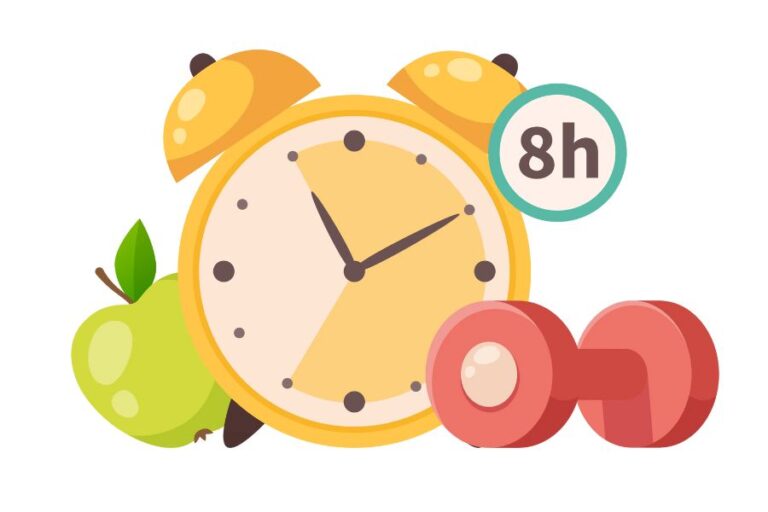
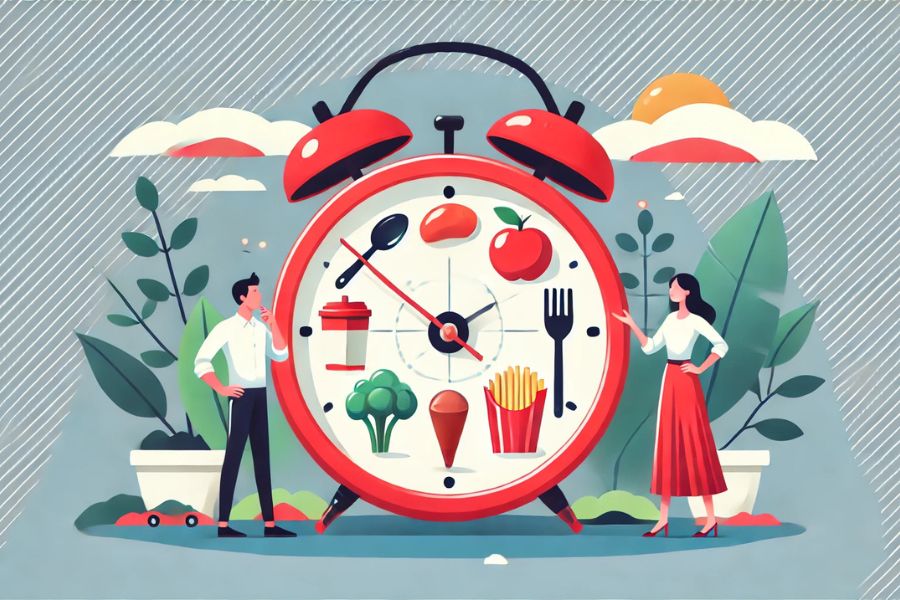
With 16 8 intermittent fasting, you eat all your meals within an 8 hour window and fast for the remaining 16 hours. During the fasting period you avoid calories but you can still have water, plain coffee, or unsweetened tea.
This style of intermittent fasting focuses on when you eat, not exactly what you eat. The idea is that by limiting your eating window, you naturally take in fewer calories and give your body time to tap into stored fat for energy.
According to sources like Healthline, the 16/8 method is one of the most popular and straightforward intermittent fasting schedules, which is why many people find it easier to maintain compared to more restrictive plans (Healthline).
A typical daily schedule
You can shift the 8 hour window to fit your routine. Some common examples:
- 10:00 a.m. to 6:00 p.m.
- 11:00 a.m. to 7:00 p.m.
- 12:00 p.m. to 8:00 p.m.
During those 8 hours, you eat your usual meals and snacks. The other 16 hours are for fasting and calorie free drinks only.
Mass General Brigham notes that this kind of time restricted eating is flexible, and most people choose an eating window between 6 and 10 hours that fits their schedule (Mass General Brigham).
How 16 8 intermittent fasting works in your body
When you stop eating for long enough, your body gradually switches from using sugar from food to using stored fat for energy. This process is often called a metabolic switch.
The metabolic switch
Johns Hopkins Medicine explains that after several hours without food, your body runs low on stored sugar and begins burning fat instead, which is one reason intermittent fasting may support fat loss and better metabolic health (Johns Hopkins Medicine).
Mass General Brigham adds that after about 10 to 12 hours of fasting, your body starts relying more on fatty acids rather than glucose. This shift may help with fat burning and trigger helpful cellular clean up processes like autophagy (Mass General Brigham).
Time restricted eating vs other fasting styles
The 16 8 approach is a form of time restricted eating. You eat every day, but you limit food intake to a smaller window. Mayo Clinic describes this as eating normally for part of the day, then switching to very few or no calories during the fasting period (Mayo Clinic).
Other fasting styles might involve full fasting days or very low calorie days, but 16 8 intermittent fasting keeps the pattern simple and consistent from day to day.
Potential benefits for weight and health
You might be interested in 16 8 intermittent fasting to lose weight, improve health, or both. Research is still evolving, and results vary from person to person, but several potential benefits keep coming up in studies.
Weight loss and body composition
By limiting your eating window, you are likely to reduce overall calorie intake without rigid calorie counting. That can support weight loss over time.
Healthline reports that in a review of intermittent fasting research, 11 out of 13 studies showed statistically significant weight loss, suggesting that methods like 16/8 may help you lose weight by naturally lowering daily calories (Healthline).
Berry Street also describes the 16/8 pattern as one of the most popular and sustainable fasting approaches, and shares example meal plans that focus on nutrient dense foods like eggs, avocado, grilled chicken, and salmon to keep you fuller for longer within your eating window (Berry Street).
Blood sugar and insulin
If you are concerned about blood sugar, intermittent fasting might be appealing.
According to Healthline, 16/8 intermittent fasting has been linked to improved blood sugar control. It may reduce fasting insulin and blood sugar levels, which could lower the risk of type 2 diabetes in some people (Healthline).
Berry Street also notes that fasting may improve insulin sensitivity, although anyone who already has diabetes should speak with a healthcare provider before trying it (Berry Street).
Heart health markers
Fasting might support certain heart health markers when combined with an overall healthy lifestyle.
Berry Street references studies suggesting that the 16/8 approach can support heart health by lowering LDL cholesterol and triglycerides and by improving HDL cholesterol and some inflammation markers linked with heart disease (Berry Street).
Mayo Clinic adds that intermittent fasting may help with weight management, which is closely tied to heart health, although long term effects are still not fully clear (Mayo Clinic).
Long term health and disease risk
Johns Hopkins Medicine highlights research suggesting intermittent fasting might help protect against some chronic conditions, including type 2 diabetes, heart disease, certain cancers, and some neurodegenerative diseases, although more study is needed to understand how strong and lasting those benefits are (Johns Hopkins Medicine).
Animal studies summarized by Healthline also hint that intermittent fasting may influence longevity and metabolic pathways, but human evidence is still limited and not conclusive (Healthline).
Possible risks and side effects to know
16 8 intermittent fasting is not suitable for everyone, and it can cause side effects, especially in the beginning. It is important to understand the potential downsides so you can make an informed decision.
Common short term side effects
Several sources, including Healthline and Harvard Health Publishing, describe similar early side effects when you first start fasting:
- Increased hunger and cravings, especially in the first days (Healthline)
- Headaches, often mild to moderate, sometimes linked to low blood sugar or caffeine changes (Healthline)
- Fatigue or low energy while your body adjusts (Healthline)
- Irritability and mood changes related to hunger and low blood sugar (Healthline)
- Constipation or digestive changes as your eating pattern shifts (Mayo Clinic)
Harvard Health Publishing lists headaches, lethargy, irritability, and constipation as common side effects to watch for if you follow a 16:8 plan (Harvard Health Publishing).
Overeating and weight gain risk
Paradoxically, fasting can push you to overeat during your eating window. Healthline notes that a key drawback of 16/8 intermittent fasting is the risk of overeating in your 8 hour window, which can cancel out calorie reduction and might even lead to weight gain (Healthline).
Harvard Health Publishing adds that your body may ramp up appetite hormones in response to fasting. This drive to compensate for missed calories can slow your metabolism and increase hunger, similar to what happens on strict calorie restricted diets (Harvard Health Publishing).
Potential hormonal and menstrual effects
Some older animal studies highlighted by Healthline suggest that intermittent fasting could affect hormones and menstrual cycles, although human data are limited (Healthline).
Mayo Clinic also notes that intermittent fasting can influence menstrual cycles in some people, which is another reason to check in with a healthcare professional if you notice cycle changes or if you already have hormonal conditions (Mayo Clinic).
Who should avoid or be cautious with 16 8
Certain groups are advised to avoid intermittent fasting or use extra caution:
- People with diabetes or blood sugar disorders, especially if you take insulin or other medication
- Those taking medicines that need food, or that may impact blood pressure or heart function
- Pregnant or breastfeeding women
- People under 18
- Older adults who are at risk of becoming underweight or losing muscle and bone mass
- Anyone with a history of eating disorders
Harvard Health Publishing emphasizes that some medications and medical conditions can make fasting hazardous, due to mineral imbalances or the need to take medicine with food (Harvard Health Publishing).
Mass General Brigham also suggests that people with certain health concerns, those on medication, and specific groups such as pregnant women and minors should not fast and should review any plan with a healthcare provider first (Mass General Brigham).
How to start 16 8 intermittent fasting
If you and your healthcare provider decide 16 8 intermittent fasting is appropriate, you can make the transition gradually. Sudden changes are more likely to leave you drained and frustrated.
Step 1: Choose your eating window
Pick an 8 hour window that fits your life:
- Early window: 8:00 a.m. to 4:00 p.m.
- Midday window: 10:00 a.m. to 6:00 p.m.
- Later window: 12:00 p.m. to 8:00 p.m.
Mass General Brigham points out that recent research suggests starting earlier in the day and finishing with an earlier dinner may be more beneficial than eating very late, even if the fasting length is the same (Mass General Brigham).
Step 2: Ease into the fasting hours
You can build up to the full 16 hour fast over a week or two.
- Begin with a 12 hour fast, such as 8:00 p.m. to 8:00 a.m.
- After a few days, extend it to 14 hours.
- Once that feels manageable, stretch it to 16 hours.
Berry Street suggests gradually increasing fasting time, staying hydrated, and listening to your body rather than jumping into long fasts overnight (Berry Street).
Step 3: Focus on what you eat during the 8 hours
Intermittent fasting is not a free pass to eat anything within your window. What you choose still matters for your weight, energy, and overall health.
Aim to build your meals around:
- Lean proteins like eggs, chicken, fish, or beans
- Fiber rich vegetables and fruits
- Whole grains like oats, brown rice, or quinoa
- Healthy fats from nuts, seeds, olive oil, or avocado
Berry Street’s example 7 day 16/8 meal plan includes options such as scrambled eggs with avocado, grilled chicken salad, and salmon with roasted sweet potatoes for balanced, satisfying meals that help keep you full during fasting periods (Berry Street).
Step 4: Stay hydrated and manage cravings
Dehydration can make hunger, headaches, and fatigue feel worse. Healthline notes that natural diuresis at the beginning of fasting can increase water and salt loss, so it is important to drink enough fluids and check that your urine is a pale yellow color (Healthline).
During your fast you can have:
- Water
- Plain black coffee
- Unsweetened tea
If cravings hit:
- Try a glass of water first.
- Distract yourself with a short walk or a task.
- Remind yourself that cravings usually pass in a few minutes.
Step 5: Plan for the first 2 to 4 weeks
Johns Hopkins Medicine notes that it often takes about 2 to 4 weeks for your body to adapt to an intermittent fasting routine. You may feel hungry, irritable, or tired at first, but many people report feeling better once they settle into the pattern (Johns Hopkins Medicine).
During this adjustment phase, it can help to:
- Keep a simple food and mood log.
- Prioritize sleep and light movement.
- Scale back on very intense workouts until your energy stabilizes.
Simple 16 8 intermittent fasting day example
Here is one way a 16/8 day might look with an eating window from 10:00 a.m. to 6:00 p.m. This is just an illustration, not a meal plan you must follow.
| Time | What you might do |
|---|---|
| 6:30 a.m. | Wake up, drink water or plain coffee |
| 8:00 a.m. | Light walk or stretching |
| 10:00 a.m. | Break fast with a balanced first meal |
| 1:30 p.m. | Lunch with protein, veggies, whole grains |
| 4:30 p.m. | Light snack such as yogurt or nuts |
| 6:00 p.m. | Finish eating for the day |
| Evening | Water or herbal tea only |
You can adjust timings, food choices, and activities to fit your lifestyle and preferences.
How 16 8 compares to other approaches
It may help to see 16 8 intermittent fasting alongside a few other common eating patterns.
| Approach | What it focuses on | Pros | Cons |
|---|---|---|---|
| 16/8 intermittent fasting | When you eat, 8 hour window daily | Simple pattern, flexible timing, daily meals | Hunger, side effects, risk of overeating |
| Calorie restricted diet | How much you eat overall | No fasting, can fit any schedule | Constant tracking, may feel restrictive |
| General time restricted eating | Eating within 6 to 10 hours each day | Flexible window, similar to 16/8 | Effects vary with window length and timing |
Mayo Clinic points out that some of the health improvements seen with fasting may also occur with calorie restriction alone and that long term health effects of intermittent fasting are still unclear (Mayo Clinic).
When to talk to a healthcare professional
Before you begin 16 8 intermittent fasting, it is wise to speak with a healthcare provider if:
- You have any chronic condition, especially diabetes, heart disease, or blood pressure issues
- You take medications that affect blood sugar, blood pressure, or that must be taken with food
- You are pregnant, breastfeeding, under 18, or an older adult with low body weight
- You have a history of disordered eating or are currently underweight
Harvard Health Publishing and Mass General Brigham both stress that intermittent fasting can be risky for some people, particularly those on certain medications or with underlying conditions, and that a medical review is important before you start changing your eating pattern (Harvard Health Publishing) (Mass General Brigham).
If you decide to try 16 8 intermittent fasting, keep an eye on how you feel. If you notice severe fatigue, dizziness, extreme hunger that leads to binging, menstrual changes, or any other concerning symptoms, pause the plan and reach out to a professional for guidance.
Key takeaways
- 16 8 intermittent fasting means you eat within an 8 hour window and fast for 16 hours each day, with water and calorie free drinks allowed during the fast.
- It may help you lose weight, improve blood sugar control, and support some heart health markers, although research is still developing.
- Common side effects include hunger, headaches, fatigue, irritability, and constipation, especially in the early weeks.
- Overeating during your eating window, hormonal changes, and interactions with medications are important risks to consider.
- A gradual start, nutrient dense meals, hydration, and an earlier eating window can make the plan more manageable.
- Intermittent fasting is not right for everyone, and it is important to check with a healthcare professional before you begin, especially if you have any medical conditions or take prescription medications.
If you choose to experiment with 16 8 intermittent fasting, start gently, pay attention to how your body responds, and adjust or stop if it does not feel supportive of your health and day to day life.
About the Author