Understand 20 4 intermittent fasting
If you have tried 16:8 and are curious about a stricter schedule, 20 4 intermittent fasting can sound appealing. You fast for 20 hours, then eat all your calories in a 4 hour window. It is a form of time restricted eating, and like other intermittent fasting methods it changes when you eat rather than strictly what you eat.
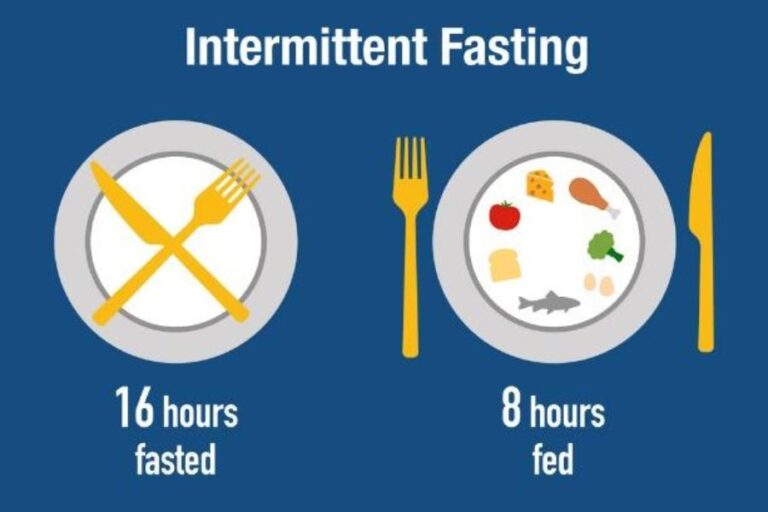
Researchers describe time restricted eating as limiting your daily food to a window that can be as short as 4 hours or as long as 12 hours, with 16:8 being one of the most common patterns (American Heart Association). The 20 4 version simply pushes that idea to an extreme.
Before you try it, it helps to know how it works, where it might help, and where it might cause problems.
How 20 4 intermittent fasting works
With 20 4 intermittent fasting, you split your day into two clear parts.
- Fasting window: 20 hours
- Eating window: 4 hours
A common schedule is to eat between 4 p.m. and 8 p.m. or 2 p.m. and 6 p.m., although you can adjust the start time to fit your life as long as you keep the fast near 20 hours (Examine).
What you consume during the fast
Most research grade protocols treat the 20 hour period as a true fast, which means:
-
Allowed
-
Water, still or sparkling
-
Black coffee
-
Plain tea
-
Other zero calorie drinks
-
Not allowed
-
Anything with more than about 5 to 10 calories
-
Creamers, sugary drinks, juice, milk, snacks
Some popular versions of the 20 4 pattern are more flexible. For example, one description of the “Warrior Diet” version suggests small portions of dairy, fruit, vegetables, or eggs during the day, then 85 to 90 percent of your calories in the 4 hour window at night (Aspect Health). This is not a strict fast, but it keeps calories low until the main meal.
What you eat during the 4 hour window
The eating window is short, so what you put on your plate matters. Across intermittent fasting research, experts recommend:
- Centering your meals on vegetables, whole grains, beans, fish, and healthy fats, similar to a Mediterranean style pattern (Johns Hopkins Medicine)
- Avoiding the trap of “I fasted so I can eat anything” with high calorie junk food
- Fitting your usual daily calories into that 4 hour window if you want maintenance, or creating a modest calorie deficit if your goal is weight loss
How 20 4 compares to other fasting styles
It is easier to understand 20 4 intermittent fasting when you see it next to other common approaches.
| Method | Fasting hours per day | Eating pattern | Typical difficulty |
|---|---|---|---|
| 16:8 | 16 | Eat within an 8 hour window daily | Beginner friendly |
| 5:2 | 24 most days, plus 2 low calorie days | 5 regular days, 2 days at about 500 to 600 calories (Johns Hopkins Medicine) | Moderate |
| 20:4 | 20 | Eat within a 4 hour window daily | Advanced |
Johns Hopkins notes that patterns like 16:8 and 5:2 are common, and the body usually needs about 2 to 4 weeks to adapt to any new fasting style (Johns Hopkins Medicine).
Compared with 16:8, 20:4:
- Gives you less flexibility for social meals
- Makes it easier to unintentionally create a large calorie deficit
- Is more likely to cause hunger and side effects, especially early on
Because of that, 20:4 is generally suggested for people who already have experience with milder intermittent fasting and want a stricter routine (Aspect Health).
Possible benefits of 20 4 intermittent fasting
Research on 20:4 specifically is still limited, but it falls under the broader umbrella of time restricted eating and intermittent fasting. Here is what current evidence and expert reviews suggest.
Weight loss and calorie control
Several sources point to weight loss as a likely outcome, mostly because:
- A narrow eating window makes it harder to snack all day
- Many people naturally eat fewer calories without formal tracking
One review of 20:4 style fasting notes that people reduced daily energy intake by about 550 calories on average and lost roughly 3 percent of their body weight over 8 weeks, without being told to count calories deliberately (Zero Longevity).
Another analysis describes 20:4 as a useful tool for weight loss when it creates a calorie deficit, and suggests that some people find it easier to follow a short eating window than to micromanage every meal on a traditional diet, although dropout rates are high overall (Examine).
Blood sugar and insulin sensitivity
Intermittent fasting can lead your body to use up stored sugar and switch to burning fat, a shift called metabolic switching (Johns Hopkins Medicine). Reviews of 20:4 style fasting report that:
- Longer fasts, around 18 hours or more, may improve insulin sensitivity and help your body handle blood sugar more smoothly (Examine)
- Some studies show better control of blood glucose spikes when people compress their eating into a shorter window (Zero Longevity)
If you are trying to improve markers like fasting glucose or insulin resistance, 20 4 intermittent fasting may help, but if you use blood sugar or blood pressure medications you need medical supervision because skipping meals can affect how those drugs work (Harvard Health Publishing).
Inflammation, cellular repair, and longevity
Longer fasts appear to trigger biological pathways that deal with stress and repair, including:
- Reduced chronic inflammation and oxidative stress, which are linked with conditions like heart disease, diabetes, and some cancers (Zero Longevity)
- Activation of autophagy, the process your body uses to clear out damaged cells and cellular waste (Zero Longevity)
Energy scarcity for 18 hours or more may also affect cell cycle regulation and energy mobilization, which could contribute to better cardiometabolic health, although specific data on 20:4 is still sparse (Examine).
How you might feel day to day
Some people report:
- Clearer thinking
- More stable energy
- Less mindless snacking
Early accounts of 20:4 note experiences like greater mental clarity, higher energy, and visible body composition changes within a month, although individual results vary widely (Aspect Health).
Risks and side effects to consider
Every fasting approach has trade offs. With 20 4 intermittent fasting, you are putting a lot of stress on your system for a good part of the day. You will want to weigh the following concerns carefully.
Common short term side effects
In the first 2 to 4 weeks, your body is adjusting from regular meal timing to longer gaps between meals. Johns Hopkins notes that this adaptation period is when people are most likely to feel:
- Strong hunger
- Irritability
- Low energy (Johns Hopkins Medicine)
Reviews of 20:4 and similar protocols list other short term issues:
- Headaches
- Dizziness
- Gastrointestinal upset like bloating or discomfort (Examine)
More general intermittent fasting side effects include lethargy, irritability, and constipation, especially when you are new to the pattern (Harvard Health Publishing).
Overeating and unhealthy patterns
One concern with intermittent fasting is what happens when the fast ends. Research points out that:
- Hunger hormones and brain signals can drive you to overeat on non fasting times
- You might end up eating very large, highly processed meals in your short window, which cancels out benefits and could create metabolic problems over time (Harvard Health Publishing)
Because 20:4 gives you only a 4 hour window, the risk of “feast and famine” behavior is real. You will want to be intentional about meal planning rather than simply eating as much as possible once the clock allows it.
Cardiovascular concerns with tight eating windows
Time restricted eating became popular in part because short term studies show improvements in measures like blood pressure and cholesterol (American Heart Association). However, newer research raises questions.
An analysis of more than 20,000 U.S. adults found that people who followed an 8 hour eating window pattern, similar in spirit to 16:8, had a 91 percent higher risk of death from cardiovascular disease than people who spread eating across 12 to 16 hours per day (American Heart Association).
You should keep a few points in mind:
- The study looked at 8 hour windows, not 4 hour windows, and did not specifically test 20:4
- The findings show an association, not proof that time restricted eating causes heart problems
- The data relied on self reported food intake, which can be inaccurate, and the biological reasons for the link are still unclear (American Heart Association)
Even with those limits, this research is a reminder that long term safety of very tight eating windows is not fully understood. If you have or are at risk for heart disease, it is especially important to discuss any extreme fasting plan with your health care team.
Who should avoid 20:4 intermittent fasting
Experts consistently warn that some groups should not use strict protocols like 20:4, including:
- People with type 1 diabetes
- Anyone with a history of eating disorders
- Pregnant or breastfeeding women (Examine, Aspect Health)
Harvard Health also cautions that intermittent fasting can be risky if you:
- Take medications for diabetes, blood pressure, or heart disease
- Need food with certain medications to avoid side effects like nausea
- Are an older adult who might be more vulnerable to excessive weight loss and its impacts on bone health, immunity, and energy (Harvard Health Publishing)
If you fall into any of these categories, you should not start 20:4 intermittent fasting without a clear go ahead from your doctor, and even then, a gentler pattern may be safer.
How to start 20 4 intermittent fasting safely
If you decide that 20:4 might fit your goals and you have checked in with your health care provider, easing into it will usually feel better than a sudden jump.
Step 1: Begin with a milder schedule
Going directly from three meals plus snacks to a 4 hour eating window can be a shock. You may find it easier to:
- Start with 12:12 for a week or two
- Move to 14:10 or 16:8, where you eat in a 10 or 8 hour window
- Try 18:6 for at least 1 to 2 weeks
- Only then experiment with 20:4 a few days per week
Most people need 2 to 4 weeks to adapt to a new intermittent fasting routine. During that time, expect some hunger and mood changes (Johns Hopkins Medicine).
Step 2: Choose your 4 hour window wisely
When you eat matters, not only for social reasons but also for your circadian rhythm.
- Early to mid day eating windows may support better metabolic outcomes
- Evening only windows can be convenient but could conflict with your natural rhythm if you routinely push food very late, and misalignment might affect metabolic health (Harvard Health Publishing)
You might experiment with:
- 12 p.m. to 4 p.m. if your lifestyle allows a large midday meal
- 2 p.m. to 6 p.m. or 4 p.m. to 8 p.m. if you want to include dinner with family or friends (Examine)
Pick a schedule you can realistically follow on workdays and weekends.
Step 3: Plan satisfying, nutrient dense meals
You have limited time to eat, so focus on quality and balance instead of just volume. Within your 4 hour window, aim for meals that include:
- Protein, such as fish, poultry, eggs, beans, or tofu
- High fiber carbohydrates like vegetables, fruit, whole grains, or legumes
- Healthy fats from sources like olive oil, nuts, seeds, or avocado
This style lines up with general advice to emphasize Mediterranean style foods while fasting, so you are not just swapping meal timing but also improving what you eat (Johns Hopkins Medicine).
Step 4: Stay hydrated and watch electrolytes
During the 20 hour fast you are not eating, but your body still needs fluids.
- Sip water regularly, not all at once
- Include plain tea or black coffee if you enjoy them, as long as they do not lead to jitters
- If you feel lightheaded or develop headaches, hydration and electrolyte balance are areas to check first
Since mineral imbalances can be an issue when meals are skipped, especially if you are on certain medications, bring any persistent symptoms to your doctor quickly (Harvard Health Publishing).
Step 5: Monitor your response and adjust
Keep an eye on how you feel over several weeks, not just a couple of days. Signs you may need to scale back or change strategies include:
- Intense fatigue or brain fog
- Frequent dizziness or headaches
- Worsening digestion, such as ongoing constipation or discomfort
- Obsessions about food, guilt around eating, or other patterns that suggest disordered eating
- Unintended rapid weight loss, particularly if you are older
If this happens, you might:
- Move back to a longer eating window like 16:8
- Use 20:4 only a few days a week instead of every day
- Or shift away from time restricted eating to a gentler approach
Is 20 4 intermittent fasting right for you?
20 4 intermittent fasting is one of the most demanding schedules in the intermittent fasting family. You are asking your body to stay in a low energy state for most of the day. For some people, that trade off results in weight loss, better blood sugar control, and a sense of mental clarity. For others, it leads to headaches, overeating, or stress on existing health conditions.
When you decide whether it suits you, consider:
- Your health status and medications, and whether your doctor supports the plan
- Your experience with less intense fasting patterns
- How well a 4 hour eating window fits your work, family life, and social commitments
- Whether you are prepared to eat nutrient dense foods within a short window instead of relying on convenience foods
If you are simply starting to explore intermittent fasting, you may find that 16:8 or 5:2 gives you many of the same benefits with fewer risks and more flexibility. If you are already comfortable with those patterns and you want to experiment further, you can try 20:4 gradually, listen to your body, and be ready to adjust course based on how you feel and what your health care provider recommends.
About the Author