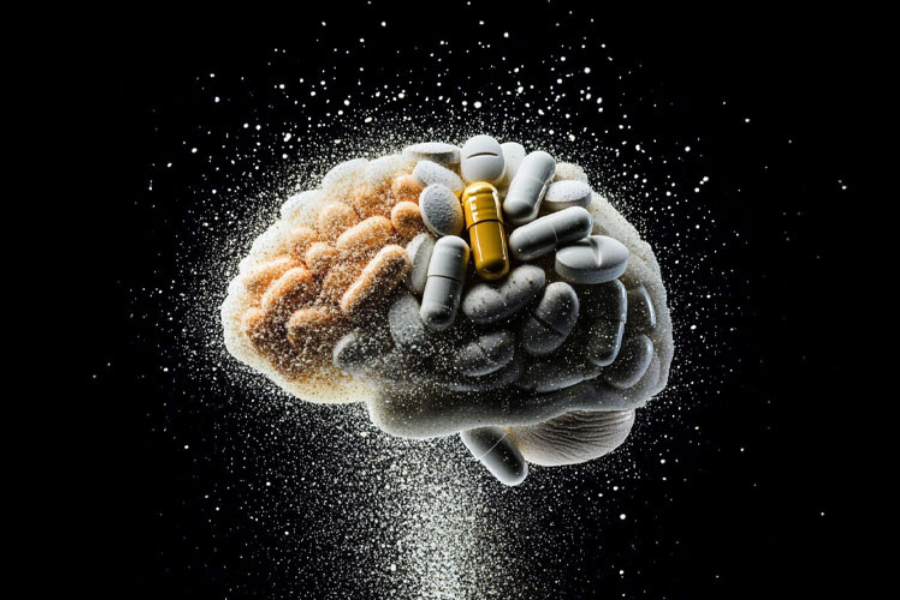
A long workday, a tough study session, or even a busy weekend can leave your brain feeling foggy. Natural nootropics supplements promise more focus, sharper memory, and better mental energy, all from plant based or naturally occurring ingredients. If you are curious about whether they actually work and how to use them safely, you are in the right place.
Below, you will learn what natural nootropics are, how they may support your brain, which ingredients are best studied, and what to keep in mind before you add them to your routine.
Understand what natural nootropics supplements are
Natural nootropics supplements are products that use plant extracts, amino acids, or other naturally occurring compounds to support cognitive functions. These include focus, learning, memory, mental energy, and stress resilience. Unlike many prescription drugs, natural nootropics are typically sold over the counter.
Most natural nootropics are derived from plants such as Bacopa monnieri, Ginkgo biloba, Panax ginseng, Rhodiola rosea, and Withania somnifera (ashwagandha). Others are nutrients your body already uses, like omega 3 fatty acids from fish oil or creatine. Research suggests these plant based nootropics can affect your brain in several ways, including improved blood flow, antioxidant activity, and support for neurotransmitters and neuronal proteins that help your brain cells communicate effectively (PMC).
You will often see these products marketed as “brain boosters” or “smart supplements.” While some ingredients have promising evidence, it is important to remember that results tend to be modest, not magical, and they work best as part of an overall healthy lifestyle.
Learn how natural nootropics support brain health
Natural nootropics supplements do not all work in the same way. Different ingredients target different aspects of brain health. Understanding these mechanisms helps you choose what fits your goals instead of grabbing the trend of the moment.
Many plant based nootropics act as antioxidants. Your brain is especially vulnerable to oxidative stress, which can damage cells and contribute to cognitive decline. Compounds in herbs like Bacopa, Ginkgo biloba, Panax ginseng, and Centella asiatica help neutralize reactive oxygen species and protect brain cells (PMC (MDPI), PMC).
Others improve blood flow to the brain. Ginkgo biloba, for example, supports circulation, so more oxygen and nutrients reach your neurons. Studies on standardized Ginkgo leaf extract (EGb 761) show improved cerebral blood flow and strong antioxidant effects that may support memory and mental clarity (PMC (MDPI)).
Some natural nootropics also help balance your stress response. Rhodiola rosea works as an adaptogen and appears to regulate the HPA axis and cortisol, which can normalize brain function under stress and improve resilience to physical and mental challenges (The Nutrition Institute). Ashwagandha has been shown to improve stress response and cognitive flexibility, especially in people dealing with anxiety or chronic stress (PMC (MDPI)).
On the performance side, nutrients like creatine increase cellular energy in your brain, which can translate into better short term memory and processing speed in some people (WebMD, Healthline).
Explore the most researched natural nootropics
Plenty of herbs and compounds are marketed as natural nootropics supplements, but a smaller group has meaningful human research behind it. Here is an overview of some of the better studied options and what they may offer you.
Always speak with your healthcare provider before starting any supplement, especially if you have a medical condition, take medications, or are pregnant or breastfeeding.
Bacopa monnieri (brahmi)
Bacopa is an Ayurvedic herb used for memory and learning support. Its active compounds, called bacosides, appear to protect the brain from oxidative stress, modulate neurotransmitters such as acetylcholine, dopamine, and serotonin, increase blood flow, and strengthen connections between neurons (The Nutrition Institute).
Research suggests Bacopa can help improve information processing and memory, although benefits usually show up after consistent use for 4 to 6 weeks rather than right away. It is generally well tolerated, though some people experience mild digestive discomfort (WebMD).
Ginkgo biloba
Ginkgo is one of the most popular herbal nootropics, especially for age related memory support. Standardized Ginkgo extracts improve brain blood circulation and have strong antioxidant and neuroprotective effects in animal and human studies (PMC (MDPI)).
A 2023 review of 18 clinical trials found that Ginkgo may reduce age related decline in brain function and improve vocabulary when taken alongside dementia medication, though evidence is less clear for healthy adults who simply want a sharper mind (Healthline). The most effective dose in studies of mild dementia has been 240 mg daily for about 24 weeks, but it does not significantly prevent dementia from developing (Healthline).
Withania somnifera (ashwagandha)
Ashwagandha is another adaptogenic herb with growing research. Clinical trials using daily doses around 225 to 400 mg of root extract have found improvements in cognitive flexibility, memory, psychomotor speed, and stress response, along with reduced anxiety in people with anxiety disorders (PMC (MDPI)).
If you tend to feel mentally drained from chronic stress, ashwagandha may be particularly helpful because it addresses both mood and cognitive performance.
Centella asiatica (gotu kola)
Gotu kola has been used traditionally for memory and mental clarity. In animal studies, aqueous extracts increased antioxidant enzymes, reduced lipid peroxidation in the brain, and improved learning and memory. A placebo controlled trial in older adults also showed enhanced working memory after supplementation (PMC (MDPI)).
This herb may interest you if your main goal is protecting your brain as you age, though more large scale human studies would strengthen the evidence.
Eleutherococcus senticosus (Siberian ginseng)
Siberian ginseng contains saponins, such as eleutheroside M and ciwujianosides, that can cross the blood brain barrier. Animal research shows these compounds promote dendritic growth in neurons and improve memory. Human trials have reported better mental health and cognitive function at doses around 300 mg per day over eight to twelve weeks (PMC (MDPI)).
You might consider Siberian ginseng if you want a general uplift in mental stamina and resilience rather than a narrow focus on memory alone.
Panax ginseng
Panax ginseng is another classic herbal nootropic. Its ginsenosides, such as Rb1 and Rg1, have been shown in animal models to enhance antioxidant activity, support synaptic plasticity, improve memory, and reduce Alzheimer like changes in the brain (PMC).
While these results are promising, human data is still developing, and responses can differ from person to person.
Fish oil (omega 3 fatty acids)
Fish oil is not often marketed as a nootropic, but it plays a major role in brain health. It provides DHA and EPA, two omega 3 fatty acids that are structural components of your brain. DHA alone makes up about 40 percent of the brain’s omega 3 content. A 2022 review found that higher omega 3 intake, especially DHA, was linked with improved thinking skills in adults around 45 years old (Healthline).
If your diet is low in fatty fish, fish oil supplements may help fill a gap that affects both brain and heart health.
L theanine (often with caffeine)
L theanine is an amino acid naturally found in green tea. It modulates neurotransmitters like dopamine and serotonin and boosts alpha brain waves, which are associated with a relaxed yet alert mental state (The Nutrition Institute).
Taken on its own, L theanine can support calm focus. When combined with caffeine, it can enhance mental performance while reducing jittery side effects. Studies suggest this pairing may improve multitasking and attention (WebMD).
Creatine
Creatine is better known in the fitness world, but your brain also relies on creatine to maintain energy levels. A 2020 review reported that creatine supplementation may improve memory and processing speed, especially in vegetarians and in people under high cognitive load, although some studies had bias and more research is needed (Healthline).
Because creatine increases cellular ATP, it may be particularly helpful if you often feel mentally exhausted after intense work or study. It is generally considered safe for healthy people, but it is not recommended if you have kidney issues (WebMD).
Weigh the benefits and limitations
Natural nootropics supplements come with several potential advantages. Compared to many synthetic drugs, plant based nootropics often have lower toxicity, a reduced risk of overdose, and a long history of traditional use (PMC). Many are available without a prescription and are generally well tolerated, especially when used to support cognitive impairments rather than to push a healthy brain beyond its usual limits.
There are also important limitations to keep in mind. Natural ingredients can degrade if they are poorly stored or processed. Active compounds may be lost if plants are not harvested at the right time, dried properly, or extracted with suitable techniques (PMC). This is part of why supplement quality varies so much from brand to brand.
Another key point is that many nootropic supplements seem to have stronger effects in people who already have nutrient deficiencies or mental health conditions, rather than in healthy individuals with normal brain function (Healthline). For example, someone with low omega 3 intake may notice a clear benefit from fish oil, while a person who already eats fatty fish regularly may notice only subtle changes.
Finally, long term safety data in healthy users is still limited. As of 2022, researchers note that while natural nootropics are generally well tolerated in studies on cognitive impairments, the long term impact of taking them for enhancement in healthy people remains unclear (PMC).
Choose and use natural nootropics wisely
If you decide to explore natural nootropics supplements, a thoughtful approach helps you get more benefit with less risk. Start by clarifying what you actually want to improve. Do you need better focus during work, less stress, sharper memory, or general brain protection as you age? Your goal will guide what you choose.
Next, look for products that use standardized extracts and clearly state the active compounds and dosages. For herbs like Ginkgo biloba or Bacopa, this matters because the concentration of active ingredients can vary widely. Check for third party testing where possible to reduce the chance of contamination or low potency.
When you start a new supplement, introduce only one at a time. This way, if you notice improvements or side effects, you can more easily connect them to the right product. Give each supplement enough time to work. Many herbal nootropics, such as Bacopa or Ginkgo, show their best results after several weeks or months of consistent use, not after a single dose.
Most importantly, treat nootropics as supportive tools, not as shortcuts. Your brain health still depends heavily on sleep, regular movement, nutrient dense food, social connection, and stress management. Supplements work best on top of these foundations, not in place of them.
When to talk to a professional
Because natural nootropics affect your brain chemistry and blood flow, you should always loop in a healthcare professional before you start taking them if you:
- Have a diagnosed mental health or neurological condition
- Take prescription medications, especially for blood thinning, blood pressure, or mood
- Are pregnant, breastfeeding, or trying to conceive
- Have kidney, liver, or bleeding disorders
A clinician can help you decide which ingredients and doses make sense for your situation and can monitor your response over time. This is especially important if you plan to combine several nootropics or use them long term.
If you want to experiment safely, you might begin with a simple option such as green tea for a gentle L theanine and caffeine combination, or a high quality fish oil if your diet is low in omega 3 rich fish. From there, you can discuss more targeted herbs like Bacopa, Ginkgo, or ashwagandha with your provider.
By understanding what natural nootropics supplements can and cannot do, you set realistic expectations and give yourself the best chance of improving your focus, memory, or stress resilience in a way that is sustainable and safe for your brain.
About the Author