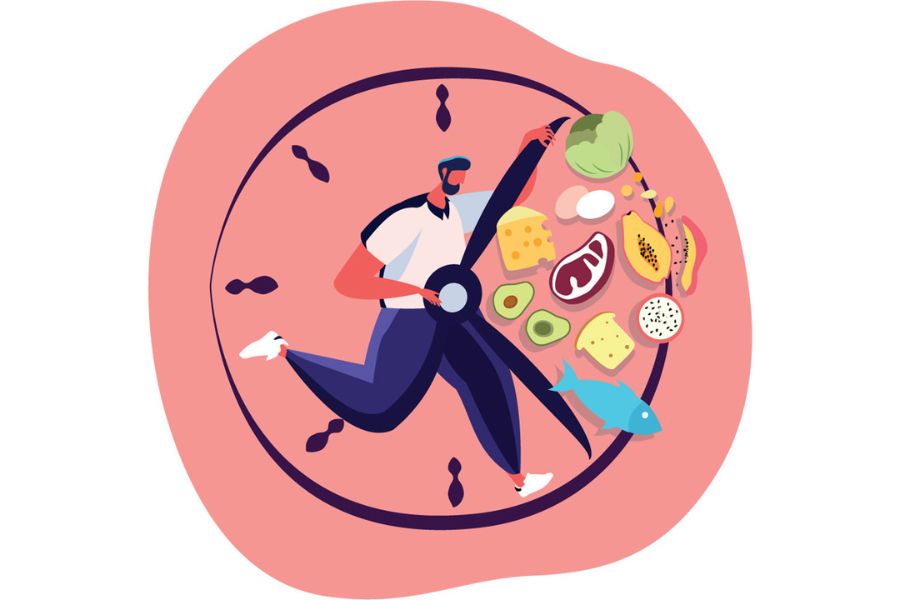
How intermittent fasting affects blood sugar
If you live with high blood sugar or are at risk of type 2 diabetes, you have probably seen intermittent fasting mentioned everywhere. The idea is simple. You alternate between periods of eating and not eating, also called fasting. What matters for intermittent fasting blood sugar control is what happens inside your body when you are not constantly taking in calories.
During a fast, your insulin levels drop and your body starts to use stored sugar and fat for energy. Over time, this pattern can make your cells respond better to insulin again. Multiple randomized controlled trials and meta-analyses show that intermittent fasting can improve insulin sensitivity and lower fasting blood glucose in people with impaired glucose or lipid metabolism and type 2 diabetes (International Journal of Endocrinology, Frontiers in Nutrition).
You still need to eat in a way that supports stable blood sugar. Intermittent fasting is a timing strategy, not a free pass to eat anything during your eating window. When you pair a realistic fasting schedule with balanced meals and medical guidance, it can become a powerful tool for weight loss and better blood sugar control.
Understand the main intermittent fasting styles
There are several ways to structure intermittent fasting. Some focus on daily eating windows. Others involve fasting on specific days of the week. Research suggests that many of them can help improve blood sugar and insulin resistance in people with type 2 diabetes, although you may find one method easier to follow than another (Frontiers in Nutrition).
Time restricted eating (daily windows)
Time restricted eating, often called TRE, limits all of your calories to a set number of hours each day.
Common patterns include:
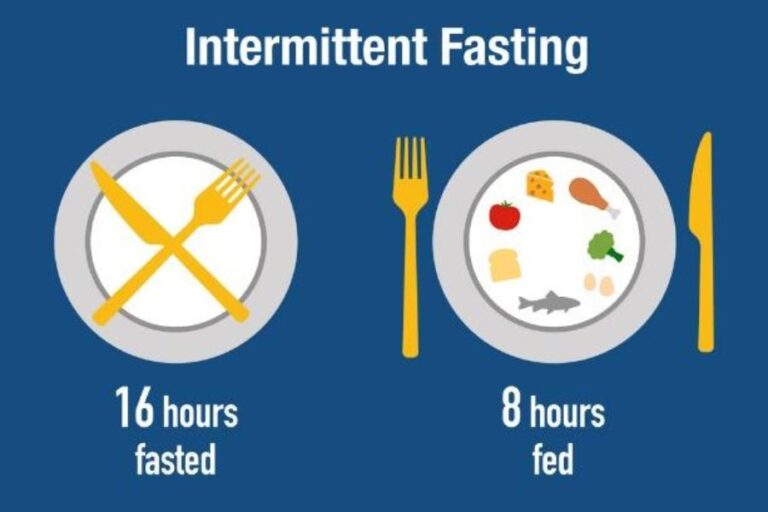
- 16:8 fasting. Fast for 16 hours, eat within an 8 hour window, for example 12 pm to 8 pm.
- 14:10 fasting. Fast for 14 hours, eat within a 10 hour window.
- Early time restricted feeding. Eat earlier in the day, such as 8 am to 4 pm, and fast in the late afternoon and evening.
Research highlights:
- A 10 hour eating window reduced fasting glucose by about 15 percent and HbA1c by 18 percent in people with diabetes or prediabetes over 12 weeks in one randomized trial, which nearly doubled the effect of typical diabetes medications (PMC).
- A 2023 NIH funded trial found that eating from noon to 8 pm led to an average 3.6 percent weight loss over six months in adults with obesity and type 2 diabetes. The calorie restriction group did not see significant weight loss, yet both groups improved blood sugar control (NIH Research Matters).
- People in the fasting group in that study also reduced their waist size and reported that following a fixed eating window felt easier than tracking calories every day (NIH Research Matters).
TRE is often a practical place to start because it uses your usual sleep time as part of the fast.
Twice per week fasting (5:2 and similar)
Twice per week fasting, sometimes called 5:2, is another option with good evidence behind it.
Typical pattern:
- You eat normally 5 days per week.
- On 2 non consecutive days, you either fast fully or eat a very low calorie intake.
Key findings:
- A 2018 JAMA study found that a 5:2 style intermittent fasting diet was as effective as continuous daily calorie restriction for controlling blood sugar in people with type 2 diabetes and might be better for weight loss (Verywell Health).
- A 2024 network meta analysis of 13 randomized controlled trials in people with type 2 diabetes ranked twice per week fasting as the most effective overall for improving insulin resistance and fasting glucose compared with several other fasting formats (Frontiers in Nutrition).
This approach can feel more flexible if you prefer to eat at typical times most days.
Other variants you may hear about
You might also come across:
- Fasting mimicking diets. Very low calorie, low protein, plant focused diets followed for a few days at a time.
- Periodic fasting. Longer, less frequent fasts, usually supervised.
- 16:8 for remission attempts. Fasting 16 hours per day and eating within an 8 hour window has been linked to short term blood sugar reduction and weight loss in people with type 2 diabetes in newer research (International Diabetes Federation, Diabetes UK).
Meta analyses show that most of these intermittent fasting patterns improve fasting blood glucose, HbA1c, and insulin resistance when compared to conventional diets in people with type 2 diabetes, even if one format ranks slightly higher overall (PMC, Frontiers in Nutrition).
See how fasting changes blood sugar and insulin
To decide if intermittent fasting fits your life, it helps to understand what it is doing to your blood sugar behind the scenes.
What happens during and after a fast
When you eat, especially carbohydrates, your blood sugar rises. Your pancreas releases insulin, which helps move glucose from your blood into your cells. Over time, if your cells stop responding well to insulin, you develop insulin resistance. This makes blood sugar stay higher for longer.
During a fasting window:
- Your insulin level drops.
- Your liver releases stored glucose to keep your blood sugar within a safe range.
- When liver glycogen stores run low, your body starts breaking down fat for energy. The hormone glucagon plays a big role in this shift and helps prevent blood sugar from dropping too low (International Diabetes Federation).
Repeating this pattern appears to:
- Lower fasting insulin levels.
- Improve how sensitive your cells are to insulin.
- Reduce body weight and waist circumference, which also improves insulin sensitivity.
For example, a meta analysis of 10 randomized controlled trials found that intermittent fasting reduced fasting blood glucose by about 0.15 mmol/L and lowered insulin levels and insulin resistance scores in people with impaired glucose and lipid metabolism (International Journal of Endocrinology).
Why weight loss matters for blood sugar
Losing excess body weight, especially around your midsection, is one of the most reliable ways to improve blood sugar control. Many intermittent fasting studies show modest but meaningful weight and waist reductions.
Some examples:
- One meta analysis found that intermittent fasting led to an average weight loss of about 1.9 kg, a BMI reduction of 0.82 kg/m², and a waist reduction of 2.25 cm in people with metabolic issues (International Journal of Endocrinology).
- A 2025 randomized trial reported that a 16:8 intermittent fasting schedule produced roughly 4 percent weight loss and significant improvements in fasting blood sugar, HbA1c, and lipid profiles in obese patients with type 2 diabetes, and it outperformed a 14:10 schedule and a control diet (PMC).
- The NIH funded six month trial in adults with obesity and type 2 diabetes also showed reductions in waist circumference in the time restricted eating group, which ties directly to improved insulin sensitivity (NIH Research Matters).
You can think of intermittent fasting as a structure that often leads you to eat fewer calories overall without tracking every bite. That calorie reduction is a big part of how fasting supports blood sugar.
Review the proven benefits for blood sugar
Research on intermittent fasting and blood sugar is growing quickly. While there is still more to learn, several consistent benefits keep showing up, especially in people with type 2 diabetes or prediabetes.
Improvements supported by studies
Across multiple clinical trials and reviews, you see:
- Lower fasting blood glucose.
- Reduced HbA1c, a marker of your average blood sugar over about three months.
- Better insulin sensitivity and lower insulin resistance scores.
- Modest but meaningful weight loss and smaller waist size.
- Improved cholesterol and triglyceride levels in some studies.
Here is a snapshot of what different sources report:
- In people with type 2 diabetes, intermittent fasting regimens like twice per week fasting, time restricted eating, fasting mimicking diets, and periodic fasting all improved fasting blood glucose, HbA1c, and insulin resistance more than conventional diets. Twice per week fasting ranked best overall, but all formats were beneficial (Frontiers in Nutrition).
- A 2025 review from India concluded that intermittent fasting improves insulin sensitivity and glucose tolerance in people with type 2 diabetes, mainly by stabilizing blood glucose and aiding weight management (PMC).
- Diabetes organizations note that fasting 16 hours per day and eating within an 8 hour window can lower blood sugar and support short term weight loss. There is also evidence that type 2 diabetes remission is possible for some people using intermittent fasting, although long term data is still limited (International Diabetes Federation, Diabetes UK).
- An NIH summary of recent research states that time restricted eating is safe over at least six months in adults with type 2 diabetes, provided medications are managed appropriately, and that it can be easier to follow than daily calorie restriction for some people (NIH Research Matters).
How this compares to medication
Some findings suggest that intermittent fasting can match or even outperform certain medications on specific markers, at least in the short term:
- A time restricted eating schedule with a 10 hour eating window nearly doubled the reduction in fasting glucose and HbA1c compared with what you typically see from standard diabetes drugs over 12 weeks (PMC).
- In one meta analysis, intermittent fasting reduced insulin levels to a similar degree as oral insulin sensitizer medications, but without causing weight gain, which is a common side effect of those drugs (International Journal of Endocrinology).
This does not mean you should replace your medication with intermittent fasting on your own. Instead, it shows that fasting can be a powerful companion tool that may allow your healthcare team to adjust your medications over time if your numbers improve.
Consider the risks and who should be cautious
Intermittent fasting is not risk free, especially when you live with diabetes or take medications that affect blood sugar. Before you start any fasting plan, it is important to understand when to be extra careful.
Potential side effects to watch for
Common early side effects include:
- Hunger or irritability.
- Headaches.
- Fatigue or low energy.
- Trouble concentrating.
These usually ease as your body adjusts. More serious blood sugar related risks are:
- Hypoglycemia, or blood sugar that is too low. This is especially a concern if you take insulin or sulfonylureas.
- Hyperglycemia, or blood sugar that is too high, if you eat large amounts of carbohydrates in a short window or if medication timing gets out of sync.
- In people with type 1 diabetes, an increased risk of diabetic ketoacidosis if insulin and carbohydrates are not carefully balanced while fasting (PMC, Verywell Health).
Because your eating times change, the way your medications act can change too. This is why expert groups emphasize working with a healthcare provider before you adjust your schedule.
Who should speak to a doctor first
If any of the following apply to you, you need personalized medical advice before starting intermittent fasting:
- You have type 1 diabetes.
- You have type 2 diabetes and use insulin or oral medications like glyburide or metformin.
- You have a history of severe hypoglycemia.
- You are pregnant or breastfeeding.
- You have kidney disease, liver disease, or heart disease.
- You have a history of disordered eating.
Organizations such as the International Diabetes Federation and Diabetes UK recommend that anyone with diabetes who wants to try fasting work with healthcare professionals to create a fasting plan that includes medication changes and specific blood glucose monitoring instructions (International Diabetes Federation, Diabetes UK).
Start intermittent fasting safely
If you and your care team decide that intermittent fasting could work for you, you can treat it as an experiment that you adjust over time. The goal is to find a routine that fits your life and keeps your blood sugar stable.
Step 1: Choose a realistic fasting pattern
You do not need to jump straight into a strict schedule. You might:
- Begin with a 12:12 schedule. Eat within a 12 hour window, such as 8 am to 8 pm, and fast the other 12 hours.
- Gradually extend your overnight fast by 1 to 2 hours every week until you reach a 14:10 or 16:8 pattern if it feels comfortable.
- Alternatively, if you prefer the twice per week approach, start with one lower calorie day per week and then move toward two days if you tolerate it well.
Pay attention to:
- Your work schedule and family meals.
- Social events.
- Sleep and energy patterns.
A fasting structure that clashes with your everyday life is harder to keep up, which matters for long term blood sugar control.
Step 2: Plan your meals around blood sugar stability
What you eat during your eating window can either support or sabotage your blood sugar.
Aim to build meals with:
- Protein at each meal, such as poultry, fish, tofu, eggs, beans, or Greek yogurt.
- Fiber rich carbohydrates, for example lentils, beans, whole grains, and vegetables.
- Healthy fats like avocado, nuts, seeds, and olive oil.
Try to:
- Limit refined carbohydrates and sugary drinks that cause rapid spikes.
- Avoid “making up” for fasting by overeating during your eating window.
- Spread your calories over 2 or 3 meals instead of one giant meal if possible.
Remember that many intermittent fasting studies that improved blood sugar also focused on overall calorie reduction and healthier food choices, not only timing.
Step 3: Monitor your blood sugar closely
Especially in the first few weeks, keep a close eye on how your blood sugar responds.
You can:
- Check your blood sugar more often, such as before meals, 2 hours after meals, at bedtime, and if you feel symptoms.
- Keep a log of readings, meal times, what you ate, and how long you fasted.
- Watch for patterns like dips in the late morning during a fast or spikes after your first meal.
Clinical trials that tested intermittent fasting in people with diabetes required regular glucose monitoring and, in some cases, ketone monitoring for safety, particularly for people at risk of ketoacidosis (PMC, Verywell Health).
If you use a continuous glucose monitor, you will likely notice changes in your daily curves as you adjust your eating window.
Step 4: Adjust medications with your care team
Because intermittent fasting changes when you eat and how you process glucose, your medication schedule may need to change.
In several studies:
- Participants with type 2 diabetes who used intermittent fasting had medication doses adjusted to reduce hypoglycemia risk while still improving HbA1c and fasting glucose (NIH Research Matters, Verywell Health).
You should never change your dosage on your own. Instead:
- Share your blood sugar logs and fasting schedule with your healthcare provider.
- Ask if certain medications should be reduced on fasting days or taken at different times.
- Discuss an action plan for treating low blood sugar if it happens.
Step 5: Check in with how you feel
Numbers matter, but so does your day to day quality of life.
After a few weeks of intermittent fasting, ask yourself:
- Are your energy levels steady overall?
- Are you sleeping well?
- Is hunger manageable, or are you constantly thinking about food?
- Are you able to stick to the schedule on work days and weekends?
Clinical research suggests that many people find a fixed eating window easier to follow than counting calories at every meal, but your experience is what counts (NIH Research Matters).
If a pattern feels too restrictive, you can shorten the fast, move your eating window earlier or later, or consider a different intermittent fasting style altogether.
Decide if intermittent fasting is right for you
Intermittent fasting is not the only way to improve blood sugar, but it is an approach with growing support from clinical research, especially when you focus on intermittent fasting blood sugar stability rather than extreme restriction.
Evidence shows that:
- It can lower fasting glucose and HbA1c in people with type 2 diabetes and prediabetes.
- It tends to improve insulin sensitivity and reduce insulin resistance.
- It supports modest weight loss and smaller waist size, both of which improve metabolic health.
- It can be safe for many people with type 2 diabetes when done under medical supervision, with appropriate medication adjustments and blood sugar monitoring (PMC, International Diabetes Federation, Diabetes UK).
At the same time, it:
- May not be suitable if you are on certain medications or live with type 1 diabetes without careful supervision.
- Requires planning, especially around social life, work, and family meals.
- Works best when paired with balanced meals and enough movement.
If you are curious, your next step can be as small as talking with your healthcare provider about trying a gentle 12:12 or 14:10 eating window and tracking how your blood sugar responds. By treating intermittent fasting as a tool that you shape around your body and your life, you can explore whether it helps you move toward steadier blood sugar and better long term health.
About the Author