How fasting works in your body
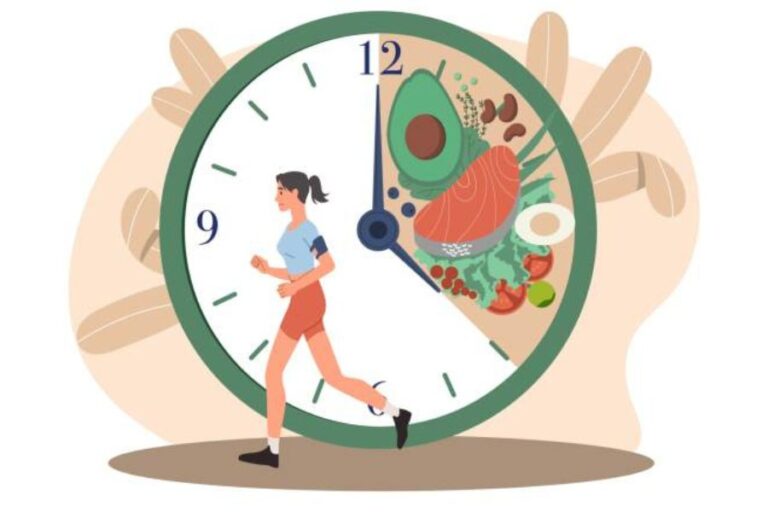
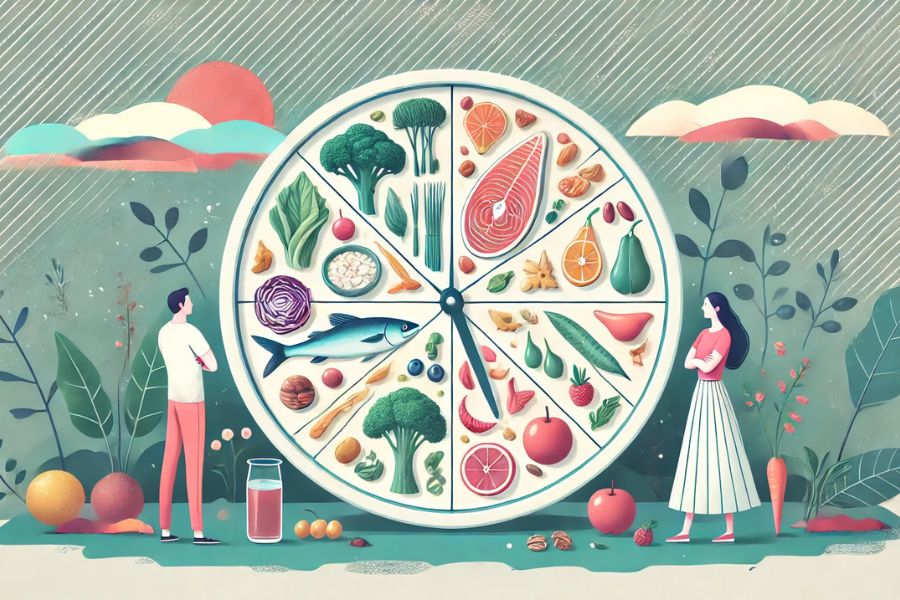
If you are wondering, does coffee break a fast, it helps to start with what “fasting” actually means. With intermittent fasting, you cycle between eating windows and fasting windows. During your fasting window you usually aim to:
- Keep calories very low or at zero
- Let insulin levels drop
- Encourage your body to shift from burning glucose to burning stored fat and producing ketones
Researchers sometimes call this shift the “metabolic switch” from sugar burning to fat burning (ZOE). To support that switch you usually stick to water, black coffee, and unsweetened tea during your fast and save foods and caloric drinks for your eating window.
So where does coffee fit into this picture and does it undo your efforts or help them along
Does coffee break a fast
For most common intermittent fasting goals like weight loss, metabolic health, and body recomposition, plain black coffee does not meaningfully break a fast.
An 8 ounce cup of black coffee has fewer than 3 calories and virtually no fat, protein, or sugar. That is not enough to trigger digestion or cause a major metabolic shift, according to multiple sources including Healthline (Healthline) and Heirloom Coffee Roasters (Heirloom Coffee Roasters).
In other words, if your question is “does coffee break a fast for weight loss or general health,” the answer is that black coffee is typically considered fasting friendly.
There is one main exception. If your primary goal is gut rest or specific digestive healing, some experts prefer water only. In that case, even coffee could be considered disruptive, especially if you are sensitive to it.
What science says about black coffee while fasting
You might also wonder whether coffee before a blood test or metabolic check will skew your numbers. A 2020 study in the journal of the European Society for Clinical Nutrition and Metabolism looked at this directly. Ten healthy adults drank 8 ounces of black coffee after a 10 hour overnight fast, then completed a high fat test meal (PubMed).
Researchers found that compared with water:
- Fasting triglycerides did not change
- Fasting glucose did not change
- Post meal triglycerides over 4 hours did not change
- Post meal glucose responses did not change
The authors concluded that black coffee before an abbreviated fat tolerance test does not affect the validity of fasting metabolic testing (PubMed).
For your everyday intermittent fasting routine, this supports the idea that a cup of black coffee does not “turn off” your fasted state in a meaningful way.
Benefits of black coffee during a fast
Used thoughtfully, black coffee can actually make intermittent fasting easier and more effective for you. Here is how.
Appetite and hunger control
Caffeine is a natural appetite suppressant. Several nutrition experts note that drinking black coffee in a fasted state can help you:
- Take the edge off morning hunger
- Stretch a 16 hour fast a bit longer
- Get through the adjustment phase if you are new to fasting
Autumn Bates, a clinical nutritionist who works with intermittent fasting, highlights appetite reduction as one of the main science backed benefits of black coffee while fasting (Autumn Elle Nutrition). Healthline reports the same effect, noting that coffee may make it easier to adhere to your fasting schedule (Healthline).
Support for metabolism and fat burning
During your fast your body gradually relies more on stored fat and ketones for energy. Coffee seems to complement that process. According to Verywell Health, the caffeine in coffee stimulates your central nervous system and may slightly boost metabolism while you remain in a fasted state (Verywell Health).
Autumn Elle Nutrition also notes that black coffee in a fasted state may:
- Encourage ketone production
- Enhance some of the metabolic benefits you get from fasting, even if you are not on a strict keto diet (Autumn Elle Nutrition)
Brain function and focus
Fasting itself can support mental clarity for many people, partly due to increased ketones. Coffee may add to that effect. Healthline reports that coffee consumption is associated with:
- Improved brain function and alertness
- Reduced inflammation
- Possible reductions in blood sugar and heart disease risk (Healthline)
Heirloom Coffee Roasters notes that coffee can boost mental clarity while fasting increases ketone levels, a combination that may support concentration and productivity during your fasting window (Heirloom Coffee Roasters).
Exercise performance while fasted
If you like fasted workouts, coffee can be a helpful tool. Caffeine is well known for improving exercise performance and perceived effort. Autumn Elle Nutrition points out that black coffee before fasted exercise may:
- Increase endurance
- Make workouts feel easier
- Help you stay active during your fasting window (Autumn Elle Nutrition)
Enjoyment and routine
There is also a very practical benefit. Having a warm, flavorful drink that is not plain water can make your fast feel more sustainable. Many people enjoy the ritual of coffee in the morning. A cup of black coffee can give you that familiar comfort while you stay within your fasting boundaries (Autumn Elle Nutrition).
When coffee might work against your fast
Coffee is not a perfect fit for everyone during fasting. Paying attention to how you feel is as important as what the research says.
Digestive discomfort and acid issues
Coffee on an empty stomach can increase stomach acid and may cause:
- Nausea
- Heartburn or acid reflux
- General stomach upset
Verywell Health notes that these effects are more likely if you already struggle with GERD, ulcers, or other digestive conditions (Verywell Health). Heirloom Coffee Roasters adds that some people simply feel jittery or uncomfortable if they drink coffee without food and may do better with low acidity coffee or smaller servings (Heirloom Coffee Roasters).
If you notice burning, cramping, or persistent discomfort, it may be worth cutting back, diluting your coffee with extra water, or switching to herbal tea during your fast.
Too much caffeine
More coffee is not always better. Verywell Health and Healthline both point out that intakes over about 400 milligrams of caffeine per day, roughly 4 cups of brewed coffee, are more likely to cause side effects such as:
- Jitters or anxiety
- Increased blood pressure
- Heart palpitations
- Trouble sleeping (Verywell Health, Healthline)
Heirloom Coffee Roasters offers the same guideline and suggests keeping your intake to about 3 to 4 cups daily, especially while you are fasting (Heirloom Coffee Roasters).
If you notice racing thoughts, a pounding heart, or insomnia, try:
- Limiting coffee to the first half of your fasting window
- Reducing your total cups
- Swapping one cup for decaf or herbal tea
What breaks a fast in coffee and what does not
The moment you start adding ingredients to your coffee, the answer to “does coffee break a fast” becomes more personal. Different sources draw the line slightly differently, and your goals matter.
Black coffee
- Around 2 to 3 calories per 8 ounces
- No meaningful protein, fat, or sugar
- Does not usually trigger digestion or an insulin spike
Most fasting protocols, including those described by ZOE and Healthline, consider black, unsweetened coffee acceptable during the fasting window (ZOE, Healthline).
Small amounts of milk or cream
The strict view is that any calories technically break a fast. ZOE notes that in theory any caloric intake ends a fast, but their data from over 10,000 participants shows that the small amount of milk many people add to coffee does not usually cause a noticeable blood sugar spike (ZOE).
Verywell Health and Healthline both suggest that tiny amounts of heavy cream or coconut oil are unlikely to significantly impact blood sugar or calorie intake, especially on less restrictive fasts (Verywell Health, Healthline).
Autumn Elle Nutrition offers some more specific guidelines for coffee add ins that usually do not break a fast for weight loss or fat burning goals:
- Up to 1 tablespoon of heavy cream
- Just under 1 tablespoon of half and half
- Up to 1/3 cup of unsweetened almond milk
- Fats such as coconut oil or grass fed butter, often combined as “Keto Coffee,” which can help reduce hunger without spiking insulin (Autumn Elle Nutrition)
If your priority is precise autophagy or strict time restricted feeding, you might choose to avoid these extras. If your main focus is comfortable weight loss and metabolic health, you may decide that a splash of cream is an acceptable tradeoff.
Plant milks
Not all plant milks behave the same way during a fast. Autumn Elle Nutrition suggests:
- Unsweetened almond milk in small amounts, up to 1/3 cup, is usually fine
- Sweetened almond milk and oat milk are more likely to break a fast regardless of the amount, due to higher sugar and carbohydrate content (Autumn Elle Nutrition)
If you enjoy plant milk, read the nutrition label carefully and keep the quantity modest during your fasting window.
Sweeteners
Sweeteners are one of the more confusing parts of “does coffee break a fast.” Here is how current guidance breaks down:
- Natural, zero sugar sweeteners like pure stevia or pure monk fruit extract generally do not break a fast when used sparingly, according to Autumn Elle Nutrition (Autumn Elle Nutrition)
- Products that include maltodextrin, sugar alcohols, or added sugars are more likely to break a fast, because they provide calories or may impact blood sugar (Autumn Elle Nutrition)
- ZOE recommends avoiding artificial sweeteners in general during fasting periods because some research links them with changes in blood sugar and metabolic responses (ZOE)
If you like sweetness in your coffee, starting with a very small amount of a pure, zero calorie sweetener is usually a safer choice than sugar.
Flavorings and spices
Some simple flavor boosters provide taste without disrupting your fast, as long as you keep them modest:
- Up to 1 teaspoon of cinnamon
- Up to 1 teaspoon of vanilla extract
Amounts above that may add enough carbohydrates or other compounds to nudge your body out of a fasted state, according to Autumn Elle Nutrition (Autumn Elle Nutrition).
What clearly breaks your fast
If you want to keep a clean fast, it helps to avoid:
- Regular sugar or honey
- Flavored creamers with added sugar
- Large pours of milk or sweetened plant milks
- Syrups and dessert style coffee drinks
These add noticeable calories and sugar and are more likely to interrupt fat burning and other fasting benefits (Healthline, Heirloom Coffee Roasters).
Types of intermittent fasting and coffee rules
Your exact fasting pattern can shape how strict you want to be with coffee.
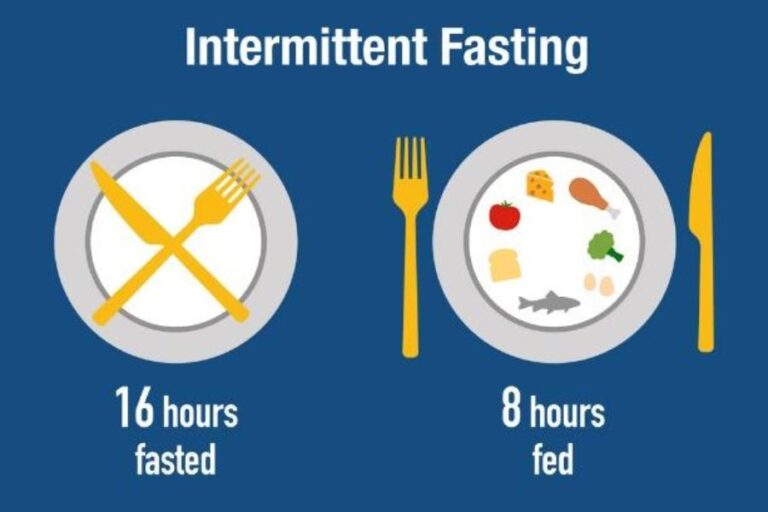
Time restricted feeding like 16/8
With time restricted approaches, such as fasting for 16 hours and eating within an 8 hour window, guidance from ZOE and Healthline is fairly consistent:
During the fasting window you can have:
- Water
- Black coffee
- Unsweetened black or herbal tea
You avoid:
- Solid food
- Caloric beverages like juice and soda
- Coffee drinks that contain significant milk, sugar, or creamers (ZOE, Healthline).
If you want a more flexible approach, a splash of milk might be fine as long as your overall results and lab markers improve over time.
Alternate day or longer fasts
If you practice longer fasts, such as 24 hour fasts or alternate day fasting, keeping coffee simple matters even more. Black coffee, or black coffee with very small amounts of allowed add ins, is generally preferred so you stay within your chosen boundaries and avoid adding unnecessary calories.
Fasting for medical tests
If you are fasting for blood work or a procedure, follow your healthcare provider’s instructions. The 2020 study on coffee before metabolic testing suggests that 8 ounces of black coffee does not significantly affect fasting triglycerides or glucose (PubMed).
However, some tests are more sensitive than others and your doctor may ask you to stick to water only. When in doubt, call the office and ask specifically about black coffee.
Simple guidelines for using coffee in your fast
To pull everything together, here is a quick checklist you can use to decide how coffee fits into your fasting routine.
If your main goal is weight loss and metabolic health
You can usually:
- Drink black coffee freely in moderate amounts
- Add a splash of heavy cream, coconut oil, or unsweetened almond milk if it helps you stick with your fast
- Use small amounts of pure stevia or monk fruit for sweetness
You will probably want to avoid:
- Sugar, flavored creamers, and sweet syrups
- Large amounts of milk or sweetened plant milks
If your main goal is strict fasting or gut rest
You might choose to:
- Stick to water and herbal tea
- Limit or avoid coffee, especially if it bothers your stomach
- Save coffee, cream, and other add ins for your eating window
If you are just getting started
You can experiment with:
- One cup of black coffee in the morning and notice how you feel
- Gradually reducing sugar and flavored creamers
- Trying a “Keto Coffee” style drink, such as coffee with butter or coconut oil, if hunger is intense at first, knowing that this is more suitable for a flexible fasting style focused on fat burning rather than a strict zero calorie fast (Autumn Elle Nutrition)
Key takeaways
- For common intermittent fasting goals like fat loss and better metabolic health, black coffee does not usually break a fast.
- Research suggests that an 8 ounce cup of black coffee does not meaningfully change fasting triglycerides or glucose compared with water (PubMed).
- Coffee may support fasting benefits by suppressing appetite, slightly boosting metabolism, improving focus, and making fasted workouts feel easier (Verywell Health, Healthline, Autumn Elle Nutrition, Heirloom Coffee Roasters).
- Any added calories technically break a fast, but small amounts of heavy cream, coconut oil, or unsweetened almond milk are often acceptable in more flexible protocols. Sugar, sweetened creamers, and large amounts of milk are more likely to disrupt your fast.
- If you have digestive issues or feel shaky or anxious, consider cutting back on coffee, switching to low acidity blends, or limiting it to your eating window.
You do not have to give up your morning coffee to benefit from intermittent fasting. With a few small tweaks, you can keep your cup and still support your weight loss and health goals.
About the Author