Biotin for hair growth is one of the most talked-about supplement trends today. You see it in gummies, shampoos, and “hair, skin, and nail” vitamins that promise thicker, fuller strands. But how much of that promise is backed by science, and how much is just great marketing?
This guide walks you through what biotin actually does in your body, when it can help your hair, and when it is probably not worth the hype.
Understand what biotin actually is
Biotin is a water-soluble B vitamin, also known as vitamin B7. Your body uses it to help form fatty acids and glucose and to metabolize carbohydrates, amino acids, and fats, all of which support overall energy and cell function (Mayo Clinic). It also plays a role in producing keratin, the protein that makes up your hair, skin, and nails (Pantene).
Because of that link to keratin, biotin is often marketed as a hair growth vitamin. The key detail you need to know is that biotin is essential, but that does not automatically mean “more is better” for everyone.
Most healthy people already get enough biotin through everyday foods such as eggs, salmon, liver, nuts, seeds, and dairy (Mayo Clinic). When your intake is adequate, taking extra biotin has not been proven to supercharge hair growth.
How biotin affects hair growth
To understand the effects of biotin for hair growth, it helps to zoom in on what is happening inside each hair strand.
Biotin helps your body produce keratin, which provides structure and strength to hair fibers (Pantene). If you are deficient in biotin, your body struggles to make enough healthy keratin. That can show up as:
- Increased hair shedding
- Thinning or patchy hair
- Brittle nails
- Scaly or dry skin
In people with a true deficiency, correcting that lack of biotin can improve hair health and reduce hair loss (NCBI PMC). In other words, if you are missing this vitamin, replacing it matters.
Where things get more complicated is when you already have normal biotin levels. Several reviews and studies have found that:
- There is limited evidence that biotin supplements or biotin-containing products boost hair growth in people who are not deficient (Healthline).
- No randomized controlled trials have shown that biotin enhances hair growth in healthy individuals with adequate biotin intake (NCBI PMC).
- In vitro research on normal hair follicles suggests biotin does not change how hair cells grow or differentiate (NCBI PMC).
So, biotin is crucial for normal hair growth when your body lacks it. If your levels are already fine, extra biotin on top has not been proven to make hair grow faster or thicker.
In short: biotin is a foundation nutrient for hair, but it is not a guaranteed hair growth booster for everyone.
Biotin deficiency and hair loss
Biotin deficiency is rare, but it does happen. When it does, hair loss is one of the classic clues.
Research has shown that about 38 percent of women with hair loss in one study had low biotin levels (Healthline). In this group, supplementation may help prevent or slow hair loss because you are correcting a real deficiency, not just taking “extra.”
You are more likely to be deficient in biotin if you:
- Regularly eat large amounts of raw egg whites, which contain a protein called avidin that binds biotin
- Take certain anticonvulsant medications
- Are pregnant
- Have genetic enzyme defects that affect biotin metabolism
In these situations, symptoms like alopecia and nail changes often improve once biotin is replaced (NCBI PMC).
The typical adequate intake for adults is 30 micrograms per day, and most people easily meet this through diet alone (NCBI PMC). Many supplements marketed for hair growth, however, contain 500 to 1,000 micrograms or even more, which is far above that level without clear proof of added benefit.
If you suspect you might be deficient, it makes sense to talk with a healthcare provider before you start high-dose supplements on your own.
Supplements vs biotin in your diet
When you look at biotin for hair growth, you have two main options: get it through food or take it as a supplement.
Biotin from foods
Biotin-rich foods do more than support your hair. They also give you protein, healthy fats, and other vitamins and minerals that work together for overall health. Helpful sources include:
- Egg yolks
- Walnuts and peanuts
- Milk and other dairy products
- Salmon, pork, and sardines (Pantene)
- Beef liver, canned salmon, and cauliflower (Mayo Clinic; Cleveland Clinic)
Eating a variety of these foods makes it easier to hit the recommended 30 micrograms per day without thinking much about it.
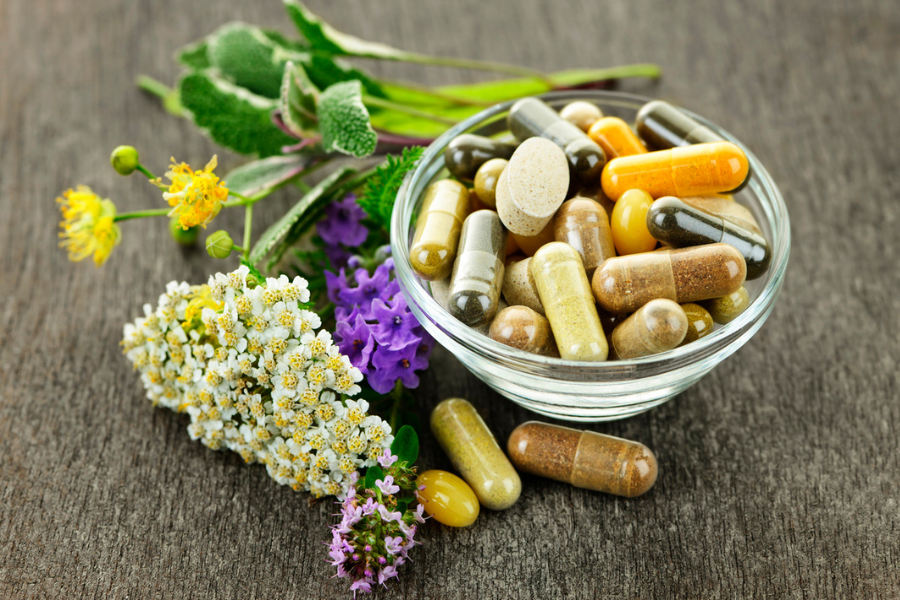
Biotin supplements
Biotin supplements are usually targeted at hair loss or weak nails. They are generally safe and non-toxic in doses up to 10 milligrams per day, and no serious side effects have been reported at these levels (Mayo Clinic).
However, the science behind taking extra biotin for hair growth in otherwise healthy people is not strong:
- A 2017 review found 18 cases where biotin helped hair or nails, but all those people had underlying conditions such as enzyme deficiencies or brittle nail syndrome, not normal baseline health (NCBI PMC).
- The same review concluded that biotin supplementation may benefit those with acquired or inherited biotin deficiency and certain rare hair conditions such as uncombable hair syndrome. There is not enough evidence to support its use for hair growth in healthy individuals without deficiency (NCBI PMC).
- Another analysis found no randomized trials proving that extra biotin improves hair growth in people with sufficient levels (NCBI PMC).
Some dermatologists may suggest higher doses, up to 3,000 micrograms a day, for specific conditions like alopecia (Cleveland Clinic). That is a targeted medical decision that you should make with a professional rather than guessing your own dose.
If you do not have a diagnosed deficiency, it is more accurate to view biotin supplements as “possibly helpful, not guaranteed,” rather than a cure-all.
What science really says about biotin for hair growth
You have probably seen before-and-after photos and glowing reviews for biotin products. It is useful to compare those stories with what researchers have actually found.
Here is a quick overview:
- A small 2012 study in women with self-perceived thinning hair found improvements in volume and thickness after taking a supplement that contained biotin plus other ingredients such as zinc and iron. Because multiple nutrients were involved, you cannot credit biotin alone for the benefits (Healthline; Cleveland Clinic).
- A classic double-blind, placebo-controlled study from 1966 that looked at women with diffuse alopecia found no significant difference in hair growth between those taking 10 milligrams of biotin daily and those taking a placebo over four weeks (Journal of Clinical and Aesthetic Dermatology).
- Two additional studies in very specific patient groups, women on isotretinoin and women after sleeve gastrectomy, showed limited and non-generalizable findings that did not clearly support biotin for hair growth (Journal of Clinical and Aesthetic Dermatology).
- A systematic review concluded that while biotin supplementation helped certain pediatric hair conditions like uncombable hair syndrome and short anagen syndrome, even with normal baseline biotin levels, evidence is still lacking for adults without deficiency (Journal of Clinical and Aesthetic Dermatology).
Experts also point out a significant gap between public perception and the data. Biotin is heavily promoted, and even some clinicians recommend it, yet current scientific literature does not support its use for hair growth in people who already get enough through diet (Journal of Clinical and Aesthetic Dermatology).
Biotin in shampoo and topical products
You will see biotin not just in pills and gummies but also in shampoos, conditioners, and hair masks.
Biotin shampoos and treatments are believed to improve scalp circulation, increase hair density, and strengthen hair follicles. Many people report that their hair feels more nourished, thicker, and fuller, especially if it was thin or fragile to begin with (Pantene).
Biotin-infused shampoos and conditioners may also help reduce hair shedding that contributes to overall thinning, which supports the appearance of healthier hair over time (Pantene). For example, Pantene’s Illuminating Color Care Shampoo with Biotin is designed to keep color-treated hair healthy and vibrant by nourishing strands while you wash (Pantene).
Topical biotin does not work the same way as oral biotin. It mainly helps condition the hair and scalp directly instead of changing vitamin levels in your bloodstream. That means you can think of biotin hair products as part of a supportive routine, especially if your hair is dry, damaged, or color treated, rather than as a medical treatment for hair loss.
Safety, side effects, and lab test issues
Biotin is water soluble, so your body excretes what it does not need through urine. That is one reason supplements are considered low risk at common doses. Still, there are a few points you should keep in mind.
Biotin supplements are typically safe and non-toxic, and no side effects have been reported in amounts up to 10 milligrams per day (Mayo Clinic). Some people taking very high doses can experience:
- Stomach discomfort
- Trouble sleeping
- Skin rashes
These effects are not common, but they are worth watching for (Cleveland Clinic).
The bigger concern with high-dose biotin is its impact on lab tests. Both the U.S. Food and Drug Administration and medical centers have warned that large amounts of supplemental biotin, often 5 to 10 milligrams per day or more, can interfere with immunoassay-based tests. That interference can cause falsely high or low results for thyroid function, vitamin D, and certain heart-related markers, which may lead to misdiagnoses or incorrect treatment (Journal of Clinical and Aesthetic Dermatology; Cleveland Clinic).
Because of this, many clinicians recommend stopping biotin supplements at least 72 hours before you have bloodwork or other lab tests to help ensure accurate results (Cleveland Clinic). Everyday food sources of biotin do not cause this problem, so you do not need to avoid them.
If you take antiepileptic drugs or retinoids, you may have a higher risk of deficiency and may also need closer medical guidance before using supplements (Healthline).
How to decide if biotin is right for you
If you are curious about biotin for hair growth, it helps to approach it like any other part of your health routine: thoughtfully and with realistic expectations.
You might consider talking with a healthcare provider about biotin if:
- You have noticeable hair thinning or shedding and are not sure why
- You have other possible deficiency symptoms, such as brittle nails or a persistent skin rash
- You are pregnant, on anticonvulsant medications, or have other risk factors for low biotin
- You are thinking about taking high-dose supplements and want lab tests checked first
On the other hand, if your diet already includes biotin-rich foods, you have no signs of deficiency, and your hair loss is likely due to genetics, hormones, stress, or styling damage, biotin alone is unlikely to be a magic fix. In that case, it may make more sense to focus on:
- A balanced diet with plenty of protein and healthy fats
- Gentle hair care and minimal heat and chemical damage
- Managing stress, sleep, and any underlying medical conditions
Biotin still has an important place in your overall health. It supports your liver, nervous system, hair, and eyes, and it helps your body turn food into usable energy (Healthline). The key is matching how you use it to what your body actually needs.
If you choose to add a biotin supplement, keep your provider in the loop, especially before lab tests. If you prefer to skip the pills, focusing on a varied, nutrient-rich diet and gentle care for your scalp and strands can still move you toward healthier-looking hair, without relying on a single vitamin to do all the work.
About the Author