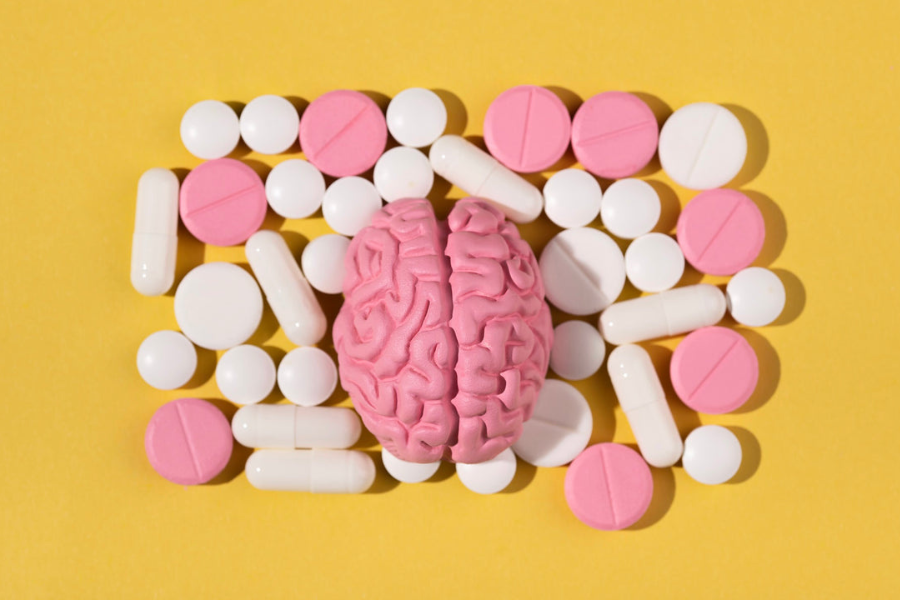
A growing number of people talk about starting their day with nootropics instead of another cup of coffee. Before you add smart drugs or brain supplements to your morning routine, it helps to understand what nootropics are, how they work, and whether they actually fit your health goals.
This guide walks you through the basics so you can decide if nootropics deserve a place in your daily routine, or if you are better off sticking with simple lifestyle changes.
Understand what nootropics are
Nootropics are substances that may enhance mental function, such as memory, attention, or mental energy. The term now covers a wide range of options, from everyday caffeine to prescription medications and herbal extracts (BrainFacts, WebMD).
Broadly, you will see three main categories:
- Dietary supplements, for example Ginkgo biloba, Bacopa monnieri, omega‑3 fish oil, and L‑theanine
- Synthetic compounds, for example piracetam, aniracetam, and other racetam drugs
- Prescription medications, for example Adderall, Ritalin, and modafinil that are approved for conditions like ADHD or narcolepsy (Graymatter Labs)
You already use at least one nootropic if you drink coffee, tea, or caffeinated soda. Caffeine is the most widely used nootropic and is well known for improving alertness and focus for many people (BrainFacts).
Learn how nootropics may work
Different nootropics act in different ways, which is why it is useful to know what you are taking and what its main mechanism is.
Common pathways in the brain
Research suggests that many nootropics may work by:
- Changing levels of neurotransmitters, such as acetylcholine, which plays a key role in memory and learning
- Increasing cerebral blood flow so your brain gets more oxygen and glucose
- Supporting brain metabolism and cellular energy production
- Providing antioxidant effects that may help protect brain cells from damage (NCBI PMC)
Classical synthetic nootropics such as piracetam, deanol (DMAE), meclofenoxate, nicergoline, and pyritinol are thought to improve brain function through some mix of these pathways. They may enhance acetylcholine production, improve blood flow, or act as antioxidants (NCBI PMC).
Plant extracts like Panax ginseng seem to offer nootropic effects primarily through antioxidant activity and increasing nitric oxide, which can improve blood vessel dilation and circulation in the brain (NCBI PMC).
Separate proven benefits from bold claims
If you read supplement labels or online reviews, you might think nootropics are a quick fix for any mental challenge. The research tells a more cautious story.
What the evidence currently shows
- Some prescription nootropics, such as stimulant medications for ADHD or modafinil for narcolepsy, are effective for the conditions they are approved to treat when used under medical supervision (Medical News Today, WebMD).
- Many supplements marketed as memory boosters or study aids have limited or mixed evidence, especially in healthy adults. Experts from Johns Hopkins Medicine and the University of Maryland note that there is little strong evidence supporting memory claims in healthy people, and some of the perceived benefit may come from the placebo effect (WebMD).
- Overall research on nootropics is still inconclusive. Some substances show promise, some show no effect, and some may even impair cognitive performance in certain situations (BrainFacts).
A few supplements stand out as more promising:
- L‑theanine, especially combined with caffeine, may sharpen focus while reducing jitteriness
- CDP‑choline may help memory in people with dementia
- Creatine monohydrate may support reasoning and memory by boosting cellular energy
- Bacopa monnieri may enhance information processing over time, possibly by promoting growth of nerve cell branches (WebMD)
Even with these, the benefits are usually modest and build slowly, not overnight.
Weigh potential risks and side effects
Before you take a nootropic every day, you need a clear picture of the downside as well as the upside.
Side effects you might experience
Common side effects reported with various nootropics include:
- Headaches
- Sleep problems or insomnia
- Digestive issues
- Mood changes such as irritability or anxiety (Graymatter Labs)
Certain prescription stimulants, such as Adderall, also carry a real risk of dependence and are not meant to be used casually for performance enhancement (BrainFacts).
For most herbal and natural nootropics, studies suggest a relatively low rate of mild side effects, but long term safety in healthy users is still not fully understood (NCBI PMC).
Why regulation matters for your safety
You might assume supplements on store shelves are thoroughly checked before sale, but that is not the case. In the United States the Food and Drug Administration does not assess the safety or effectiveness of dietary supplements, including nootropics, before they reach the market (Graymatter Labs, Medical News Today).
This lighter regulation means:
- Marketing claims may be exaggerated
- Labels may not always list every ingredient
- Quality and purity can vary considerably from brand to brand
If you decide to try a supplement, choosing a reputable company and checking for third party testing becomes especially important.
Check the legal and ethical landscape
The word “nootropics” covers everything from green tea to prescription stimulants, so the legal status depends on what you are looking at and where you live.
In the United States most popular nootropic supplements are legal to purchase, own, and consume, while some synthetic “research compounds” are not legally approved for human consumption even if you can buy them online (Mind Lab Pro). Natural options like Bacopa monnieri, Rhodiola rosea, tea (Camellia sinensis), and Ginkgo biloba are generally legal worldwide because they are foods or traditional herbal products (Mind Lab Pro).
Synthetic compounds such as piracetam are legal to order and use in some places, like the United States and Canada, but may require a prescription or be controlled substances in others, such as the United Kingdom or Australia (Mind Lab Pro, Graymatter Labs).
If you are an athlete, there is another layer to consider. The World Anti Doping Agency bans several nootropics, including modafinil, adrafinil, phenylpiracetam, and selegiline, in competitive sports (Mind Lab Pro). Taking the wrong substance could put your eligibility and reputation at risk.
Compare nootropics to lifestyle foundations
It is tempting to reach for a pill when you feel scattered or mentally tired, but nootropics work best, if at all, on top of a solid foundation. Without that, you may not feel much benefit.
Key foundations include:
- Consistent, good quality sleep
- Balanced nutrition with enough protein, healthy fats, and micronutrients
- Regular movement and exercise that increase blood flow to your brain
- Stress management habits, such as breathing exercises or time outdoors
- Reasonable limits on alcohol and recreational drugs
Experts point out that long term, heavy use of nootropics without medical need may even backfire, possibly reducing learning ability and contributing to cognitive problems, although research is still developing in this area (Medical News Today).
If your sleep is short, your meals are irregular, and your stress is high, nootropics are unlikely to be a magic solution.
A useful rule of thumb: look at nootropics, especially supplements, as a possible small boost to an already healthy routine, not as a replacement for the basics your brain depends on every day.
Decide if nootropics fit your daily routine
Whether nootropics are right for you depends on your goals, your health status, and your risk tolerance.
Questions to ask yourself
Before adding any new product to your daily stack, take a moment to consider:
- What exactly am I hoping to improve, for example focus at work, memory for studying, or overall mental energy?
- Have I already done what I can with sleep, diet, movement, and stress?
- Am I managing any medical conditions or taking medications that could interact with a nootropic?
- Am I comfortable with modest, gradual benefits rather than dramatic changes?
- Do I understand the legal status and any relevant rules for my job, school, or sport?
If you decide that nootropics may make sense, starting with well researched, milder options and a clear plan is usually safer than jumping straight into powerful prescription drugs or obscure synthetic compounds.
How to experiment more safely
Here are practical steps that can help you test nootropics in a more controlled way:
- Talk with your healthcare provider first, especially if you have health conditions, take prescriptions, are pregnant, or are breastfeeding.
- Introduce only one new supplement at a time so you can link any effect or side effect to the correct product.
- Start at the lower end of the suggested dose and increase slowly if needed, within recommended limits.
- Keep a simple log of your sleep, mood, focus, and any physical symptoms for a few weeks.
- Stop and seek medical advice if you notice troubling effects, such as severe anxiety, palpitations, or major sleep disruption.
For some people that experiment will confirm that a basic stack, such as caffeine with L‑theanine or creatine as a daily supplement, provides a gentle edge. For others, the difference might not justify the cost or complexity.
The bottom line
Nootropics are a broad group of substances that may support aspects of mental performance, but the science is still catching up with the marketing. Prescription nootropics can be effective for diagnosed conditions when prescribed by a doctor, while many over the counter supplements show only modest benefits in healthy adults, if any.
If you choose to explore nootropics, treat them as one small tool in a bigger routine that prioritizes sleep, nutrition, movement, and stress management. Combine that with careful reading of the research, honest tracking of how you feel, and guidance from a healthcare professional.
In the end, a thoughtfully designed day will usually do more for your brain than any single capsule. Nootropics might play a supporting role, but you remain the director of your daily routine.
About the Author