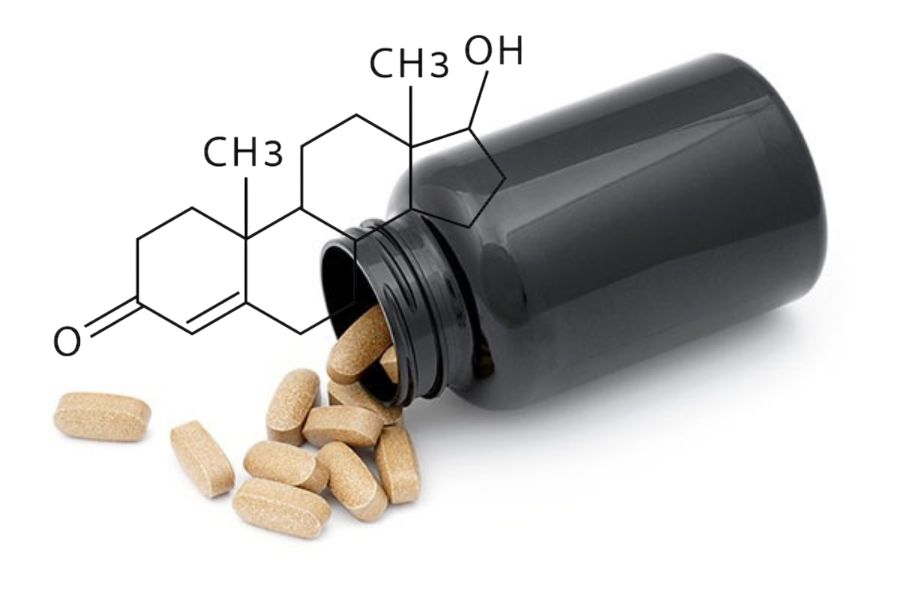
A lot of testosterone advice online sounds extreme: complicated stacks, risky injections, or miracle pills that promise to change your life in 30 days. Herbal testosterone boosters sound like a gentler option, but it can be hard to tell what is real and what is just smart marketing.
This guide walks you through the most talked‑about herbal testosterone boosters, the science behind them, and how to use this information safely. You will see where research looks promising, where it is mixed, and where caution is essential.
What herbal testosterone boosters actually are
Herbal testosterone boosters are supplements made from plant extracts, vitamins, or minerals that claim to support your body’s natural testosterone production. Instead of adding testosterone directly, they aim to:
- Nudge your hormones toward a healthier balance
- Correct common nutrient deficiencies that can drag testosterone down
- Reduce stress, which can suppress testosterone over time
You will often see them marketed for benefits like better energy, more muscle, improved libido, or “healthy aging.” The reality is more nuanced. Some ingredients have decent early evidence, some are unproven, and some can be risky, especially at high doses or in combinations.
A 2020 review of 50 testosterone boosting supplements found that while 90 percent claimed to raise testosterone, only about 25 percent of the individual ingredients had published data showing any increase at all, and over 60 percent had no studies on testosterone effects at all (PMC). That means you need to look at each ingredient, not just the marketing on the bottle.
Key herbal testosterone boosters and what research shows
This section focuses on ingredients that show up again and again in herbal testosterone boosters, along with what studies currently suggest about each one.
Ashwagandha: Stress support with hormone benefits
Ashwagandha (sometimes called Indian ginseng) is one of the best studied herbal testosterone boosters. It is classified as an adaptogen, which means it helps your body adapt to stress.
Several clinical trials have found that ashwagandha can significantly increase blood testosterone levels in men compared with placebo, although at least one trial did not show an effect (WebMD). In one study highlighted by GoodRx, men who took 300 milligrams twice daily during resistance training for eight weeks saw higher testosterone and reported better sexual well‑being (GoodRx).
Possible side effects include nausea and, in rare cases, liver damage (GoodRx). If you have liver disease, take other medications, or are under medical care for hormone‑sensitive conditions, you will want to talk with your doctor before trying it.
Fenugreek: Popular for libido and strength
Fenugreek seed extract often appears in “performance” and “male vitality” formulas. Some of its plant compounds, such as saponins and sapogenins, may influence hormones.
In one study cited by GoodRx, healthy young men who took 500 milligrams of fenugreek extract daily for eight weeks experienced significant increases in testosterone levels (GoodRx). Users often report better libido and modest strength gains when they combine fenugreek with training.
Still, there are safety flags. Large doses can cause digestive upset and can lower blood sugar to dangerous levels in some people (GoodRx). A separate report linked a fenugreek‑containing testosterone supplement to serious blood clots in the lungs (PMC). If you have diabetes, a history of clots, or take blood thinners, medical guidance is especially important.
D‑aspartic acid: Mixed and dose‑dependent results
D‑aspartic acid (DAA) is a natural amino acid that sometimes gets lumped in with herbal testosterone boosters even though it is not a plant. It is included in many “T booster” blends.
Research is conflicting. One study suggested that DAA may increase hormones that stimulate testosterone release, yet another trial showed that 3 grams per day had no effect and 6 grams per day actually lowered testosterone levels (WebMD). That pattern hints that more is not always better and that responses may differ based on your baseline hormone levels and training status.
Because results are so inconsistent, DAA is better viewed as experimental rather than reliable.
Vitamins and minerals that support testosterone
A big share of testosterone issues comes from basic nutrient gaps rather than exotic herbs. Several minerals and vitamins are crucial for healthy testosterone and often show up in “herbal” formulas.
Zinc: Essential but easy to overdo
Zinc plays a central role in hormone production and thyroid function. Low zinc is linked with low testosterone, and supplementation can help restore normal levels in deficient people (WebMD).
GoodRx notes that zinc helps your body convert testosterone into its active form and supports thyroid hormones, which also influence testosterone. Adults should not exceed 40 milligrams per day because higher intakes can cause nausea, headaches, and other side effects (GoodRx).
The 2020 analysis of testosterone boosters found that many products contained zinc at more than double recommended upper limits, sometimes over 272 percent of the daily allowance (PMC). This is where “more” quickly turns into “too much.”
Magnesium: Helpful, especially if you exercise
Magnesium is involved in hundreds of reactions in your body, including muscle function and hormone signaling. Supplements have been shown to increase both free and total testosterone in sedentary men and in athletes, with bigger increases in people who exercise regularly (WebMD).
If your diet is low in leafy greens, nuts, or whole grains, you may benefit from magnesium for overall health even beyond testosterone. Too much at once can cause loose stools, so start low and build up slowly if your doctor agrees supplementation makes sense.
Vitamin D: The “sunshine” hormone helper
Vitamin D acts almost like a hormone in your body. Many adults are deficient, especially if you live in northern climates or spend most of your time indoors.
In one trial, men who took 3,300 IU of vitamin D daily for a year saw a 20 percent increase in testosterone levels (WebMD). Those with low vitamin D and limited sun exposure often see the most benefit.
Because vitamin D is fat soluble and stored in your body, testing your levels and working with a professional on the right dose is safer than guessing.
Boron: Early promise, limited data
Boron is a trace mineral that you can get from foods like avocado and almonds. A small study found that 10 milligrams of boron daily for a week appeared to boost testosterone, though scientists are not yet sure how it works (GoodRx).
Research is still very limited, so boron should be treated as “interesting but unproven.” Daily intakes of 1 to 13 milligrams are considered safe, and there is no known benefit to going higher.
Quick guideline: Nutrients like zinc, magnesium, and vitamin D are most helpful when you are deficient, not when you already have healthy levels.
Other hormone‑related supplements to know about
Some ingredients often appear alongside herbal testosterone boosters even if they are not herbs.
DHEA: A hormone, not a vitamin
Dehydroepiandrosterone (DHEA) is a hormone that your adrenal glands naturally produce. It can convert into testosterone or estrogen in the body.
Supplemental DHEA can help restore testosterone, especially at doses above 50 milligrams per day, but higher doses raise the risk of side effects like acne, mood changes, and worsening of hormone‑sensitive conditions such as certain cancers (GoodRx). Because it acts directly on your hormone system, you should only take DHEA under medical supervision.
Safety concerns you should not ignore
“Herbal” and “natural” are often used as code words for “safe,” but the research does not always support that assumption.
A case report from Saudi Arabia described a 30‑year‑old male athlete who used a commercial testosterone booster (Universal Nutrition Animal Stak) for 42 days. He developed severe abdominal pain and was found to have very high liver enzymes, a sign of liver injury (International Journal of Health Sciences). After he stopped taking the product, his symptoms improved, but blood tests still showed elevated liver markers.
Even more concerning, he completed two more 42‑day courses later on. His liver enzymes remained slightly high, although other blood parameters were normal (International Journal of Health Sciences). The authors could not prove that the booster definitively caused the liver damage, but they warned that even products from “trusted” sources, used at recommended doses, might pose health risks.
The 2020 study of 50 testosterone boosting supplements also raised red flags (PMC):
- Over 10 percent of ingredients had published data suggesting they might lower testosterone
- More than 60 percent of ingredients had no studies on testosterone at all
- Many products contained vitamin and mineral doses far above recommended amounts, sometimes exceeding FDA upper limits
- At least one case report linked a fenugreek‑based supplement to dangerous blood clots, and the FDA has issued warnings about clots associated with testosterone products generally
On top of that, the FDA clearly states that dietary supplements are not approved to treat or cure diseases. Yet many herbal testosterone boosters still claim to build lean muscle, improve libido, raise energy, and slow aging with little scientific backing (PMC).
How to choose and use herbal testosterone boosters wisely
You do not have to avoid every herbal testosterone booster, but you do need a clear strategy. Before you buy, walk through these steps.
-
Start with testing and basics
Ask your doctor for labs that include total and free testosterone, vitamin D, zinc, and possibly magnesium. Correct obvious deficiencies first through diet and lifestyle, then consider targeted supplements if needed. -
Evaluate the ingredient list, not the claims
Look for specific herbs and nutrients with at least some supporting data, such as ashwagandha, fenugreek, zinc, magnesium, and vitamin D. Be cautious with formulas that hide behind “proprietary blends” without listing exact doses. -
Check doses against safe limits
For example, keep zinc at or below 40 milligrams per day unless a clinician advises otherwise (GoodRx). Look out for products that provide thousands of percent of your daily values. That is a sign of poor formulation, not extra effectiveness. -
Avoid stacking multiple “T boosters”
Since many products use overlapping ingredients, stacking them can silently push you into unsafe territory for vitamins, minerals, or hormone‑active compounds. -
Listen to early warning signs
Unusual fatigue, abdominal pain, dark urine, yellowing of the skin or eyes, severe mood changes, or unexplained swelling are red flags. If they show up after you start a supplement, stop immediately and contact a healthcare professional. -
Give lifestyle the lead role
Sleep, strength training, stress management, and a nutrient‑dense diet are the foundation. Herbal testosterone boosters are best used as small additions to an already solid routine, not as a replacement for it.
Bringing it all together
Herbal testosterone boosters can be part of a thoughtful plan to help you feel stronger and more energetic, but they are not magic and they are not risk free. Some, like ashwagandha and fenugreek, show promising effects in certain studies. Others, like D‑aspartic acid or boron, are still in the early, “maybe” stage. And many combination products contain ingredients that have never been properly tested for testosterone at all.
If you decide to try herbal testosterone boosters, do it with your eyes open. Get your levels checked, pick evidence‑based ingredients in safe doses, and keep your healthcare provider in the loop. When you treat supplements as tools instead of shortcuts, you give yourself the best chance to feel stronger in a way that actually supports your long‑term health.
About the Author