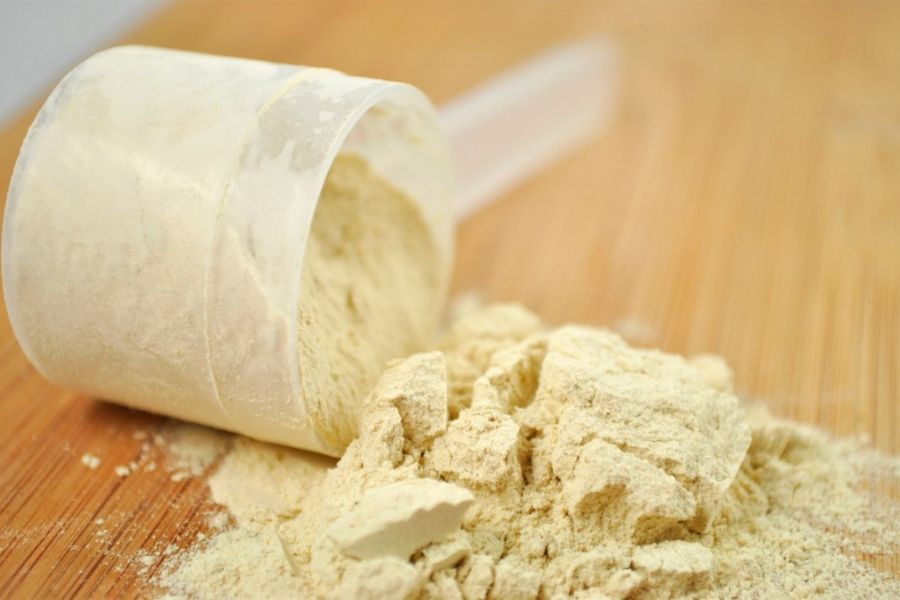
Whey protein concentrate vs isolate vs hydrolysate can be confusing when you just want a simple shake that supports your goals. The good news is that once you understand how each type is made, how it digests, and who it is best suited for, choosing the right whey protein becomes much easier.
Below, you will walk through what each type is, how they compare on protein, lactose, and absorption, and how to pick the best option for your body and budget.
Understand the three whey protein types
All whey protein starts from the same place, liquid whey that is separated from milk during cheese production. From there, different levels of processing create three main types: concentrate, isolate, and hydrolysate.
Whey protein concentrate
Whey protein concentrate (often labeled WPC) is the least processed form. It typically contains about 40 to 90 percent protein by weight, with the rest coming from carbohydrates and fats, mostly in the form of lactose and milk fat. This is also why it is usually the most affordable and common option on the market as of 2024 (MyProtein).
Because concentrate retains more of the original dairy components, it may cause digestive issues for you if you are sensitive to lactose. On the flip side, it can be a very cost effective way to increase your protein intake if you tolerate dairy well (HealthWellnessUS).
Whey protein isolate
Whey protein isolate (WPI) is filtered further than concentrate. This extra processing removes more fat and carbohydrates, including most of the lactose. As a result, whey isolate usually contains at least 90 percent protein by weight and significantly less fat and lactose than concentrate (Healthline, Garage Gym Reviews).
Because the lactose content is lower, you may find that isolate is easier on your stomach if you are lactose intolerant. Some products are almost lactose free, which is why they are often marketed for people who struggle with regular dairy or who want a lean, low carb protein source (MyProtein).
Isolate has also been studied for its impact on strength and body composition. When combined with resistance training, whey isolate has been shown to improve strength, body composition, and blood markers related to recovery in young men (WebMD).
Whey protein hydrolysate
Whey protein hydrolysate starts as concentrate or isolate and then goes through an extra step called hydrolysis. Water and enzymes are used to partially break the protein into smaller peptides. This is intended to make digestion and absorption faster and potentially gentler on sensitive stomachs (MyProtein).
Hydrolyzed whey is often described as “pre digested.” Studies suggest that hydrolyzed whey can stimulate muscle protein synthesis more rapidly after resistance exercise compared with some other proteins, such as casein or soy isolate (WebMD). It can also influence hormones related to satiety and metabolism, such as cholecystokinin, insulin, and glucagon (WebMD).
You usually pay more for hydrolysate. It is often used in specialized formulas for athletes focused on rapid recovery or for people with higher allergy risk, since hydrolyzed proteins can be less allergenic in some cases (MyProtein, Garage Gym Reviews).
Compare whey protein concentrate vs isolate vs hydrolysate
To see how these three forms of whey differ, it helps to compare them side by side.
| Feature | Whey concentrate | Whey isolate | Whey hydrolysate |
|---|---|---|---|
| Typical protein content | About 40–90% | At least 90% | Similar to isolate, high |
| Carbs and lactose | Higher, more lactose | Very low, most lactose removed | Very low, similar to isolate |
| Fat content | Higher | Lower | Low |
| Digestion speed | Fast | Very fast | Fastest of the three |
| Cost | Lowest | Moderate | Highest |
| Best for | General use and budget | Lean muscle and lactose sensitive users | Specialized recovery and some sensitivities |
Concentrate is the most budget friendly and works well for most people who tolerate dairy. Isolate is a step up in refinement, which gives you more protein per scoop and less lactose. Hydrolysate is the most processed and usually most expensive. It focuses on maximum digestibility and speed, although real world benefits over isolate may be modest for many users (Garage Gym Reviews).
Look at digestion and absorption
How quickly you digest and absorb whey protein can matter, especially around workouts. Whey in general is one of the fastest digesting proteins you can use.
Absorption rates for each type
Whey protein is rapidly absorbed compared with other proteins. Estimates suggest that your body can absorb around 10 grams of whey per hour when you consume about 20 grams, so a standard serving is absorbed in roughly 2 hours (Gainful).
More detailed charts show that:
- Whey protein concentrate is absorbed at about 10 grams per hour, taking around 2 hours for a 20 gram serving.
- Whey protein isolate can be absorbed at about 20 grams per hour, so the same 20 gram dose could be absorbed in roughly 1 hour.
- Hydrolyzed whey digests even faster because the proteins are already partially broken down, which makes it one of the quickest proteins for your body to use after a workout (Naked Nutrition, Gainful).
All three forms of whey are fast compared with slower proteins like casein, which can keep amino acid levels elevated for 4 to 5 hours because it forms curds in your stomach (Gainful).
What faster absorption really means for you
Faster absorption means amino acids reach your bloodstream quickly, which can help stimulate muscle protein synthesis after training. Whey protein hydrolysate and isolate are especially effective at this rapid delivery, and both support muscle growth, weight management, and recovery (WebMD, Garage Gym Reviews).
However, the practical difference between hydrolyzed whey and isolate for most people seems small. Research indicates that hydrolyzed whey is absorbed only slightly faster or at a similar rate as isolate (Garage Gym Reviews). Both are already highly bioavailable. Your overall protein intake, your training program, and consistency matter much more than shaving a few minutes off digestion time.
Consider lactose intolerance and allergies
Your tolerance for dairy should heavily influence whether you choose whey concentrate vs isolate vs hydrolysate.
Lactose intolerance
If you are lactose intolerant, your body does not produce enough lactase enzyme to break down lactose. This can lead to bloating, gas, or diarrhea when you consume regular dairy or higher lactose whey products.
- Whey concentrate contains more lactose, which makes symptoms more likely for you if you are sensitive.
- Whey isolate contains significantly less lactose and is often tolerated better by people with lactose intolerance (Healthline).
- Hydrolyzed whey usually has very low lactose as well, similar to isolate, and the partial breakdown of proteins may make digestion easier for some people (Garage Gym Reviews).
Because isolate and hydrolysate remove or reduce most lactose, they are often recommended if your main issue is lactose intolerance rather than a true milk allergy (MyProtein).
Milk protein allergy
Lactose intolerance and milk allergy are not the same. A milk allergy is an immune response to proteins in milk, including whey and casein. If you are allergic to cow’s milk, you should avoid all whey proteins, including concentrate, isolate, and hydrolysate, because they all come from milk and can trigger reactions (Healthline).
Hydrolyzed whey is sometimes used in infant formulas to help with allergy risk because the proteins are broken into smaller pieces. Some evidence suggests that hydrolysates may be less allergenic or helpful in prophylaxis in specific situations (WebMD, Garage Gym Reviews). However, if you have a diagnosed milk allergy, you should only add any whey product under medical guidance.
If you cannot use dairy at all, plant based proteins such as pea protein can be a strong alternative. One study showed that pea protein, even though it is not as fast absorbing as whey, delivered similar muscle building results because it provides enough leucine, one of the key amino acids for muscle growth (Gainful).
If your digestion routinely feels off after a whey shake, it is worth testing a smaller serving, switching from concentrate to isolate, or exploring a plant based option before giving up on protein supplements completely.
Match whey protein to your goals
Once you understand how each type of whey protein behaves, you can match it to your current priorities.
If you want the best value
If your main goal is to increase your daily protein without overspending, whey concentrate is usually your best bet. It is widely available, affordable, and provides plenty of high quality protein for most people. As long as you tolerate lactose, you can use concentrate before or after workouts or between meals as a convenient protein source (MyProtein).
If you want to stay lean
If you are focused on building or maintaining muscle while keeping calories, carbs, and fat low, whey isolate is a strong choice. The higher protein percentage means more protein per scoop and fewer extra calories from lactose and fat. This is especially helpful if you are cutting or tracking macros closely.
Isolate is also a good fit for you if you notice mild digestive discomfort from concentrate, since the lower lactose content tends to be easier to handle (Healthline).
If you prioritize rapid recovery or have sensitivities
Hydrolyzed whey is often marketed to serious athletes or people who want the quickest possible recovery shake. It is absorbed very rapidly, which can help deliver amino acids to your muscles right after hard training. It may also be useful for you if you struggle with digestion and want the gentlest possible whey option (Naked Nutrition, Gainful).
However, keep in mind:
- Hydrolysate usually costs more than concentrate or isolate.
- Current research does not show clear, superior gains in muscle or body composition compared with isolate, as long as your total protein intake is adequate (Garage Gym Reviews).
Because of this, you might reserve hydrolyzed whey for situations where you have specific digestive needs, are competing at a high level, or simply prefer it and are comfortable with the price.
When a blend might make sense
Some products combine concentrate, isolate, and hydrolysate into a tri blend. The idea is to offer the cost benefits of concentrate, the higher protein and low lactose of isolate, and the fast absorption of hydrolysate, all in one powder for muscle growth and recovery (MyProtein).
If you are not sure which single type will suit you best, trying a blend can be a practical middle ground. You can then see how your body responds before moving to a more specialized option.
Put it all together
When you compare whey protein concentrate vs isolate vs hydrolysate, you are really balancing four things: protein density, lactose content, digestion speed, and cost.
- If you tolerate dairy well and want a budget friendly option, start with whey concentrate.
- If you are leaning out or have mild lactose intolerance, look for whey isolate.
- If you have sensitive digestion or you want the fastest absorbing option and do not mind paying more, consider hydrolyzed whey, or a high quality blend that includes it.
Pick the type that fits your current needs, try one scoop at a time, and pay attention to how you feel. You can always adjust the type, serving size, or timing until your whey protein works smoothly with your routine and your goals.
About the Author