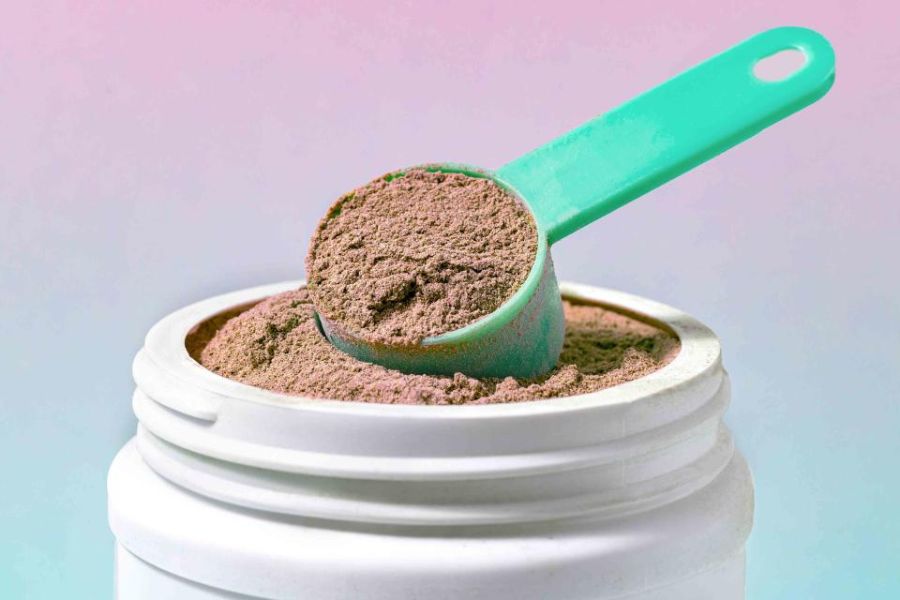
A scoop of whey protein feels like a simple choice until you start wondering: is whey protein before or after workout actually better? You might hear one friend swear by pre workout shakes for energy, while another insists you have to slam a shake right after your last rep.
The short answer is that total protein for the day matters more than the exact minute you drink your shake. Timing can still help in certain situations though, especially if you train hard, train fasted, or want to recover as quickly as possible. Below, you will see how to use whey in a way that actually fits your routine and goals.
How whey protein helps your body
Whey protein is a complete, high quality protein that gives you all nine essential amino acids in a form your body absorbs quickly. That fast digestion is one reason it is so popular with athletes and lifters who want to recover well from training (Healthline).
Whey is also rich in leucine, a branched chain amino acid that plays a direct role in turning on muscle protein synthesis, the process where your body repairs and builds muscle tissue after you work out (Healthline). When you combine a good strength routine with enough high quality protein, including whey, you create a strong foundation for muscle gain and strength gain.
In practice, that means a scoop or two of whey per day, on top of your regular meals, can help you reach the higher protein intakes often recommended for people who train, usually around 1.6 grams of protein per kilogram of body weight or more (Healthline).
Why timing seems so confusing
If you have heard people talk about an “anabolic window,” you might feel pressured to get a shake in within 30 minutes or lose your chance at gains. Older advice treated that window as very narrow. Newer research tells a more relaxed story.
Several studies and reviews have compared drinking whey protein before vs after resistance training and tracked muscle size and strength over weeks:
- A 10 week study in 21 men found no meaningful difference when 25 grams of whey was taken immediately before exercise versus immediately after. Both groups improved similarly in strength and muscle size (PeerJ via PMC).
- A meta analysis of 23 studies with 525 participants found that when you control for total daily protein intake, timing around the workout does not significantly change muscle hypertrophy or strength outcomes (Journal of the International Society of Sports Nutrition).
- An 8 week trial with resistance trained men who consumed a high protein intake either right around exercise or three hours before and after still showed similar gains in muscle mass and performance in both groups (Frontiers in Nutrition).
In all of these, the biggest predictor of results was how much protein people ate over the whole day, not the exact timing of the shake.
So why does timing still come up so often? Because it can influence how you feel during your workout, how quickly you recover, and how convenient it is to stay on track with your overall protein target.
Benefits of whey protein before workout
Having whey protein before a workout means your body has amino acids ready in your bloodstream as you start training. That can slightly reduce muscle breakdown during the session and may support performance, especially in longer or intense workouts.
Research and expert commentary highlight a few potential upsides to pre workout whey:
- Taking whey about 30 to 60 minutes before training offers a steady supply of amino acids during exercise, which can help limit muscle breakdown and support endurance (Wellbeing Nutrition).
- A pre workout shake can be especially helpful if your last meal was several hours ago. You go into your session with better fuel and may feel less drained midway through.
You may prefer whey before your workout if you:
- Train first thing in the morning and do not like a full meal
- Feel weak, lightheaded, or unusually tired in the middle of sessions
- Want something easy to digest that will not sit heavily in your stomach
Aim to keep the pre workout shake simple. About 20 to 30 grams of whey mixed with water or a small amount of milk usually sits well. If you have more time before training, you can add some carbohydrates like a banana or oats to support energy.
Benefits of whey protein after workout
If your main goal is muscle growth and recovery, taking whey protein after your workout is a very practical habit. Your muscles are more receptive to nutrients after you train, and many people naturally feel ready for a snack or meal at this time.
Several sources point to benefits of post workout whey:
- The Cleveland Clinic notes that the period right after exercise is an anabolic state, where your body is set up to rebuild and refuel, and that a protein shake during this time helps your muscles recover and grow (Cleveland Clinic).
- Dietitian Kate Patton recommends having your protein shake within about an hour after exercise to get the most out of that recovery window, especially for muscle repair (Cleveland Clinic).
- Post workout shakes can support weight loss too, since protein keeps you fuller for longer, helps preserve lean muscle, and can encourage your body to use more fat for energy (Cleveland Clinic).
- Other reports highlight that taking whey after training can reduce muscle soreness and fatigue, which allows you to return to training sooner and with more intensity (Wellbeing Nutrition, Glanbia Nutritionals).
You will often see recommendations in the 25 to 40 gram range for post workout whey. For example, one summary suggests roughly 30 to 40 grams within 30 to 60 minutes of finishing your workout, especially if you are active and want to support muscle protein synthesis (Wellbeing Nutrition). Other evidence shows that 25 to 36 grams daily alongside resistance training can improve recovery, muscle mass, and strength over time (Glanbia Nutritionals).
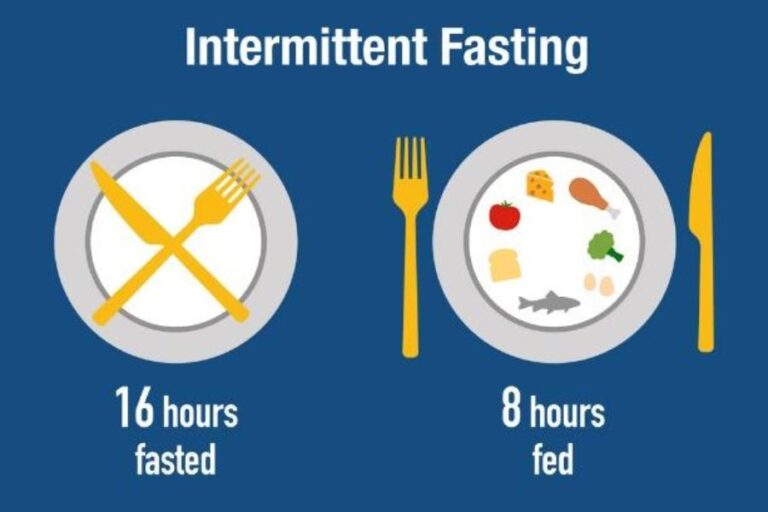
If you work out fasted, meaning you have not eaten before training, a post workout shake becomes even more useful. In this case you have gone through the session in a catabolic state, where your body is breaking down tissues for energy. Giving it a quick dose of fast digesting protein right after you finish helps shift it into recovery more quickly (Vinmec).
Does whey protein timing really matter?
When you look at all the evidence together, a pattern appears: whey protein before or after workout both work, as long as your total protein intake is high enough and you spread it reasonably across the day.
Key research insights include:
- A controlled 10 week trial where participants took 25 grams of whey either immediately before or immediately after training found similar changes in muscle strength, size, and body composition in both groups (PeerJ via PMC).
- A large meta analysis showed that once total daily protein was matched, adding a strict timing rule within one hour of training did not significantly boost muscle hypertrophy or strength. Total grams per kilogram of body weight was the major factor (Journal of the International Society of Sports Nutrition).
- More recent work in trained lifters consuming 2 grams per kilogram of protein per day showed that whether they had whey right around workouts or three hours apart did not change their muscle or strength results, as long as the total intake stayed high (Frontiers in Nutrition).
In other words, the old idea of a tiny 30 minute anabolic window looks outdated. The window seems to be several hours long, and as long as you are giving your body enough protein across the day, the exact minute of your shake is flexible (Healthline).
You still want some structure though. A simple way to think about it is:
Hit your total protein target for the day, then place 1 or 2 whey servings at times that help your energy and recovery the most.
For most people, that means a shake either shortly before or shortly after training, plus protein rich meals spaced every 3 to 4 hours, each with around 20 to 40 grams of protein (Frontiers in Nutrition).
How to choose: before vs after for your goal
You can decide where whey fits best by starting with your main goal and schedule.
If your goal is muscle gain
You want enough total protein and consistent strength training. Timing becomes a secondary detail.
- Aim for about 1.6 grams of protein per kilogram of body weight per day, or as advised by your health professional (Healthline).
- Have 20 to 40 grams of protein, from whey or food, every 3 to 4 hours through the day.
- Place a whey shake either one hour before training, within one to two hours after training, or split the scoop between both, depending on what feels best and fits your meals.
If you often train without much food in your system, leaning toward a post workout shake can be slightly more helpful, especially if you are chasing size and strength (Vinmec).
If your goal is fat loss
Here, maintaining muscle while losing fat is key, and protein helps with both satiety and muscle preservation.
You might prefer:
- A post workout shake as a satisfying snack that tides you over to your next meal. This can cut down on post gym cravings and keep your appetite steadier (Cleveland Clinic).
- Or, a pre workout shake if training on an empty stomach leaves you too hungry later and leads to overeating.
In both cases, focus on an appropriate calorie intake overall and use whey as a tool to stay full and protect your muscle.
If your goal is better performance and recovery
If you train multiple times per week, or do long or intense sessions, you may want to think slightly more about timing.
Options that can work well:
- A small whey shake 30 to 60 minutes before exercise to support energy and reduce muscle breakdown during your session (Wellbeing Nutrition).
- A shake right after training, possibly with some carbohydrates, to kick start recovery, reduce soreness, and prepare for your next workout (Vinmec, Glanbia Nutritionals).
You can even do both by splitting your usual serving: half before, half after.
Practical tips for using whey around workouts
To make the most of whey protein before or after workout, it helps to keep your routine simple and consistent.
Here are a few easy ways to put everything into practice:
- Choose a default time. For example, decide that your shake is always after your workout on training days. On rest days, you can have it between meals.
- Keep dosage reasonable. Most people do well with 25 to 50 grams of whey per day, usually one or two scoops, unless advised otherwise by a professional (Healthline).
- Pay attention to your stomach. If you feel heavy or uncomfortable drinking a full shake right before training, move it earlier or switch it to after your workout.
- Hydrate first. If you are doing a long or intense session, prioritize water during the workout, then have your shake afterward rather than sipping a thick shake during hard efforts (Cleveland Clinic).
Most importantly, watch how you feel over a couple of weeks. If your strength is improving, you are recovering well, and your body composition is moving in the direction you want, your current timing is likely working.
Key takeaways
- Both whey protein before and after your workout can support muscle growth, recovery, and performance.
- Research consistently shows that total daily protein intake matters more than exact timing, as long as you are eating enough overall (Journal of the International Society of Sports Nutrition).
- Pre workout whey makes sense if you train on an empty stomach or want more energy during long or hard sessions.
- Post workout whey is a convenient way to support recovery, manage hunger, and help maintain muscle while losing fat.
- You do not need to stress about a 30 minute window. Focus on hitting your daily protein target and placing your shake where it fits your schedule and feels best.
If you are unsure where to start, try having 25 to 30 grams of whey within an hour after your next few workouts and see how your energy and recovery respond. From there, you can experiment with shifting some of that protein before your session and choose the timing that feels most natural for you.
About the Author