A bloated, gassy stomach can make any day feel uncomfortable. Probiotics for bloating and gas are popular because they target your gut, not just the symptoms. The right strains can support digestion, help balance your gut bacteria, and in some cases ease pressure, fullness, and embarrassing gas over time.
You will also see warnings that probiotics might make bloating worse at first. Both statements are true. The key is understanding how probiotics work, which strains are most studied for bloating and gas, and how to start in a way that your body can handle.
How probiotics help bloating and gas
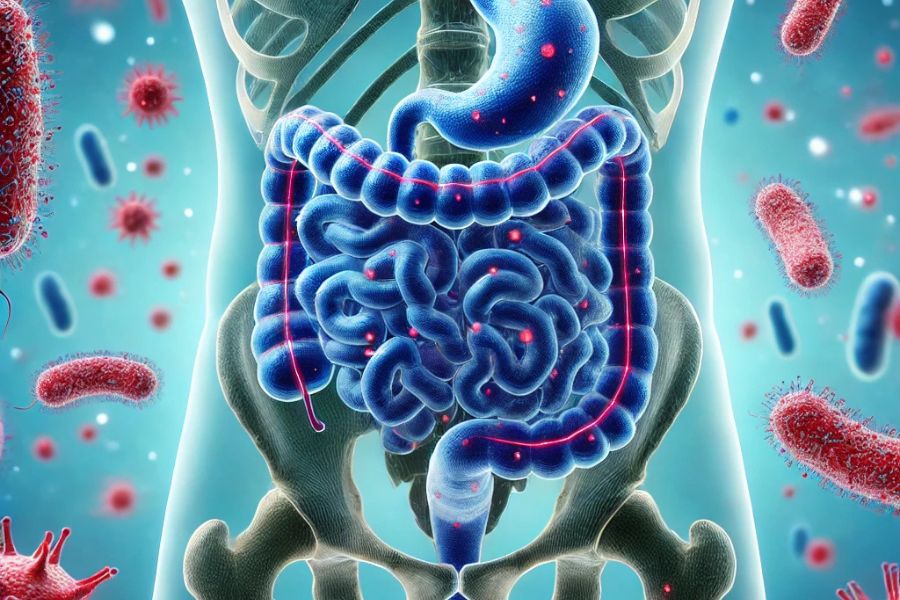
Probiotics are live bacteria and yeasts that add helpful microbes to your gut. They support the community of bugs that already live in your digestive system and help keep harmful microbes in check. This balance can support digestion and immunity and may ease issues like gas, bloating, constipation, or diarrhea over time (Cleveland Clinic).
When your gut bacteria are out of balance, food may not break down efficiently. That can lead to more fermentation, more gas, and more bloating. By adding certain strains of helpful bacteria, you may improve how you digest food and how quickly it moves through your system, which can reduce the buildup of gas.
Clinical reviews suggest that specific probiotic strains can reduce overall symptoms in people with irritable bowel syndrome, including bloating and abnormal bowel habits (Healthline). However, results are not the same for everyone, and not all strains work the same way.
Why probiotics sometimes cause more bloating at first
If you started a probiotic and noticed extra gas, you are not alone. The most common side effect of bacteria-based probiotic supplements is a temporary increase in gas and bloating. This usually fades after a few days to a few weeks as your body adjusts (Healthline).
There are a few reasons this happens:
- Probiotics produce short-chain fatty acids and gases as byproducts, which can temporarily increase gas in your gut while your microbiome shifts (Cleveland Clinic).
- Some supplements contain prebiotic fibers like inulin or oligosaccharides. These feed gut bacteria but can also cause gas and bloating in some people (Healthline).
- If you have lactose intolerance and your probiotic contains lactose, you might notice more gas and bloating as well (Healthline).
You can often reduce these effects by starting with a lower dose and gradually increasing over several weeks so your gut has time to adjust (Healthline). If symptoms are severe or do not improve, it is a good idea to stop and talk with a healthcare provider.
Best probiotic strains for bloating and gas
Not all probiotics are useful for bloating and gas. The research so far highlights a few standouts.
Bifidobacterium strains
Bifidobacteria are common in the large intestine and appear frequently in studies on gas and bloating.
- Bifidobacterium lactis supports the gut barrier and immune function and may help reduce bloating and smelly gas by improving digestion and gut balance (Medical News Today). It is also linked to more regular bowel movements, which can ease pressure and fullness (ZOE).
- Bifidobacterium infantis shows promise for reducing gas and other IBS-related symptoms and may help with smelly gas from poor digestion (Medical News Today).
Several studies have found that Bifidobacterium strains can reduce overall IBS symptom burden, including bloating, in some people (Healthline).
Lactobacillus strains
Lactobacillus species are found in your gut and in many fermented foods like yogurt and fermented vegetables.
- Lactobacillus acidophilus may help with bloating by improving digestion and helping balance gut bacteria. It has also been linked to reductions in gas and odor in some people (Medical News Today).
- Other Lactobacillus strains have been associated with reduced gas production and improved bowel habits, although research is still evolving (ZOE).
Together, Bifidobacterium and Lactobacillus are the most commonly studied probiotic groups for bloating and gas relief. However, there is still a lot to learn about which exact strain or combination is most effective for different people (Healthline).
Saccharomyces boulardii
Saccharomyces boulardii is a probiotic yeast rather than a bacteria. It is often used for diarrhea and gut infections.
This strain can be helpful for bloating that appears after antibiotic use, because it supports gut balance while antibiotics disrupt bacteria. It is generally well tolerated, although it is not recommended if you are immunocompromised (Medical News Today).
Probiotic supplements vs fermented foods
You can get probiotics from both supplements and foods, and each has advantages for bloating and gas.
Supplements
Probiotic capsules usually provide higher doses of specific strains and are taken daily as directed. This consistency and strength may be helpful if you are targeting a particular symptom like frequent bloating or gas (Cleveland Clinic).
On the other hand, some supplements:
- Use strains that have not been well studied for bloating
- Include prebiotic fibers that can increase gas for sensitive people
- May not be appropriate if you have serious illness or a weakened immune system, since there is a small risk of infection (Healthline, Healthline)
A few experts also caution that some supplements could potentially increase antibiotic resistance or have other downsides, so relying mainly on fermented foods whenever possible is often recommended (ZOE).
Fermented foods
Fermented foods naturally contain beneficial microbes and can be a gentle way to support your gut:
- Yogurt with live and active cultures
- Kefir or buttermilk
- Sauerkraut and kimchi
- Kombucha
- Aged cheeses
Regular intake of these foods has been linked to more frequent bowel movements and better digestive comfort in large groups of people, which can help with bloating that is related to constipation or slow digestion (ZOE).
If you are not used to fermented foods, it is wise to add them gradually and in small amounts. This gives your gut time to respond without a big spike in gas.
A closer look at Culturelle Bloating & Gas Defense
If you are interested in a ready-made option focused on bloating and gas, Culturelle Bloating & Gas Defense is one product designed for that purpose.
Each capsule includes:
- 5 billion CFUs of Lactobacillus rhamnosus GG, a widely studied probiotic strain that helps restore the balance of good bacteria in your gut microbiome and supports digestive health and relief from occasional bloating, gas, and indigestion (Culturelle).
- A proprietary IntelliZyme blend of 8 digestive enzymes including lactase, alpha galactosidase, proteases, cellulase, hemicellulase, phytase, and invertase. These help break down hard-to-digest components in foods such as fibers, proteins, carbohydrates, lactose, and many high FODMAP ingredients that often trigger bloating and gas (Culturelle).
- Bifidobacterium animalis subsp. lactis CECT 8145 plus B vitamins, which support both digestive health and energy metabolism (Culturelle).
- Ginger root, a botanical ingredient known for its soothing effect on the stomach and its traditional use for nausea and digestive upset, which rounds out the formula for additional comfort (Culturelle).
Culturelle recommends taking one capsule daily with your largest meal or with meals that usually cause you trouble, such as high FODMAP or heavy foods. The product is designed for long term daily use, as long as you have discussed it with your healthcare professional (Culturelle).
These capsules are vegetarian, non GMO, and free from artificial dyes, preservatives, yeast, eggs, peanuts, gelatin, and sugar. They do contain milk (lactose), soy, and wheat, so you should read labels carefully if you have allergies or intolerances. Like other probiotics, they may cause minor bloating or gas at first, which should settle within about two weeks in most people (Culturelle).
Who should be cautious with probiotics
While probiotics are generally safe for most healthy people, they are not right for everyone.
You should be especially cautious and talk with your doctor before using probiotic supplements if you:
- Have a compromised immune system
- Are seriously ill or recently hospitalized
- Are caring for a premature infant
In these situations, probiotics can, in rare cases, cause infections or worsen symptoms (Healthline, Healthline). Saccharomyces boulardii and other supplements are also not recommended for immunocompromised individuals (Medical News Today).
If you are generally healthy and only dealing with occasional bloating or gas, probiotics and fermented foods are usually well tolerated. Still, if your symptoms are severe, sudden, or accompanied by weight loss, blood in the stool, or persistent pain, you should seek medical care to rule out more serious conditions.
How to choose and use probiotics for bloating and gas
When you are ready to try probiotics for bloating and gas, a few simple steps can make your experience more comfortable and more effective.
- Focus on strains with evidence. Look for products that list strains like Bifidobacterium lactis, Bifidobacterium infantis, Lactobacillus acidophilus, or Lactobacillus rhamnosus GG, which have been studied for digestive symptoms (Healthline, Medical News Today).
- Read the ingredient list. If you are sensitive to fiber, lactose, soy, or wheat, check for prebiotic fibers and allergens that might increase gas or discomfort.
- Start low and go slow. Begin with a lower daily dose or every other day. Gradually move up to the full dose over a couple of weeks so your gut microbiome can adjust (Healthline).
- Give it time. Early gas and mild bloating are common. Many people find these effects settle after a short period as the gut rebalances (Cleveland Clinic).
- Track your symptoms. Keep a simple log of what you take, what you eat, and how you feel. This helps you notice patterns and decide whether a specific product is worth continuing.
- Pair with supportive habits. Hydration, regular movement, and a diet rich in whole foods and fiber (as tolerated) all support a healthier gut environment for your probiotics to work in.
For some people, a daily yogurt with live cultures plus a targeted probiotic supplement is enough to calm everyday bloating. Others may find that fermented foods alone do the job. Since your microbiome is unique, you will probably need some trial and error to find the mix that feels best for you.
If you are unsure where to start, or if you live with IBS or another digestive condition, it is worth asking a healthcare provider which strains and products might be the best fit for your specific symptoms.
About the Author