Why exercise bike fat burning workouts work
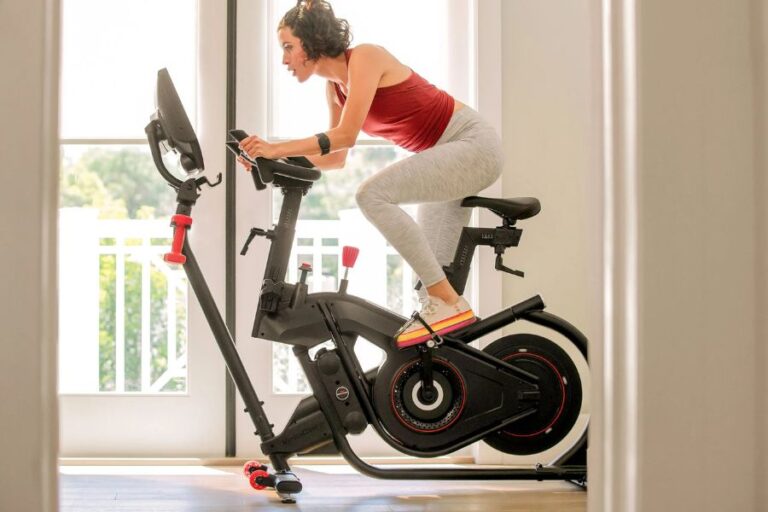
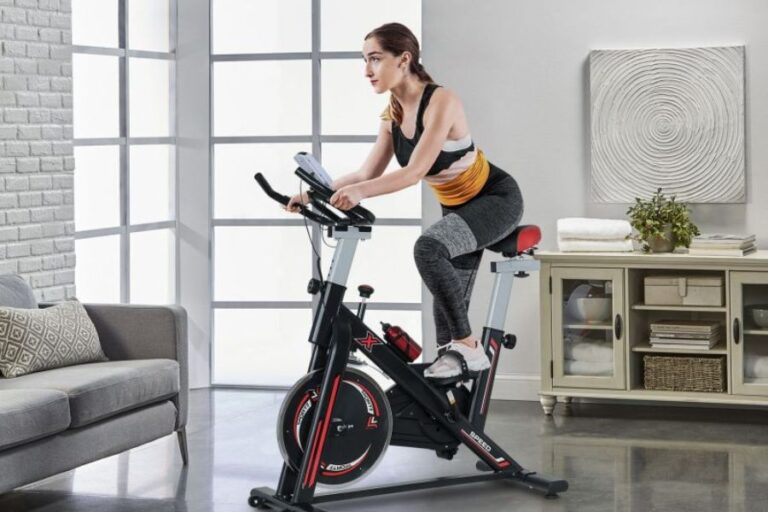
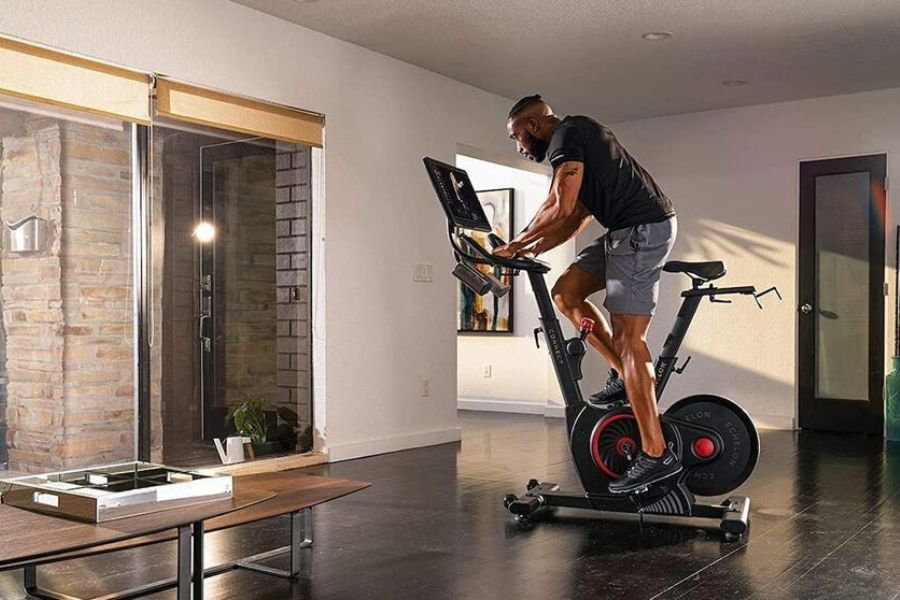
If you want to lose fat without pounding your joints, exercise bike fat burning workouts are a smart place to start. A stationary bike gives you low impact cardio, lets you control intensity precisely, and fits into almost any schedule.
In 30 minutes of moderate cycling, you can burn about 210 to 294 calories depending on your weight, which makes an exercise bike an efficient tool for weight loss (Crunch Fitness, PureGym). When you add higher resistance or intervals, you increase calorie burn even more and keep your metabolism elevated after your workout.
Most importantly, a bike is easy on your knees, hips, and ankles. That is why it works well for beginners, people coming back from injury, or anyone who prefers a joint friendly option over running (PureGym, SELF).
Set yourself up for fat loss success
Before you jump into specific workouts, a few basics will help you actually see results and not just sweat.
Focus on consistency first
Most sources recommend riding 3 to 5 times per week for 30 to 60 minutes to maximize fat burning and support steady weight loss (Crunch Fitness, SOLE Fitness). You do not have to go all out every session. Mix easier days with hard ones so you can stick with it week after week.
Many riders find it easier to stay consistent when they pair biking with something enjoyable. Watching TV, listening to audiobooks, or putting on a favorite playlist can help you look forward to your ride and stick to your routine long term (Reddit).
Pair your rides with a calorie deficit
No workout can undo an unlimited amount of food. Exercise bikes support weight loss best when you combine them with a moderate calorie deficit and nutrient dense meals. Reddit users who lost significant weight on stationary bikes, like 22 to 77 pounds over a few months, highlight that controlling calorie intake was just as important as pedaling regularly (Reddit).
You do not need an extreme diet. Aim for:
- Plenty of lean protein
- A mix of whole grain or starchy carbs
- Healthy fats
- Fruits and vegetables at most meals
Drinking enough water also supports performance and appetite control (CarolBike).
Warm up and pick the right resistance
Always start with 5 to 10 minutes of easy pedaling. This prepares your muscles and joints so harder intervals feel better and your risk of injury is lower.
When you adjust resistance, think of a simple 1 to 10 effort scale, where 1 is very easy and 10 is an all out sprint:
- 3 to 4 feels like you could ride for an hour and still talk in full sentences
- 5 to 7 feels like a steady challenge
- 8 to 10 feels like a hard push or sprint that you can only keep for short bursts
You will use this scale in the workouts below.
Try a steady state fat burning ride
If you are newer to cycling or returning after a break, low intensity steady state (LISS) rides are a safe and effective starting point. This is where you pedal at a comfortable, moderate effort for a longer time.
A 155 pound person can burn roughly 390 calories in 60 minutes of moderate effort cycling, and three such sessions per week can add up to about a 3,500 calorie deficit, close to one pound of fat (Crunch Fitness). PureGym reports similar benefits, with three 60 minute LISS sessions burning around 1,512 calories weekly for a 155 pound rider (PureGym).
30 to 45 minute steady state workout
-
Warm up, 5 to 10 minutes
Easy pedaling at effort level 3 to 4. Light resistance, relaxed breathing. -
Main ride, 20 to 30 minutes
Increase resistance slightly and ride at effort level 5 to 6. You should breathe faster but still be able to speak a short sentence. Maintain a smooth cadence instead of mashing the pedals. -
Optional push, 5 minutes
If you feel good, spend the last 5 minutes closer to effort 6 to 7. -
Cool down, 5 minutes
Reduce resistance and spin lightly at effort 3.
You can do this type of ride 2 to 3 times per week. It builds your base fitness, teaches your body to use fat for fuel, and prepares you for higher intensity work later (SELF).
Use HIIT cycling for maximum calorie burn
Once you are comfortable with steady rides, you can add high intensity interval training, or HIIT. HIIT cycling alternates short hard efforts with easier recovery pedaling. This style burns a lot of calories in a short time and keeps your metabolism elevated for hours afterward, which is often called the afterburn effect (Crunch Fitness, SOLE Fitness, Men’s Health UK).
A 30 minute HIIT session on a stationary bike can burn about 30 percent more calories than steady cycling, with one study reporting around 330 calories for a 155 pound person in half an hour (CarolBike).
Because HIIT is demanding, it is usually best to do it only 2 to 3 times per week, with easier rides in between.
20 minute beginner friendly HIIT workout
This interval workout keeps things simple and effective:
-
Warm up, 5 minutes
Easy pedaling at effort 3 to 4. -
Intervals, 10 minutes total
Repeat 10 times:
- 30 seconds at effort 7 to 8. Increase resistance and speed. You should be breathing hard but still in control.
- 30 seconds at effort 3 to 4. Reduce resistance and slow your pace.
- Cool down, 5 minutes
Light pedaling at effort 3.
This style lines up with guidance that intervals alternating between easy, moderate, hard, and all out efforts are highly effective for fat burning on a bike (SELF).
If you enjoy structured formats, you can also try popular HIIT styles like Tabata, which uses 20 seconds hard and 10 seconds easy, or the 10 20 30 method, which cycles through different intensities in a single minute (SELF).
Safety tips for HIIT cycling
Because HIIT pushes you close to your limit, keep these points in mind:
- Eat a carbohydrate rich meal a couple of hours before, so you have enough fuel and do not break down muscle tissue unnecessarily (Studio Three).
- Start with fewer intervals and build up.
- If you have any heart or health conditions, talk with your doctor before starting intense workouts (Studio Three).
Your goal is to finish feeling tired but not wrecked.
Climb intervals to build muscle and burn more fat
Another way to turn your exercise bike into a fat burning machine is to simulate hill climbs. When you increase resistance and push against a heavy load, you recruit more muscles in your quads, hamstrings, glutes, and core. That not only burns calories during the ride, it also helps you build lean muscle, which increases your daily calorie burn over time (PureGym, SOLE Fitness).
30 minute power climb workout
Use an effort scale again rather than exact RPMs. Adjust for your bike and fitness level.
-
Warm up, 5 minutes
Easy pedaling at effort 3 to 4. -
Seated climb, 4 minutes
Increase resistance and pedal at effort 7 to 8 while seated. Focus on smooth, strong strokes. -
Recovery, 2 minutes
Reduce resistance and pedal at effort 4. -
Standing climb, 3 minutes
Raise resistance again and stand up on the pedals if your bike is designed for that. Aim for effort 8. -
Recovery, 2 minutes
Sit down and ride easy at effort 3 to 4. -
Repeat steps 2 to 5 once more
This gives you two full climb blocks. -
Cool down, 5 minutes
Light pedaling at effort 3.
Climb style intervals like these mirror structured indoor cycling workouts used to maximize all day fat burning and engage large muscle groups (SOLE Fitness, Men’s Health UK).
Combine workouts for the best fat loss results
You do not need to choose between steady rides, HIIT, or climbs. In fact, combining them tends to deliver the best fat loss and fitness improvements. Longer moderate rides build endurance and teach your body to burn fat efficiently, while shorter interval and climb sessions spike calorie burn and maintain muscle.
One effective weekly structure, if your schedule allows, might look like this:
3 to 5 sessions per week that blend steady state cardio and intervals is a powerful way to maximize fat burning and stay consistent over time (Crunch Fitness, SOLE Fitness).
For example:
- Day 1, 30 to 45 minute steady state ride
- Day 2, Rest or light activity
- Day 3, 20 to 25 minute HIIT workout
- Day 4, Rest or walk
- Day 5, 30 minute power climb session
- Day 6, Optional easy 20 to 30 minute spin
- Day 7, Rest
You can shift days around to fit your life. The key is a mix of intensities and enough rest that you can push hard on the challenging days.
How long until you see results
With regular riding and a reasonable calorie deficit, you can usually start noticing changes within about a month. One guide notes that consistent stationary bike workouts often show visible results after a few weeks of use (CarolBike).
Look for signs like:
- Better endurance on the bike
- Looser clothing or a smaller waist measurement
- More energy during the day
- Stronger legs and improved confidence with fitness
Significant fat loss takes longer. Think in terms of months, not days. Many people who shared their experiences with stationary bikes reported large weight losses by sticking with their routine and keeping their diet on track (Reddit).
Start with one workout this week
You do not need a perfect plan to get started. Choose one of the exercise bike fat burning workouts above, block out 20 to 30 minutes, and try it once this week. Next week, add a second session. From there, you can layer in HIIT or climb intervals as your comfort and fitness grow.
Your bike is already a powerful fat burning tool. The difference comes from how you use it, how often you ride, and how well your eating habits support your effort.
About the Author