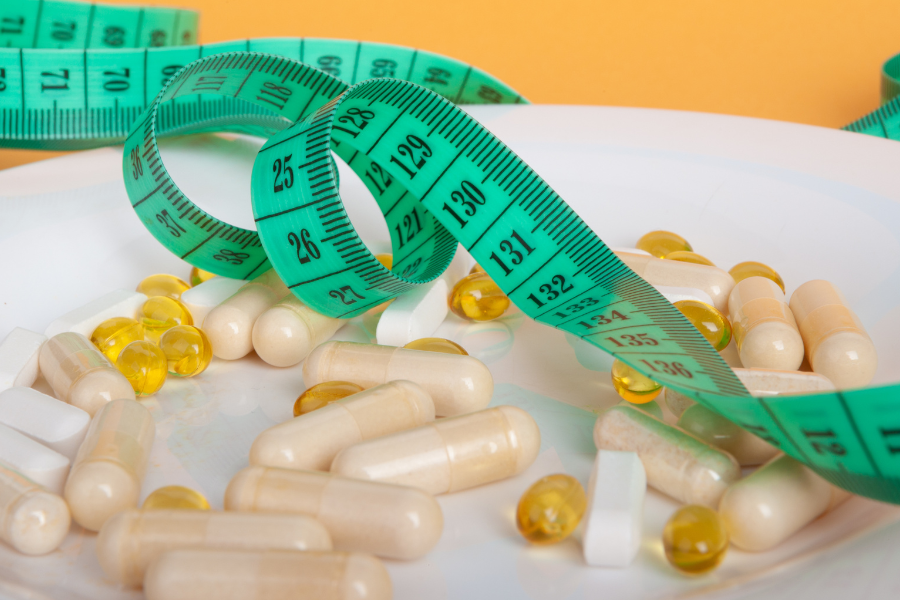
A lot of “weight loss pills for women” promise overnight miracles. Very few back it up with research or long‑term results. If you are sorting through capsules, injections, and powders trying to find something that actually works and is safe, you are not alone.
Below, you will learn what types of weight loss medications exist, which options deliver meaningful results, what kind of weight loss you can realistically expect, and how to use these tools in a way that protects your health.
This guide is education only and is not medical advice. Always talk with your healthcare provider before starting any weight loss medication or supplement.
Understand how weight loss pills work
Most weight loss pills for women fall into three main categories. Knowing how they work helps you understand what to expect and what side effects might show up.
Appetite and craving suppressants
These medications act on your brain to reduce hunger or food cravings. They help you feel full with smaller portions and make it easier to walk away from extra snacks.
Common examples include:
- Bupropion‑naltrexone (brand name Contrave)
- Phentermine
- Phentermine‑topiramate (Qsymia)
Contrave, for example, helped more than 40 percent of adults lose at least 5 percent of their starting weight and over 20 percent lose at least 10 percent after one year in clinical trials (GoodRx).
Fat absorption blockers
These drugs affect digestion in your gut so that your body absorbs less fat from the food you eat. You still need a balanced, relatively low‑fat diet or the side effects can be uncomfortable.
- Orlistat (Xenical, or the over‑the‑counter form Alli) blocks some dietary fat from being absorbed, which then leaves your body in the stool.
Orlistat helped up to 55 percent of adults lose at least 5 percent of their weight and up to 25 percent lose at least 10 percent after one year, although gas and diarrhea are common complaints (GoodRx, Cleveland Clinic).
GLP‑1 and similar medications
Glucagon‑like peptide‑1 receptor agonists, or GLP‑1s, were originally diabetes drugs. Now, they are among the most effective weight loss medications available. These work by:
- Reducing appetite
- Slowing stomach emptying so you feel full longer
- Improving blood sugar control
Examples include:
- Semaglutide (Wegovy)
- Liraglutide (Saxenda)
- Tirzepatide (Zepbound, a dual GLP‑1 and GIP agonist)
GLP‑1 agonists such as Wegovy, Zepbound, and Saxenda are currently considered the most effective weight loss medications overall (UC Davis Health).
See what “real results” actually look like
When you look for weight loss pills for women that actually work, it helps to set realistic expectations. Most prescription options do not melt off 50 pounds in a month, but they can create steady, clinically proven loss over time.
Here is a simple snapshot of what research shows:
| Medication type | Example | Typical results in studies | Notes |
|---|---|---|---|
| GLP‑1 injection | Wegovy (semaglutide) | Around 14.9% average body weight loss at 68–72 weeks with lifestyle changes (Obesity Medicine Association) | Weekly injection, dose increased slowly |
| Dual GLP‑1/GIP injection | Zepbound (tirzepatide) | Up to 22.5% average loss at 72 weeks in adults without diabetes (Obesity Medicine Association) | Currently the most effective FDA‑approved option |
| GLP‑1 pill | Wegovy (semaglutide) pills | About 14% to 17% average loss when combined with diet and exercise (GoodRx) | First oral GLP‑1 for weight loss |
| Combination pill | Contrave | >40% lost ≥5% and >20% lost ≥10% after one year (GoodRx) | Helpful if emotional eating is a challenge |
| Combination pill | Qsymia | About 70% lost ≥5% and ~50% lost ≥10% after one year (GoodRx) | Contains phentermine, so not right for everyone |
| Short‑term stimulant | Phentermine | Around 3% to 5% weight loss, usually within 12 weeks (GoodRx) | Approved only for short‑term use |
Across all prescription weight loss drugs, you can usually expect to lose about 3 percent to 12 percent more of your starting weight than you would with lifestyle changes alone after a year of consistent use (Mayo Clinic, Cleveland Clinic).
Know who weight loss pills are really for
These medications are not meant for a few “vanity pounds.” They are tools for people whose weight is causing or worsening health problems.
Most expert groups and health systems recommend weight loss pills when:
- Your BMI is 30 or higher
- Or your BMI is 27 or higher and you have related conditions such as high blood pressure, high cholesterol, or type 2 diabetes (Obesity Medicine Association, Brown Health)
The FDA has approved several prescription drugs for long‑term use, including bupropion‑naltrexone, liraglutide, orlistat, phentermine‑topiramate, semaglutide, and setmelanotide, which is for specific rare genetic obesity conditions (Mayo Clinic).
Weight loss medications are generally not recommended if you are:
- Pregnant, trying to get pregnant, or breastfeeding
- A teen or younger adult without clear clinical indication
- Dealing with certain heart, psychiatric, or kidney conditions, depending on the drug
Because the medical details can get complex, you always want a healthcare provider to review your full history, medications, and goals before you start anything new.
Learn about side effects before you start
Every effective weight loss pill for women comes with potential side effects. That does not mean you will experience all of them, but you should know what might happen and how to respond.
Common issues with GLP‑1 medications
Nearly half of people who take GLP‑1 agonists like semaglutide or liraglutide experience at least one digestive side effect such as nausea, vomiting, acid reflux, bloating, stomach cramps, diarrhea, or constipation (SIU Medicine).
Other common effects include:
- Fatigue
- Headache and dizziness
- Heartburn and abdominal pain (Obesity Medicine Association)
Serious risks are rare but can include pancreatitis, gallbladder issues, kidney problems, and possible thyroid tumors with drugs like tirzepatide, which is used in Zepbound (Obesity Medicine Association).
The good news is that doses are usually started low and increased slowly so your body can adapt, which often reduces side effects over time (SIU Medicine).
Side effects of other prescription pills
Other classes of drugs can bring different side effects:
- Orlistat often causes oily stools, gas, and urgent bowel movements, especially when you eat a high‑fat meal (Cleveland Clinic)
- Phentermine and phentermine‑topiramate can increase heart rate and may not be safe if you have certain heart conditions, and they also carry some risk of misuse and birth defects if taken during pregnancy (Mayo Clinic)
- Bupropion‑naltrexone can raise blood pressure and includes a warning about suicide risk, so close monitoring is needed (Cleveland Clinic)
Across these medications, nausea, headache, constipation, diarrhea, and vomiting are among the most common side effects, though serious problems are uncommon when your provider is monitoring you (Mayo Clinic).
What about mental health risks?
GLP‑1 drugs have been the subject of dramatic headlines about suicidal thoughts. A January 2024 study in Nature Medicine actually found that semaglutide was associated with a 49 percent to 73 percent lower risk of first‑time or recurring suicidal ideation compared with other obesity medications, which pushes back on some of those fears (Obesity Medicine Association).
Still, if your mood changes or you notice new or worsening anxiety or depression while taking any weight loss medication, you should contact your healthcare provider quickly.
Use GLP‑1s and other pills the smart way
If you and your provider decide to try GLP‑1s or another prescription, how you use them can make a real difference in how you feel and how well they work.
Ease digestive side effects with food habits
You can often reduce nausea, cramps, and reflux from GLP‑1 medications by adjusting how and what you eat:
- Limit high‑fat, greasy, spicy, and sugary foods, which tend to trigger nausea and cramping
- Focus on simple, balanced meals with lean protein, vegetables, and whole grains
- Drink plenty of fluids and add fiber to help prevent constipation (SIU Medicine)
Smaller portions help too. Using a smaller plate, boxing part of restaurant meals, and eating small, frequent meals instead of a few heavy ones can all make symptoms easier to manage and help you keep taking the medication consistently (SIU Medicine).
Protect your muscles and energy
Because GLP‑1 pills and injections can reduce your appetite so much, you may struggle to get enough protein. To protect your muscle and lean body mass, your provider might recommend:
- Protein drinks like Ensure Max Protein, Glucerna Protein Smart, Premier Protein, Muscle Milk, or Fairlife Protein, which are less likely to trigger nausea than heavy meals (SIU Medicine)
- Gentle strength training a few times per week to help your body hold on to muscle while you lose fat
This becomes especially important once you start seeing noticeable changes on the scale.
Be careful with “natural” weight loss supplements
Pills sold as “natural weight loss boosters” or “herbal fat burners” are everywhere. Many are marketed directly to women with promises of fast, easy results without a prescription.
Common ingredients include green tea extract, Garcinia cambogia, raspberry ketones, and African mango extract. These supplements are usually affordable and easy to buy over the counter, and they are often said to boost metabolism, curb appetite, and increase fat burning (Island Rheumatology).
However, you should keep a few realities in mind:
- The effectiveness of natural supplements is often modest and can vary widely from person to person
- Supplements are not regulated as strictly as prescription medications, so dosage, purity, and even the exact ingredients in the bottle can be uncertain
- Some products have been found to contain undisclosed stimulants or other harmful ingredients, which can pose real risks
Because of this, experts recommend talking with your healthcare provider before starting any supplement marketed for weight loss, especially if you take other medications or have chronic health conditions (Island Rheumatology, UC Davis Health).
Make medication part of a bigger plan
Weight loss pills for women can be powerful, but they are not meant to work alone. Almost every major medical organization frames them as one tool inside a larger plan.
For the best chance at safe, lasting results, you want to combine medication with:
- A balanced, lower‑calorie eating pattern you can sustain
- Regular physical activity, even if that is just daily walking and some simple strength exercises
- Enough sleep and stress management, since poor sleep and chronic stress can undermine weight loss
- Ongoing support from your healthcare provider and, when possible, a dietitian or weight management specialist
Long‑term use of prescription weight loss drugs for more than 12 weeks can help you lose about 3 percent to 12 percent more of your total body weight than lifestyle changes alone, and losing just 5 percent to 10 percent can improve blood pressure, blood sugar, and triglycerides (Mayo Clinic).
Many people regain weight within a few months of stopping medication, which is why some providers recommend continuing long term once you reach a stable, healthier weight, as long as the benefits outweigh the risks for you (Brown Health).
Choosing your next step
If you are considering weight loss pills, you can move forward in a thoughtful way:
- Write down your health history, current medications, and specific weight‑related concerns.
- Decide what matters most to you, such as the amount of weight you hope to lose, how quickly you want to see changes, how you feel about injections versus pills, and your budget.
- Schedule an appointment with your primary care provider or an obesity medicine specialist to talk through the options that best match your situation.
You do not have to figure this out alone, and you do not have to fall for quick‑fix promises. With the right information, realistic expectations, and medical guidance, you can choose a weight loss approach that supports your health instead of working against it.
About the Author