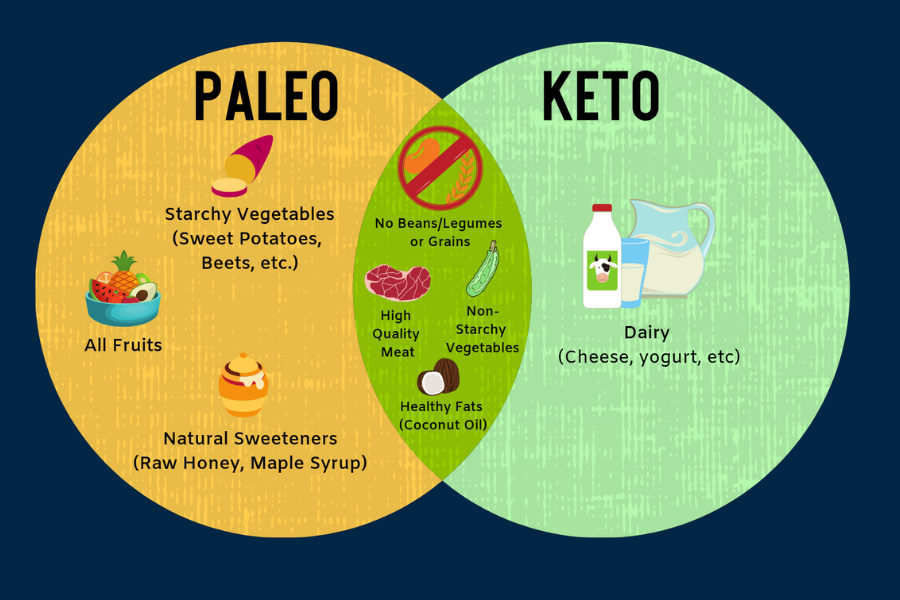
A paleo diet vs keto comparison can be confusing when you just want to lose weight and feel better. Both focus on whole foods and cutting out processed sugar, but they work in very different ways. Understanding how each diet actually changes what you eat and how your body uses energy makes it much easier to choose the healthier, more sustainable option for you.
Below, you will see how paleo and keto differ, where they overlap, and what that means for your weight loss and long-term health.
Understand the basics of paleo and keto
Before you decide between paleo and keto, it helps to get clear on what each diet really is, not just what you see on social media.
What is the paleo diet?
The paleo diet, often called the caveman diet, centers on foods your distant ancestors could have hunted or gathered. You focus on meat, fish, eggs, vegetables, fruits, nuts, and seeds, and you avoid modern processed foods.
Typical paleo guidelines include avoiding:
- Grains such as wheat, rice, and oats
- Legumes such as beans, lentils, and peanuts
- Most dairy products
- Processed sugar and refined oils
Paleo is not just about food. It also often encourages lifestyle habits such as regular movement, time outdoors, and stress management to support overall wellness (Healthline).
Research suggests that a paleo pattern can support weight loss and improvements in blood pressure, cholesterol, and blood sugar, which may lower your risk of cardiovascular disease (WebMD).
What is the keto diet?
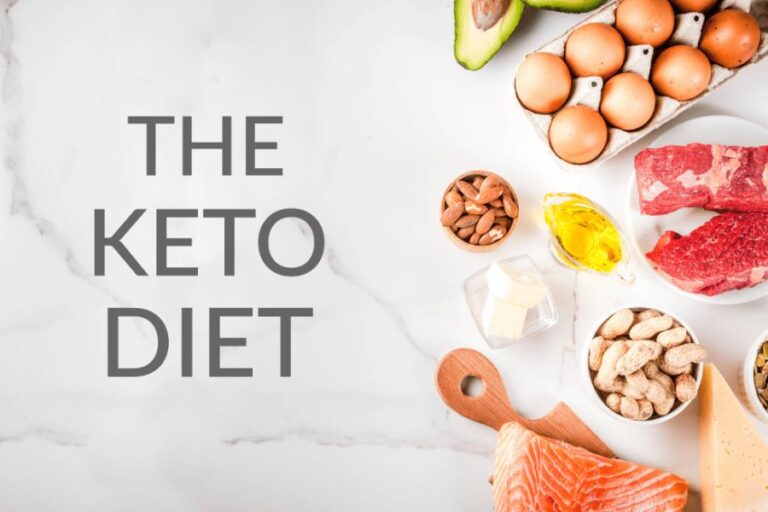
The ketogenic, or keto, diet is built around a very specific goal. You sharply reduce carbohydrates so that your body switches from using glucose for energy to using ketones made from fat. This metabolic state is called ketosis.
To reach and maintain ketosis, a classic keto plan usually looks like:
- Around 60 percent of calories from fat
- Around 30 percent from protein
- Around 10 percent from carbohydrates
This usually means very low carb intake, often under about 50 grams per day, although exact numbers can vary by plan (WebMD, MorningStar Family Health Center). Keto originally began as a medical diet to help manage seizures and is now popular because it can lead to rapid weight loss for many people (WebMD).
Compare what you can and cannot eat
On the surface, both paleo and keto seem similar because you eat whole foods and cut out obvious junk. When you look closer, the rules differ a lot, especially with carbs and dairy.
Foods you eat on paleo
On a paleo diet, you focus on food quality. You do not track macros, count carbs, or weigh every bite. Instead, you ask, “Is this a whole, minimally processed food?”
You typically base your meals around:
- Meat and poultry, ideally grass-fed or free range
- Fish and seafood, ideally wild caught
- Eggs
- Vegetables of all kinds, including starchy ones like sweet potatoes
- Fruits
- Nuts and seeds
- Healthy fats such as olive oil, avocado, and coconut oil
You avoid grains, dairy, legumes, refined sugar, and highly processed foods (Healthline, MorningStar Family Health Center).
Paleo also allows small amounts of natural sweeteners such as honey or coconut sugar, as long as you still keep them in moderation (MorningStar Family Health Center).
Foods you eat on keto
On keto, you build your plate around fat. The question you ask most often is “Will this food keep me in ketosis?”
A typical keto pattern includes:
- High fat foods such as butter, cream, cheese, oils, and fattier cuts of meat
- Moderate protein like meat, poultry, fish, and eggs
- Very low carb vegetables such as leafy greens, broccoli, cauliflower, zucchini, and cucumber
You avoid most carb-heavy foods, including:
- Grains of all kinds
- Sugar and most sweeteners
- Most fruit
- Starchy vegetables such as potatoes, corn, and many winter squashes
Keto often allows dairy, which is a key difference from paleo. You can use non calorie sweeteners such as stevia or monk fruit instead of sugar (MorningStar Family Health Center).
Paleo vs keto food rules at a glance
Here is a simple side by side look at how the two diets compare.
| Food group | Paleo | Keto |
|---|---|---|
| Meat, fish, eggs | Yes | Yes |
| Non starchy vegetables | Yes | Yes |
| Starchy vegetables | Yes | Usually no |
| Fruit | Yes | Mostly no |
| Grains | No | No |
| Legumes | No | Usually no |
| Dairy | Mostly no | Often yes |
| Added sugar | No | No |
| Natural sugars (honey) | Sometimes | No |
Paleo gives you a wider variety of whole food carbs, such as fruit and sweet potatoes. Keto severely restricts those foods so that your carb intake stays very low (Healthline).
See how each diet affects weight loss
You are probably wondering which diet will help you lose weight more effectively. Both can work, but they get you there in different ways and feel very different to live with.
How paleo supports weight loss
With paleo, you tend to naturally reduce calories because you remove ultra processed foods that are easy to overeat. Instead of chips, cookies, and sweetened drinks, you fill up on protein, vegetables, and healthy fats.
Studies suggest that paleo can lead to significant weight loss, lower body mass index, smaller waist size, and improvements in blood pressure and cholesterol (WebMD). Since you are not counting every gram of carbs, many people find it easier to follow day after day.
Paleo also helps you:
- Stabilize blood sugar by removing refined carbs and sugar
- Feel full longer because you eat more protein and fiber
- Cut inflammation by skipping highly processed oils and additives (MorningStar Family Health Center)
This combination often leads to steady, sustainable weight loss rather than extreme ups and downs.
How keto supports weight loss
Keto can produce fast results, especially in the beginning. When you sharply cut carbs, you lose stored glycogen and water, which shows up quickly on the scale. Once you are in ketosis, your body uses fat for energy, including stored body fat.
This shift can lead to substantial weight and body fat loss in a relatively short time for many people (MorningStar Family Health Center). Keto also tends to reduce appetite for some people, which naturally lowers calorie intake.
However, there are tradeoffs:
- You must track carbs very closely to avoid slipping out of ketosis
- Social eating can be tough because even small portions of bread, fruit, or dessert can push carbs too high
- Some people experience side effects early on, such as increased thirst, frequent urination, metallic taste, nausea, decreased appetite, and sleep problems (Scripps Health)
Both paleo and keto can help you lose weight by moving you away from processed foods and toward nutrient dense meals (Scripps Health). The big question is which one you can realistically imagine following for months and years, not just weeks.
Weigh the health benefits and risks
Weight loss is important, but it is only one part of your health. Before you decide on paleo or keto, it is worth understanding how each pattern affects nutrients, heart health, and day to day wellbeing.
Potential benefits of paleo
The paleo diet can support your health in several ways:
- Better blood sugar control, which may benefit type 2 diabetes and reduce cardiovascular risk (WebMD)
- Weight loss, lower BMI, and smaller waist measurements
- Improvements in blood pressure and cholesterol, which may lower heart disease risk (WebMD)
- Reduced inflammation and improved metabolic markers when you shift to whole, unprocessed foods (MorningStar Family Health Center)
Because paleo includes a variety of vegetables, fruits, nuts, seeds, and high quality proteins, it generally provides a broad mix of vitamins, minerals, and fiber.
At the same time, many paleo versions are high in meat and saturated fat. This heavy emphasis may raise concerns for heart health and diabetes if you are not careful about choosing leaner proteins and plenty of plant foods (WebMD).
Potential benefits of keto
Keto has its own set of potential benefits, especially around blood sugar and brain health:
- Can be highly effective for short term weight loss and body fat reduction (MorningStar Family Health Center)
- Often improves blood sugar stability and may help manage diabetes when done under medical supervision (Scripps Health)
- May support brain health because ketones offer an alternative fuel for the brain, and keto is an established therapy for some forms of epilepsy (MorningStar Family Health Center)
However, strict carb restriction can lead to nutrient gaps. Since keto limits grains and most fruits, you might not get enough selenium, magnesium, phosphorus, and vitamins B and C unless you plan very carefully (WebMD). There can also be risks for liver and kidney health, particularly if you already have issues in those areas.
Some people on keto notice mood and cognitive side effects like confusion, irritability, or “brain fog,” especially if they are very sensitive to low carb intake (WebMD).
Keto is also not recommended for everyone. It may not be suitable if you are pregnant or nursing, have advanced kidney disease, or have a history of eating disorders (Scripps Health).
What heart health experts say
Both paleo and keto are popular, but they do not line up strongly with heart health guidelines. A 2023 American Heart Association scientific statement rated 10 popular diets for how well they support heart health.
- Paleo scored 53 out of 100
- Keto scored 31 out of 100
Both landed in the lowest tier for alignment with heart healthy eating patterns (American Heart Association News). The main concerns were:
- High fat intake without specific limits on saturated fat
- Restriction of foods that heart healthy diets usually emphasize, such as fruits, whole grains, and legumes
- Lower fiber intake and higher saturated fat intake compared with something like the Mediterranean or DASH diet (American Heart Association News)
The American Heart Association also notes that while paleo and keto can lead to short term weight loss, research has not shown them to be more effective than less restrictive diets for long term weight maintenance (American Heart Association News).
Decide which diet fits your life
When you look at paleo diet vs keto side by side, the “healthier” choice often comes down to what you can stick with and what fits your body and lifestyle.
When paleo may be a better fit
You might lean toward paleo if:
- You want weight loss that feels flexible instead of tightly counted
- You prefer not to track macros or test for ketosis
- You enjoy fruits and starchy vegetables and do not want to give them up
- You have a busy life and need a pattern that can adapt to family meals and social events
Paleo is generally viewed as easier to maintain long term because it allows more variety and does not require precise carb limits. It is often considered the healthier choice in terms of overall nutrient diversity and sustainability (Healthline, MorningStar Family Health Center).
When keto may be a better fit
You might consider keto if:
- You have a specific medical reason under professional guidance, such as seizure management
- You are strongly motivated by rapid initial weight loss
- You are comfortable tracking macros closely and adjusting your meals around a strict carb limit
- You want to experiment with how ketones affect your energy and hunger
If you explore keto, it is especially important to work with a health professional and to monitor how you feel physically and mentally. Because it is restrictive and can be hard to sustain, you may want to see it as a short term therapeutic tool rather than a lifelong pattern unless advised otherwise (Scripps Health, American Heart Association News).
Consider hybrid and plant forward options
If you like aspects of both paleo and keto, you are not limited to choosing only one. Some people follow a “paleo keto” style that keeps paleo food quality but uses lower carb choices to encourage some ketone production (MorningStar Family Health Center).
There is also the “Pegan” diet, which blends paleo ideas with a mostly plant based approach. About 75 percent of your plate is fruits and vegetables, with limited beans, starches, sugar, dairy, and grains. This pattern may offer cardiovascular benefits along with weight loss for some people (Scripps Health).
You can also borrow the most helpful elements from both diets without going all in. For example, you might:
- Keep processed sugar and refined grains to a minimum
- Prioritize vegetables, quality protein, and healthy fats
- Adjust your carb level based on your activity, mood, and lab results
This flexible mindset can help you create an eating pattern that supports your goals without feeling like a never ending diet.
Take your next step confidently
Both paleo and keto can move you away from processed foods and closer to real, nutrient dense meals. For most people who want to lose weight and improve health, paleo tends to be the more practical, sustainable choice because it is less restrictive, allows a broader range of whole foods, and is easier to live with day to day (Healthline, MorningStar Family Health Center).
Before you commit, consider:
- Your health history and any conditions you have
- How strict you are willing to be with counting carbs
- Whether you can imagine eating this way a year from now
If you have underlying health issues or take medications, talk with your healthcare provider or a registered dietitian before making big changes. Then, start small. You might first swap processed snacks for nuts and fruit, add one paleo style dinner this week, or cut out sugary drinks.
From there, you can decide if a full paleo diet, a carefully supervised keto plan, or a blended approach works best for your body and your life.
About the Author