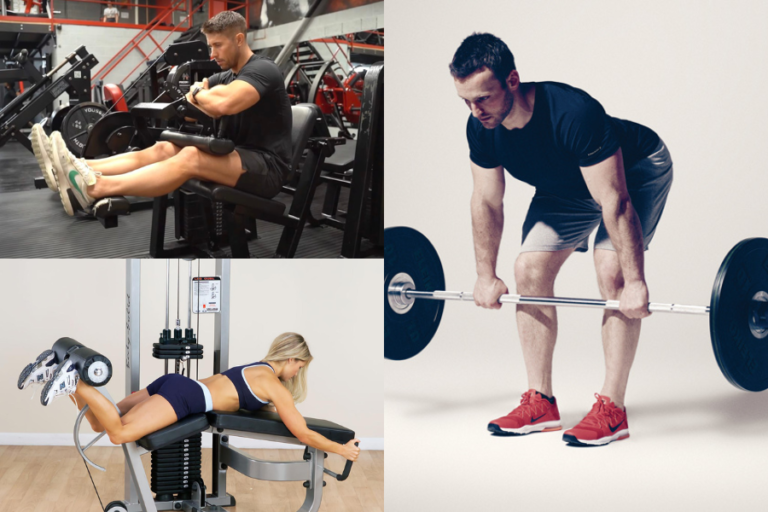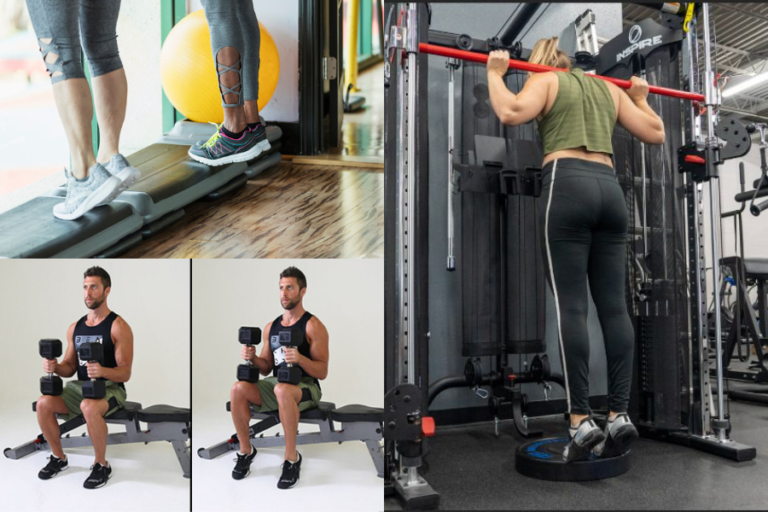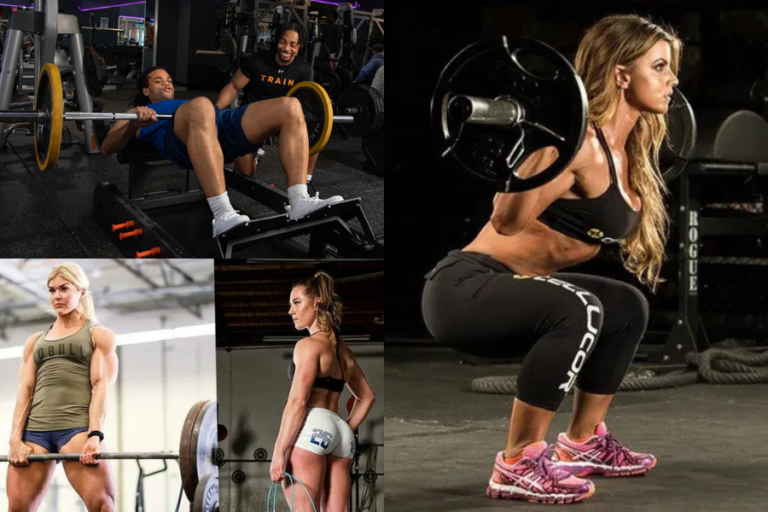
A strong set of hamstrings does much more than power your sprints. Effective hamstring workouts support your knees, protect your lower back, and make everyday movements like walking, climbing stairs, and lifting groceries feel easier. When you train these muscles with a mix of strength, mobility, and control, your entire lower body becomes more stable and resilient.
Below, you will find practical hamstring exercises and complete hamstring workouts you can do at home or in the gym, whether you are a beginner or more advanced.
Understand your hamstrings
Your hamstrings are a group of three muscles on the back of your thigh: the semitendinosus, semimembranosus, and biceps femoris. They help you bend your knees and extend your hips, which means they are involved every time you walk, run, squat, or pick something up from the floor.
Because they cross both the hip and knee, your hamstrings have two main jobs:
- Hip extension, helping your glutes drive your leg back
- Knee flexion, bending your knee and controlling deceleration
You train them most effectively when your hamstring workouts include both of these actions and move through a full range of motion, for example with good mornings, glute bridges, Nordic curls, and deadlift variations.
Why hamstring strength matters
If your hamstrings are weak or tight, you feel it in more than just the back of your legs. They influence how your knees, hips, and low back behave.
Physical therapists note that strong hamstrings can:
- Improve your ability to bend and straighten your knees without pain
- Help you walk, squat, and climb stairs more comfortably
- Balance your quads and hamstrings to protect your knees from strain
On the other hand, weak hamstrings are linked to knee pain, hip discomfort, low back issues, and even changes in the way you walk. This is especially common when the quadriceps on the front of your thigh overpower the hamstrings, something experts say happens more often in women and can affect running stability and exercise form.
If you play sports that involve sprinting, such as soccer, football, baseball, or track, hamstring strength becomes even more important. Up to 12 percent of all injuries in soccer, for example, are hamstring related, often because the muscles are not prepared for rapid accelerations and high-speed running.
Warm up your hamstrings the right way
Before you jump into hamstring workouts, you want to wake the muscles up and prepare your nervous system for work. A dynamic warm-up is more helpful than simply holding static stretches, especially before lifting or sprinting.
According to The Prehab Guys, an effective hamstring warm-up blends:
- Dynamic mobility
- Light strengthening
- Eccentric and concentric contractions
- Nervous system priming
You can put that into practice with drills like:
- Monster Walks: Walk about 20 yards while kicking one leg up to a comfortable height and reaching for your toes with the opposite arm to stretch your hamstrings.
- Inch Worms: Start in a push-up position, walk your feet toward your hands with straight knees until you feel a hamstring and calf stretch, hold briefly, then walk your hands back out and repeat for distance.
- Ground Sweeps: Step one foot forward, keep the front leg straight, and sweep your fingertips toward the ground while keeping your back tall, then switch legs as you walk.
- Spider Man Walks: From a push-up position, step one foot outside your hand, hold a brief stretch through your groin and hamstrings, then alternate sides as you move forward.
Aim for 5 to 7 minutes of this type of warm-up before your main hamstring workout. Focus on keeping your core engaged and your spine tall, which helps you move well and reduces injury risk.
Best hamstring exercises for all levels
You do not need a full gym to strengthen your hamstrings, but you do want variety. Combining open-chain exercises (where your foot is off the ground) and closed-chain movements (foot on the ground) gives you strength, control, and flexibility.
Below are some of the most effective options.
Bodyweight and minimal equipment exercises
These are ideal if you are working out at home or just starting with hamstring workouts.
Glute bridges
Glute bridges target your glutes and hamstrings and can be made more challenging over time with tempo changes, pauses, single-leg variations, or added resistance like bands or dumbbells.
- Lie on your back with knees bent and feet flat.
- Squeeze your glutes and lift your hips until your body forms a straight line from shoulders to knees.
- Pause, then lower slowly.
Bridge curls with sliders or towels
This combines hip extension and knee flexion at once, which makes it a powerful hamstring developer.
- Start in a bridge position with your heels on sliders or small towels.
- Keeping your hips raised, slowly slide your feet away to straighten your legs.
- Curl your feet back under you while maintaining hip height.
Banded hamstring curls
If you have a resistance band, you can mimic a hamstring curl machine. As the band stretches, the resistance increases, which keeps tension on the muscle and helps with growth.
- Anchor a band low on a sturdy object.
- Loop it around your ankles, lie face down, and curl your heels toward your glutes.
- Control the lowering phase to get extra benefit.
Nordic curls (or Nordic variations)
Nordic curls are a high intensity hamstring exercise that build impressive eccentric strength, which is key for sprinting and injury prevention. You can do a floor glute ham raise or Nordic combo at home by securing your feet under a heavy object.
- Kneel on a soft surface with your ankles fixed.
- Slowly lean forward, keeping your torso straight, and resist the pull of gravity with your hamstrings.
- Catch yourself with your hands, then push lightly off the floor as you use your hamstrings to return to the start.
Dumbbell and kettlebell exercises
If you have access to basic weights, you can add these to your hamstring workouts.
Romanian deadlifts (RDLs)
RDLs are a classic hip hinge that load the hamstrings in a lengthened position. Studies highlight them, along with kettlebell swings, as among the best exercises for quickly activating and strengthening the hamstrings in young adults.
- Stand tall with dumbbells or a barbell in front of your thighs.
- Push your hips back while keeping a slight knee bend and your back flat.
- Lower the weights until you feel a stretch in your hamstrings, then drive your hips forward to stand.
Single-leg Romanian deadlifts
This variation builds balance, intrinsic foot strength, hip stability, and hamstring strength at once. It is also useful in warm-ups and rehab since it challenges you in multiple planes of movement.
- Stand on one leg, hold a weight in the opposite hand or both hands.
- Hinge at the hips, extend your free leg behind you, and lower the weight toward the floor.
- Keep your hips square and back flat, then return to standing.
Kettlebell swings
Swings train powerful hip extension and teach your hamstrings to manage rapid force. Research from the American Council on Exercise found kettlebell swings to be one of the top moves for activating the hamstrings quickly.
- Hinge at the hips and hike the kettlebell back between your legs.
- Drive your hips forward sharply to swing the bell up to chest height.
- Let the bell fall naturally as you hinge again and repeat.
Stability ball and rehab-friendly exercises
If you are working back from pain or simply want more control work, these are good options.
Physio ball leg curls
- Lie on your back with your heels on a stability ball.
- Lift your hips into a bridge.
- Curl the ball toward you by bending your knees, then straighten your legs again.
Physio ball bridges
- Start the same way with your heels on the ball.
- Lift and lower your hips for repetitions, focusing on glute and hamstring engagement.
Both exercises are typically performed for 2 sets of 10 reps with about 30 seconds rest between sets.
Sample hamstring workouts by level
You can mix and match the exercises above into focused hamstring workouts. Below are simple templates you can adjust based on your time and equipment.
Always move through a warm-up first and stop if you feel sharp or sudden pain.
Beginner hamstring workout (home or gym)
Use this 2 to 3 times per week on non-consecutive days.
- Dynamic warm-up, 5 to 7 minutes
- Monster Walks, Inch Worms, or Spider Man Walks
- Glute bridges
- 3 sets of 10 to 12 reps, slow lower
- Bridge curls with sliders or towels
- 3 sets of 8 to 10 reps
- Banded hamstring curls
- 3 sets of 12 to 15 reps
- Gentle static hamstring stretch
- 2 sets of 20 seconds each side
This routine focuses on building a base of strength and control without overloading your joints.
Intermediate hamstring workout (strength and balance)
Try this when you are comfortable with basic hinges and bridges.
- Dynamic warm-up, 5 to 7 minutes
- Romanian deadlifts
- 4 sets of 8 to 10 reps, moderate weight
- Single-leg Romanian deadlifts
- 3 sets of 8 reps per leg
- Physio ball leg curls
- 3 sets of 10 reps
- Glute bridge holds
- 3 sets of 20 to 30 seconds
This session trains both hip extension and knee flexion and introduces more unilateral work to correct side-to-side imbalances.
Advanced hamstring workout (power and injury prevention)
If you are an athlete or already lifting regularly, this structure helps you handle higher speed and intensity.
- Dynamic warm-up, 7 to 10 minutes
- Include single-leg RDL warm-ups and multi-planar RDL variations with light weight as suggested by The Prehab Guys
- Kettlebell swings
- 4 sets of 12 to 15 reps
- Romanian deadlifts or dumbbell deadlifts
- 4 sets of 6 to 8 heavy reps
- Nordic curls
- 3 sets of 4 to 6 slow reps
- Bridge curls or slide leg curls
- 3 sets of 8 to 10 reps
Exercises like Nordic curls and slide leg variations can reach 80 percent or more of maximal hamstring activation and do so without heavy external weights, which is valuable for high intensity loading and protection against injury.
Hamstring workouts for sports and sprinting
If your main goal is to sprint faster or avoid pulled hamstrings in sports, you want to combine strength work with speed-specific training and smart progression.
Sports medicine experts point out that hamstring injuries often occur during high-speed running or stretching motions in track and field and team sports like soccer and football. You can lower your risk by:
- Including sprint training regularly, especially in the preseason, so your hamstrings adapt to high-speed demands
- Adding high-intensity interval training (HIIT) to build your capacity for repeated bursts of speed
- Progressing training intensity gradually instead of jumping from low effort to maximal sprints
- Warming up with dynamic, sport-specific drills and finishing with light cool-down work
Combine 2 strength-focused hamstring workouts per week with 1 to 2 sprint or HIIT sessions. That balance helps you build resilient muscles that are prepared for rapid accelerations and direction changes.
Recovery and flexibility for healthy hamstrings
Your hamstring workouts are only part of the picture. How you recover affects how strong and flexible your muscles become.
- Stretch regularly: Daily hamstring stretching helps counteract the shortened position they stay in when you sit a lot, which can make them feel tight over time.
- Foam roll after sessions: Gently rolling your hamstrings for 2 sets of about 20 seconds can ease muscle spasms and mimic some benefits of massage, which supports recovery.
- Alternate hard and light days: Blend heavier hamstring workouts with lighter mobility sessions so you are not overloading the same tissues every day.
- Watch your posture: Long hours of sitting with tight hip flexors and lengthened hamstrings can contribute to pulled hamstrings. Strengthening and stretching both front and back of the hips keeps things in better balance.
Some digital physical therapy programs that focus on custom hamstring strengthening and support report significant pain reductions in just a few weeks, which shows how powerful consistent, targeted work can be when you stick with it.
Bringing it all together
Transforming your lower body does not require complicated routines, but it does ask for consistency. When you build hamstring workouts around:
- A dynamic warm-up
- Exercises that train both hip extension and knee flexion
- A mix of strength, power, and control
- Regular stretching and smart recovery
you give your knees, hips, and back a stronger foundation for everything you do.
Start with one or two of the beginner exercises in your next workout, such as glute bridges and bridge curls. As those feel easier, layer in RDLs, single-leg variations, and eventually Nordic curls or kettlebell swings. Over time, you will feel the difference every time you walk, run, lift, or climb stairs.
About the Author