A scoop of whey protein powder can be a simple way to support your health, but it helps to know exactly what it does for you. When you understand how whey protein powder for women works in your body, you can decide whether it deserves a spot in your daily routine.
Below, you will find how whey supports your muscles, bones, hormones, and even your immune system, plus what to watch for when you choose a product.
What whey protein powder actually is
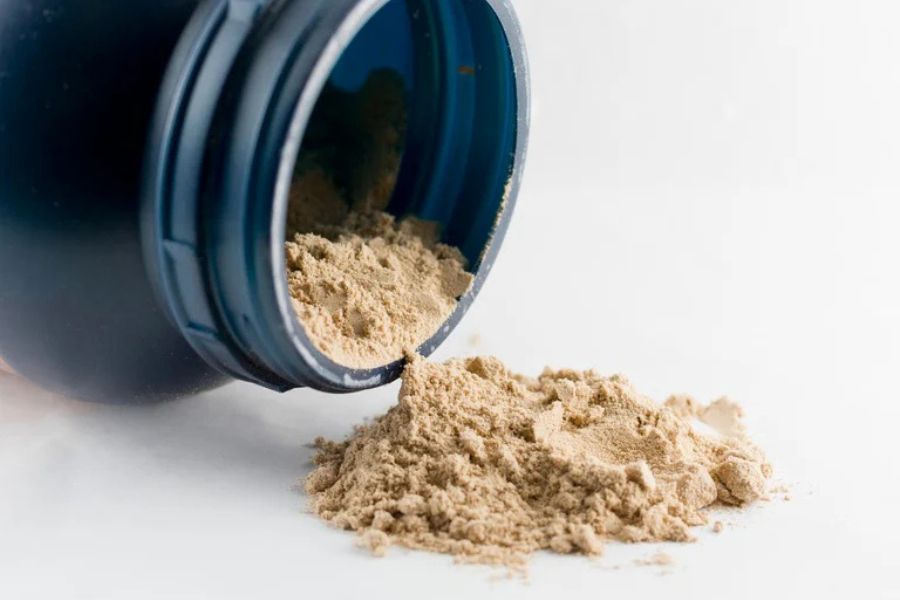
Whey is the liquid that separates from milk during cheese making. When that liquid is filtered, dried, and turned into a powder, you get whey protein powder.
Whey is considered a complete, high quality protein because it contains all nine essential amino acids and your body absorbs it quickly, which makes it one of the best dietary protein sources available today (Healthline). This fast absorption is one reason it is so popular after workouts and in meal-replacement shakes.
You will usually see three types of whey on labels:
- Whey concentrate, which has protein plus some carbs and fat
- Whey isolate, which is more filtered, higher in protein and lower in carbs and fat
- Hydrolyzed whey, which is partially broken down for faster digestion
If you are lactose intolerant, whey protein isolate is often the better option since it contains very little lactose and is generally considered safe for many people who react to regular dairy (MD Anderson).
Why women might consider whey protein
You may already know that protein matters for muscle, but for women it affects much more. Whey protein powder for women can support several areas of health at once.
As you get older, especially after your 30s, you naturally lose muscle mass at a rate of roughly 3 to 8 percent per decade, and that decline speeds up after 60 (MyHealthBuddy). Over time this can mean less strength, slower metabolism, and higher risk of falls or fractures.
Whey protein offers a convenient way to increase your total protein intake, which is essential for:
- Building and repairing tissues
- Maintaining muscle strength
- Supporting hormone production
- Keeping your immune system functioning well (MyHealthBuddy)
The Recommended Dietary Allowance for women is 46 grams of protein per day, but many active women and older adults benefit from more. Some research suggests that 1.2 to 2.0 grams of protein per kilogram of body weight per day supports muscle recovery, performance, and general well being (Women’s Health). Whey can help you reach those numbers, especially if your appetite is low or your schedule is busy.
How whey supports muscle and strength
If you lift weights, do Pilates, run, or simply want to stay strong as you age, protein is non negotiable. Whey protein is rich in leucine, an amino acid that acts like a trigger for muscle protein synthesis. This means it helps switch on your body’s muscle building process.
Studies show that whey protein can promote muscle growth and help prevent age related muscle loss, especially when you combine it with resistance training (Healthline). Research also indicates long term protein intake, including whey, can increase muscle mass in postmenopausal women and help counter age related muscle loss called sarcopenia (Kinetica Sports).
You might notice benefits such as:
- Easier recovery after workouts
- Better strength gains over time
- Less soreness and fatigue between training sessions
If you do not exercise, whey will not magically build muscle, but it can still help you maintain what you have, which is valuable as you age.
Bone, joints, and long term mobility
Women face a higher risk of osteoporosis, especially after menopause. The National Osteoporosis Foundation notes that 1 in 2 women over 50 will break a bone due to osteoporosis, which makes bone protection a serious long term priority (MyHealthBuddy).
Protein is one piece of the bone health puzzle. Whey protein can contribute to bone mass and volume and support bone density and strength in women, which becomes particularly important during and after menopause (Kinetica Sports). Controlled trials have found that milk basic protein, a component of whey, can increase bone mineral density and improve bone metabolism in healthy young women (WebMD).
When you pair resistance training with protein supplementation, you may see positive effects on bone turnover and bone strength as well (WebMD). Over years, this combination can help you stay more mobile and reduce fracture risk.
Whey’s amino acids also support the collagen and keratin that make up your joints, hair, skin, and nails. Adequate protein intake can help you maintain joint mobility, support healthy skin, and reduce the chance of brittle nails or premature wrinkles (MyHealthBuddy).
Weight management and body composition
If you are trying to lose fat without feeling constantly hungry, protein is your friend. Whey protein powder for women can make a difference in both appetite and body composition.
Higher protein diets that include whey are linked with reductions in unwanted body fat, better preservation of lean muscle mass, and improvements in cardiovascular risk factors (Kinetica Sports). Whey tends to be more filling than some other protein sources, which can help you eat fewer calories overall without feeling deprived (Healthline).
You may find that:
- A whey shake as part of breakfast keeps you full longer
- A protein rich snack helps control late night cravings
- You lose more fat but hold onto muscle when dieting, especially if you combine whey with strength training
For weight management, it is important to choose powders with very little or no added sugar. Otherwise you might accidentally drink as many calories as you are trying to cut. Experts recommend looking for products with minimal added sugars or sugar alcohols to avoid blood sugar spikes and digestive side effects (MD Anderson).
Heart, blood sugar, and immune support
The benefits of whey go beyond muscles and weight.
Some evidence suggests that around 30 grams of whey protein isolate per day for 10 to 12 weeks may lower systolic blood pressure in overweight or mildly hypertensive people. This effect might be related to bioactive peptides in whey that act similarly to ACE inhibitor medications (Healthline).
Whey can also support better blood sugar control. It may improve insulin function and help manage type 2 diabetes, especially when you select products low in added sugars and refined carbohydrates (Healthline).
On the immune side, whey helps your body produce glutathione and T cells, which are both important for immune response. Tailoring your protein intake, including whey, across your menstrual cycle can support training performance and overall menstrual health as well (Kinetica Sports).
For women living with health challenges, whey can be especially valuable. Research has shown that whey combined with resistance exercise improved body cell mass, muscle strength, and quality of life in women living with HIV (WebMD).
There is also early research that diets containing whey proteins protected female rats against mammary tumors caused by a carcinogen, which hints at possible cancer preventive properties, although this has not been clearly confirmed in humans yet (WebMD).
Mood, stress, and cognitive benefits
Protein might not be the first thing you think of for mood, but it plays a role in brain chemistry. A form of whey rich in alpha lactalbumin has been shown to improve cognitive performance under stress in vulnerable subjects, including women with premenstrual complaints (WebMD).
Since your brain uses amino acids to build neurotransmitters related to mood and focus, a steady protein intake can help keep your mental energy more stable. Some specialized whey blends even combine protein with nutrients like magnesium or GABA to support sleep and recovery, as seen in products designed for nighttime use (Women’s Health).
Potential risks and how to avoid them
Whey protein is generally safe for most healthy women, but there are a few important cautions.
Protein powders can contain added sugars, artificial flavors, thickeners, and extra vitamins or minerals, all of which may add calories or strain your system if you overdo them (Harvard Health Publishing).
A 2024 report from the Clean Label Project found that many protein powders, including some whey products, contained contaminants like heavy metals, BPA, and pesticides, sometimes above allowed limits (Harvard Health Publishing). This makes brand quality and third party testing very important.
Registered dietitian Kathy McManus advises that you use clean, chemical free protein powders and rely on whole foods like nuts, seeds, dairy, legumes, fish, poultry, eggs, and lean meat for most of your protein intake (Harvard Health Publishing).
You should talk with your healthcare provider before using protein powders if you:
- Have kidney or liver disease
- Have metabolic disorders
- Are pregnant or breastfeeding
- Have allergies to dairy or other common protein sources
For most healthy women, daily use is considered safe when it complements, rather than replaces, a balanced diet (Women’s Health).
Quick guideline: aim to meet a good share of your protein from food, then use 1 scoop of whey as a tool on days when food alone is not enough.
How to choose a whey protein powder
With so many options, choosing a safe and effective whey protein powder for women comes down to a few key details.
Look for:
- A complete protein source such as whey, not collagen or incomplete plant blends used alone (MD Anderson)
- Around 20 to 30 grams of protein per serving, which is typical for most powders (MD Anderson)
- Very little or no added sugar and minimal sugar alcohols to avoid spikes and stomach upset (MD Anderson)
- Third party testing and transparent labeling so you can avoid hidden contaminants (Harvard Health Publishing, Forbes)
You can find high quality options at different price points. For example, some popular powders provide 24 to 30 grams of protein per serving at around 1 to 2 dollars per serving, with choices that prioritize taste, clean ingredients, or lactose friendly formulas (Forbes, Women’s Health).
If you are sensitive to lactose or artificial sweeteners, pay close attention to the ingredient list and consider unflavored or naturally sweetened options.
Simple ways to add whey to your routine
You do not need an elaborate smoothie bar at home to use whey effectively. A few small changes can make it an easy habit.
You might:
- Blend 1 scoop with water or milk after workouts
- Add it to oatmeal or overnight oats for a more filling breakfast
- Stir it into yogurt for a higher protein snack
- Mix it into pancake batter or baked goods to boost protein without changing your meals much
For most women, 1 scoop per day is plenty, especially if you are already eating protein rich foods. Keep an eye on how you feel, your digestion, and your overall energy, and adjust your dose as needed.
Bringing it all together
Whey protein powder for women is more than a gym accessory. It is a convenient, high quality protein source that can help you:
- Build and maintain lean muscle
- Protect your bones and joints over time
- Support healthier body composition and appetite control
- Aid blood pressure, blood sugar, and immune function
- Nourish your hair, skin, and nails
If you choose a clean, well tested product and use it to complement a nutrient dense diet, whey can be a practical tool for long term health. The next time you make breakfast or pack a gym bag, try adding a scoop and notice how it affects your energy, recovery, and hunger throughout the day.
About the Author