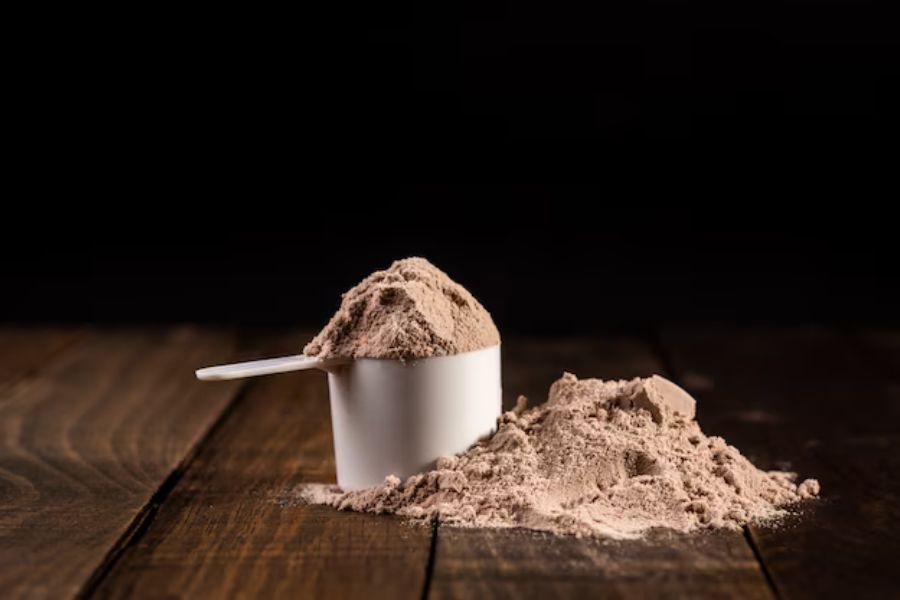
A scoop of whey protein powder can look like an easy shortcut to better health and faster muscle gains. For many people, it is a helpful tool. For beginners, though, whey protein powder can also bring some hidden downsides if you use it without a plan.
This guide walks you through whey protein powder for beginners, common mistakes to avoid, and what to do instead so you get the benefits without the surprises.
Understand what whey protein actually is
Before you start scooping, it helps to know what is in your shaker bottle.
Whey protein is a high quality protein that comes from cow’s milk. During cheese making, liquid whey is separated from fats and carbohydrates, then processed and dried into a powder that mixes into shakes or recipes for easy use (MedPark Hospital). It is a complete protein, which means it contains all nine essential amino acids, including branched chain amino acids such as leucine, isoleucine, and valine that support muscle growth and tissue repair (MedPark Hospital).
There are three main types you will see on labels:
- Whey protein concentrate (WPC), usually the most affordable, with some carbs and fat left in the powder
- Whey protein isolate (WPI), more filtered, with higher protein content and lower lactose and fat
- Whey protein hydrolysate, pre broken down to make digestion easier, and usually more expensive
Each type can be useful. Your choice should depend on your budget, your digestion, and how sensitive you are to lactose (MedPark Hospital).
Mistake 1: Treating whey powder as a magic solution
It is tempting to think that whey protein powder will automatically build muscle, burn fat, or fix a low energy day. In reality, whey is just that, protein.
Research suggests that whey protein combined with resistance training can improve strength, body composition, and muscle hypertrophy (WebMD). It can also support satiety and weight management when you pair it with regular exercise and a calorie deficit (Healthline).
What it cannot do is replace:
- A balanced diet that already covers your protein needs
- Consistent training, particularly strength or resistance workouts
- Habits like sleep and stress management that are critical for recovery
If you are already hitting your protein targets from food, experts note that adding more protein powder on top is unlikely to help and may only give you extra calories you do not need (Healthline).
Better approach: Think of whey powder as a convenient backup plan, not your main strategy. Use it when cooking or your schedule makes it hard to eat a protein rich meal, not as a permanent stand in for real food.
Mistake 2: Ignoring whole foods and over relying on powder
Protein powders, including whey, usually deliver 10 to 30 grams of protein per scoop and often come with added sugars, flavorings, thickeners, or extra vitamins and minerals (Harvard Health Publishing). They are concentrated products, not simple food.
Harvard Health notes that the recommended dietary allowance (RDA) for protein is 46 grams per day for women and 56 grams per day for men. You can reach these numbers through regular foods like eggs, fish, poultry, beans, nuts, seeds, and low fat dairy without ever opening a tub of powder (Harvard Health Publishing).
Registered dietitian Kathy McManus even advises that protein powders should generally be avoided unless there is a medical reason or professional guidance, mainly because many people can meet their needs through whole foods and because of concerns about contaminants in some powders (Harvard Health Publishing).
Better approach: Start by checking how much protein you already get from meals. Then use whey only to close small gaps instead of replacing breakfast, lunch, and snacks with shakes. Building your diet on real foods also gives you fiber, antioxidants, and healthy fats that powders do not provide.
Mistake 3: Overlooking safety and contamination risks
This is the mistake most beginners never think about.
A 2024 report from the Clean Label Project found that many protein powders, including whey based products, contained heavy metals such as lead, arsenic, cadmium, and mercury, as well as BPA, pesticides, and other contaminants, sometimes above safe limits (Harvard Health Publishing). Contaminant levels can vary widely by brand.
That does not mean all whey powders are unsafe, but it does mean you should be selective. Some big name products have also faced questions about heavy metal levels, so a popular label is not a guarantee of purity (Forbes).
When choosing whey protein powder for beginners, experts recommend looking for:
- Simple ingredient lists without lots of artificial sweeteners and fillers
- Clear third party testing for heavy metals and quality
- Transparent sourcing information, such as grass fed or non GMO claims that are backed up, not just marketing copy (Forbes)
For example, Forbes highlights Naked Unflavored Whey Protein as a clean, no frills option that offers 25 grams of protein per serving from non GMO, grass fed cows, with minimal additives (Forbes). They also note that even respected brands like Optimum Nutrition have had concerns raised about heavy metal levels in certain formulations, which is another reason to look for independent testing.
Before you commit to a large tub, check whether the brand publishes test results or mentions third party certifications. If you cannot find this information, consider that a red flag.
Mistake 4: Taking too much or dosing without a plan
For beginners, a common question is how much whey protein you should actually take. Many people simply copy what a friend does or chase bigger gains by doubling scoops.
Healthline suggests that a commonly recommended amount is 1 to 2 scoops per day, or about 25 to 50 grams, usually around workout time, and they emphasize that you should follow the instructions on the package and avoid taking more if your daily diet already includes enough protein (Healthline). Another overview notes that whey is generally well tolerated at these levels, but higher doses can cause mild digestive issues, especially if you are sensitive to lactose (Healthline).
Some experts who work with surgery patients and people with special dietary needs recommend looking for servings around 20 to 30 grams of protein. That is usually enough to support muscle recovery without overwhelming your digestion in one go (Unjury).
Better approach: Decide your dose based on your actual protein target, not just the scoop size. A simple way to start:
- Estimate how much protein you get from meals in a normal day.
- Compare that to your goal. If you are unsure, your doctor or a dietitian can help.
- Use whey powder to fill the gap with 1 scoop at a time, then adjust slowly if needed.
If you notice bloating, cramps, or other digestive symptoms, you may be taking too much at once or you may need a different type of whey.
Mistake 5: Choosing the wrong type of whey for your body
All whey protein powders are not the same, especially when it comes to digestion.
Many beginners do well with whey protein concentrate because it is affordable, retains more of the beneficial nutrients, and tastes good. Healthline notes that it is often the best starting point for cost effectiveness (Healthline) and another review recommends it for people who tolerate lactose and want an all around product (Healthline).
If you tend to have trouble with lactose or want to minimize extra fats and carbs, whey protein isolate might be a better fit. It is more filtered, lower in lactose, and provides a higher percentage of protein per gram. Some experts even describe it as the best type for beginners who want a pure, low calorie protein source that still supports muscle maintenance and recovery (Unjury).
Hydrolyzed whey is partially broken down, which can make it easier to digest for people with sensitive stomachs. It often costs more, so it is usually best for specific medical or post operative needs rather than casual use (Unjury).
Better approach: Match the type of whey to your needs:
- Choose concentrate if you want a budget friendly, general purpose powder and you digest dairy well.
- Choose isolate if you are lactose sensitive, counting calories closely, or want a very lean protein.
- Ask your healthcare provider about hydrolysate if you are recovering from surgery or have special medical requirements.
Mistake 6: Forgetting about timing and how you use it
Total daily protein matters more than exact timing, but when you take your whey still makes a difference.
Studies show that taking even small amounts of whey protein with carbohydrates after resistance exercise can stimulate muscle protein synthesis in trained young men, which suggests a similar benefit for beginners looking to support recovery and muscle repair (WebMD). Other sources point out that whey is particularly effective when taken around workouts, and that using it this way can support strength and muscle growth when combined with a solid training plan (Healthline).
Some experts also note that a morning whey shake can help stabilize blood sugar and provide sustained energy through the day, especially if you combine it with other nutrients like fiber and healthy fats (Unjury).
Better approach: Pick one or two specific times for your whey shake and stay consistent, such as:
- Within an hour after your workout paired with some carbs, like fruit or oats
- In the morning with berries and nut butter as a balanced breakfast
This helps you build a habit and keeps your overall intake predictable instead of random.
Mistake 7: Ignoring side effects and drug interactions
Whey protein is generally considered safe for healthy adults at typical doses, but it is not risk free.
Potential side effects can include digestive discomfort such as bloating, gas, or cramps, especially if you are lactose intolerant. In that case, you might do better with isolates or hydrolysates and you may want to talk with a healthcare professional before continuing (Healthline). MedPark Hospital also recommends moderate use and consulting a nutritionist, partly because long term overuse could stress kidneys or bones in people who already have health issues (MedPark Hospital).
There are also important interactions with common medications:
- Whey can reduce how much levodopa your body absorbs, which may weaken the effect of this medication. It is advised not to take whey protein and levodopa at the same time (WebMD).
- If you are taking antibiotics in the quinolone or tetracycline families, you should take them at least 2 hours before or 4 to 6 hours after whey protein to avoid lowering the drug’s absorption (WebMD).
- Whey protein can also reduce the effect of bisphosphonates, medicines often used for bone health. These should be taken at least 30 minutes before whey protein, or at a different time of day altogether (WebMD).
Better approach: Before you start using whey protein powder regularly, especially if you take any prescription medications or have kidney, liver, or bone issues, talk with your doctor or a dietitian. Bring the supplement label with you so they can look for specific ingredients or potential conflicts.
Simple checklist for getting started safely
Use this quick list to keep your whey protein routine beginner friendly and safe:
- Check your current protein intake from food first.
- Decide whether you truly need a supplement or can meet your needs with whole foods.
- If you choose a powder, look for third party testing, simple ingredients, and 20 to 30 grams of protein per serving.
- Start with 1 scoop per day and see how you feel.
- Time your shake around your workout or in the morning so it fits into a routine.
- Watch for digestive symptoms and adjust type or dose if needed.
- Review your medications and talk with a healthcare professional about possible interactions.
Used thoughtfully, whey protein powder can be a helpful tool in your nutrition plan, especially as a beginner. The key is to let it support your habits instead of replacing them.
About the Author