Understand what the keto diet is
If you have been wondering what is the keto diet and whether it can help you lose weight or improve your health, you are not alone. The ketogenic or keto diet is a very low carbohydrate, high fat way of eating that changes how your body makes energy.
In a typical diet, your body relies on carbohydrates for fuel. On a ketogenic diet, you sharply cut carbs and increase fat so your body switches to burning fat instead. This shift in metabolism is called ketosis and it is the core of how the keto diet works (Healthline).
Originally, keto was not created for weight loss at all. It was developed in the 1920s to help children with epilepsy reduce seizures (UC Davis Health). Today, it is still used for that medical purpose, but it has also become popular among people looking to lose weight or manage conditions like type 2 diabetes.
How ketosis works in your body
To understand how the keto diet works, it helps to picture how your body normally runs.
On a typical eating pattern:
- You eat carbohydrates.
- Your body breaks them down into glucose.
- Glucose becomes the main energy source for your brain and muscles.
On a ketogenic diet, you take a different route:
- You reduce carbs to around 20 to 50 grams per day.
- Your body quickly uses up stored glucose, called glycogen.
- With little glucose available, your liver breaks down fat and produces ketone bodies.
- These ketones become your new fuel source in a state called nutritional ketosis (Healthline, NCBI Bookshelf).
Ketone bodies do more than just provide energy. Research suggests they may also act as signaling molecules that can influence inflammation and brain function (NCBI Bookshelf). This is part of why the ketogenic diet can help stabilize the brain activity of people with certain neurological conditions.
You typically enter ketosis within about 72 hours of significantly cutting carbs, although the exact timing varies from person to person (University of Chicago Medicine).
Typical keto diet macros
For most versions of keto, your daily macronutrients shift in a clear way. While exact numbers differ by plan, many fall roughly into these ranges:
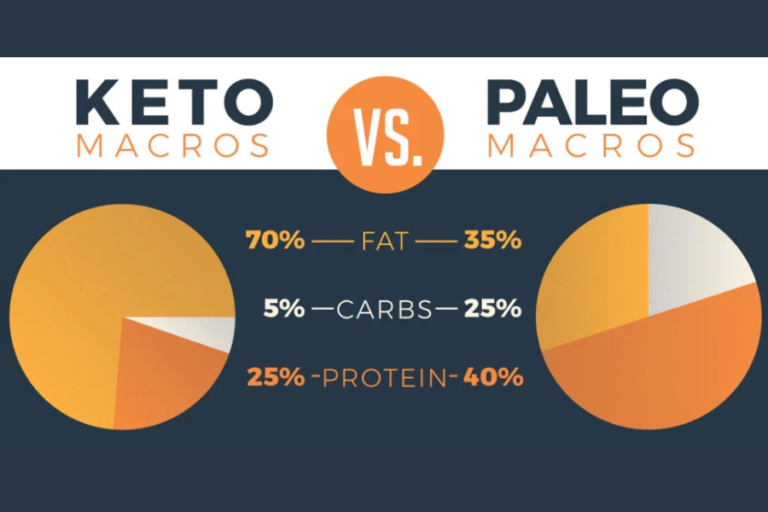
- Fat: about 55% to 75% of your daily calories
- Protein: about 15% to 35% of your daily calories
- Carbohydrates: about 5% to 10% of your daily calories, or around 20 to 50 grams per day (University of Chicago Medicine, NCBI Bookshelf)
Because protein can be converted into glucose, most keto approaches keep protein moderate instead of very high, so your body stays in ketosis (Healthline).
Net carbs versus total carbs
When you follow keto, you might see two ways of counting carbs:
- Total carbs: all carbohydrates in a food.
- Net carbs: total carbs minus fiber, since fiber is not digested and does not raise blood sugar.
Some people track total carbs, others track net carbs. The best method depends on how your body responds and what your health care provider recommends (Healthline).
Main types of keto diets
The answer to “what is the keto diet” can look a little different depending on which version you follow. Researchers and clinicians often describe three main styles (UC Davis Health):
Classic keto diet
- Very strict and very high in fat.
- Carbs are kept at the lowest levels.
- Often used in medical settings for epilepsy.
- Usually requires guidance from a registered dietitian.
Modified keto diet
- Still low in carbohydrates.
- Allows slightly more protein and carbs than the classic version.
- May be easier to follow for the general public while still promoting ketosis.
Modified Atkins diet
- High fat and low carb but typically more flexible.
- Protein is not limited, which can make it easier to eat out or plan meals.
- Often used as a more user-friendly option, especially for families managing epilepsy.
Regardless of the style, the main goal is the same. You keep carbs low enough and fat high enough to maintain ketosis.
What you typically eat on keto
When you follow a keto diet, what is on your plate changes quite a bit. You focus on whole, single-ingredient foods that are naturally low in carbs and higher in fat (Healthline, Healthline).
Common keto friendly foods
These are foods you will likely rely on often:
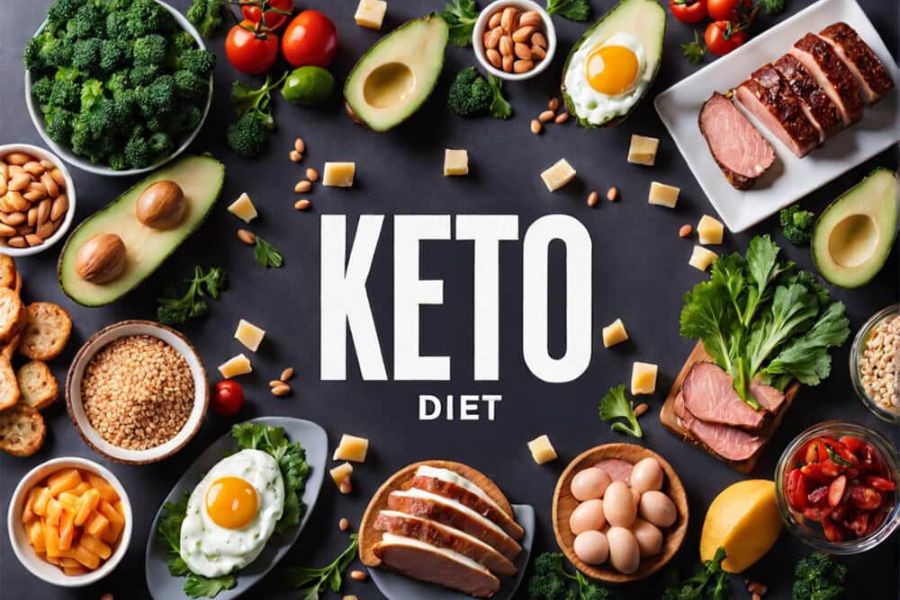
- Meat and poultry: beef, pork, chicken, turkey.
- Fatty fish and seafood: salmon, sardines, mackerel, tuna.
- Eggs: whole eggs are encouraged.
- Higher fat dairy: cheese, heavy cream, full fat yogurt, if you tolerate dairy.
- Healthy fats and oils: olive oil, avocado oil, butter, ghee.
- Low carb vegetables: spinach, kale, broccoli, cauliflower, zucchini, peppers.
- High fat plant foods: avocados, olives.
- Nuts and seeds: almonds, walnuts, chia seeds, flaxseeds, in moderation.
Experts often suggest focusing on healthier fats, such as monounsaturated and polyunsaturated fats from sources like olive oil and avocados, to better support heart health (Northwestern Medicine).
Foods you mostly avoid on keto
To stay in ketosis, you need to cut back or eliminate many common staples. Typical foods to avoid include (UC Davis Health):
- Starchy foods like pasta, rice, bread, tortillas, cereal, and crackers.
- Starchy vegetables such as potatoes, sweet potatoes, corn, peas, beans, and most legumes.
- Sugary foods and desserts including cakes, cookies, candy, and ice cream.
- Many fruits, especially higher sugar options like bananas, grapes, and mangoes.
Some higher fiber fruits, such as raspberries, can sometimes fit in small amounts, but they have to be counted carefully as part of your daily carb limit.
What about “keto” products
You will see many packaged items marketed as keto products, for example:
- “Keto coffee” with added fats.
- “Fat bombs” made from unsweetened chocolate, coconut oil, or nut butters.
- Keto labeled bars, snacks, and baked goods.
You do not need these products to follow the diet successfully. In fact, clinical experts note that keto branded foods can be costly and are not necessary if you focus on whole foods like fatty fish, eggs, meats, and low carb vegetables (University of Chicago Medicine).
Why people use the keto diet
Once you understand what the keto diet is, the next question is usually why people choose it in the first place. Today, keto is used for both medical and non medical reasons.
Medical uses
The best established use of the ketogenic diet is still for certain neurological and metabolic conditions, especially:
- Drug resistant epilepsy in children, where it can significantly reduce seizure frequency (NCBI Bookshelf, UC Davis Health).
- Glucose transporter type 1 deficiency syndrome and pyruvate dehydrogenase deficiency, where ketones provide an alternative fuel for the brain (NCBI Bookshelf).
Researchers are also studying keto for other conditions, including metabolic disorders, certain cancers, and neurodegenerative diseases, although these uses are still considered investigational as of late 2025 (NCBI Bookshelf).
Weight loss and metabolic health
You might be most interested in keto for weight loss or blood sugar control. Several short and medium term studies suggest that ketogenic diets can:
- Support weight loss, sometimes slightly more than low fat diets.
- Reduce appetite for some people.
- Improve insulin sensitivity and lower blood sugar and triglycerides in the short term (Healthline, Healthline).
However, experts also point out some important cautions:
- Many studies are short term, so long term safety and effectiveness are still being researched (University of Utah Health, University of Chicago Medicine).
- Some of the rapid early weight loss comes from loss of water and stored glycogen rather than fat alone (Northwestern Medicine).
A long term animal study highlights that while keto can limit weight gain, it may also create other metabolic issues, which you will read more about below (University of Utah Health).
Potential benefits of the keto diet
When you look at what the keto diet is and how it works, several possible benefits stand out, especially in the short term. These are some of the most commonly discussed advantages from current research.
Seizure reduction in epilepsy
For children with epilepsy that does not respond well to medications, the ketogenic diet can significantly reduce the number and severity of seizures. This remains the most widely accepted, guideline supported use of keto today (NCBI Bookshelf, UC Davis Health).
Weight loss
By lowering carbohydrate intake drastically and increasing fat, keto can help you:
- Use more stored fat as fuel.
- Feel less hungry, which can reduce overall calorie intake.
- Lose weight, often somewhat more than on traditional low fat diets in the short and medium term (Healthline).
Better blood sugar control
For some people with elevated blood sugar or type 2 diabetes, keto may:
- Lower fasting blood glucose.
- Improve insulin sensitivity.
- Reduce spikes in blood sugar after meals (Healthline).
Because the diet significantly impacts how your body handles glucose, it should always be used with medical supervision if you take blood sugar lowering medications.
Possible brain and disease related benefits
Researchers are exploring whether ketogenic diets may help with:
- Alzheimer’s disease and age related brain decline.
- Certain types of cancer.
- Other neurological conditions (UC Davis Health, Healthline).
These areas are still being actively studied, so at this stage you should view them as potential benefits rather than proven outcomes for the general population.
Risks and side effects you should know
Just as it is important to understand what the keto diet is, it is equally important to understand what it is not. Keto is not a simple, risk free weight loss plan, and it may not be suitable for everyone.
Short term side effects
When you first start keto, you might experience what many people call the “keto flu.” This can include:
- Headache.
- Fatigue and low energy.
- Nausea.
- Dizziness.
- Irritability.
These symptoms typically show up in the first few days as your body adapts to using ketones instead of glucose. They usually improve with time and good hydration, but they can make the transition challenging (UC Davis Health, Northwestern Medicine).
Nutrient gaps and long term sustainability
Because keto limits or excludes:
- Fresh fruits.
- Many vegetables.
- Whole grains.
- Certain dairy products.
you might miss out on important vitamins, minerals, and fiber. Clinical dietitians warn that the diet is often not realistic or sustainable for long term weight loss or overall health, especially when it cuts out a wide range of plant based foods (University of Chicago Medicine).
Many people need multivitamin and mineral supplements to help cover these gaps, and that decision is best made with a health care provider or dietitian (UC Davis Health).
Cholesterol, heart, and kidney concerns
Experts also highlight several possible medical risks:
- Increases in LDL or “bad” cholesterol for some individuals.
- Strain on the kidneys, especially in people with existing kidney issues.
- Potential concerns for heart health if the diet is high in saturated fats from sources like red meat and butter, instead of healthier fats like olive oil and avocados (Northwestern Medicine, UC Davis Health).
Because of these possibilities, most medical organizations recommend following keto only under supervision, especially if you have any chronic health conditions.
Findings from animal research
A long term study in mice offers a more cautionary look. In this study, a ketogenic diet:
- Prevented weight gain compared to a high fat Western diet.
- Helped mice maintain lower body weight mainly by reducing fat mass.
However, it also led to:
- Fatty liver disease, with fat buildup in the liver.
- Worse liver function in male mice, a sign of metabolic disease.
- Impaired blood sugar regulation due to stressed pancreatic cells and lower insulin secretion, which caused very high blood sugar after carbs were eaten (University of Utah Health).
The blood sugar problems improved after the mice stopped the keto diet, but these findings suggest that long term use might come with trade offs that are still being understood. While mouse studies do not always translate directly to humans, they are a signal that more research is needed on extended keto diets.
Impact on athletic performance
If you are an athlete or do a lot of high intensity exercise, keto may not be ideal. Because it restricts carbs, the diet often:
- Limits your ability to perform at very high intensities.
- Reduces the quick energy that muscles normally get from carbohydrates.
For these reasons, keto is generally not recommended for most athletes who rely on intense, explosive effort (UC Davis Health).
Is the keto diet right for you
Once you know what the keto diet is, how it works, and the benefits and risks, you can start to decide whether it fits with your goals and lifestyle. Here are a few questions to ask yourself.
1. What is your main goal
Keto might be worth discussing with your health care provider if you:
- Have drug resistant epilepsy and your care team suggests it.
- Are exploring short term weight loss or blood sugar improvement under supervision.
If your goal is long term overall health, a more balanced eating pattern that includes fruits, vegetables, whole grains, and lean proteins may be more sustainable and easier to maintain.
2. Are you ready for the restrictions
The ketogenic diet requires careful planning and consistent tracking of carbohydrates. You will likely need to:
- Adjust your grocery list and cooking habits.
- Limit many restaurant and social eating options.
- Read labels closely to spot hidden sugars and starches.
If you prefer a flexible approach that allows a wide range of foods, keto may feel too limiting over time.
3. Do you have health conditions or take medications
Because keto changes the way your body handles glucose and lipids, it is especially important to talk to a doctor if you:
- Have diabetes or prediabetes.
- Have kidney or liver problems.
- Have a history of heart disease or high cholesterol.
- Take medications that affect blood sugar or blood pressure.
A health care provider can help you weigh the pros and cons, monitor lab values, and adjust medications safely if you decide to try the diet.
Practical tips if you decide to try keto
If you and your care team decide that keto might be appropriate, you can take a gradual, thoughtful approach.
Start with education and planning
- Learn the basics of ketosis and macros so you know what to expect.
- Make a simple list of keto friendly proteins, fats, and vegetables you enjoy.
- Plan a few easy meals and snacks so you are not caught off guard when hunger hits.
Ease in if needed
Some people switch to very low carbs right away. Others find it easier to:
- Reduce sugary drinks and desserts first.
- Cut back on bread, pasta, and rice.
- Then move toward the lower carb range needed for ketosis.
A step by step shift can sometimes make the transition smoother and reduce the intensity of the keto flu.
Focus on food quality
Even on keto, food quality still matters. You can:
- Emphasize whole foods instead of highly processed “keto” items.
- Choose more unsaturated fats, such as olive oil, avocados, nuts, and seeds, when possible.
- Include plenty of low carb vegetables for fiber and micronutrients.
Monitor how you feel
Pay attention to:
- Energy levels.
- Sleep quality.
- Digestive changes.
- Mood and focus.
Keep your health care provider informed, especially if you notice concerning symptoms like extreme fatigue, persistent nausea, or changes in lab values.
Key takeaways
- When you ask “what is the keto diet,” the short answer is that it is a very low carbohydrate, high fat diet that shifts your body into ketosis, so you burn fat and produce ketones for fuel.
- Keto was originally developed to treat epilepsy, and it still has its strongest scientific support in that area.
- For weight loss and metabolic health, keto may offer short term benefits, but long term effects, safety, and sustainability are still being studied.
- The diet is quite restrictive and can lead to nutrient gaps, side effects, and potential heart, liver, and kidney concerns, especially without medical guidance.
- If you are considering keto to lose weight or improve your health, talk with your doctor or a registered dietitian first so you can decide whether it is a good fit for your body, your goals, and your everyday life.
About the Author