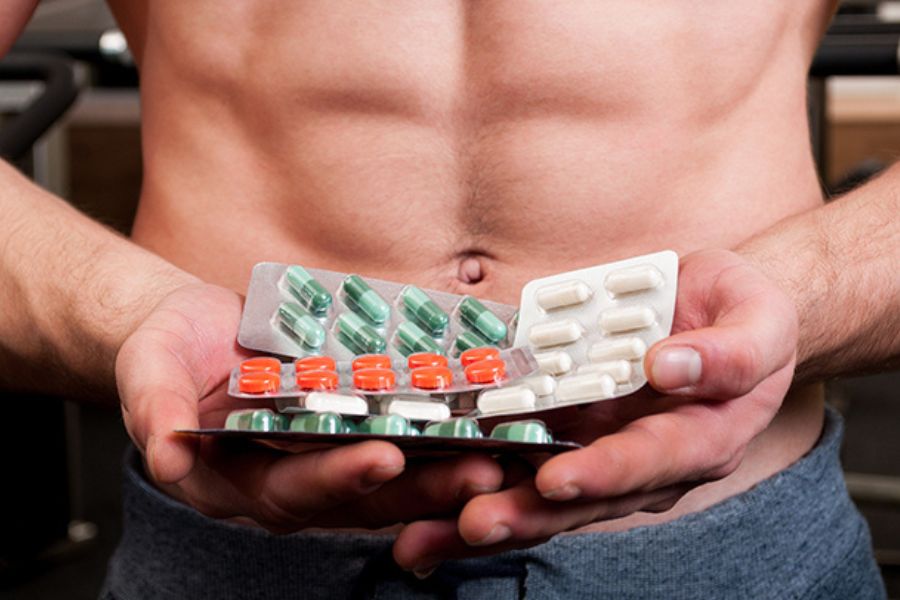
A stronger physique depends on more than hours in the gym. Hormones, especially testosterone, play a big role in how easily you build and maintain muscle. That is why testosterone supplements for muscle gain get so much attention from lifters and weekend athletes alike.
Before you add a new pill or powder to your routine, it helps to understand what testosterone actually does, how different products work, and where the real evidence begins and ends. This guide walks you through the science in plain language so you can make an informed, safe choice.
How testosterone affects muscle growth
Testosterone is a hormone produced mainly in your testicles. It helps shape typically masculine traits, such as muscle mass and strength, body hair, and a deeper voice, according to Mayo Clinic (Mayo Clinic).
During your teens and early twenties, testosterone peaks. After about age 30 or 40, it usually drops by around 1% per year. That slow decline can contribute to:
- Less muscle and more body fat
- Lower strength and power
- Reduced energy and sex drive
If your levels fall below the normal range, doctors call it hypogonadism. In that case, testosterone replacement therapy can help reverse symptoms such as decreased muscle mass and strength (Mayo Clinic). Therapy is very different from over the counter “testosterone boosters,” so it is worth separating the two in your mind.
What the research says about testosterone and muscle
Clinical trials show that bringing low testosterone up toward normal can help you add lean mass and improve performance. The effect is real, but it is not magic.
In one 3 year randomized, placebo controlled trial of men 60 and older with low to low normal testosterone, daily testosterone gel increased lean body mass by about 0.9 kg compared with placebo (TEAAM Trial). That is a modest gain, but it also came with better muscle function:
- Chest press power increased by 22.5 watts
- Leg press power increased by 83.8 watts
- Stair climbing power improved in both unloaded and weighted tests, by 10.7 and 22.4 watts respectively (TEAAM Trial)
Interestingly, chest press strength improved more than leg press strength, which did not change much. This suggests different muscle groups may not respond equally to hormone changes (TEAAM Trial). The same study also found no meaningful change in muscle fatigue, so power went up but endurance did not necessarily follow (TEAAM Trial).
At much higher pharmacologic doses, injectable testosterone has stronger effects. In one small study, healthy men given 3 mg per kg per week of testosterone enanthate for 12 weeks increased muscle mass by about 20 percent, based on creatinine excretion. Markers of lean body mass rose by about 12 percent and muscle protein synthesis increased by 27 percent (PubMed). Whole body leucine oxidation, which reflects amino acid breakdown, dropped by 17 percent, meaning less protein was being burned for energy (PubMed).
Those results show what testosterone can do at high doses, but they also highlight a key point: pharmacologic hormone use is very different from everyday supplement shopping. It usually involves medical supervision and carries real risk.
Prescription therapy vs over the counter boosters
You will see two broad categories of “testosterone supplements for muscle gain”:
- Medically prescribed testosterone therapy
- Over the counter testosterone boosters
Testosterone therapy involves injections, patches, gels, or pellets that replace the hormone when your body cannot make enough. For men with diagnosed hypogonadism, this can improve muscle mass and strength (Mayo Clinic).
If your testosterone is simply a little lower because you are getting older, the story changes. The American College of Physicians notes there is little evidence that testosterone therapy improves muscle mass, energy, or vitality in otherwise healthy older men with naturally declining levels (Mayo Clinic). Mayo Clinic also advises against using testosterone just to treat normal aging and recommends trying natural strategies like resistance training and weight loss before considering any hormone therapy (Mayo Clinic).
Over the counter boosters, on the other hand, typically contain herbs, minerals, and amino acids. They do not contain testosterone itself. Instead, they claim to nudge your body to make more or to use it more effectively. Evidence for these blends tends to be weaker and less consistent, which you will see in the next section.
Popular testosterone supplements marketed for muscle gain
Many brands position themselves as the best testosterone supplements for muscle gain, but independent reviewers point out that research on most formulas is limited.
Testofuel is often mentioned as a leading option in this category. It combines a relatively high dose of D Aspartic Acid with oyster extract, both of which may support testosterone and muscle growth when paired with resistance training (Fortune). Some studies suggest D Aspartic Acid can raise testosterone and may help with muscle mass and strength, but other trials are less convincing. Even proponents stress that you still need heavy lifting and proper nutrition for any muscle gains to show up (Fortune).
One practical downside is the dosing schedule. You take one capsule four times per day with food, which some people find inconvenient compared with once daily products (Fortune).
Kaged Test is another supplement highlighted for performance. It centers on 200 mg of LJ100 Eurycoma longifolia, also known as Tongkat Ali, which may help with strength and muscle growth. However, reviewers note that this dose is lower than in many research studies and more high quality trials are still needed to confirm benefits (Fortune).
Even broader scientific reviews point out that the overall evidence for testosterone boosters is weak and inconsistent. In other words, some ingredients show promise, others do very little, and combinations are rarely tested thoroughly. Because of that, you should view testosterone boosters as a possible small nudge, not a guaranteed shortcut to bigger muscles (Fortune).
In general, testosterone boosters work best, if they work at all, as add ons to proven basics like strength training, protein intake, sleep, and stress management, not as replacements for them.
Safety concerns with bodybuilding supplements
Alongside relatively benign boosters, there is a more concerning category of “muscle gain” products that quietly include steroid like ingredients. These do not always appear clearly on the label.
The U.S. Food and Drug Administration has warned that some bodybuilding supplements marketed for muscle gain illegally contain anabolic steroids or related substances, which can carry serious and even life threatening risks (FDA). These products are sometimes sold as “dietary supplements” despite not meeting legal requirements and may list misleading ingredient names or none at all (FDA).
Reported side effects include liver injury, hormonal disruption, and heart problems. Stacking multiple products, including stimulants and so called liver protectors, can increase the chance of severe reactions (FDA). The FDA advises anyone using a product that may contain steroids or steroid like substances to stop and speak with a healthcare professional right away, since quitting abruptly can also trigger withdrawal issues (FDA).
Case reports illustrate the potential risk. For example, a 30 year old athlete developed acute liver injury after two 21 day courses of a commercial testosterone booster called Universal Nutrition Animal Stak. His liver enzymes spiked significantly, then gradually fell after stopping, but remained slightly elevated after later cycles, suggesting repeated stress on the liver (PMC). The authors noted that the evidence was too limited to prove direct causation, yet the episode underscores how much is still unknown about long term safety (PMC).
Many boosters rely on vitamins, antioxidants, and zinc, which are often safe within recommended doses. However, misuse of synthetic anabolic androgenic steroids, which are testosterone derivatives, has been linked to numerous toxic and hormonal side effects (PMC). Researchers emphasize the need for large, well designed studies before anyone can say with confidence how safe most commercial testosterone boosters really are (PMC).
How to decide if a testosterone supplement is right for you
If you are considering testosterone supplements for muscle gain, it helps to walk through a simple decision process.
-
Check your lifestyle first
Ask yourself if you are already doing the big things that raise testosterone naturally. That includes lifting heavy a few times per week, sleeping at least 7 hours per night, eating enough total calories and protein, and maintaining a healthy body weight. Mayo Clinic specifically recommends weight loss and resistance exercise as first line strategies before turning to testosterone therapy (Mayo Clinic). -
Talk to a healthcare professional
If you suspect low testosterone, blood work is the only way to know for sure. A doctor can measure your levels, rule out other causes of fatigue or poor gains, and discuss whether prescription therapy is appropriate. This is especially important if you have existing health conditions or take other medications. -
Evaluate over the counter products carefully
If you still want to try a booster, look for brands that share full ingredient lists and doses. Be wary of products that promise steroid like results or use vague proprietary blends. Remember that evidence for most boosters is mixed, and results, if any, are usually modest. -
Watch for side effects
Once you start any new supplement, pay attention to your body. Unexplained fatigue, mood changes, acne, hair loss, or digestive issues can be signs that something is not right. Stop use and check in with a healthcare provider if you notice anything unusual.
Getting the most from any supplement you choose
No supplement can replace consistent training and smart nutrition. If you do decide to try testosterone supplements for muscle gain, you will get better results by pairing them with:
- A progressive strength program built around big movements like squats, presses, rows, and deadlifts
- Enough protein each day to support muscle repair and growth
- A small calorie surplus if you want to add size, or a mild deficit if you are focused on fat loss
- Regular deload weeks to avoid overtraining, which can lower testosterone
Think of supplements as the last 5 to 10 percent of your progress, not the core of your plan. Used thoughtfully, they may give you a slight edge. Used carelessly, they can put your health at risk.
If your main goal is to build more muscle and feel stronger, start by tightening up your training, food, sleep, and stress. Then, if you are still curious about testosterone support, bring your questions to a trusted healthcare professional. That way you can pursue gains in a way that respects both your short term goals and your long term health.
About the Author