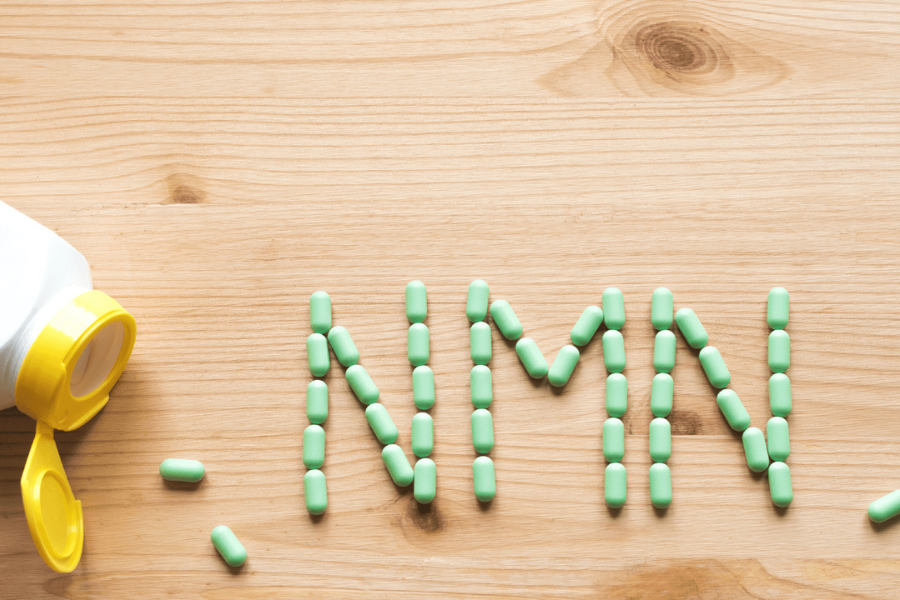
NMN supplements benefits are getting a lot of attention, and for good reason. NMN, short for nicotinamide mononucleotide, is tied to a molecule in your body called NAD+. NAD+ is essential for energy production, metabolism, and repairing daily wear and tear in your cells, and your levels decline as you age. Researchers are exploring whether boosting NAD+ with NMN might support healthier aging and better day to day vitality.
You will not find all the answers in one small capsule, and human studies are still relatively new. However, there is enough early evidence to help you understand what NMN might do, what to expect, and how to use it more safely.
What NMN is and how it works
NMN is a naturally occurring compound in your body. When you take an NMN supplement, your cells can convert it into NAD+, which then supports many basic functions, including:
- Turning food into usable energy
- Repairing DNA damage
- Supporting healthy function of mitochondria, your cell powerhouses
- Helping enzymes that influence inflammation and stress responses
Healthline notes that NMN levels, along with NAD, tend to fall with age, which may contribute to some visible and invisible signs of aging, such as lower energy and slower recovery (Healthline).
In simple terms, you can think of NMN as part of the raw material your body uses to refill its NAD+ tank.
Potential anti aging and longevity support
Many people first hear about NMN because of its potential anti aging benefits. The science is not conclusive, but it is promising enough to pay attention.
What research suggests so far
Much of the early enthusiasm around NMN comes from animal studies. In mouse models, NMN has been shown to:
- Increase NAD+ levels and improve energy metabolism
- Support mitochondrial function and reduce age related decline
- Improve physical activity and slow cognitive decline in some Alzheimer’s models
- Suppress age related weight gain and reduce inflammation in fat tissue
These broad effects are summarized in a detailed review of NMN research, which highlights how restoring NAD+ can improve cellular repair and extend lifespan in mice (PMC).
Human data is newer but growing. A 60 day randomized, double blind, placebo controlled trial in 80 healthy adults aged 40 to 65 found that daily NMN at 300, 600, or 900 mg significantly increased blood NAD levels compared to placebo, especially in the 600 and 900 mg groups (PubMed, PMC).
Interestingly, in this same study, biological age estimated from blood markers stayed stable in the NMN groups but increased in the placebo group over 60 days, suggesting a potential protective effect on age related markers (PubMed, PMC).
You should keep in mind that maintaining biological age over two months is not the same as reversing aging, and longer term studies are still needed.
Energy, endurance, and physical performance
If you are curious about NMN supplements benefits for day to day energy and exercise, the research is a bit more concrete.
In the same 60 day clinical trial mentioned above, participants taking NMN significantly improved their performance in a six minute walking test compared with placebo at both 30 and 60 days, with the largest gains seen in the 600 and 900 mg groups (PubMed, PMC). This suggests that NMN may help support better physical stamina in middle aged adults.
A separate six week, randomized, double blind, placebo controlled trial in amateur runners found that NMN improved ventilatory threshold and aerobic capacity by helping muscles use oxygen more efficiently, which can translate to better endurance during workouts (Jinfiniti).
People who take NMN often report feeling more consistent energy rather than a sudden jolt. That fits with how NAD+ works behind the scenes in your cells instead of as a direct stimulant.
Metabolic and blood sugar health
Your metabolism depends heavily on NAD+, so it makes sense that NMN is being studied for metabolic health and insulin sensitivity.
A 10 week human study in postmenopausal individuals with prediabetes and overweight or obesity found that 250 mg of NMN daily improved insulin sensitivity (Healthline). This points to a possible role for NMN in supporting healthier blood sugar control, particularly in people with metabolic risk factors.
However, not every study has shown strong metabolic changes. The 60 day trial in healthy middle aged adults did not find a significant effect on insulin resistance measured by HOMA IR (PMC). That suggests you may see more noticeable metabolic benefits if you already have some impairment, whereas healthy individuals might see smaller changes.
Overall, NMN seems promising as part of a broader strategy that includes diet, movement, and sleep, not as a standalone fix.
Cardiovascular and circulation support
Healthy blood vessels are critical for heart and brain function. Animal research indicates that NMN might help maintain or restore some aspects of vascular health.
In a study published in Aging Cell, NMN supplementation in older mice improved arterial function, reduced oxidative stress, boosted elastin in blood vessel walls, and restored activity of SIRT1, a protein involved in vascular health (Jinfiniti). These changes are linked with more flexible arteries and improved circulation in animals.
Human trials have not yet replicated all of these outcomes, but the improvements in walking distance and aerobic performance suggest indirect cardiovascular benefits, such as better oxygen delivery and utilization.
If you have an existing heart condition or are on cardiovascular medications, you should talk with your healthcare provider before adding NMN.
Brain function, mood, and cognitive support
Aging can affect both memory and mental clarity. Since your brain is extremely energy hungry, adequate NAD+ is especially important in this area.
Animal studies show that NMN may help preserve cognitive function by improving blood flow in the brain and reducing oxidative stress. In aged mice, NMN restored neurovascular coupling to more youthful levels and improved spatial memory and coordination (Jinfiniti).
In humans, data is still limited. Healthline notes that while animal research is encouraging for brain and cognitive health, human clinical trials are still emerging and you should view current evidence as preliminary (Healthline).
You might experience more mental clarity or less fatigue with NMN, but it is too early to say that NMN directly improves memory or prevents neurodegenerative disease.
Skin, appearance, and visible aging
If you are interested in how you look as well as how you feel, NMN might offer some skin related benefits, at least based on early findings.
An eight week study reported in Glycative Stress Research found that oral NMN supplementation improved skin moisture and firmness, reduced age spots, wrinkles, and freckles, and lowered advanced glycation end products in the skin (Jinfiniti). Glycation is one contributor to skin aging, so this reduction is noteworthy.
These results are promising but relatively short term. If you decide to try NMN for skin benefits, you can expect subtle changes over weeks, not overnight shifts, and your overall lifestyle will still play a major role.
Typical NMN dosage and timing
If you are considering NMN, it helps to understand what amounts have been used successfully in studies and how people usually take it.
Jinfiniti’s June 2024 NMN dosage guide notes that human trials show daily doses between 300 and 900 mg are effective for raising NAD+ levels without major side effects, offering a good balance between benefits and cost (Jinfiniti). Many people do well starting in the 250 to 500 mg range, which is also consistent with other human studies (Healthline).
Jinfiniti also suggests taking NMN in the morning on an empty stomach to align with your body’s natural NAD+ production cycle and to support steady daytime energy and mental clarity (Jinfiniti).
Your ideal dose can depend on:
- Age and body weight
- Overall health and existing conditions
- Physical activity level
- Medications or other supplements you take
- Genetic factors that affect NAD+ metabolism
Because of this, personalized dosing and, when possible, testing of NAD+ related markers may give you a clearer picture of how you respond (Jinfiniti).
Safety, side effects, and what to watch for
So far, NMN appears to have a good short term safety profile in humans.
In multiple studies:
- Daily NMN doses of 250 to 500 mg are generally well tolerated, with only occasional mild effects like stomach discomfort or headaches (Jinfiniti).
- Research including doses up to 900 mg per day for 60 days reported no NMN related adverse events or significant lab abnormalities (PubMed, PMC).
- Human data up to 1,200 mg per day suggests minimal side effects, although long term safety still needs more study (Healthline).
If you are sensitive to supplements or have a history of digestive issues, you might want to:
- Start at a lower dose and increase slowly
- Take NMN with a small snack if an empty stomach causes discomfort
- Monitor for headaches, nausea, or changes in sleep
You should also talk with a healthcare professional before starting NMN if you are pregnant, breastfeeding, managing chronic illnesses, or taking prescription medications. There is not enough long term data yet to fully understand how NMN interacts with all conditions and drugs.
How NMN compares to nicotinamide (NAM)
You might notice that some supplements use nicotinamide (NAM), a form of vitamin B3, instead of NMN. It helps to know how they relate.
NAM can be converted in your body into NMN, which is then turned into NAD+. High dose NAM, often 500 to 3,000 mg, has shown benefits for several conditions, including some neurological dysfunctions, depression, inflammatory diseases, and certain skin issues, partly through increasing NAD+ and activating protective proteins like SIRT1 and SIRT3 (PMC).
However, very high NAM intake may have some concerns. Excess NAM can be methylated into byproducts like methylnicotinamide, which might affect cellular methylation and potentially tie into insulin resistance and liver issues, although evidence is still inconclusive (PMC). Very large doses over 3 grams a day may also cause mild side effects such as headaches or dizziness in some people (PMC).
In contrast, NMN is a more direct NAD+ precursor and may reach target tissues differently. You might think of NAM as a more traditional vitamin B3 supplement with broader historical use, and NMN as a newer, more targeted option specifically aimed at NAD+ and healthy aging.
Putting it all together for your routine
With so many NMN supplements benefits highlighted in headlines, it is easy to expect too much too quickly. A practical approach looks more like this:
- Clarify your main goal. Are you most interested in energy, exercise performance, skin, long term healthy aging, or metabolic health
- Talk with your healthcare provider, especially if you have existing conditions or take medication.
- Choose a reputable brand that clearly lists NMN amount per serving and testing practices.
- Start with a moderate dose, often around 250 to 500 mg in the morning, and monitor how you feel for several weeks.
- Pair NMN with the basics that also support NAD+, such as quality sleep, regular physical activity, and a balanced diet.
NMN is not a magic switch, but it might be a useful tool in your broader strategy to stay active, sharp, and resilient as you age. By understanding the current science and approaching supplementation thoughtfully, you give yourself the best chance to benefit while staying realistic and safe.
About the Author