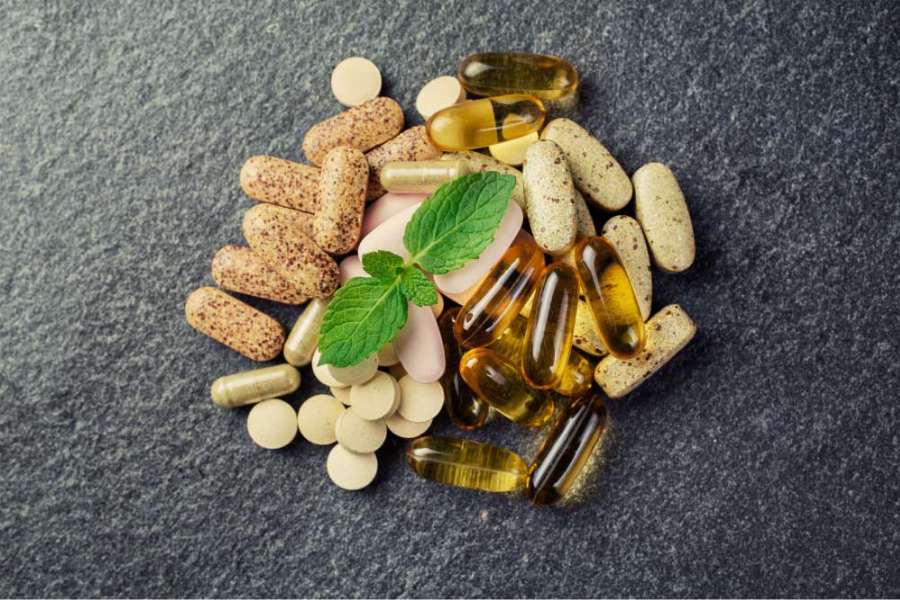
A shiny, healthy head of hair looks effortless from the outside, but you know it often takes real work behind the scenes. If you are exploring multivitamins for hair growth, you are probably wondering what actually helps, what is hype, and what might even be risky.
This guide walks you through the science in plain language so you can decide whether a hair growth multivitamin belongs in your routine, and if so, how to use it safely and realistically.
How multivitamins for hair growth are supposed to work
Most multivitamins for hair growth aim to support your follicles from the inside out. They usually combine:
- Vitamins involved in cell growth and repair
- Minerals that help deliver oxygen and nutrients to the scalp
- Extras like collagen or plant extracts marketed for hair support
These nutrients help your body do what it already does: grow hair, repair damage, and cycle through shedding and regrowth. The tricky part is that your hair is often the last place nutrients show up. Your body will prioritize vital organs first. If you are truly deficient in certain vitamins or minerals, your hair can thin or shed faster.
Correcting a deficiency can sometimes improve hair growth. The key word is deficiency. Many people already meet their needs through food, and in that case, loading up on extra pills will not make hair grow faster and can sometimes backfire.
According to the International Society of Hair Restoration Surgery, real vitamin deficiencies are rare when you eat a balanced diet, and only vitamin D, iron, and vitamin C have consistent evidence behind them for hair growth support in routine practice (ISHRS).
When a multivitamin might actually help your hair
Multivitamins for hair growth tend to make the most sense if:
- You have a confirmed nutrient deficiency
- Your diet is very limited or inconsistent
- You are recovering from illness, surgery, or rapid weight loss
- You are dealing with hair shedding that started after a clear stressor like childbirth, crash dieting, or a serious infection
In these situations, your body might not be getting enough building blocks for healthy hair. Research reviewed by Harvard Health notes that correcting low levels of certain nutrients can help prevent hair loss and support regrowth when a deficiency is confirmed on blood work (Harvard Health Publishing).
If your labs are normal and you are generally healthy, a multivitamin is more like a safety net than a magic fix. You might still choose to take one, but it is important to keep expectations realistic. Hair growth is slow, and many other factors, like hormones, genetics, and inflammation, matter just as much.
Key hair nutrients inside multivitamins
Not all hair formulas are the same, but many share a core group of ingredients. Understanding what each one does can help you read labels with confidence.
Biotin (vitamin B7)
Biotin is the star of most hair growth supplements. It helps your body produce keratin, the structural protein that makes up hair, skin, and nails. It also supports the metabolism of fats, carbohydrates, and amino acids, which keeps your cells functioning well overall (Mayo Clinic).
Here is the nuance: true biotin deficiency is rare. Most people in Western countries get more than enough from food like eggs, liver, salmon, cauliflower, cereals, and yeast (Mayo Clinic, NCBI PMC). When biotin deficiency does happen, it can cause hair loss, skin rashes, and other serious symptoms, and supplements clearly help in those cases (Mayo Clinic).
A 2017 review found 18 reports where biotin supplementation improved hair or nails, but every case involved an underlying condition or deficiency. There were no randomized controlled trials showing benefits for healthy people without deficiency (NCBI PMC). Expert groups also emphasize that there is no evidence biotin supplements improve hair growth in people with normal levels (ISHRS).
Biotin up to 10 milligrams per day appears generally safe, but very high doses can interfere with lab tests for thyroid and heart problems, sometimes leading to misdiagnosis and inappropriate treatment (Mayo Clinic, Everyday Health).
Vitamin D
Vitamin D helps regulate the hair growth cycle. Low vitamin D has been reported in people with certain hair loss conditions, and some have regrown hair after correcting the deficiency (ISHRS).
Dietary sources are limited, so this is one nutrient where a supplement can truly help if you are low. Expert opinion suggests that vitamin D is one of the few vitamins with routine evidence supporting its role in healthy hair development (ISHRS).
Iron
Iron carries oxygen in your blood, including to your hair follicles. Without enough iron, your hair can thin and shed more easily. Iron deficiency is the most common nutritional deficiency around the world and is frequently seen in women with hair loss, although the exact relationship between low ferritin (stored iron) and hair loss is still debated (ISHRS).
Correcting iron deficiency is generally smart for your overall health and may improve hair if low iron is part of the problem. However, iron supplements do not help hair loss when levels are already normal and can cause constipation, stomach upset, and even iron overload if taken long term without need (Dermatology Practical & Conceptual).
Vitamin C
Vitamin C is important for collagen production, which supports the structure of hair and skin, and it helps your body absorb iron. That combination makes it a quiet but important player in hair health. Smokers may need more vitamin C than non-smokers to reach the recommended intake (ISHRS).
Other vitamins and minerals
You will also see vitamin A, vitamin E, zinc, selenium, and B vitamins like riboflavin, folate, and B12 in multivitamins for hair growth. These support cell turnover, antioxidant defenses, and protein synthesis, all of which matter for healthy follicles. But the research tying them directly to hair regrowth is mixed.
A Harvard Health review notes that while these micronutrients contribute to hair health, scientific evidence for supplements improving hair loss is conflicting, and too much of certain ones, particularly vitamin A and selenium, can actually increase hair shedding or cause toxicity (Harvard Health Publishing).
Popular hair growth formulas and what we know
Beyond basic multivitamins, you will find specialized hair growth formulas with long ingredient lists. One example is Rainbow Nutrients’ Hair Growth Vitamins for Women, which combines 10,000 micrograms of biotin, collagen, OptiMSM®, goMCT®, saw palmetto, herbal extracts, and a range of vitamins and minerals (Amazon). It is marketed to support stronger hair, skin, and nails, with directions to take two capsules per day (Amazon).
There are also marine-based supplements such as Viviscal® Maximum Strength. In a 2012 randomized, double blind, placebo controlled trial, women with self perceived thinning hair who took Viviscal for 180 days had a significant increase in the number of terminal hairs compared to placebo, as well as reported improvements in hair volume, scalp coverage, and thickness. No treatment related side effects were reported in that study (NCBI PMC).
This kind of research suggests that some targeted formulas can help certain groups, especially when hair thinning is temporary and not purely genetic. It does not mean every product with similar marketing will work the same way. Ingredients, doses, and study quality vary widely.
Risks and side effects you should know about
Because hair growth supplements are regulated as foods rather than medicines, they do not have to prove safety or effectiveness before being sold. That means the responsibility falls on you and your clinician to evaluate them carefully (Dermatology Practical & Conceptual).
Here are some of the main risks documented in the research:
- Mega doses of biotin and other vitamins: Hair, skin, and nails supplements often contain biotin at 100 to over 30,000 percent of the daily value, which can lead to overdosing and lab test interference (Everyday Health).
- Digestive upset from iron: High dose iron can cause constipation and stomach discomfort, especially if you do not actually need extra iron (Everyday Health).
- Too much selenium: Long term intake at levels found in some hair loss supplements, such as 200 to 300 micrograms daily, has been linked to higher risk of type 2 diabetes, abnormal blood lipids, and increased all cause mortality in some studies (Dermatology Practical & Conceptual).
- Excess vitamin A, B6, and B12: High doses have been associated with side effects including skin flare ups like rosacea fulminans and paradoxical hair loss in some reports (Dermatology Practical & Conceptual).
- Allergic reactions: Some people experience rashes, swelling, or even severe allergic reactions to hair and nail vitamins, which require immediate medical attention (Everyday Health).
- Saw palmetto in pregnancy: Saw palmetto, a common ingredient in hair loss supplements, may affect hormone pathways. There is concern that it could cause abnormal development of male genitalia in a fetus if taken during pregnancy, yet pregnancy warnings are not always required on labels (Dermatology Practical & Conceptual).
A key theme from Harvard Health is that not all vitamin and mineral supplements are helpful for hair loss, and excessive intake of some can be harmful, particularly vitamin A, iron, selenium, and high dose biotin (Harvard Health Publishing).
If your nutrient levels are already adequate, more is not better for your hair. In some cases, more can be worse.
How to choose and use a hair growth multivitamin safely
You do not need to abandon the idea of supplements altogether. You just want to use them thoughtfully and in partnership with good medical care.
Step 1: Start with blood work, not a shopping cart
Before you buy a hair growth multivitamin, talk with your doctor or dermatologist about:
- Recent hair changes, shedding patterns, and family history
- Medications, health conditions, and big stressors such as surgery or pregnancy
- Your typical diet
Ask if it makes sense to test for vitamin D, iron (including ferritin), B12, folate, and other nutrients. Research shows that blood tests can uncover deficiencies that are worth correcting for overall health and possibly hair support (Harvard Health Publishing).
Step 2: Match the product to your actual needs
Once you know your levels, you can decide:
- Do you need a broad multivitamin or just one or two targeted supplements, like vitamin D or iron?
- Are you better off with a standard multivitamin at everyday doses instead of a “hair, skin, and nails” formula with mega doses?
Experts emphasize that vitamin D, iron, and vitamin C are the only nutrients with consistent routine evidence for hair growth when deficient (ISHRS). That does not mean other vitamins never help, but it does suggest you should give extra attention to those three if they are low.
Step 3: Read the label with a critical eye
When you compare products, look closely at:
- Dosages: Are they close to 100 percent of the daily value, or thousands of percent higher?
- Red flag nutrients: Be cautious with high doses of vitamin A, iron, selenium, and biotin, especially if you are already taking a separate multivitamin.
- Add-ons: If you are pregnant, trying to conceive, or breastfeeding, be especially careful with formulas that include saw palmetto or other hormone focused botanicals.
If you are not sure whether a particular dose is appropriate, bring a photo of the label to your next appointment and ask your clinician to walk through it with you.
Step 4: Give it time and track changes
Hair grows slowly. Most studies of oral hair supplements look at results after 3 to 6 months, not a few weeks. If you decide to try a multivitamin:
- Take photos of your hair and scalp from the same angles before you start.
- Keep a simple journal of shedding, styling, and any side effects each month.
- Reassess at 3 months with your clinician to see if it is worth continuing, adjusting, or stopping.
If you notice new symptoms like rash, trouble breathing, chest pain, or severe stomach upset, stop immediately and seek medical help.
The bottom line on multivitamins for hair growth
Multivitamins for hair growth can play a helpful role when you:
- Have a documented deficiency in key nutrients
- Are recovering from stress, illness, or dietary restriction
- Use them in reasonable doses that complement, not overwhelm, your diet
They are much less likely to help if you already meet your nutrient needs, and very high dose formulas can carry real risks, from digestive problems to lab test interference and nutrient toxicity.
Your best strategy is a layered one. Focus first on a varied diet, gentle hair care, and getting any underlying medical issues checked out. Then consider a multivitamin or targeted supplement as one tool in a broader hair health plan, ideally with guidance from a healthcare professional who can tailor it to you.
About the Author