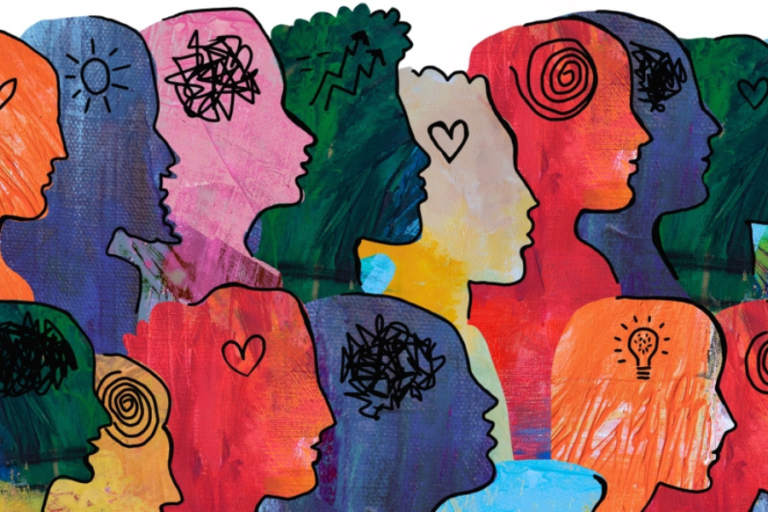
Understand mental health across life stages
Your mental health across life stages does not stay the same. It shifts as you move from childhood into adolescence, through adulthood, and into older age. Each phase brings specific pressures, responsibilities, and transitions that can either strengthen your resilience or leave you feeling overwhelmed.
Researchers have found that major life changes, such as starting college, beginning a new job, becoming a parent, or retiring, can introduce stress, anxiety, and sadness that sometimes develop into mental health conditions like depression or anxiety (Open Mind ND). When you understand how different stages affect you, it becomes easier to spot warning signs early and choose helpful support.
In this guide, you will move through the life span, see what commonly shows up emotionally at each stage, and learn practical steps you can take right now to care for your mental health.
What shapes your mental health over time
Your mental health is not only about diagnosed conditions. It includes how you think, feel, and cope with everyday life. Across your life, it is shaped by:
- Life transitions, such as moving, changing schools or jobs, divorce, illness, or bereavement
- Relationships and social support
- Physical health, sleep, and daily habits
- Cultural expectations and social norms
- Access to information and mental health care
Disruptions to stability and predictability, like a sudden job loss or a major move, can stir up anxiety, uncertainty, and a sense of loss (Open Mind ND). Some transitions are expected, for example, growing up, starting work, or retiring, but they can still be emotionally demanding (PMC).
The goal is not to avoid change, which is impossible, but to recognize how it affects you and build skills that help you through it.
Childhood and adolescence
Common challenges in early years
Mental health conditions can appear at very young ages. Nearly one in seven adolescents aged 10 to 19 worldwide lives with a mental health condition, yet many never receive support or treatment (WHO).
In children and adolescents, you might see:
- Anxiety, such as intense worry about school, friends, or the future
- Depression, which can look like irritability, sadness, or withdrawal
- Behavioral and neurodevelopmental disorders, including ADHD or conduct disorder (WHO)
Disruptions often show up in mood, behavior, and daily functioning. These can include mood swings, difficulty concentrating, social disconnection, and changes in sleep or appetite (Open Mind ND).
Why adolescence is a high risk period
Adolescence is a time of intense change. You may be:
- Adjusting to a new school or academic expectations
- Navigating shifting friendships and social pressure
- Exploring identity and independence
- Dealing with hormonal changes and body image concerns
Globally, anxiety disorders are the most common mental health conditions in adolescents. They affect around 4.1% of 10 to 14 year olds and 5.3% of 15 to 19 year olds. Depression also affects a significant percentage of adolescents and can disrupt school attendance and increase the risk of suicide (WHO).
In many countries, suicide is among the leading causes of death in older adolescents and young adults, influenced by factors like harmful alcohol use, stigma around seeking help, and limited access to care (WHO).
Digital life and mental health in teens
Social media and digital communication now shape much of adolescent life. These tools can help you feel connected, but they also bring:
- Comparison, which can feed anxiety and low self esteem
- Exposure to cyberbullying
- Constant notifications, which may disrupt sleep and focus
At the same time, digital platforms can provide accessible, relatable mental health information and support, especially through multimedia content like videos. These resources can reduce stigma and encourage you to seek help when you are struggling (PMC).
What you can do in this stage
If you are a teen or caring for one, you can support mental health with small, consistent actions:
- Talk openly about feelings, even when they are uncomfortable
- Keep a regular sleep routine and limit late night screen time
- Notice changes in mood, energy, or school performance and speak with a trusted adult or health provider
- Learn basic emotion regulation skills, such as deep breathing, journaling, or grounding exercises
- Explore supportive school or community programs that build resilience and social connection (WHO)
If thoughts of self harm or suicide appear, seek immediate support from local crisis services or emergency care. You do not have to navigate those feelings on your own.
Young adulthood and early career
Why transitions after high school are stressful
The move into young adulthood often includes several major transitions at once. You may:
- Start higher education
- Enter the workforce
- Move away from home
- Take on new financial responsibilities
These changes can disrupt familiar support systems and routines, which sometimes leads to avoidable psychological harm if you do not have adequate support (PMC). You might feel torn between expectations from family, cultural norms, and your own goals.
Mental health challenges at this stage can include:
- Anxiety about performance, finances, or future plans
- Depression tied to loneliness, homesickness, or burnout
- Substance misuse as a way to cope with stress
- Eating disorders, which often begin in adolescence or early adulthood and are linked to body image and emotional difficulties (World Health Organization)
Identity, roles, and relationships
Early adulthood is a time when you may be defining your identity in deeper ways. You might be asking:
- What kind of work do I want to do
- What type of relationships do I want
- What values matter most to me
These are important and healthy questions, but if you are under heavy pressure or lack support, the questioning can feel overwhelming. Social support and a sense of belonging are key protective factors at this stage (Frontiers in Psychiatry).
How to support yourself in young adulthood
You cannot remove all stress, but you can build habits that make this period more manageable:
- Create structure, for example, set regular sleep and wake times, plan simple meals, schedule study or work blocks
- Stay connected, reach out to friends, join campus or community groups, and keep in touch with supportive family or mentors
- Use campus or workplace resources, such as counseling centers, peer support groups, or employee assistance programs
- Set realistic expectations, remind yourself that it is normal to experiment, change direction, or feel uncertain
- Seek professional help if persistent sadness, worry, or loss of interest in daily life makes it hard to function
Digital mental health resources can be part of your support system, but they work best when combined with real life relationships and, when needed, professional care (PMC).
Midlife, work, and caregiving
Pressures of midlife
As you move into your 30s, 40s, and 50s, your mental health across life stages reflects a different set of demands. You may be:
- Building a career or managing job insecurity
- Raising children or supporting teenagers
- Caring for aging parents
- Managing financial responsibilities, such as loans or mortgages
- Coping with chronic health conditions or changes in your own body
These overlapping roles can increase stress and burnout, especially if you often put your own needs last. Work related stress and parenting demands can combine with limited time for rest or connection, which raises your risk for anxiety and depression (PMC).
Parenthood and mental health
Parenthood is a major life transition that affects mental health in complex ways. You may experience:
- Joy and fulfillment
- Exhaustion and irritability
- Worry about your child’s well being and future
- Shifts in identity and relationship dynamics
For many, pregnancy and the postpartum period bring additional challenges, such as postpartum depression and anxiety. Parents of children with special needs or health conditions may face even more stress and require targeted support (Frontiers in Psychiatry).
Recognize signs of strain
In midlife, you might normalize high stress because it seems like “everyone is busy.” Still, it is important to notice signs that your mental health needs attention, such as:
- Persistent fatigue or feeling emotionally drained
- Losing interest in activities you used to enjoy
- Irritability or anger that is hard to control
- Trouble sleeping or sleeping much more than usual
- Increased alcohol or substance use to cope
Common conditions like major depressive disorder, generalized anxiety, eating disorders, bipolar disorder, and obsessive compulsive disorder can significantly affect your functioning at any adult life stage (Hiwell). Many of these are treatable with professional support.
Practical ways to protect your mental health
You may not be able to change all of your responsibilities, but you can adjust how you respond to them:
- Set boundaries, for example, define work hours when possible and limit after hours emails
- Share the load at home, ask for help from partners, family, or friends instead of doing everything alone
- Prioritize basic self care, consistent sleep, movement, and balanced meals are building blocks for mental health
- Make time for connection, even brief check ins with friends or colleagues can buffer stress
- Consider therapy, especially if you notice long term patterns of low mood, worry, or relationship conflict
Different therapeutic approaches, such as cognitive, behavioral, humanistic, or group therapy, can support you in managing stress, improving coping skills, and reshaping unhelpful thought patterns (Hiwell).
Older adulthood and later life
How aging affects your mental health
Mental health across life stages does not stop being important as you age. Older adulthood often brings major changes, such as:
- Retirement or shifts in work identity
- Loss of loved ones
- Changes in physical health or mobility
- Moving out of a long term home or into assisted living
Around 14.1% of adults aged 70 and over live with a mental disorder, and depression and anxiety are among the most common conditions (WHO). Mental disorders account for a meaningful share of years lived with disability in this age group.
Social isolation and loneliness affect about one quarter of older adults and are key risk factors for mental health conditions (WHO). Experiences of abuse, which affect approximately one in six older adults, are also strongly linked to depression and anxiety.
Common experiences and warning signs
It is natural to feel grief after a loss or to need time to adjust to retirement or health limitations. However, when feelings like sadness, loneliness, or worry become intense and long lasting, they may signal a mental health condition.
You might notice:
- Persistent low mood, hopelessness, or lack of enjoyment
- Withdrawal from social activities
- Changes in appetite, weight, or sleep
- Trouble concentrating or making decisions
- Physical complaints that do not have a clear medical cause
The National Institute of Mental Health notes that long lasting feelings of grief, social isolation, or loneliness in older adults can lead to conditions such as depression and anxiety, but effective treatment options are available (NIMH).
Staying mentally well as you age
Mental health promotion in older adulthood often focuses on social connection and purposeful activity. You can support your wellbeing by:
- Joining community or interest groups, such as walking clubs, book clubs, or creative classes
- Taking part in befriending programs or volunteer opportunities, which can improve life satisfaction and reduce depressive symptoms (WHO)
- Keeping regular contact with family and friends through phone, video calls, or visits
- Discussing mood or cognitive changes with a health care provider early
- Exploring therapy or support groups tailored for older adults
Participation in clinical trials is another way older adults contribute to better treatment options. These studies help researchers understand how new drugs and therapies work across different ages, ensuring that findings benefit the entire population (NIMH).
The role of digital mental health support
Across all life stages, digital tools are becoming an important part of mental health support. Online platforms and multimedia content, especially videos, can:
- Offer accessible information about mental health conditions and coping strategies
- Reach people who feel uncomfortable seeking in person help
- Reduce stigma and encourage help seeking
- Provide culturally sensitive and tailored resources for diverse communities (PMC)
However, quality and relevance matter. Researchers highlight the need for coordinated efforts among healthcare providers, policymakers, technology companies, and content creators to develop evidence based digital mental health content that is accurate, inclusive, and easy to understand (PMC).
You can use digital tools as a starting point to learn and feel less alone, then combine them with professional care and trusted personal relationships.
When to seek professional help
At any stage of life, it is worth reaching out for help if you notice:
- Persistent sadness, anxiety, or irritability that lasts for weeks
- Loss of interest in activities you usually enjoy
- Trouble functioning at school, work, or home
- Thoughts of self harm, death, or suicide
- Use of alcohol, drugs, or other behaviors to escape painful feelings
Mental disorders, including depression, anxiety disorders, bipolar disorder, eating disorders, and others, affect hundreds of millions of people of all ages worldwide (World Health Organization). Many are highly treatable with a combination of therapy, medication, and lifestyle changes.
If you are worried about your own mental health or that of someone you care about, consider:
- Talking with a primary care provider to rule out medical causes and get referrals
- Reaching out to a trusted friend or family member for support
- Contacting local mental health services or crisis lines for urgent concerns
Early support can reduce distress, lower the risk of complications, and improve your quality of life at any age.
Small steps you can take today
Your mental health across life stages will continue to evolve, but you can take simple steps now to support it, whatever your age:
- Notice where you are, name the life stage and transitions you are currently navigating
- Check in with yourself, ask how you are really feeling and what you are carrying
- Choose one action from this guide that feels doable today, such as messaging a friend, scheduling a medical or therapy appointment, or setting a bedtime
- Explore trustworthy online resources for more information and support, especially if in person help is hard to access
You do not have to handle each stage or transition perfectly. What matters most is staying curious about your experience, recognizing when you need support, and reminding yourself that seeking help is a sign of strength at every age.
About the Author