Understand how fruit fits on keto
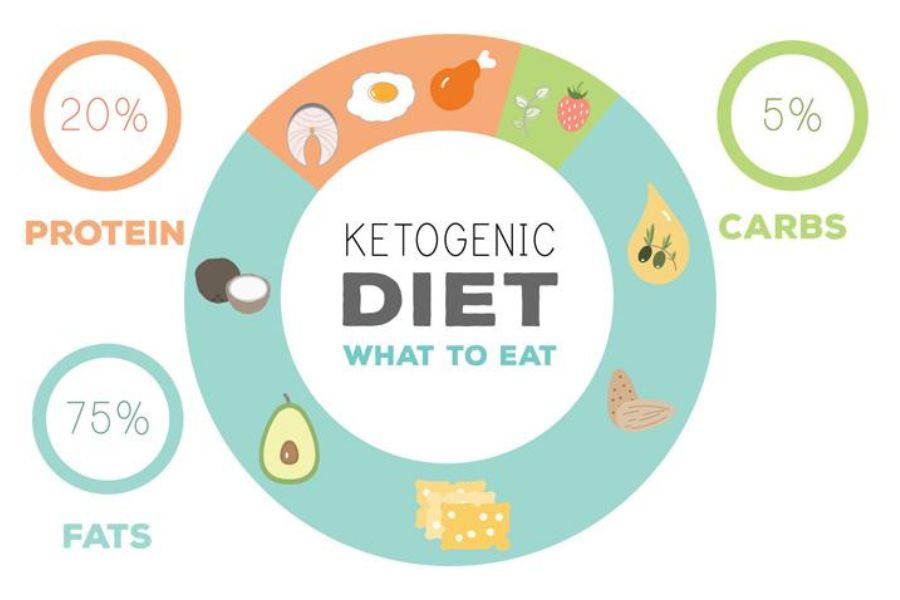
If you are following a ketogenic diet, a clear keto fruits list can make day to day choices much easier. On keto you typically keep carbs to about 5 to 10 percent of your daily calories, which often means staying below roughly 20 to 50 grams of carbs per day so your body stays in ketosis instead of burning glucose for fuel (Verywell Health).
Since many fruits are naturally sweet and higher in sugar, it helps to sort out which ones you can enjoy regularly, which you can have in small portions, and which are best to avoid on a stricter keto plan.
What “keto friendly fruit” really means
When people talk about “keto fruits,” they usually mean fruits that are:
- Relatively low in net carbs (total carbs minus fiber) per usual serving
- Easy to fit into your daily carb budget without pushing you out of ketosis
- Still rich in useful nutrients like vitamin C, potassium, and antioxidants
You can absolutely eat fruit on keto, but you need to be choosy about both the type and the serving size.
Keto fruits list you can enjoy regularly
The fruits below are naturally lower in net carbs and work well on a ketogenic diet as long as you still keep track of portions.
Avocado
Avocado is one of the most keto friendly fruits you can eat.
- About 1.5 grams of net carbs per 3.5 ounce (100 gram) serving
- Nearly 7 grams of fiber in that same amount
- Rich in healthy fats, especially monounsaturated fats
- Provides vitamin K, folate, vitamin C, and potassium (Healthline)
You can slice a third of a medium avocado over eggs, mash it into guacamole, or blend it into a low carb smoothie. Since it is mostly fat and fiber, avocado is very filling and can help keep you satisfied between meals.
Olives
Olives are technically a fruit and they are another smart choice for your keto fruits list.
- One cup of green olives contains about 15 grams of monounsaturated fatty acids
- These fats are linked with a lower risk of heart disease and stroke (Health)
You can enjoy olives as:
- A salty snack
- A topping for salads
- A simple addition to a cheese and nut plate
Because olives are lower in carbs and higher in fat, they fit easily into most keto meal plans.
Berries: strawberries, raspberries, blackberries, blueberries
Most fruits are off limits on strict keto. Berries are the big exception. They tend to be lower in sugar, higher in fiber, and full of antioxidants.
Strawberries
- Around 8.7 grams of net carbs per 1 cup (152 grams) (Healthline)
- About 8 grams of carbs per 100 grams, with 32 calories (EatingWell)
- High in vitamin C and phytonutrients that support heart health (EatingWell)
A small handful of sliced berries with unsweetened Greek yogurt is usually easy to fit into your daily carb target.
Raspberries
Raspberries are especially friendly to ketogenic diets.
- About 7 grams of net carbs per cup (123 grams) (Healthline)
- 8 grams of fiber per cup, which keeps net carbs lower (WebMD)
- Provide vitamin C, manganese, vitamin K, copper, and potent antioxidants (Healthline)
Half a cup is often enough to satisfy a craving for something sweet while still leaving room in your carb budget for vegetables and other foods.
Blackberries and blueberries
While the research above focuses more on strawberries and raspberries, it also notes that berries in general are recommended for keto due to their:
- Lower sugar and carb content
- High fiber
- Rich antioxidant profile that helps reduce inflammation and support chronic disease prevention (Verywell Health, EatingWell)
Blueberries are a bit higher in carbs than strawberries or raspberries, so you may want to keep the portion smaller, especially if you are on the lower end of daily carb intake.
Star fruit (carambola)
If you like tropical flavors, star fruit can brighten up your keto meal plan.
- Around 4.3 grams of net carbs per cup (108 grams) (Healthline)
- Provides vitamin C, copper, potassium, and pantothenic acid (Healthline)
- Also offers magnesium, folate, selenium, and zinc, which can support immune health and help reduce disease risk (Verywell Health)
Thin slices of star fruit work well in salads or as a garnish for low carb desserts.
Watermelon
Watermelon is naturally sweet and refreshing, which might make you think it is off limits. In reality, it is one of the lowest carb fruits if you measure carefully.
- About 7.5 to 8 grams of carbs per 100 grams and 30 calories (WebMD, EatingWell)
- Roughly 11 grams of net carbs per 1 cup (152 grams) (Healthline)
- Approximately 92 percent water, so it helps with hydration (WebMD)
- Provides vitamin C, potassium, copper, and the antioxidant lycopene (Healthline, Verywell Health)
A typical serving suggestion is about one cup or roughly 10 watermelon balls (WebMD). Enjoy it on hot days, then balance the rest of your meals with very low carb foods.
Peaches in modest portions
Peaches fall into a middle ground. They are sweeter than avocado or olives but lower in carbs than many other fruits.
- About 8 grams of net carbs per 100 grams
- Roughly 50 calories per medium peach
- Around 15 percent of daily vitamin C in a serving (WebMD)
A few small slices can work on a more flexible or moderate low carb plan. If you follow a very strict ketogenic diet, you may still want to use peaches sparingly.
Fruits to limit or avoid on strict keto
Some fruits contain so many carbs per serving that they can push you over your daily limit quickly, especially if you eat them out of habit.
Higher sugar fresh fruits
The following fruits are usually not part of a strict keto fruits list:
- Apples
- Grapes
- Bananas
- Cherries
- Pineapple
- Larger portions of peaches
Many of these can contain 20 or more grams of carbs per serving, which might use up most of your daily allowance in one snack (Diet Doctor, Health).
Dried fruit, fruit juice, and smoothies
On a ketogenic diet it is especially helpful to avoid:
- Dried fruits like prunes and raisins
- Fruit juices
- Most fruit based smoothies (with the possible exception of lemon or lime used mainly for flavor)
These are concentrated sources of sugar and can easily exceed the typical carb limit of less than 20 to 50 grams per day that most people aim for to stay in ketosis (Verywell Health).
Why many fruits are tricky on keto
Most fruits and berries have been called “nature’s candy” for a reason. They are rich in natural sugars and, in many cases, relatively low in fiber, so they raise your carb intake quickly.
According to low carb experts, modern fruit has also been selectively bred for maximum sweetness and yield while often reducing fiber compared with older varieties (Diet Doctor). That means your body might handle a big bowl of fruit very differently than it would have handled the smaller, less sweet, seasonal fruits our ancestors ate.
For keto, the main challenge is:
- The carbs in fruit add up fast
- You usually want to save some of your carb budget for non starchy vegetables
What about vitamins if you cut back on fruit?
A common concern is losing out on vitamins, especially vitamin C, if you limit fruit. Research suggests that you can comfortably get these nutrients from low carb vegetables instead.
For example:
- Bell peppers and kale can provide more vitamin C than citrus fruits, yet they have significantly fewer carbs and less sugar (Diet Doctor)
So you can still support your immune system and meet your micronutrient needs by focusing on a variety of vegetables plus selective keto friendly fruit.
How to add fruit to a keto diet
Once you know which fruits fit your keto fruits list, the next step is planning how to use them so they support your health and weight loss goals.
Step 1: Set your daily carb target
First, get clear on your personal carb limit:
- Strict keto: often under 20 grams of net carbs per day
- Moderate keto: up to 50 grams of net carbs per day (Verywell Health)
The stricter your target, the more carefully you will need to measure portions of fruit.
Step 2: Choose your “everyday” fruits
Pick 2 or 3 fruits that you enjoy and that fit easily into your numbers. For many people this might look like:
- Avocado
- Olives
- One type of berry (such as raspberries or strawberries)
These can appear in your meals several times a week without much stress.
Step 3: Save other fruits for small treats
Fruits like watermelon, star fruit, or peaches can work best as occasional extras. For example:
- A small cup of watermelon on a hot day
- A few peach slices with cottage cheese
- Star fruit as a topping for a salad
This approach lets you enjoy variety without losing track of your carb intake.
Step 4: Pair fruit with protein or fat
To keep blood sugar steadier and stay satisfied longer, try combining fruit with a source of protein or healthy fat, such as:
- Strawberries with unsweetened Greek yogurt
- Raspberries with whipped heavy cream and a sugar free sweetener
- Avocado slices with eggs or grilled chicken
- Olives with cheese or nuts
This simple combination can help you feel full and can make your keto meals more satisfying.
Sample keto fruits list and uses
Here is a simple way to think about fruit choices on keto.
| Fruit | Approx carbs per 100 g* | How to use it on keto |
|---|---|---|
| Avocado | 8.5 g total carbs, about 1.5 g net per 100 g (WebMD, Healthline) | Daily, as a fat source and topping |
| Olives | Varies, low net carbs and high fat (Health) | Daily, snack, salad, or side |
| Strawberries | About 8 g carbs (EatingWell) | A few times a week, small handful |
| Raspberries | About 12 g carbs total but high fiber (EatingWell) | A few times a week, half cup portions |
| Watermelon | Around 7.5 to 8 g carbs (WebMD, EatingWell) | Occasionally, measured cup servings |
| Star fruit | About 4.3 g net carbs per cup (Healthline) | Occasionally, as a garnish or salad addition |
| Peaches | About 8 g net carbs (WebMD) | Rarely, in small slices |
*Carb counts are approximate and can vary by variety and exact serving size.
If you are just getting started with keto, you may want to measure fruit with a scale or measuring cups for the first few weeks. Over time, you will get a better feel for what a suitable portion looks like.
Key takeaways
- You do not have to give up fruit completely on keto, but you do need a thoughtful keto fruits list and some portion awareness.
- Avocados, olives, berries, watermelon, star fruit, and modest peach servings can fit into a ketogenic diet when you count carbs and keep servings reasonable (Healthline, Verywell Health, WebMD).
- Higher sugar fruits, dried fruits, juices, and most smoothies can quickly exceed the daily carb limits that support ketosis (Diet Doctor, Verywell Health).
- You can meet your vitamin and mineral needs by combining low carb vegetables with carefully chosen fruits, so you still support your health and weight loss goals while staying in ketosis.
If you like, you can start simple today by adding half an avocado to one meal and swapping any high sugar fruit for a small serving of berries. That one change keeps your plate colorful and your carbs in check.
About the Author