Understand the basic keto diet rules
If you want the keto diet to support weight loss and better health, you need to follow a few core keto diet rules consistently. The ketogenic diet is a very low carb, high fat way of eating that shifts your body into ketosis, where you burn fat for fuel instead of carbs (Healthline).
At its most basic, keto means:
- Very low carbs
- High fat
- Moderate protein
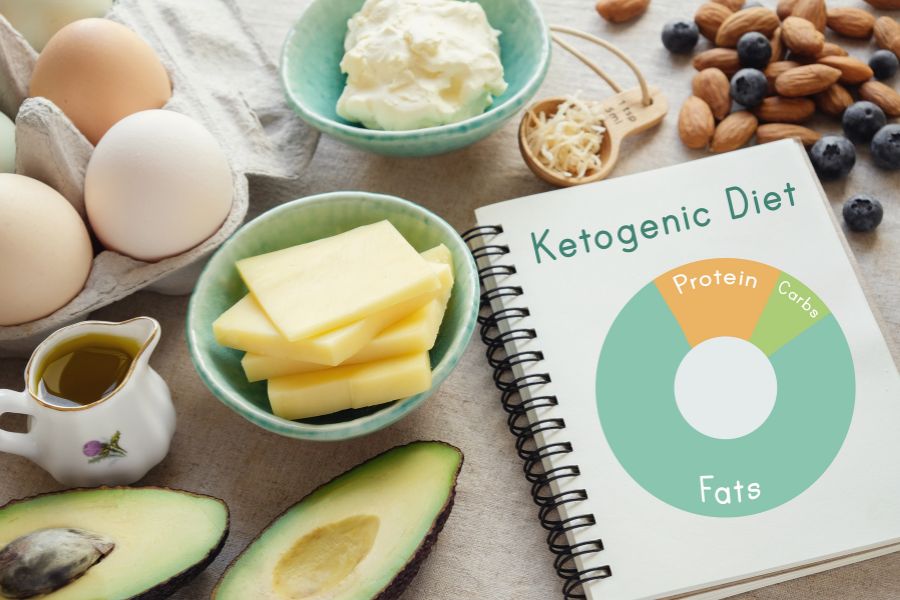
According to the Harvard T.H. Chan School of Public Health, a classic ketogenic diet usually looks like this (Harvard):
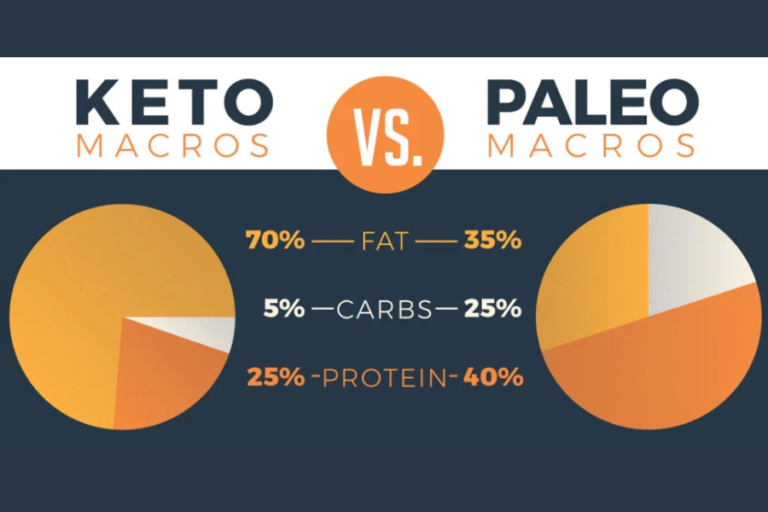
- About 70–80% of your calories from fat
- About 10–20% from protein
- About 5–10% from carbohydrates
For a 2,000 calorie day, that is roughly:
- 165 g fat
- 75 g protein
- 40 g carbs
You do not have to hit those exact numbers, but staying in that general range helps you slip into ketosis and stay there.
What ketosis actually is
On a regular diet, your body uses glucose from carbs for energy. When you follow keto diet rules and cut carbs down to around 20 to 50 grams per day, your body starts running low on glucose. After about 3 to 4 days of very low carb intake, your liver begins producing ketone bodies from fat to use as fuel instead. That metabolic state is called ketosis (Harvard).
Many people notice:
- Reduced hunger
- Easier access to body fat for energy
- Lower blood sugar and insulin levels (Healthline)
The rest of the rules help you reach that state and avoid getting accidentally knocked out of it.
Limit carbs correctly
Carb control is the heart of keto diet rules. If carbs creep up, ketosis usually disappears. Most people need to keep daily carbs around 20 to 50 grams to stay in ketosis, focusing on vegetables and small amounts of berries (Healthline).
Total carbs vs net carbs
You will see two ways of counting carbs:
- Total carbs: all grams of carbohydrate in a food
- Net carbs: total carbs minus fiber
Some people count total carbs, while others track net carbs, since fiber is not digested and usually does not spike blood sugar (Healthline).
Whichever method you choose, be consistent. That way, you can connect your numbers with how you feel and how your body responds.
Taper down instead of quitting carbs overnight
If you currently eat a lot of carbs, dropping straight to under 50 grams on day one can feel rough. Dietitian Lara Clevenger recommends tapering your carbs down gradually so your body has time to adjust (Everyday Health).
You might try:
- Week 1: Cut sugary drinks and desserts.
- Week 2: Swap bread, pasta, and rice for low carb alternatives.
- Week 3: Tighten up portions of higher carb fruits and starchy vegetables.
By the time you are near keto levels, the shift into ketosis is usually smoother.
Balance macros for fat, protein, and carbs
Once your carbs are low enough, the next keto diet rules focus on the balance between fat and protein.
Keep fat high enough
Keto is a high fat diet by design. Around 70% of your calories should come from fat so your body has enough fuel once you remove most of the carbs (Healthline). If you cut carbs and also keep fat too low, you can end up tired, hungry, and frustrated.
Good keto friendly fat sources include:
- Avocado and avocado oil
- Olive oil
- Coconut oil
- Butter and ghee
- Nuts and seeds
- Oily fish like salmon and sardines
Focus on mostly unsaturated and omega 3 rich fats, not just bacon and cream. Everyday Health emphasizes prioritizing healthy fats such as salmon, sardines, and flaxseed while limiting ultra processed and unhealthy fats (Everyday Health).
Do not overdo protein
Too much protein is one of the most common keto mistakes. If you eat large amounts of protein, your body can convert some amino acids into glucose, which may make it harder to achieve full ketosis (Healthline).
A good guideline is:
- About 0.7 to 0.9 grams of protein per pound of body weight
- Or 1.5 to 2.0 grams per kilogram of body weight
Protein is still important to preserve muscle, especially during weight loss, but keto is not a high protein diet. You are aiming for moderate protein, high fat, and very low carb.
Know what to eat and what to avoid
Following keto diet rules becomes much easier when you clearly know which foods to base your meals around and which ones to skip or save for special occasions.
Build meals around low carb, whole foods
Healthline recommends building your plates around simple, single ingredient foods (Healthline):
- Animal proteins: meat, poultry, seafood, eggs
- One large egg has less than 1 gram of carbs and about 6 grams of protein (Healthline)
- Full fat dairy: cheese, plain Greek yogurt, cottage cheese, cream, half and half, in moderation
- Low carb vegetables: leafy greens, broccoli, cauliflower, peppers, zucchini, asparagus, cucumbers
- High fat plant foods: avocados, olives, nuts and seeds
- Healthy fats and oils: olive oil, coconut oil, avocado oil, butter, ghee (Healthline)
- Beverages: water, unsweetened tea, coffee, unsweetened sparkling water
These foods are naturally low in carbs, which makes it easier to stay within your daily carb limit.
Avoid high carb staples
To stay in ketosis, you will need to avoid or drastically reduce traditional carb heavy foods. Harvard T.H. Chan and Ideal Nutrition list several categories that are typically off limits (Harvard, Ideal Nutrition):
- All grains: bread, pasta, rice, oats, corn, tortillas, cereal
- Starchy vegetables: potatoes, sweet potatoes, corn, peas
- Legumes: beans, lentils, chickpeas
- Most fruits: bananas, grapes, mangoes, and other high sugar fruits
- Fruit juices and sugary drinks
- Desserts and candy
Healthline also points out that refined carb foods like bread, pasta, and rice are especially likely to kick you out of ketosis, and suggests low carb alternatives like mashed or riced cauliflower or bread made with eggs, nuts, and seeds (Healthline).
Watch hidden sugars and carb heavy extras
Sugar and refined carbs often show up where you least expect them. According to Healthline and Ideal Nutrition, you will want to read labels carefully (Healthline, Ideal Nutrition):
- Sugary drinks: regular soda, sweet tea, energy drinks, sports drinks, many coffee drinks
- Sweetened meats: honey baked ham, glazed meats
- Condiments and sauces: ketchup, barbecue sauce, honey, syrups
- Processed snacks: granola bars, flavored nuts, packaged baked goods
Better choices include:
- Unsweetened beverages
- Regular deli ham with less than 1 gram of carbs per slice instead of honey baked varieties (Healthline)
- Vinegar based sauces, mustard, and mayonnaise instead of sugary sauces (Healthline)
Choose the keto approach that fits you
There is not just one strict version of keto. UC Davis Health describes three main styles with different keto diet rules (UC Davis Health):
- Classic keto diet
- Very strict fat to carb plus protein ratio
- Typically used therapeutically and best followed with a dietitian
- Modified keto diet
- Slightly more protein and carbs
- Often easier for everyday life while still promoting ketosis
- Modified Atkins diet
- High fat and low carb, but protein is not limited
- Usually the most user friendly option
You do not have to label your approach perfectly, but it helps to be honest about which style you are actually following. Your weight loss results and how you feel will match the structure and consistency you maintain.
If you have existing health conditions, especially diabetes or heart concerns, talk with your healthcare provider before deciding which version of keto to try. UC Davis Health also recommends baseline and follow up blood tests to monitor your cholesterol and triglycerides while you are on keto (UC Davis Health).
Stay hydrated and protect your electrolytes
One of the easiest keto diet rules to overlook is hydration. When you cut carbs, your insulin levels drop, and your kidneys begin excreting more sodium and water. Healthline notes that this sodium loss can lead to lightheadedness, fatigue, headaches, and leg cramps if you do not replace it (Healthline).
How much water and electrolytes to aim for
Everyday Health suggests drinking at least half of your body weight in ounces of water daily to compensate for fluid loss during ketosis (Everyday Health). You will also want to make sure you get enough:
- Sodium: lightly salt your food or use broth, staying within the FDA recommended limit of 2,300 mg per day (Healthline)
- Potassium: from foods like leafy greens and avocados
- Magnesium: from nuts, seeds, and possibly a supplement if your healthcare provider agrees
Keeping up with fluids and minerals can prevent many early side effects and help you feel better overall.
Manage common side effects and keto flu
When you first drop your carbs, it is normal to feel off for a few days. Many people call this period the “keto flu.” Healthline explains that symptoms can include diarrhea, constipation, vomiting, fatigue, and general discomfort as your body adapts from burning carbs to burning fat (Healthline).
UC Davis Health notes that keto flu is usually temporary and part of the early adaptation phase (UC Davis Health). Full metabolic adaptation can take several weeks (Healthline).
Simple ways to ease the transition
You can soften the impact of keto flu with a few strategies:
- Taper carbs gradually so the change is not as abrupt
- Drink extra water throughout the day
- Increase electrolytes with salt, potassium rich foods, and magnesium
- Get enough calories so you are not combining extreme calorie cutting with very low carbs
- Rest more and avoid scheduling intense new workouts in the first week
UC Davis Health also suggests taking a multivitamin with minerals to help cover potential nutrient gaps, and they mention that there can be changes in bone health markers, so medical supervision is important if you plan to follow keto long term (UC Davis Health).
If symptoms are severe, if you feel very unwell, or if you have underlying health conditions, contact your healthcare provider promptly.
Use vegetables wisely on keto
Vegetables are crucial on keto for fiber, vitamins, and long term health. The challenge is picking the right ones and watching portions so your carbs do not creep too high.
Everyday Health recommends favoring nonstarchy vegetables such as leafy greens, broccoli, and cauliflower. These help you maintain fiber intake and reduce constipation without pushing you out of ketosis (Everyday Health).
Go heavy on nonstarchy vegetables
Good low carb vegetable options include (Healthline):
- Spinach, kale, and other greens
- Broccoli, cauliflower, Brussels sprouts
- Zucchini and other summer squash
- Peppers and green beans
- Cucumbers, celery, and lettuce
These usually fit easily into your daily carb budget, especially when you count net carbs.
Limit starchy vegetables
High carb vegetables can quickly use up your daily carb limit, so they are usually avoided or kept very small on keto:
- Potatoes and sweet potatoes
- Corn
- Peas
- Winter squash in large portions
When you want something hearty, you can often swap these foods with cauliflower based versions, such as mashed cauliflower or cauliflower rice, which Healthline suggests as low carb stand ins (Healthline).
Navigate eating out and social situations
You do not have to stay home to follow keto diet rules. With a bit of planning, you can enjoy restaurants and social events without losing your progress.
Healthline offers simple guidelines for eating out while staying keto (Healthline):
- Choose dishes centered on meat, fish, or eggs.
- Swap high carb sides like fries, rice, or pasta for extra vegetables or a side salad.
- Ask for sauces and dressings on the side so you can control sugar and carb heavy options.
- For dessert, consider cheese boards or berries with cream in small portions.
For drinks, skip sugary sodas, fruit juices, and sweet cocktails. Healthline notes that these can quickly exceed your carb limit and disrupt ketosis. If you choose to drink alcohol, lower carb choices like spirits or red wine with less than 5 grams of carbs per serving are usually better options, as long as they fit your goals and your healthcare provider agrees (Healthline).
Work with your healthcare team
Keto can bring benefits like weight loss and improved blood sugar control for some people, but it is not risk free or appropriate for everyone. UC Davis Health highlights several important medical considerations (UC Davis Health):
- Some people see increases in LDL or “bad” cholesterol, while others have improved HDL and triglycerides.
- Keto can affect bone health markers.
- Long term strict keto may raise the risk of certain nutrient deficiencies.
Because of this, UC Davis Health advises:
- Getting baseline blood tests before you start, especially lipids.
- Having follow up labs to see how your body responds.
- Talking with your provider if you have diabetes, heart disease, kidney issues, or take medications that affect blood sugar or blood pressure.
If you decide to follow classic or very strict keto, working with a registered dietitian can help you meet your nutrient needs while staying within keto diet rules.
Put the rules into action
To make keto manageable, turn the keto diet rules into a few daily habits you can stick to:
- Plan your meals around low carb proteins, nonstarchy vegetables, and healthy fats.
- Keep your total or net carbs around 20 to 50 grams per day, according to your chosen approach.
- Aim for high fat and moderate protein, not high protein.
- Drink plenty of water and get enough electrolytes.
- Expect a short adjustment phase and be patient with your body.
- Check in with your healthcare provider and track how you feel, not just what the scale says.
You do not have to be perfect to see benefits. Start by tightening one or two areas, such as cutting sugary drinks or swapping high carb sides for vegetables. As you get more comfortable with the rules, your daily choices will begin to feel more natural, and keto can become a sustainable part of your routine rather than a short term experiment.
About the Author