A lot of teens and parents are asking the same question right now: is creatine safe for teens or is it something you should avoid? With more high school athletes using supplements to get stronger and faster, it makes sense that you want clear, honest information, not fear or hype.
This guide walks you through what creatine is, what the research says about teens, and how to think about risks, benefits, and safer alternatives. By the end, you will be better equipped to talk with a doctor, coach, or parent about what is right for you.
What creatine actually is
Creatine is a compound your body already makes. You also get it when you eat animal products like meat and fish. Your muscles store creatine and use it to quickly produce energy during short, intense efforts like sprinting or heavy lifting.
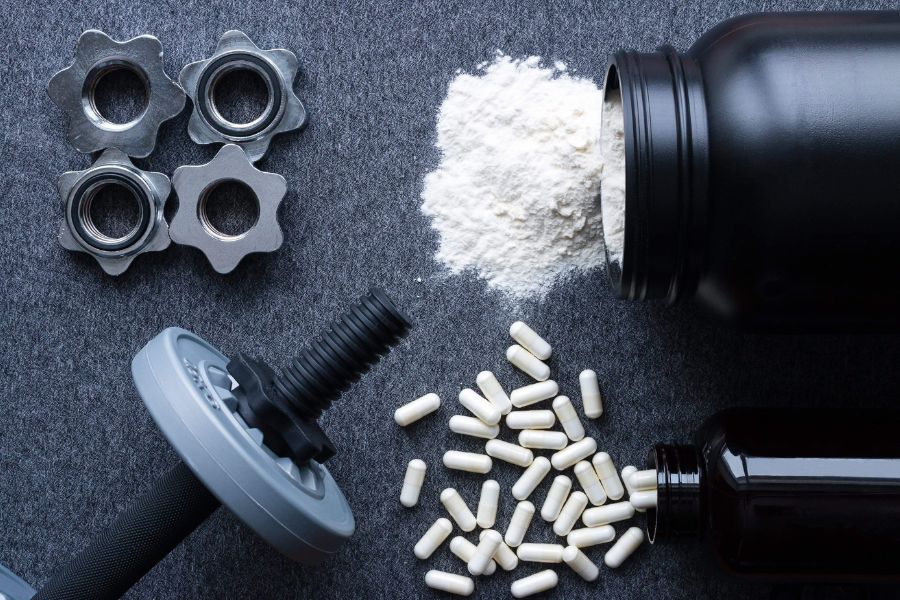
Creatine supplements, usually creatine monohydrate powder, are designed to increase those muscle stores. In adults, creatine has been widely studied and is considered one of the most effective and well researched sports supplements.
The big question is whether those same results and safety data clearly apply to teens as well.
Why so many teens are interested in creatine
You are not alone if you have thought about trying creatine. According to survey data, nearly 17 percent of 12th grade males reported using creatine supplements in 2016 (CHOC Children’s). A more recent NIH funded survey found that almost 12 percent of U.S. high school seniors used creatine in the past year without medical supervision (Pediatrics Nationwide).
There are a few reasons it is so popular:
- You see other athletes in your school using it.
- Social media and YouTube creators often show dramatic “before and after” results.
- Creatine is legal, easy to buy, and not as scary sounding as some other performance enhancers.
- Many teens want a fast way to get bigger, stronger, or more competitive.
It is understandable that you might see creatine as a shortcut. The important part is knowing exactly what you are putting into your body and what the science actually says for your age group.
What major health organizations say about teens and creatine
Here is where things get a bit confusing. Different expert groups look at the same evidence and still land in slightly different places.
The American Academy of Pediatrics (AAP) takes a cautious stance. They state that creatine should not be used by kids under 18 because there are very few studies on the long term safety of creatine in teens as of 2022 (CHOC Children’s).
On the other hand, the U.S. Food and Drug Administration (FDA) has classified creatine as “generally recognized as safe” (GRAS). That designation is based on data that includes older children and adolescents, and research so far has not flagged major safety concerns in those groups (PMC).
So you have:
- Pediatric groups saying: “We do not have enough long term teen specific data, so it is better to avoid creatine under 18.”
- Some sports nutrition researchers saying: “Short term use in adolescent athletes looks well tolerated, but we need more rigorous studies.”
Both sides agree on one thing. The research on teens is limited and more high quality, long term trials are needed.
What the research actually shows in adolescent athletes
A lot of what you hear about creatine safety in teens comes from small, short term studies. When you look closely, you see a few key themes:
Short term use appears well tolerated
Reviews of existing studies in adolescent athletes aged 13 to 18 report that creatine supplementation is usually well tolerated, with no reported adverse events like stomach problems or abnormal blood and urine markers over periods ranging from 7 days to 8 weeks (Frontiers in Nutrition). Another review found similar outcomes and noted that creatine often improved some performance measures in this age group (PMC).
Creatine has also been used safely in pediatric medical settings, such as children with creatine deficiency syndromes or muscular dystrophies, without harmful changes in lab tests or clinical health (Frontiers in Nutrition).
Long term safety is still unclear
Even though these short term studies are reassuring, there is a major gap. As of 2018, no studies have been designed specifically to test long term safety of creatine in healthy adolescent athletes using rigorous randomized, double blind, placebo controlled methods (Frontiers in Nutrition).
A 2023 literature review from Nationwide Children’s Hospital reached a similar conclusion. The researchers found insufficient evidence that creatine consistently improves athletic performance in adolescents and noted that no studies directly evaluated long term safety or adverse effects in healthy teens (Pediatrics Nationwide).
Possible side effects and concerns
Most teens do not report serious side effects in studies, but there are still reasons to be cautious:
- Kidney stress: Creatine is processed by your kidneys. There is concern that in some teens, especially those with undiagnosed kidney issues, extra creatine might cause harm. Pediatric experts at CHOC note possible kidney damage as a reason to be careful and recommend avoiding creatine under 18 (CHOC Children’s).
- Airway inflammation: One 2019 study of elite soccer players under 18 suggested a possible trend toward airway inflammation with creatine use, which signals the need for more research on respiratory effects in youth athletes (PMC).
- Body composition during puberty: Adolescents experience rapid lean muscle growth during puberty. Researchers are not yet sure how artificially boosting muscle volume with creatine might affect this critical development period (Pediatrics Nationwide).
So while nothing dramatic has surfaced in the short term, scientists have not fully answered what happens with regular creatine use over years during your teen growth window.
The hidden risk: what is actually in the tub?
Even if creatine itself looks promising in the lab, there is another problem. Creatine supplements are sold as dietary supplements, which means they are not tightly regulated for safety or effectiveness before they hit the shelves (CHOC Children’s).
For you, that means:
- You might not be getting pure creatine.
- Some products can be contaminated or mixed with other stimulants or ingredients that are not listed on the label.
- Serving sizes and actual contents can vary widely between brands.
CHOC pediatric experts warn that teens who use creatine might unknowingly consume other substances that could affect their health (CHOC Children’s). This quality control issue is a real concern, even if creatine itself has a decent safety profile in research studies.
Do teens really get performance benefits?
You may hear that creatine is a guaranteed way to build muscle and strength. For adults, the evidence is strong. For teens, it is more mixed.
The 2023 review from Nationwide Children’s Hospital looked at adolescent athletes ages 12 to 18, most of them soccer players or swimmers. The authors found inconsistent evidence that creatine actually improves performance in this age group (Pediatrics Nationwide).
Some studies show improvements in certain strength or power tests. Others do not show much difference. On top of that, many of the studies are:
- Short term.
- Small, with limited diversity among participants.
- Focused on very specific sports or training programs.
So while creatine may help some teen athletes in the short run, it is not a magic fix. Basics like training quality, sleep, and nutrition usually play a much bigger role in your performance than any supplement.
Why many pediatric experts still say “wait”
If creatine looks mostly safe in the short term and may offer some benefits, you might wonder why many pediatric doctors are so hesitant.
Here are the main reasons:
- Lack of long term data: Nobody has fully answered what happens when a healthy 15 year old uses creatine consistently for several years.
- Rapid growth phase: Your body is still developing, especially muscles, bones, and hormones. Experts do not want to risk interfering with that process without stronger evidence.
- Kidney and respiratory questions: Even a small chance of kidney stress or airway inflammation is taken seriously when you are still growing (CHOC Children’s, PMC).
- Supplement culture: Doctors worry that relying on supplements too early can distract you from the habits that truly drive performance and long term health.
Because of all of this, pediatric specialists at CHOC recommend that teens focus on healthy, well balanced meals and snacks instead of creatine. That approach gives you the nutrients you need for sports performance without the unknowns of supplementation (CHOC Children’s).
Smarter steps before you consider creatine
If you are still thinking about creatine, it helps to zoom out and look at your whole routine. There are several things that usually deliver bigger and safer performance gains than any powder.
Focus on:
- Consistent training: A well designed strength and conditioning plan, followed 3 to 5 times per week, does more for your strength than creatine ever could on its own.
- Sleep: Most teens need 8 to 10 hours per night. Recovery happens while you sleep, and no supplement can replace that.
- Nutrition: Center your meals around whole foods, including lean proteins, whole grains, fruits, vegetables, and healthy fats. This supports both performance and growth.
- Hydration: Your body performs better when you start practices and games already well hydrated, not just chugging water on the sideline.
- Injury prevention: Technique, warm ups, and mobility work keep you training consistently. Missed weeks due to injury cancel out any tiny edge you might gain from a supplement.
Pediatric experts emphasize that these lifestyle basics are the safest and most reliable way to boost sports performance for teens (CHOC Children’s).
What to discuss with your doctor or parent
If you are still curious about creatine after learning all of this, the next step is not to hit “buy now” on a random website. It is to talk it through with an adult who knows your health history.
Here are useful questions to bring to a doctor, pediatrician, or sports medicine provider:
- Do I have any medical conditions, especially kidney or metabolic issues, that make creatine riskier for me?
- What are safer, food based ways to support my athletic goals right now?
- If you would consider creatine at some point, what dose and duration would you feel comfortable with, and what lab tests would you want to monitor?
- Are there specific warning signs or side effects I should watch for if I ever start creatine in the future?
You can also involve a parent or guardian in this conversation so they understand both the possible benefits and the unknowns.
So, is creatine safe for teens?
Here is the honest bottom line:
- Creatine appears to be well tolerated in the short term for many adolescent athletes in small research studies, with no major lab abnormalities or serious side effects reported (Frontiers in Nutrition, PMC).
- We do not yet know the long term effects on healthy teens who use creatine regularly during puberty and growth spurts (Pediatrics Nationwide).
- Major pediatric groups, including the American Academy of Pediatrics, currently advise against creatine use under 18, mainly because of that lack of long term safety data and potential kidney risks (CHOC Children’s).
- There is also a real concern about supplement quality and what might be mixed in with the creatine you buy (CHOC Children’s).
For now, the most protective approach is to treat creatine as something to wait on until you are older or until there is clearer safety data in teens, and to pour your effort into training, food, and recovery, which are fully within your control.
If you decide to explore creatine anyway, do not do it alone or in secret. Bring your questions to a trusted adult and a healthcare professional so you can weigh the potential upsides against the risks for your specific situation.
About the Author