Understand what intermittent fasting is
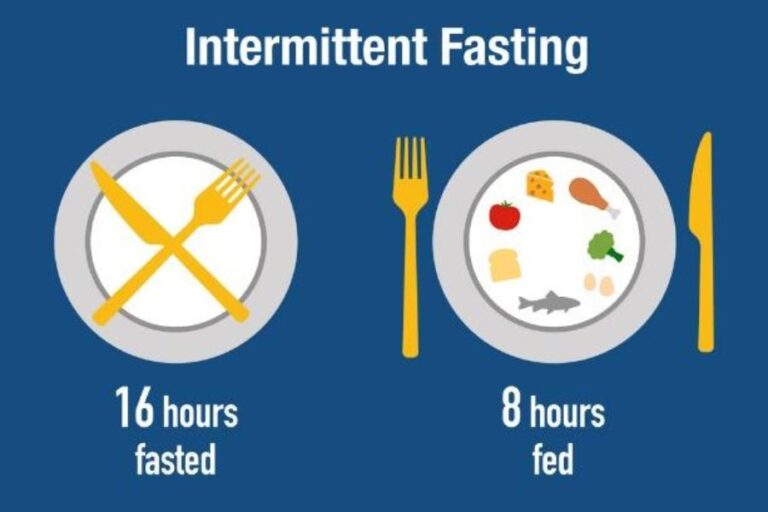
Intermittent fasting is an eating pattern where you cycle between periods of eating and periods of not eating. Instead of focusing on exactly what you eat, intermittent fasting focuses on when you eat. You might, for example, eat all your meals within an 8 hour window, then fast for the remaining 16 hours of the day.
According to Johns Hopkins Medicine, intermittent fasting alternates regular eating with fasting on a schedule and may help you manage weight and reduce the risk of certain diseases (Johns Hopkins Medicine). The fasting period is not complete deprivation of fluids. You usually drink water and other calorie free beverages like black coffee or plain tea.
In practice, intermittent fasting can be as simple as finishing dinner earlier and delaying breakfast, or as structured as designated fasting days during the week. The right version for you depends on your lifestyle, health, and goals.
How intermittent fasting differs from traditional diets
Most traditional diets tell you to:
- Eat fewer calories
- Avoid certain foods or food groups
- Track portions or points
Intermittent fasting approaches things differently. It:
- Emphasizes timing instead of strict food lists
- Can simplify your routine by reducing the number of daily meals
- Often pairs well with a balanced, whole foods way of eating
You still need nutritious food choices, but many people find that working within a time window feels easier than counting every calorie.
Learn about common intermittent fasting methods
There is no single way to practice intermittent fasting. Several patterns are widely used and studied. You can think of them as different “schedules” that you might try.
Time restricted eating (daily fasting windows)
Time restricted eating means you eat every day, but only within a certain window.
Some popular options include:
-
12/12 method
-
Fast for 12 hours, eat within a 12 hour window
-
Example: Eat from 7 a.m. to 7 p.m., then fast overnight
-
Often suggested as a gentle place to start for beginners (University of Michigan)
-
14/10 method
-
Fast for 14 hours, eat within a 10 hour window
-
Example: Eat from 9 a.m. to 7 p.m.
-
16/8 method
-
Fast for 16 hours, eat within an 8 hour window
-
A very common choice is eating between 12 p.m. and 8 p.m.
-
Johns Hopkins and other sources describe this as one of the most popular schedules, and it is often used in studies (Johns Hopkins Medicine)
During the fasting period, you typically consume only:
- Water
- Black coffee
- Plain tea
- Other zero calorie drinks
5:2 intermittent fasting
The 5:2 method changes your intake on specific days of the week:
- You eat normally on 5 days.
- On the other 2 nonconsecutive days, you reduce your calories to about one small meal, often around 500 to 600 calories total.
Johns Hopkins describes this pattern as one of the main intermittent fasting approaches that has been researched (Johns Hopkins Medicine).
Alternate day fasting and full day fasts
Some methods use full or nearly full fasting days:
-
Alternate day fasting (ADF)
-
You eat your usual calories one day.
-
The next day you cut your calories to roughly 30 percent of normal intake.
-
You continue alternating like this throughout the week (MDVIP).
-
Full day fasting patterns
-
Examples include eating normally five or six days per week and greatly restricting calories or not eating at all on one or two days.
-
These approaches can be more intense and are not right for everyone.
One meal a day (OMAD)
The OMAD method involves:
- Eating one large, nutrient dense meal in about a 1 hour window
- Fasting with only zero calorie drinks the remaining 23 hours
This is a strict form of intermittent fasting and can be difficult to maintain. It is especially important to talk with your doctor before trying OMAD, because it concentrates your entire day’s nutrition into a short period (MDVIP).
Understand how intermittent fasting works in your body
To understand how intermittent fasting may help with weight loss and health, it helps to know what happens in your body when you stop eating for a period of time.
Metabolic switching and fat burning
After you eat, your body:
- Breaks down food into sugars, fats, and amino acids.
- Uses some of that sugar (glucose) for immediate energy.
- Stores extra energy as glycogen in your liver and muscles or as fat in your body.
When you do not eat for several hours, your body:
- Uses up the stored glycogen in your liver.
- Then shifts to burning stored fat for energy.
This shift from using sugar to using fat is called metabolic switching. Neuroscientist Mark Mattson at Johns Hopkins explains that many people who eat frequently do not give their bodies a chance to make this switch, so fat burning is limited (Johns Hopkins Medicine). Intermittent fasting creates longer gaps between meals, which encourages this fat burning state.
Cellular repair and stress response
Research suggests that fasting triggers several processes in your cells. For example, the Mayo Clinic notes that intermittent fasting can lead to changes related to:
- How your cells use and store energy
- Cellular repair and maintenance
- How your body responds to stress at the cellular level (Mayo Clinic)
These changes may help improve some health markers in the short term. However, experts point out that the long term effects are not fully understood yet.
Appetite and hormones
Intermittent fasting also interacts with hormones that influence:
- Hunger and fullness
- Insulin levels and insulin sensitivity
- How your body stores fat
Some research suggests that fasting can improve insulin sensitivity and may help regulate appetite over time, which can support weight management. At the same time, there is also a strong biological drive to eat more after a fast, which you will read about in the side effects section.
Explore potential benefits of intermittent fasting
People are often drawn to intermittent fasting for weight loss, but potential benefits go beyond the number on the scale. Keep in mind that most research is short term and often involves small groups, so you should see these as possibilities rather than guarantees.
Weight loss and body composition
Intermittent fasting may help you lose weight and reduce body fat because it:
- Naturally reduces the number of hours available to eat, which can lead to lower calorie intake
- Encourages metabolic switching, which helps your body draw on stored fat for fuel
- May help regulate appetite for some people, so snacking and overeating decrease
Healthline notes that several intermittent fasting schedules, including 16/8, have been linked to weight loss and improvements in metabolic health by creating a calorie deficit and affecting appetite regulation (Healthline).
Metabolic and heart health
Research summarized by Johns Hopkins reports that intermittent fasting is associated with:
- A leaner body
- Better regulation of blood sugar
- Protection against conditions such as type 2 diabetes and heart disease in some studies (Johns Hopkins Medicine)
Healthline and other sources also mention potential improvements in:
- Insulin sensitivity
- Blood pressure
- Certain markers of heart disease risk (Healthline)
The Mayo Clinic notes that intermittent fasting can lead to cellular changes that may improve some health markers, at least in the short term (Mayo Clinic).
Brain health and longevity
According to research discussed by Johns Hopkins, intermittent fasting has been linked in studies to:
- A sharper mind
- Protection against neurodegenerative diseases in some animal and early human research
- Possible increases in lifespan (Johns Hopkins Medicine)
Scientists believe this may be connected to the way fasting affects cellular repair, inflammation, and stress responses, but more research is needed, especially in humans over longer periods.
Convenience and lifestyle fit
Healthline points out that intermittent fasting can be a sustainable lifestyle change for some people because it:
- Reduces the number of meals you plan and prepare
- Does not require special foods or constant calorie counting
- Can fit into different daily routines if you adjust the eating window (Healthline)
For example, if you prefer larger meals and dislike constant snacking, eating within an 8 or 10 hour window might feel natural and less restrictive than a traditional diet.
Be aware of risks and side effects
While intermittent fasting is considered safe for many healthy adults, it is not risk free and it is not appropriate for everyone. Before you choose a fasting schedule, you should understand the possible downsides.
Common short term side effects
Several sources, including the Mayo Clinic, Healthline, and Harvard Health, describe similar short term side effects, especially in the first days or weeks:
- Increased hunger
- Headaches, often mild to moderate and felt in the front of the head (Healthline)
- Fatigue or low energy (Mayo Clinic)
- Irritability or mood changes such as crankiness and anxiety
- Dizziness or lightheadedness
- Difficulty concentrating
- Digestive issues such as indigestion, diarrhea, nausea, bloating, or constipation (Healthline)
Headaches may relate to both low blood sugar and caffeine withdrawal if you drink less coffee than usual while fasting (Healthline).
Dehydration and electrolyte loss
When you start fasting, your body may excrete more water and salt through urine. If you do not replace those fluids, you can become dehydrated. Healthline notes that dehydration is a known risk and that you should pay attention to your fluid and electrolyte intake when you fast (Healthline).
MDVIP also stresses that hydration needs extra attention when fasting because reduced food intake can mean fewer fluids overall (MDVIP).
Overeating and unhealthy patterns
Harvard Health highlights that your body has a strong biological drive to eat more after fasting periods. Appetite hormones and the brain’s hunger centers become very active, which can:
- Make you more likely to overeat after a fast
- Encourage cravings for high calorie, less nutritious foods
- Lead to unhealthy cycling between strict restriction and overeating
- Potentially slow your metabolism over time if the pattern becomes extreme (Harvard Health)
If you notice yourself regularly bingeing after fasts, intermittent fasting may not be the right approach for you.
Possible long term concerns
The long term safety of intermittent fasting is still being studied. The Mayo Clinic explains that many current studies are short term and often include relatively small groups of younger adults, so it is not yet clear how fasting affects health in the long run or in older populations (Mayo Clinic).
Some research discussed by the Mayo Clinic suggests that:
- General calorie restriction might provide similar benefits to intermittent fasting.
- Certain fasting patterns, such as 16 hours of fasting followed by an 8 hour eating window, might increase heart disease risk compared to other fasting styles in some groups (Mayo Clinic).
Harvard Health also raises concerns for:
- Older adults who are already at low body weight, because further loss can harm bones, the immune system, and energy levels
- People on certain medications that can be affected by long fasting periods (Harvard Health)
Know who should avoid intermittent fasting
Intermittent fasting is not recommended for everyone. Experts at the University of Michigan and Johns Hopkins note that fasting may be unsafe for certain groups (University of Michigan, Johns Hopkins Medicine).
You should avoid intermittent fasting or only consider it under close medical supervision if you:
- Are pregnant or breastfeeding
- Have a history of eating disorders
- Have advanced diabetes or take medications that strongly affect blood sugar
- Take medications that must be taken with food to protect your stomach
- Have certain heart conditions or blood pressure issues
- Have a low body weight or are frail, especially as an older adult
- Have medical conditions that make fasting risky or that require regular meals
- Need to coordinate meals around physical labor or shift work in a way that fasting would disrupt
The Mayo Clinic adds that fasting may also disturb menstrual cycles in some people and can complicate diabetes management (Mayo Clinic).
Before you start intermittent fasting, especially if you have any medical condition or take prescription medications, it is important to speak with your doctor. They can help you decide whether fasting is safe for you and which schedule, if any, might fit your health needs.
Choose the right intermittent fasting style for you
If you and your doctor decide that intermittent fasting is appropriate, your next step is choosing a practical schedule. The best pattern for you is the one you can maintain without harming your health or your relationship with food.
Consider your daily routine
Ask yourself:
- When do you naturally feel most hungry?
- What are your work hours and family responsibilities?
- Do you usually eat late dinners or early breakfasts?
- How often do you have social meals or events in the evening?
You might find that:
- A 12/12 or 14/10 schedule fits if you like breakfast and dinner and want a gentle starting point.
- A 16/8 schedule works if you are comfortable skipping an early breakfast and eating your first meal around midday.
- The 5:2 approach might suit you if you prefer regular daily eating but can handle two lower calorie days.
Start with the least restrictive option
Several experts advise beginners to work up gradually. The University of Michigan suggests starting with a 12 hour fast and then increasing the fasting period slowly as your body adjusts (University of Michigan).
A realistic progression might look like this:
- Begin with 12 hours of fasting overnight, such as 7 p.m. to 7 a.m.
- If you feel well after a week or two, shift to 13 or 14 hours.
- If that still feels manageable, consider moving toward 16/8, stopping if you notice concerning side effects.
More extreme patterns, like alternate day fasting or OMAD, are usually not necessary for most people and can increase the risk of side effects.
Eat well during your eating window
Intermittent fasting is not a free pass to eat anything you want during your eating window. The quality of your food still matters for weight loss, energy, and overall health.
The University of Michigan emphasizes that you need to maintain nutritious food choices while you fast for best results (University of Michigan). Healthline agrees that intermittent fasting works best when paired with a balanced, whole foods diet and limited ultra processed foods (Healthline).
Focus on nutrient dense meals
Aim to build meals around:
- Vegetables and fruits in a variety of colors
- Whole grains like oats, brown rice, quinoa, and whole wheat
- Lean proteins such as fish, poultry, beans, lentils, tofu, and eggs
- Healthy fats from nuts, seeds, avocados, and olive or canola oil
This type of eating pattern:
- Supports steady energy between meals
- Helps control hunger, especially when you include protein and fiber
- Provides vitamins and minerals that support your immune system and metabolism
Avoid “make up” eating
Because you may feel hungrier during your eating window, it can be tempting to:
- Eat very large portions
- Rely on high sugar, high fat snack foods
- Constantly graze until the window closes
This can erase any calorie reduction and may lead to weight gain or digestive discomfort. Harvard Health points out that overeating on non fasting periods is a real risk and can create unhealthy cycles (Harvard Health).
To prevent this, try to:
- Eat slowly and notice when you start to feel full.
- Plan balanced meals instead of improvising when very hungry.
- Avoid skipping your last meal in the window, because extreme hunger later may lead to overeating the next day.
Make intermittent fasting more comfortable
Your first days of intermittent fasting may feel challenging. A few simple habits can make the transition smoother.
Hydrate throughout the day
To reduce dehydration and headaches:
- Drink water regularly, not just when you feel thirsty.
- Consider herbal tea or sparkling water during your fasting window if plain water gets boring.
- Be cautious with caffeinated drinks, which can increase fluid loss.
Healthline notes that the body may flush more water and salt when you begin fasting, which is why you need to pay attention to fluid intake (Healthline).
Plan your meals ahead of time
When you first start fasting, it helps to:
- Decide in advance what you will eat when your window opens.
- Prepare or partially prepare meals ahead, especially for busy days.
- Keep nutritious snacks available, such as nuts, yogurt, or cut vegetables, so you are not tempted to break your fast with only sweets or fast food.
Ease into movement and workouts
Exercise can pair well with intermittent fasting, but you may feel weaker or lightheaded in the beginning. To stay safe:
- Start with light to moderate activity such as walking or gentle strength training.
- Pay attention to how you feel when you exercise while fasting.
- Adjust your workout time so that it falls within or close to your eating window if fasting workouts leave you dizzy or overly fatigued.
If you take medications, especially for blood sugar or blood pressure, talk to your doctor before changing your exercise or fasting routines.
Know when to stop or adjust
Intermittent fasting is a tool, not a requirement. It should not make you feel constantly unwell. Pay close attention to your body’s signals.
You should stop fasting and talk with a healthcare provider if you:
- Feel faint, dizzy, or short of breath on a regular basis
- Have persistent or severe headaches
- Notice strong mood changes, anxiety, or depressive symptoms
- Experience disordered eating thoughts or feel out of control with food
- Have ongoing digestive problems such as pain, vomiting, or prolonged constipation
- See unwanted weight loss that leaves you feeling weak or ill
Mayo Clinic and Harvard Health both caution that fasting is not a good fit for everyone and that it can be dangerous if you have certain health conditions or take specific medications (Mayo Clinic, Harvard Health).
If your schedule, stress level, or health changes, you can:
- Return to a shorter fasting window, such as 12/12.
- Switch from a 16/8 pattern to a milder 14/10 or regular three meals per day.
- Pause intermittent fasting completely and focus on a balanced diet without time limits.
Key takeaways
- Intermittent fasting is an eating pattern that focuses on when you eat instead of specific foods or calorie counts.
- Common methods include daily time restricted windows like 12/12 or 16/8, the 5:2 pattern, alternate day fasting, and, for some, more intensive approaches such as OMAD.
- Fasting encourages your body to switch from using stored sugar to burning fat and may support weight loss and improvements in certain health markers, although long term effects are still being studied.
- Short term side effects can include hunger, headaches, fatigue, irritability, and digestive changes, and there is a risk of dehydration and overeating after fasts.
- Intermittent fasting is not safe for everyone, including people who are pregnant, have certain medical conditions, take specific medications, or have a history of eating disorders.
- For best results, you should pair intermittent fasting with a nutritious, whole foods diet and listen closely to your body.
If you are curious about using intermittent fasting for weight loss or better health, discussing it with your doctor is a smart first step. Together, you can decide whether this style of eating fits your body, your goals, and your daily life.
About the Author