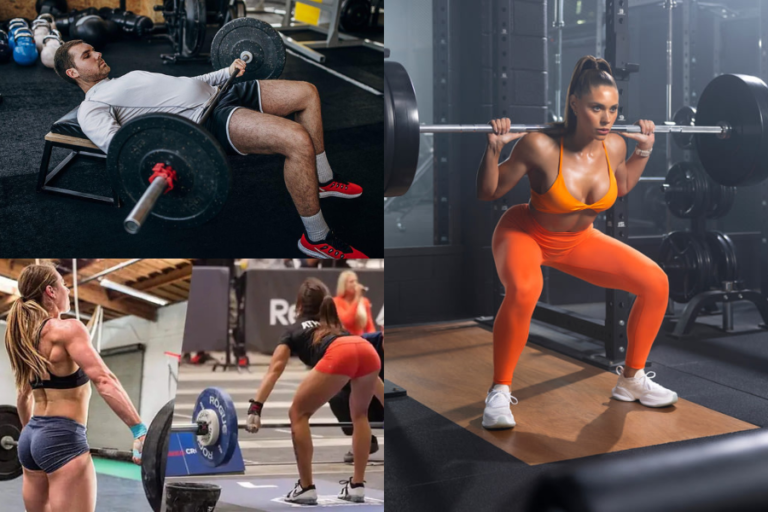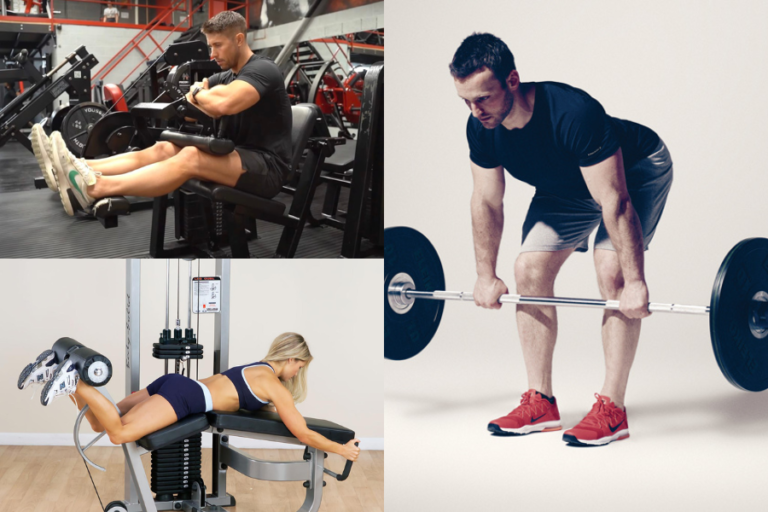
A strong, defined lower body does not come from random leg days. An effective advanced quad workout challenges your muscles with smart exercise choices, strategic volume, and careful attention to recovery so you can build size and strength without burning out your knees.
Below, you will find how to structure your training, which advanced quad exercises to use, and how to progress them safely as an experienced lifter.
Understand your quadriceps
To get more from your advanced quad workout, it helps to know what you are actually training.
Your quadriceps are a group of four muscles on the front of your thigh: the vastus lateralis, vastus medialis, vastus intermedius, and rectus femoris. The rectus femoris is often the one that gets strained during sprinting and kicking, so you want to load it carefully and progressively, especially if you play explosive sports like soccer or basketball.
These muscles extend your knee and, in the case of the rectus femoris, also help flex your hip. Deep squats, leg presses with your knees close to your chest, and knee extension movements all load the quads heavily, which is why you feel that deep burn on hard leg days.
Set up your training guidelines
An advanced quad workout is not just about picking the hardest exercise you can find. It is about consistent structure across the week.
For hypertrophy and strength you will usually get the best results when you:
- Train quads 2 times per week
- Use at least 2 quad-focused exercises per session
- Perform 3 to 4 hard sets per exercise in the 8 to 12 rep range
This adds up to roughly 10 or more working sets for quads per week, which is a solid target for muscle growth as long as you train close to failure with good form.
More advanced programming can go as high as 2 to 5 quad sessions per week at minimum effective volume to maximum recoverable volume levels, adjusting frequency based on how you recover and how your joints feel. Rotating exercises such as squats and leg presses across the week helps you push the muscles hard without beating up your spine or knees every session.
Warm up and prevent injuries
Advanced leg work puts a lot of stress on the knee joint and surrounding soft tissues. Skipping your warm up is one of the quickest ways to pick up a quad strain.
Spend at least 8 to 10 minutes preparing:
- Light cardio for 3 to 5 minutes to raise your heart rate.
- Dynamic leg swings, bodyweight squats, and lunges for 3 to 5 minutes.
- One or two warm up sets with your first quad exercise, gradually increasing load.
Mobility work is worth the time too. Tight or stiff quadriceps are more prone to strains, especially when you squat deep or sprint often. Regular quad and hip flexor stretching plus soft tissue work helps you maintain range of motion.
If you have a history of knee or quad issues, a supportive knee brace can add extra stability during high stress training or while you return from injury. For example, a brace like the Ascender is designed to unload up to 40 pounds while weighing under 1 pound, which can reduce strain on the joint during heavy work.
Choose the right volume and intensity
Because you are already experienced, you do not need endless exercises in one session. Research based guidelines suggest:
- 1 to 3 quad exercises per session
- 2 to 5 different quad exercises in your weekly rotation
This gives you enough variety to hit the muscles from different angles without wasting time on tiny variations that do not add much.
In terms of loading, a mix of heavy, moderate, and light sets works best:
- Heavy sets: 5 to 10 reps
- Moderate sets: 10 to 20 reps
- Light sets: 20 to 30 reps
A practical rule is to keep about 50 percent of your weekly working sets in the moderate range. This middle ground balances stimulus and fatigue and recruits a wide spectrum of muscle fibers.
Periodize your quad training
Even advanced lifters cannot push hard all the time. Planning your training in mesocycles helps you avoid stalls and injuries.
A simple structure looks like this:
- Accumulation phase: 3 to 12 weeks, gradually increase total sets, frequency, and sometimes load. Work up to 3 or 4 quad sessions per week if you recover well.
- Deload week: 1 week of reduced volume and or intensity to let your joints and connective tissue catch up.
During accumulation, you might add a set here and there, deepen your range of motion, and push closer to failure. During the deload you pull back on all those factors so your next block starts with fresh legs and a stronger base.
Use proven advanced quad exercises
Many movements can train your quadriceps, but some stand out for experienced lifters because they combine heavy load, deep range of motion, and strong quad bias.
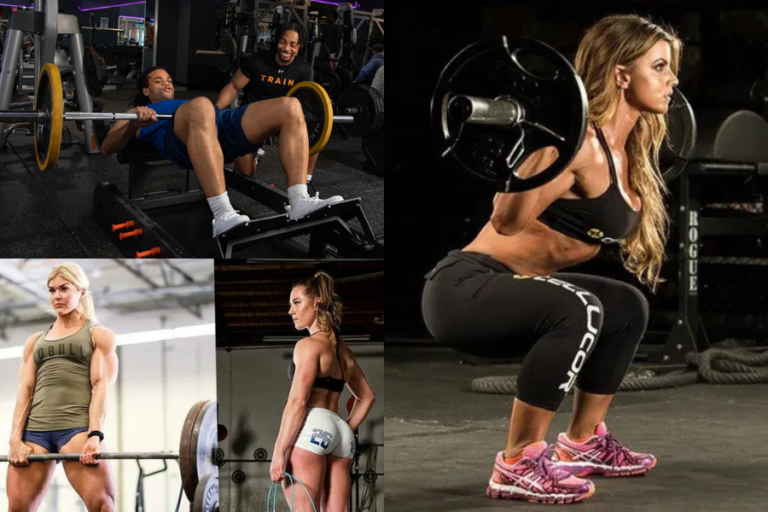
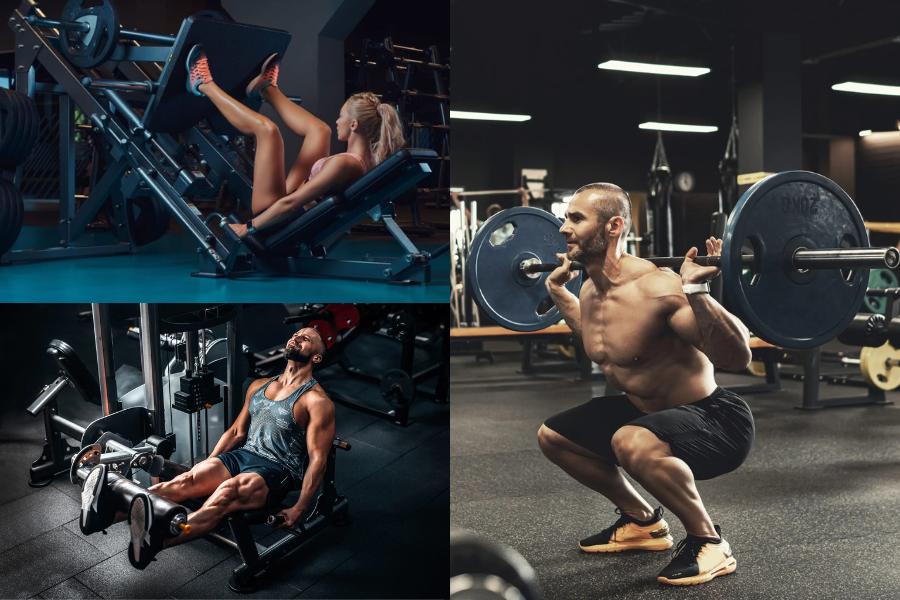
Barbell front squat
Holding the bar on the front of your shoulders forces your torso to stay more upright. This increases knee bend and shifts the emphasis onto your quads compared to back squats.
Start with lighter weights than you would use on back squats and focus on:
- Elbows high and chest up
- Controlled descent until your thighs are at least parallel
- Driving your knees forward while staying balanced over mid foot
This lift is a powerful choice when you want serious quad loading without as much hip dominance.
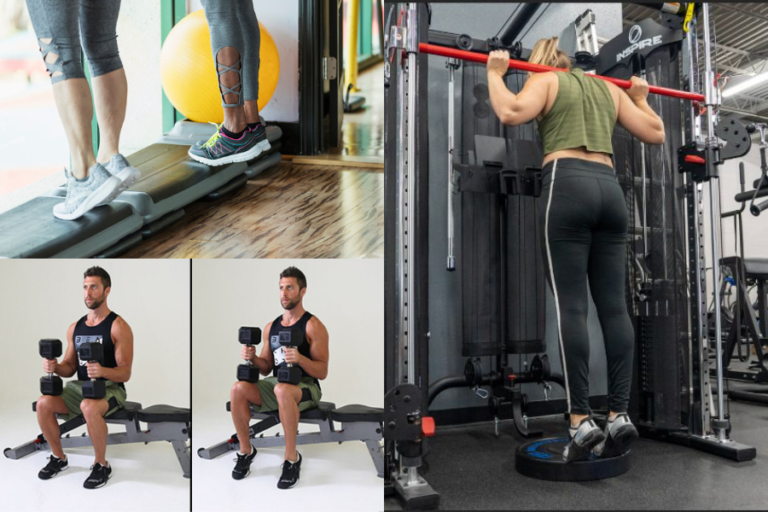
Heel elevated goblet squat
Also called a cyclist squat, this variation lets you sink deeper into the bottom position by raising your heels on a plate or slant board.
Elevating your heels 3 to 4 inches:
- Increases knee flexion and puts more demand on the quads
- Reduces the need for high ankle mobility
- Targets more muscle fibers in the vastus medialis, the inner teardrop muscle
Hold a dumbbell at your chest, stay tall, and let your knees travel over your toes. This is an excellent option at higher reps when you want a deep quad burn with less spinal loading.
Hack squat
On a hack squat machine, your upper body is supported, which allows you to focus on driving through your quads without worrying about balance.
You can bias different parts of the thigh based on foot placement:
- Lower on the platform and slightly wider stance for more quad and inner thigh
- Lower and closer stance for more outer quad emphasis
Go as deep as you can without your pelvis tucking underneath at the bottom. That posterior pelvic tilt, often called a butt wink, can increase stress on your lower back if you force range you do not have.
Sissy squat
The sissy squat is one of the most advanced bodyweight quad exercises you can do. You rise onto your tiptoes, drive your knees forward over your toes, and lean your torso back so your hips contribute very little.
Because the movement removes the hips, you get almost pure quad tension. To learn it safely:
- Start with a resistance band or support to hold on to for balance
- Control the lowering phase and avoid bouncing
- Progress to bodyweight only, then eventually to smith machine variations
You will feel these in the middle of your thighs after only a few slow sets.
Leg extension
Leg extensions target the rectus femoris and let you load the quads without involving the hips.
Advanced lifters often like to:
- Lean slightly back in the seat
- Use relatively low reps with high intensity
- Squeeze hard at the top for a brief pause
This is also a useful tool for pre exhausting your quads before you move to heavy compound lifts. Just keep an eye on your knee comfort and avoid jerking the weight up.
Unilateral quad work
Single leg variations help you fix imbalances and build stability. To make them more quad focused, keep an upright torso and let your knee travel forward.
Good options include:
- Bulgarian split squats, with the rear foot elevated and the front foot slightly raised on a plate to increase range of motion
- Front foot elevated split squats, which use a small platform to allow deeper knee flexion and more quad activation
You can often use lighter loads on these and still get a strong stimulus, which is easier on your back but not on your legs.
Sample advanced quad workout
Here is a structured advanced quad workout you can plug into your training. Adjust loads to your level and rest 90 to 120 seconds between sets unless noted otherwise.
- Leg extensions
- 3 sets of 10 to 15 reps
- Focus on controlled tempo and strong contractions
- Barbell front squats
- 4 sets of 6 to 10 reps
- Use a full range of motion that you can control
- Hack squats
- 3 sets of 10 to 15 reps
- Choose a foot position that feels secure on your knees
- Bulgarian split squats
- 3 sets of 8 to 12 reps per leg
- Upright torso, front knee tracking over toes
For an extra challenge, you can occasionally use a mechanical dropset structure in a separate session. For example, perform five rounds with two minute rests of:
- 10 dumbbell or kettlebell front squats
- 20 front foot elevated reverse lunges
- 30 heel elevated goblet squats
The order moves from more mechanically demanding to slightly easier positions, which lets you push the quads to high levels of fatigue in a controlled way.
Aim to keep at least 48 hours between hard quad sessions to allow proper recovery and growth.
Train through rehab and return stronger
If you have had a quad strain, you should not simply rest it until it feels normal and then jump back into maximal loading.
Evidence cited in 2026 suggests that athletes who began structured rehab 2 days after injury, instead of waiting 9 days, returned to sport about 3 weeks earlier without a higher reinjury rate. Early but careful loading seems to matter.
Effective quadriceps rehab usually includes:
- Early isometric work like quad sets that you can tolerate at pain levels under 4 out of 10
- Progression to heavier isolated movements and then compound lifts as symptoms improve
- Acceptance of mild discomfort up to 4 out of 10 during rehab exercises, which has been associated with about 15 percent greater strength at return to play and 2 months later compared to strictly pain free approaches
As you advance through later rehab stages, exercises such as knee extension machine training, anterior step downs on a wedge, Bulgarian split squats, and front squats with kettlebells help you rebuild strength and explosive function for running and jumping.
If you are coming back from injury, plan your advanced quad workout with a physical therapist or sports medicine professional and move forward only when your strength, control, and pain levels allow.
Put it all together
An effective advanced quad workout is not about endlessly chasing soreness. It is about:
- Training your quads at least twice per week with focused volume
- Mixing heavy, moderate, and light sets so you hit all muscle fibers
- Using deep range of motion in movements such as front squats, heel elevated goblet squats, and hack squats
- Including unilateral work and high tension isolation exercises
- Respecting warm ups, mobility, and structured rehab if you are coming back from a strain
Pick two or three of the exercises above for your next leg day, follow the set and rep guidelines, and commit to progressing them for the next 6 to 8 weeks. With consistent effort and smart programming, your quads will respond.
About the Author