Understand the intermittent fasting results timeline
When you start intermittent fasting, it is natural to wonder how long it will take before you see results. The intermittent fasting results timeline is not the same for everyone, but research gives you a useful range for what to expect week by week.
Intermittent fasting is more than just skipping breakfast. When you extend the time between your meals, your body moves from burning mainly glucose to tapping into stored fat for energy. This shift, often called the metabolic switch, usually begins after about 12 hours without food (familydoctor.org).
Below, you will see how that switch unfolds over days, weeks, and months so you can track your progress with realistic expectations instead of guesswork.
What happens in your body when you fast
Before you look at a timeline, it helps to understand the stages your body cycles through when you fast. Researchers often describe several phases with distinct changes in blood sugar, hormones, and fuel use (Healthline).
Key fasting stages
-
Fed state, 0 to about 3 hours after eating
Your body is busy digesting. Blood sugar and insulin are higher, and you are mainly burning the carbs from your last meal. -
Early fasting state, roughly 3 to 18 hours after eating
Blood sugar and insulin start to fall. Your body shifts toward breaking down stored glycogen in your liver for energy and begins to increase fat breakdown, also called lipolysis (Healthline).
This is the window you enter with common patterns like 16:8 or 18:6. -
Fasting state, about 18 hours to 2 days
Glycogen stores get low. Your body relies more on fat and some protein for fuel and begins making ketone bodies. You can move toward ketosis in this phase, although the exact timing varies by person, diet, and activity level (Healthline). -
Long term fasting, around 48 hours and beyond
This is a starvation state where ketosis deepens and there is more risk of muscle breakdown. Medical supervision is strongly advised for fasts this long (Healthline).
Intermittent fasting methods usually keep you in the first three phases. You use enough fasting to encourage fat burning without staying so long in a fasting state that you risk starvation mode or nutrient issues.
Common intermittent fasting schedules and how they differ
Your intermittent fasting results timeline depends heavily on the schedule you choose. Some patterns are gentle and daily, while others involve full or partial fasts on certain days.
Popular intermittent fasting methods
According to guidance from family physicians, some of the most common approaches include (familydoctor.org):
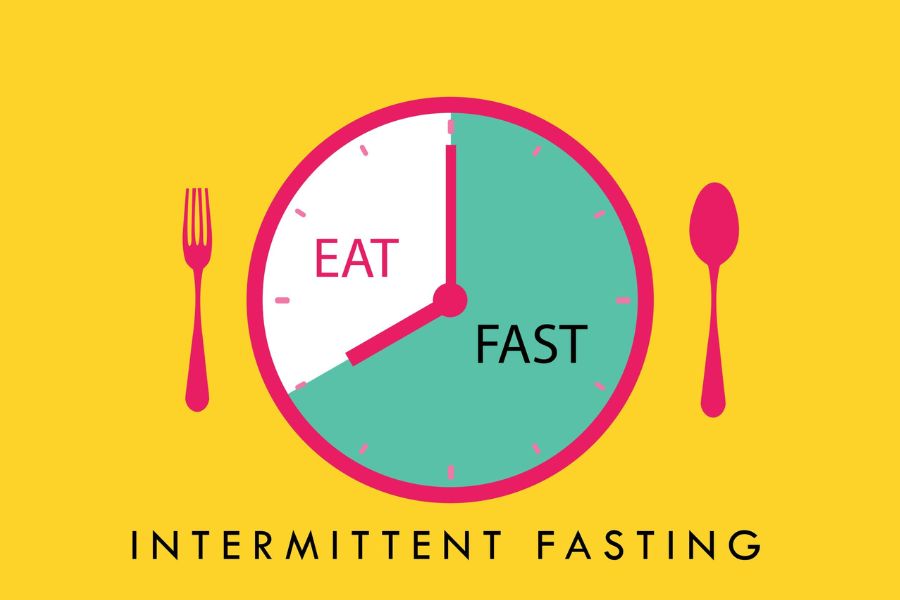
- 16:8
You fast for 16 hours and eat within an 8 hour window each day, for example from 10 a.m. to 6 p.m. - 18:6
Similar to 16:8 but with a 6 hour eating window, such as 11 a.m. to 5 p.m. - Alternate day fasting
You alternate between a fasting day of about 24 hours and a normal eating day. - 5:2 method
You eat normally 5 days a week and limit calories on 2 nonconsecutive days.
Each method may produce results on a slightly different schedule, but across human studies most intermittent fasting plans lead to statistically significant weight loss of roughly 1.3 percent to 8.0 percent over 2 weeks to 8 weeks or longer (NIH – PMC).
Intermittent fasting results timeline: what to expect
You will likely feel some effects from intermittent fasting within days, but measurable results usually take longer. Based on clinical and observational research, you can use the timeline below as a general guide.
First 24 to 48 hours: early shifts
Within your first fasting periods, your body begins relying more on stored energy. The metabolic switch from glucose to fat as the main fuel generally starts after about 12 hours of not eating (familydoctor.org).
During a 16 hour fast, for example:
- Around 4 to 16 hours after your last meal, you move into a catabolic phase, using glycogen as your main fuel and gradually increasing fat burning (Dr. Alexis Shields).
- Between roughly 16 and 24 hours, fat burning ramps up further and cellular cleanup processes like autophagy begin to increase (Dr. Alexis Shields).
You might not see the scale change yet, but you are training your metabolism to use fuel more flexibly.
Days 1 to 7: adjustment and first subtle changes
In your first week, the focus is mostly on adaptation. According to familydoctor.org, your body needs at least 12 hours of fasting to switch toward fat as a primary energy source, and it often takes longer for that shift to feel natural (familydoctor.org).
During this period you may notice:
- Hunger and cravings as your usual meal patterns change
- Headaches, irritability, or fatigue especially in the first few days
- Digestive changes such as less bloating or eased IBS symptoms for some people on 16:8 (DrRuscio.com)
These early side effects often improve as your body learns the new rhythm. Staying well hydrated and avoiding very sugary foods in your eating window can help.
Weeks 2 to 4: your body starts to adapt
Most people begin to settle into their intermittent fasting routine between weeks 2 and 4. Familydoctor.org notes that this is the typical window for your body to adjust to the new eating schedule and for you to start noticing or feeling results, including potential weight loss and health improvements (familydoctor.org).
In this phase, you may observe:
- Modest weight loss as your average calorie intake drops and fat burning becomes more efficient
- Early improvements in insulin sensitivity and markers of inflammation with 16:8 style plans (DrRuscio.com)
- Easier fasting periods with fewer headaches and less intense hunger than week 1
Human time restricted feeding studies lasting 2 to 8 weeks have shown weight loss in the range of about 1.3 percent to 4.1 percent of body weight, along with some improvements in fasting glucose and cholesterol levels (NIH – PMC). Your personal numbers can be higher or lower, but this gives you a reasonable expectation.
Months 2 to 6: more consistent progress
With consistent intermittent fasting over several months, your results typically become more visible. Modified fasting regimens like 5:2 have produced weight loss ranging from about 3.2 percent to 8.0 percent over 8 weeks to 6 months in overweight or obese adults, though effects on insulin and lipids can vary between studies (NIH – PMC).
For daily 16:8 schedules, research up to 2024 suggests that:
- Weight loss often becomes noticeable after a few weeks and continues over a few months
- Metabolic health markers, including insulin sensitivity and inflammation, show further improvement with ongoing practice (DrRuscio.com)
- Some people report sustained digestive benefits, such as reduced bloating, with long term use (DrRuscio.com)
This is where intermittent fasting can shift from a short trial into a lifestyle choice that supports your weight and blood sugar over time.
Beyond 6 months: long term patterns
Longer term intermittent fasting that continues for several months and beyond may support ongoing metabolic health and cellular repair processes, although researchers still need more data to draw firm conclusions about disease prevention over many years (DrRuscio.com).
If you reach this stage, your main questions become:
- Is this schedule still realistic with your life and stress levels?
- Are your weight and lab work stable or still improving?
- Do you feel energized or drained by your routine?
You can adjust your fasting window, take regular breaks if needed, or work with a healthcare professional to fine tune your approach.
When will you see specific benefits?
Not all results appear at the same time. Some happen within days, while others require months of steady practice.
Short term effects you might notice first
Within the first few weeks of intermittent fasting, many people experience:
- Reduced bloating or digestive discomfort on 16:8 style plans (DrRuscio.com)
- Smoother energy across the day once the initial fatigue passes
- Better awareness of true hunger versus snacking out of habit
Studies on time restricted feeding and alternate day fasting lasting up to about 8 weeks report statistically significant weight loss and some improvements in fasting glucose and cholesterol (NIH – PMC).
Medium term benefits over weeks to a few months
With consistent fasting over several weeks to months, research suggests you may see:
- Modest but meaningful weight loss, often noticeable by you and others
- Improved insulin sensitivity and shifts in glucoregulatory markers
- Changes in lipid markers, such as reductions in LDL cholesterol, although results are mixed across studies (NIH – PMC)
Ramadan fasting, which is a form of time restricted eating, offers a natural example. Meta analyses have found average weight loss of about 1.24 kg during the month, with partial regain within two weeks afterward, and reductions in LDL cholesterol and fasting glucose that are sometimes temporary (NIH – PMC).
Longer term benefits with ongoing practice
Over several months of intermittent fasting, your benefits can include:
- Sustained metabolic improvements when combined with a generally healthy diet
- Support for cellular repair processes such as autophagy, which rise during longer fasted periods (Dr. Alexis Shields)
- Potential long term metabolic health support, although more research is needed to define exact disease risk changes (DrRuscio.com)
You do not have to pursue extreme fasts to gain benefits. Most research looks at realistic patterns such as 16:8, 5:2, or alternate day fasting.
How fasting length affects fat burning and ketosis
You might wonder how long you need to fast to actually burn fat or enter ketosis. The answer depends on both the length of your fast and what you eat in your feeding window.
Fat burning during typical intermittent fasts
In protocols like 16:8 or 18:6:
- Between 4 and 16 hours after eating, you gradually use stored glycogen and increase fat use toward the end of this window (Dr. Alexis Shields).
- Between 16 and 24 hours, fat burning becomes more prominent and an energy sensor called AMPK is activated, which supports autophagy and cellular cleanup (Dr. Alexis Shields).
Metabolic shifts toward improved fat burning can appear within the first 24 hours of fasting, and weight changes tend to become noticeable from a few weeks to a few months of consistent practice, depending on your individual factors (DrRuscio.com).
Ketosis timing and what to expect
Ketosis is a deeper state where ketone bodies become a central fuel for your brain and other tissues. Research suggests that:
- Ketosis generally begins between about 24 and 72 hours of continuous fasting (Dr. Alexis Shields).
- Fasting windows shorter than 24 hours usually do not produce full ketosis unless you combine them with a very low carb diet (Healthline).
So if you follow a standard 16:8 schedule while eating moderate carbs, you may not reach deep ketosis, but you can still benefit from recurring periods of lower insulin and greater fat use.
Fasts beyond 72 hours can deepen ketosis and influence hormones like IGF 1, but because of potential side effects, long fasts should only be done under medical supervision (Dr. Alexis Shields).
Why your intermittent fasting results may differ
The intermittent fasting results timeline is not a one size fits all chart. Several factors shape how quickly you see changes.
Personal factors that influence timing
Your results may depend on:
- Starting weight and body composition
Higher starting body fat can sometimes mean faster early weight loss. - Diet quality in your eating window
Highly processed or very high calorie foods may slow or cancel out expected weight loss even if you follow the fasting schedule. - Carbohydrate intake
Lower carb meals before fasting can help you deplete glycogen more quickly and enter fat burning phases sooner (Dr. Alexis Shields). - Activity level
Movement uses stored energy and can encourage better insulin sensitivity. - Sleep and stress
Poor sleep and high stress hormones can affect appetite and metabolic health, which may blunt your progress.
Because of these variables, two people using the same schedule can see very different weekly results on the scale.
Intermittent fasting vs. simple calorie cutting
Overall, human intermittent fasting trials show that most regimens produce weight loss over weeks and months, but they are not clearly superior to continuous calorie restriction when total calories are matched (NIH – PMC).
This means you do not need intermittent fasting to lose weight, but you might find it is a structure that:
- Makes it easier to eat fewer calories without counting every one
- Simplifies your daily routine
- Helps control late night snacking
If intermittent fasting fits your lifestyle, it can be a useful tool. If not, a more traditional balanced calorie reduction can work just as well.
Early side effects and how long they last
During the first 2 to 4 weeks, you will likely experience some adjustment symptoms as your body gets used to longer stretches without food. According to familydoctor.org, common effects include (familydoctor.org):
- Headaches
- Strong hunger
- Irritability or mood changes
- Fatigue or low energy
These effects usually ease once your metabolism adapts to the new pattern, which often happens within that same 2 to 4 week window. Staying hydrated, including enough protein and fiber in your meals, and easing into longer fasts gradually can help this transition feel smoother.
If side effects are intense, persistent, or worrying, you should stop and speak with a healthcare professional.
How to support better intermittent fasting results
You cannot control every factor that affects your intermittent fasting results timeline, but you can stack the odds in your favor with a few practical habits.
Choose your eating window wisely
Evidence suggests that eating earlier in the day may offer better outcomes. Early time restricted eating schedules that start before 10 a.m. have been linked to improved weight loss, blood sugar control, inflammation, and gut microbiota diversity compared with later windows (DrRuscio.com).
You can experiment with:
- A 16:8 window from about 8 a.m. to 4 p.m.
- Or a window from 9 a.m. to 5 p.m.
If your schedule does not allow for such early times, pick the earliest realistic window and keep it consistent most days.
Focus on food quality
Intermittent fasting is a timing tool, not a free pass to eat anything during your window. You will support quicker and more stable results if you:
- Build meals around whole foods like vegetables, fruits, lean proteins, legumes, nuts, and whole grains
- Limit refined sugars and highly processed snacks that spike blood sugar
- Include enough protein and healthy fats to keep you full between meals
This approach helps you naturally reduce overall calories while giving your body the nutrients it needs for repair.
Avoid overly long or extreme fasts
Familydoctor.org cautions that you should avoid fasting for many days in a row, because that can push your body into a starvation state where it starts preserving fat instead of burning it (familydoctor.org).
Unless you are under medical supervision, it is safer to:
- Stick with time restricted eating windows like 14 to 18 hours
- Or use structured approaches like 5:2 or occasional alternate day fasting
- Build in rest days or lighter fasting patterns if you feel overly depleted
The goal is a sustainable routine that supports your health week after week, not the longest possible fast.
When to be cautious or skip intermittent fasting
Intermittent fasting is not right for everyone, and starting it without guidance can be risky in some situations. You should speak with your doctor before trying it, and you may need a different approach if you:
- Have a history of eating disorders or disordered eating patterns
- Are pregnant, breastfeeding, or trying to conceive
- Take medications that must be taken with food or affect blood sugar
- Have diabetes or other chronic health conditions
- Are underweight or recovering from illness or surgery
A professional who knows your medical history can help you decide whether intermittent fasting is suitable and how to structure it safely.
Putting the intermittent fasting results timeline into perspective
When you look at all the data together, a realistic expectation is:
- Within days
You begin shifting more toward fat for fuel during your fasting hours. Early side effects like hunger and headaches can appear. - Within 1 to 4 weeks
Your body adapts to the new eating schedule. Modest weight loss, improved digestive comfort, and better blood sugar control may start to show, especially with a plan like 16:8 (familydoctor.org, DrRuscio.com). - Within 2 to 6 months
Weight loss and metabolic markers often improve more clearly, similar to other calorie reduction methods, with average losses from roughly 1.3 percent to 8.0 percent reported in trials (NIH – PMC). - Beyond 6 months
Intermittent fasting can become a long term lifestyle that helps you maintain weight and support metabolic health, although long term disease prevention effects need further research (DrRuscio.com).
Use this timeline as a guide, not a strict deadline. If you focus on a schedule that feels manageable, choose mostly whole foods, and check in with your body and your doctor, you give yourself a strong foundation for steady, sustainable results from intermittent fasting.
About the Author