Understand what an incline walking workout is
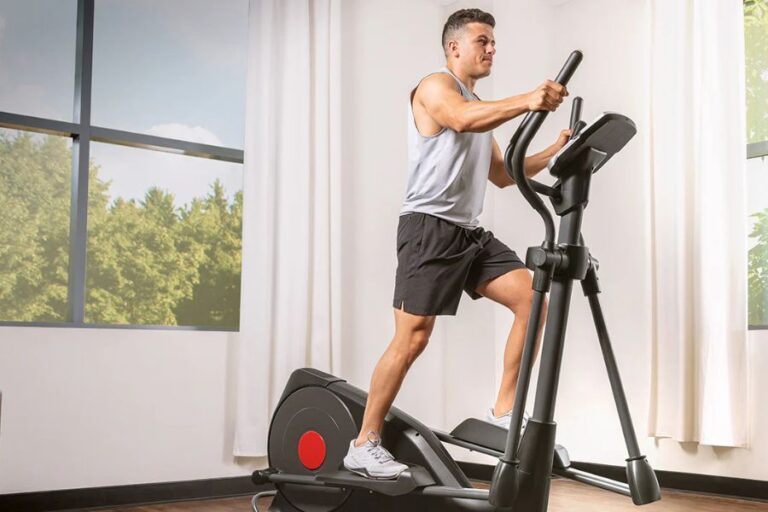
An incline walking workout simply means you walk uphill instead of on flat ground. On a treadmill, you raise the deck to a certain grade, often between 3% and 12%, and keep walking at a steady pace. Outdoors, it can be as simple as choosing a hilly route instead of your usual flat loop.
This small change in slope makes a big difference. When you walk uphill, you work against gravity, recruit more muscles in your legs and glutes, and raise your heart rate faster than on level ground at the same speed (NordicTrack).
In practical terms, that means:
- You burn more calories in the same amount of time.
- You challenge your cardiovascular system more.
- You build strength in your legs and glutes instead of only cruising at an easy pace.
If you already enjoy walking for exercise, learning how to use an incline walking workout is a natural next step for lasting weight loss.
Why incline beats flat walking for fat loss
Compared with flat walking, incline walking:
- Increases energy expenditure substantially. For example, a 5% incline can raise energy use by about 52%, and a 10% incline can more than double it compared with flat walking (NordicTrack).
- Targets more of your posterior chain, including glutes, hamstrings, and calves, which are often underused when you sit a lot (NordicTrack).
- Raises your heart rate more than flat walking at the same speed, which helps your cardio fitness improve more quickly (Healthline).
Walking is already joint friendly. Adding incline lets you keep that low impact feel while nudging your results in a better direction.
Key benefits for lasting weight loss
When you think about weight loss that lasts, you are really thinking about two things: how many calories you can consistently burn, and how well you can stick with your routine over months, not weeks. An incline walking workout helps on both fronts.
Burn more calories in less time
You only have so many minutes in a day. Incline helps you get more out of each one.
- Research shows that walking on slopes between 5% and 12% significantly increases calorie burn compared with flat walking (NordicTrack).
- Hiking with elevation changes burns more calories than brisk walking on level terrain in the same 30 minutes (NordicTrack).
Online tools like the Walking Calorie Calculator let you see how much incline affects your energy expenditure. These calculators factor in your weight, speed, and slope so you can estimate how many calories you burn in each incline walking workout (Omni Calculator, RunBundle).
Target fat while keeping intensity manageable
Running can be hard on your joints and energy levels. Walking, especially at an incline, is easier to recover from and more sustainable. Some evidence suggests that a large share of the calories you burn while walking comes from fat stores, more than during running at higher intensities, which is one reason steady incline walking may be especially friendly for fat loss over time.
Workouts like the popular 12-3-30 routine, which uses a 12% incline at 3 miles per hour for 30 minutes, are challenging yet low impact and can rely heavily on fat for fuel (Healthline, Verywell Health).
Build muscle where it matters
Incline walking is not just about calorie burn. Each step uphill:
- Engages your calves, quadriceps, hamstrings, and glutes more than flat walking (NordicTrack, PureGym).
- Helps strengthen the muscles that support your knees and hips.
- Builds a bit of muscle mass, which can increase how many calories you burn even at rest (Verywell Health).
Over time this can translate into better posture, easier climbing of stairs, and a tighter look through your legs and glutes.
Support your joints instead of stressing them
If you have sensitive knees, ankles, or hips, or you are returning to exercise, impact probably matters a lot to you. Incline walking gives you a way to train your heart and legs without pounding.
- Walking uphill can reduce certain types of knee loading compared with flat or downhill walking (NordicTrack).
- Incline walking is often recommended as a joint smart option for older adults or those with knee or ankle problems (Verywell Health, Healthline).
You still need to increase slowly and listen to your body, but compared with high impact cardio, incline walking tends to be easier to tolerate long term.
Improve cardiovascular health and endurance
An incline walking workout is also a heart workout.
- Walking at higher grades, such as 10% and 16%, raises heart rate significantly more than walking at 0% incline at the same speed (Healthline).
- Incline walking can improve cardiovascular endurance so daily tasks like climbing stairs feel easier over time (Verywell Health).
Consistent walking, whether flat or inclined, is linked to lower cardiovascular risk and mortality, especially when you reach at least around 7,500 to 8,000 steps per day (Omni Calculator). Incline helps you get more benefit from those steps.
Choose the right incline and pace
You do not need to start at a steep mountain grade to see results. Finding the right incline walking workout for your current fitness is the real secret to sticking with it.
General guidelines for incline levels
Think of incline in three broad zones:
-
Gentle incline, about 3% to 5%
Good for beginners and warm ups. It nudges your heart rate up without feeling overwhelming. -
Moderate incline, about 6% to 10%
Ideal for main workout blocks once you have some base fitness. This range gives a strong calorie burn and muscle activation. -
Challenging incline, about 11% to 15% and higher
Best used in short intervals or structured workouts like 12-3-30 if you are already walking regularly.
Research suggests that inclines between 5% and 12% significantly increase calorie burn compared with flat walking (NordicTrack). You can treat this as your long term target range, but there is no need to rush.
Use effort instead of numbers alone
A simple way to dial in your incline walking workout intensity is to use a Rate of Perceived Exertion, or RPE, scale from 1 to 10:
- 1 to 3: very easy, you can talk in full sentences.
- 4 to 5: comfortable but purposeful, you are breathing a little harder.
- 6 to 7: moderately hard, you can talk but prefer shorter phrases.
- 8 to 9: very hard, talking is tough.
- 10: all out effort.
For steady incline walking aimed at fat loss and endurance, try to live mostly around a 6 to 7 out of 10 on this scale (NordicTrack). Adjust your speed and incline so your breathing and effort match that feeling, instead of chasing specific numbers.
Sample incline walking workouts
The best incline walking workout is one you will actually do three to five times per week. Use these sample routines as starting points. Choose the one that feels closest to your current level.
1. Beginner incline routine
Use this if you are new to treadmill walking, returning after a break, or currently walk only on flat surfaces.
Total time: about 20 minutes
- Warm up
- 5 minutes at 0% incline
- Comfortable pace where you can easily hold a conversation
- Main block
- 3 minutes at 3% incline, same pace
- 2 minutes at 0% incline for recovery
- Repeat this 5 minute block two more times
- Total main block time: 15 minutes
If you feel good after a week or two, you can gradually increase the incline in the main block to 4% or 5%, or add another 5 minute block for a longer session.
2. Intermediate fat loss incline workout
Once you can walk comfortably for 30 minutes three or more times per week, try adding a bit more challenge.
Total time: about 35 minutes
- Warm up
- 5 minutes at 0% incline, easy pace
- Main intervals
Repeat the following 4 times:
- 5 minutes at 6% to 8% incline, brisk pace that feels like an RPE of 6 to 7
- 3 minutes at 2% to 3% incline, slower pace for active recovery
- Cool down
- 5 minutes at 0% incline, easy pace
This structure balances strong work periods with recovery so your heart rate comes down between efforts. Over several weeks you can progress by nudging the incline up or shortening the recovery blocks.
3. 12-3-30 style incline walking workout
The 12-3-30 workout became popular because it is simple to remember and fits neatly into a 30 minute block: walk at a 12% incline, at 3 miles per hour, for 30 minutes. Many people use it as their go to incline walking workout because it is challenging but still low impact (Healthline, Today, PureGym).
However, this routine is not ideal as a first step if you are brand new to incline. Build up to it gradually.
A more approachable progression might look like this:
Week 1 to 2
- 10 minutes at 5% to 6% incline, 2.5 to 3 mph
- 2 to 3 times per week
Week 3 to 4
- 20 minutes at 8% to 10% incline, 2.5 to 3 mph
- Include a few minutes at 0% or 2% incline if needed for breaks
Week 5 and beyond
- Work toward the full 12-3-30:
- Set incline to around 10% to start, walk at 3 mph for 20 minutes
- Over time raise incline up to 12% and duration up to 30 minutes, as long as your form stays solid and you do not feel pain
Aim to do a workout like this up to 5 times per week if your body tolerates it and you enjoy it. This frequency helps you meet the recommendation of 150 to 300 minutes of moderate aerobic exercise per week when combined with other activity and a balanced diet (Today).
Practice safe and effective incline walking
Incline walking is lower impact than running, but pushing too hard too quickly can still cause strain, especially through your lower back, hamstrings, Achilles tendons, knees, and feet.
Use these form and safety tips to keep your incline walking workout both effective and sustainable.
Focus on posture and stride
As the incline rises, it is tempting to hunch over and cling to the front of the treadmill. That makes the workout less effective and can stress your neck and back.
Try to:
- Keep your spine neutral with your eyes forward, not staring down at your feet.
- Engage your core gently to support your lower back.
- Take slightly shorter steps at higher inclines to keep balance and reduce overstriding (NordicTrack).
- Swing your arms naturally instead of gripping the rails if you can safely do so.
Holding the handrails occasionally, for example while adjusting speed or incline, is fine. Just avoid leaning your full weight on them for long periods, since that reduces muscle engagement and can distort your posture.
Increase incline and time gradually
For safer progress:
- Start with inclines around 3% to 5% until that feels comfortable (NordicTrack).
- Add only a small change in incline, speed, or time each week, not all three at once.
- Alternate incline and flat walking days to give your muscles, tendons, and joints a chance to adapt and recover.
High incline routines like 12-3-30 can put extra stress on your lower back and lower legs if you jump in too fast or do them daily (Today). If anything feels like sharp pain instead of normal exertion, back off and allow more recovery.
Listen to your body and adjust
During an incline walking workout, you want to feel:
- Your breathing pick up and your heart rate rise.
- A pleasant burn through your leg muscles on steeper segments.
- Mild fatigue afterward, not exhaustion that wipes you out all day.
You do not want consistent:
- Joint pain, especially in knees, hips, ankles, or lower back.
- Numbness or tingling in the feet or legs.
- Strain that worsens with each session instead of fading.
If you notice these warning signs, reduce the incline or total time, or consult a health professional, especially if you have an existing condition.
Turn incline walking into a long term habit
The real power of an incline walking workout lies in consistency. A single uphill session is a good start, but repeated efforts are what change your body and health.
Combine incline with a realistic weekly plan
A simple, sustainable weekly plan might look like:
- 2 days of moderate incline walking, 30 to 40 minutes
- 1 day of more challenging intervals or a 12-3-30 style workout
- 2 days of easy flat walking or light movement
- 2 rest or very gentle days
This kind of mix gives you enough total movement to support weight loss, while spacing out your toughest incline days so you can recover.
Pair your workouts with daily activity
Your planned incline walking workout is only part of your activity picture. You can stack the benefits by:
- Taking stairs instead of elevators when practical.
- Choosing hilly outdoor routes for some of your walks.
- Aiming for at least 7,500 to 8,000 steps most days, which is associated with meaningful health benefits (Omni Calculator).
Those extra steps, especially if some are on an incline, help you maintain a gentle calorie deficit with less focus on intense gym sessions.
Support your workout with simple nutrition
No cardio routine can fully override a consistently high calorie intake, but incline walking does give you more room to work. To help your weight loss last:
- Treat incline walking as one tool for creating a moderate calorie deficit, not an excuse to overeat.
- Prioritize satisfying, protein rich meals so you are less tempted to snack heavily after workouts.
- Stay hydrated before, during, and after your walks.
You do not need a perfect diet. You simply need a pattern you can maintain while your incline walking workouts work quietly in the background.
Bringing it all together
Incline walking is a straightforward way to upgrade a habit you may already have. By shifting from flat to uphill, you increase calorie burn, strengthen your legs and glutes, challenge your heart, and still keep your workouts gentle on your joints.
You can start small with a 3% to 5% incline, a comfortable walking pace, and 20 minutes on the treadmill or a hilly route. Over time, build toward structured routines like interval blocks or the 12-3-30 workout if they suit your body and schedule.
You do not have to do everything at once. Pick one idea from this guide, adjust your next walk, and notice how your body responds. Then, as each new level feels more natural, you can quietly add the next step uphill.
About the Author