A big tub of protein powder can be motivating and confusing at the same time. You want better results from your workouts, but you also do not want to overdo it or waste money. Knowing how much whey protein per day works for you helps you hit your goals without side effects or guesswork.
Below, you will learn how to decide your ideal daily whey intake, how to factor in your current diet and activity level, and when it makes sense to cut back.
Understand what whey protein actually does
Whey protein is a fast-digesting protein that comes from milk. It is rich in essential amino acids, especially leucine, which plays a key role in muscle protein synthesis, your body’s process for repairing and building muscle after exercise.
Research points to a commonly recommended dosage of 1 to 2 scoops per day, usually 25 to 50 grams of whey protein, often taken after workouts to support muscle gain and recovery (Healthline). That range works for many people, but it is only part of the picture.
What matters most for muscle building is your total daily protein intake, not just when you drink a shake. Hitting your protein target through food and supplements across the whole day has a bigger impact on results than perfect shake timing alone (Healthline).
Step 1: Estimate how much protein you need per day
Before you decide how much whey protein per day you should take, you need a rough daily protein target. That target depends on your body size, activity level, and goal.
Start with basic guidelines
For generally healthy adults who are not very active, the Recommended Dietary Allowance for protein is about 0.8 grams per kilogram of body weight, which is around 46 grams per day for women and 56 grams for men (Harvard Health Publishing). This is the minimum to prevent deficiency, not necessarily the ideal amount for building muscle or losing fat.
More specific guidance suggests:
- A person who weighs about 150 pounds (68.2 kg) needs roughly 55 grams of protein per day as a baseline.
- For that same person, 69 to 102 grams per day is often recommended to support muscle building.
- For weight loss, 68 to 82 grams per day can help maintain muscle and support a healthy metabolism (UnityPoint Health).
If you are moderately active and train up to three days per week, some experts suggest going higher, around 2.2 grams of protein per kilogram of body weight for muscle building. For a 200 pound person, this works out to about 200 grams of protein per day (Naked Nutrition).
Highly active people who train four or more days per week often benefit from the higher end of that range, both for recovery and performance (Naked Nutrition).
Spread your protein across the day
Once you know your daily target, it helps to divide it between meals so your body can use it efficiently.
A practical approach is to aim for about 15 to 30 grams of protein at each meal and to avoid more than 40 grams of protein in a single sitting, since going way over that does not appear to provide extra muscle building benefits (UnityPoint Health).
Whey can fit into one or two of those “protein slots” during your day.
Step 2: Decide how much protein should come from whey
Now that you have an overall protein target, you can figure out how much whey protein per day makes sense for you personally.
Use whey to fill the gaps, not replace meals
The simplest way to think about whey is as a backup, not a main source. Start by asking yourself:
- How much protein are you getting from food already?
- Do you regularly miss your target on busy days?
- Are there times when a full meal is not practical, but a quick shake would work?
If you already eat a lot of high quality protein from meat, fish, eggs, and dairy, then adding extra scoops of whey may not give you much added benefit (Healthline). In that case, 0 to 1 scoop might be enough.
On the other hand, if you are struggling to get close to your target, 1 to 2 scoops per day can be a convenient way to close the gap. A review of the research suggests that taking around 25 to 50 grams of whey protein per day can support both muscle gain and weight loss efforts by boosting satiety, metabolism, and muscle preservation while dieting (Healthline).
Combine whey with other protein sources
Whey is fast absorbing, which makes it great around workouts. Pairing it with slower digesting proteins like casein can provide a more steady supply of amino acids. For example, you could use whey after your workout and some casein before bed to help reduce muscle breakdown overnight (UnityPoint Health).
Whole foods should still form the base of your diet. A mix of lean meats, eggs, dairy, legumes, nuts, and seeds will provide not only protein but also vitamins, minerals, and fiber that powders do not have (Harvard Health Publishing).
Step 3: Match your whey intake to your goals
Your reason for using whey protein matters. The ideal daily amount for someone who wants to add muscle is different from someone who is mainly trying to manage weight.
For building muscle and strength
If your main focus is muscle and strength:
- Aim for an overall daily protein intake in the higher range for your body size and activity level.
- Use 1 to 2 scoops per day, or about 25 to 50 grams of whey, to help you reach that total (Healthline).
- Consider having a shake shortly after your workout for convenience. Whey is quickly digested and contains all essential amino acids, which makes it a good fit post exercise (UnityPoint Health).
Studies show that pre and post training whey supplementation can enhance muscle protein synthesis and support recovery when used within an overall balanced diet and training plan (PMC – NIH).
For weight loss and body recomposition
If you are trying to lose weight while maintaining muscle:
- A higher protein intake, around 25 to 30 percent of your daily calories, can support greater weight loss. On a 2,000 calorie diet, that works out to about 150 grams of protein per day (Naked Nutrition).
- Meeting that goal completely from food can be tough. In this case, having 1 to 2 scoops of whey per day can be a simple way to avoid under eating protein.
- Whey protein in the 25 to 50 gram per day range has been shown to help increase feelings of fullness, slightly boost metabolism, and preserve lean mass while you are in a calorie deficit (Healthline).
Just be careful that shakes do not consistently replace nutrient dense meals. A dietitian from UnityPoint Health suggests limiting protein shakes to two 8 ounce servings per day, with three as the maximum, so you do not miss out on the vitamins and minerals that come from regular whole food meals (UnityPoint Health).
Step 4: Choose the right type and dose for your body
Not all whey proteins are the same. How much whey protein per day you can comfortably handle may depend on the type of powder and how your body responds.
Concentrate, isolate, or hydrolysate
Here is a quick way to think about the main options:
- Whey concentrate is usually the most economical and offers the most overall nutritional value from the milk. It still contains some lactose and fat.
- Whey isolate goes through extra processing to remove more lactose and fat. This makes it easier to digest if you are sensitive to lactose.
- Whey hydrolysate is pre broken down into smaller peptides, which can be absorbed quickly and may be easier on some stomachs (Naked Nutrition).
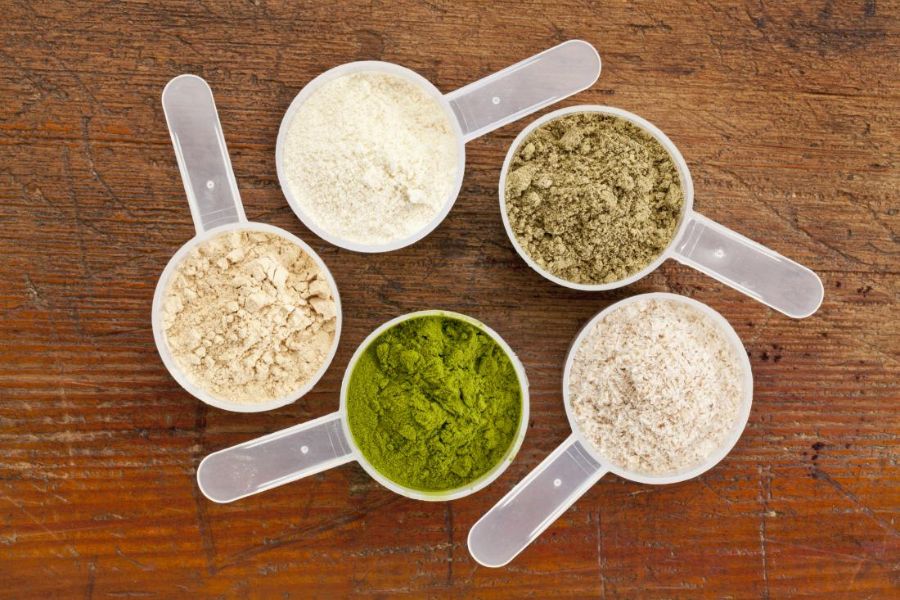
If you have lactose intolerance or often notice gas, bloating, or cramping from standard whey, consider switching to an isolate or hydrolysate or even a non dairy protein powder like pea, soy, egg, rice, or hemp protein (Healthline).
Respect serving sizes and quality
Most protein powder scoops contain around 20 to 30 grams of protein. Higher protein versions are usually aimed at muscle building, and lower protein versions are often marketed for weight loss (Harvard Health Publishing).
It is important to follow the serving instructions on your protein supplement package and not exceed the recommended amount on a regular basis. Over time, taking more than you need does not guarantee better results and may increase the chance of side effects (Healthline).
Quality matters too. Look for powders that are free of unnecessary fillers, large amounts of added sugar, hydrogenated oils, or artificial dyes. Some investigations have found contamination with heavy metals and industrial chemicals like BPA in certain protein powders, sometimes at levels above what is considered safe, so being selective is wise (Harvard Health Publishing).
If you already meet your daily protein needs with whole foods, routine use of protein powders is usually not necessary and may add cost and potential risks without clear added benefit (Harvard Health Publishing).
Step 5: Watch for signs you are overdoing it
Whey protein is generally considered safe for healthy, active people when used in moderate amounts. Still, there are situations where you should be more cautious and symptoms that suggest you are taking too much.
Listen to your digestion and energy
Taking whey in high amounts can trigger digestive issues for some people, including nausea, gas, diarrhea, stomach pain, or cramping. If this happens often, you may want to:
- Reduce your daily intake
- Split your total into smaller servings
- Switch to a different type of protein such as whey isolate or a non dairy option (Healthline)
Chronic excessive intake of whey, especially at high doses in people who are mostly sedentary, may pose risks for liver and kidney function according to a review of research up to October 2023 (PMC – NIH). That review also found increased urinary calcium excretion and a drop in urinary pH, which can affect bone metabolism and kidney stone risk, particularly in people who are not very active or already prone to kidney stones (PMC – NIH).
Some studies reported that 8 to 12 percent of people using appearance and performance enhancing supplements, mainly whey protein, had elevated liver enzymes and increased creatinine levels when they were also on chronic drug therapies (PMC – NIH). The authors emphasize that whey should be used in balanced amounts, tailored to your health status and level of physical activity.
Consider your health history
If you have existing kidney or liver disease, talk with your doctor before adding whey protein or any other protein supplement. High protein intake can worsen certain conditions, and professional guidance is important (Healthline, Healthline).
For healthy individuals, concerns that reasonable protein intake will damage kidneys are generally not supported by current evidence, although the National Institutes of Health notes that data on very high long term protein intake are still limited (Healthline).
People who can safely use whey and combine it with regular resistance training appear less likely to experience negative effects, since exercise changes how your body handles and uses protein (PMC – NIH).
How to put this all together for yourself
You do not need a perfectly precise number to benefit from whey protein. What you need is a sensible range and a plan that fits your day to day life.
Here is one simple way to apply what you have learned:
- Calculate a rough protein target based on your weight, activity level, and goal. Use the ranges above as a starting point.
- Track your normal eating for a few days to see how much protein you are already getting from food.
- Use 1 scoop of whey to close the gap if you are slightly under. Use up to 2 scoops if you are falling far short or have high protein needs.
- Aim for 15 to 30 grams of protein at each meal, including any shakes, and try not to go far above 40 grams at once (UnityPoint Health).
- Pay attention to how you feel. If your digestion is off or you feel overly full and sluggish, dial back the dose or switch the type of powder.
If you are ever unsure, especially if you have medical conditions or take regular medications, check in with your healthcare provider or a registered dietitian. They can help you fine tune how much whey protein per day is both safe and effective for you, so your supplement supports your goals instead of getting in the way.
About the Author