A focused hamstring workout with barbell is one of the most efficient ways to build stronger legs, protect your lower back, and improve your athletic power. By training your hamstrings with heavy compound lifts and smart technique, you teach these muscles to extend your hips, stabilize your knees, and support everyday movements like walking, climbing stairs, and lifting from the floor.
Below, you will find a simple structure you can follow, even if you are not an advanced lifter. You will learn which barbell hamstring exercises to prioritize, how to do them safely, and how to put them together into a complete workout that actually grows muscle instead of just making you sore.
Understand what your hamstrings actually do
Your hamstrings are not a single muscle, but a group that includes the biceps femoris, semitendinosus, and semimembranosus. These muscles bend your knee, rotate your hip, and extend your hip backward. When you hinge at the hips to pick something up, or when you sprint, your hamstrings are doing a lot of the work.
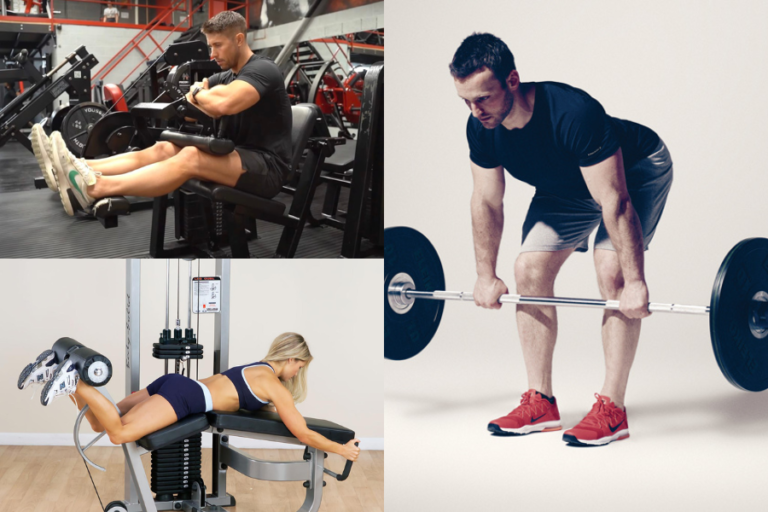
Barbell hamstring exercises mostly train the hip hinge function of the hamstrings, which is essential for strength and power. However, they do not cover knee flexion as completely. That is why you are going to combine heavy barbell work with at least one leg curl style move for a more complete hamstring workout.
Why choose a hamstring workout with barbell
If you want stronger, more muscular legs, a hamstring workout with barbell checks a lot of boxes at once. The bar lets you load your body heavily, which is key for both strength and hypertrophy, while also challenging stabilizer muscles that machines sometimes bypass.
Barbell hamstring exercises are some of the fastest ways to build strength, power, and injury resistant legs because they teach you to hinge from the hips instead of overloading your lower back. This hip hinge pattern improves your stride, helps protect your spine when you lift things in daily life, and increases explosiveness for sports like sprinting or jumping, as highlighted in recent training guidance from Dumbbells Direct in 2026.
When you prioritize barbell work early in your session, you also get more out of your isolation exercises later on. You can think of the barbell sets as the foundation that everything else stacks on.
Key barbell hamstring exercises to learn
1. Conventional barbell deadlift
The conventional deadlift is a classic compound lift that trains more than just your hamstrings. It also engages your glutes, quadriceps, adductor magnus, core, and upper back, and it is one of the best tests of your full body strength.
With a standard setup the bar is about 225 mm off the ground when you use 45 pound plates. If you are a beginner, it is smart to start with lighter plates that keep the bar at a similar height. You can then focus on form instead of wrestling with awkward starting positions.
You want to keep the bar close to your body, brace your core, and push your hips back before you lift. Proper technique allows your hamstrings and glutes to drive the movement while your back stays stable.
2. Barbell Romanian deadlift (RDL)
The Romanian deadlift is often the centerpiece of any hamstring workout with barbell. Instead of pulling from the floor, you start from a standing position with the bar in your hands and hinge your hips back while keeping a soft bend at the knees.
The RDL places a strong emphasis on the eccentric, or lowering phase. You lower the bar slowly over 2 to 3 seconds, which lengthens the hamstrings under tension and builds strength and size effectively. Research published in the Journal of Strength and Conditioning Research found that Romanian deadlifts produce high EMG activity in the semitendinosus and biceps femoris, which makes them a top choice for hamstring development.
The bar stays close to your body, almost sliding down your thighs and shins as you push your hips back. This reduces strain on your lower back and ensures the work stays in your hamstrings and glutes instead of your spine.
3. Stiff leg deadlift
The stiff leg deadlift looks similar to the RDL, but you keep your knees straighter with only a slight unlock. This increases the stretch in your hamstrings even more and places extra tension at longer muscle lengths.
Because you lose some knee bend, you should be conservative with how much weight you use, especially at first. Stiff leg deadlifts are especially useful if your goal is to maximize hamstring mass and flexibility. They also complement RDLs well because they challenge your muscles from a slightly different angle.
4. Barbell good morning
The good morning is a hip hinge with the bar on your upper back instead of in your hands. You use moderate weight, hinge forward with a soft knee bend, and push your hips back until you feel a deep stretch in your hamstrings.
This movement creates time under tension for the hamstrings in their lengthened state, and it also improves core stability. Recent training articles highlight that barbell good mornings, when done with sensible weights and controlled form, can be a beginner friendly way to strengthen the posterior chain and reduce the risk of hamstring injury.
Because the bar rests on your back, you need to pay attention to your torso angle and avoid going deeper than you can control with a neutral spine.
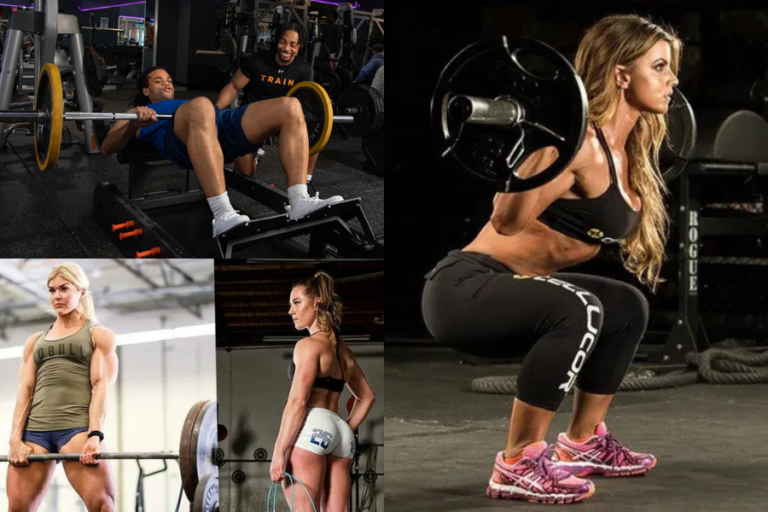
5. Barbell hip thrust
The barbell hip thrust is not always thought of as a hamstring exercise first, but it does activate the hamstrings significantly while placing less stress on your lower back than many traditional lifts. A 2021 study in PLoS One found that hip thrusts can be a joint friendly way to increase hip extension strength and size in both the glutes and hamstrings.
You set your upper back on a bench, place the bar across your hips, and drive your hips upward by squeezing your glutes and hamstrings. If your back tends to feel cranky after heavy deadlifts, adding hip thrusts to your hamstring workout with barbell is a smart way to keep progressing without as much spinal load.
Think of deadlifts and RDLs as your heavy hinge builders, and use hip thrusts and good mornings to add volume and extra stimulus without repeating the exact same stress pattern.
Nail your barbell hamstring form
Great exercises only work if you perform them well. For most barbell hamstring movements, a few core technique cues stay the same.
You want to maintain a neutral spine instead of rounding or hyperextending your lower back. This means your torso moves as a solid unit as you hinge from the hips. Engage your lats by slightly pulling the bar toward your body and keep your ribs stacked over your hips instead of flaring up.
When you lower the bar, control the descent. A slower negative phase, around 2 to 3 seconds on RDLs, increases eccentric loading of the hamstrings and can improve strength and hypertrophy. You then stand up by driving your feet into the floor and pushing your hips forward, rather than yanking the bar with your lower back.
Grip strength can turn into a limiting factor for RDLs and deadlifts. You can use chalk or a double overhand hook grip to hang on longer. If your goal is pure muscle growth and your grip gives out early, straps can help you lift more weight, but they will not improve your grip on their own.
Balance barbell work with knee flexion
Barbell movements are excellent for the hip hinge role of the hamstrings, but they are less complete for the knee bending role. To fully develop your hamstrings and protect your knees, it is worth adding at least one curl type movement to your routine.
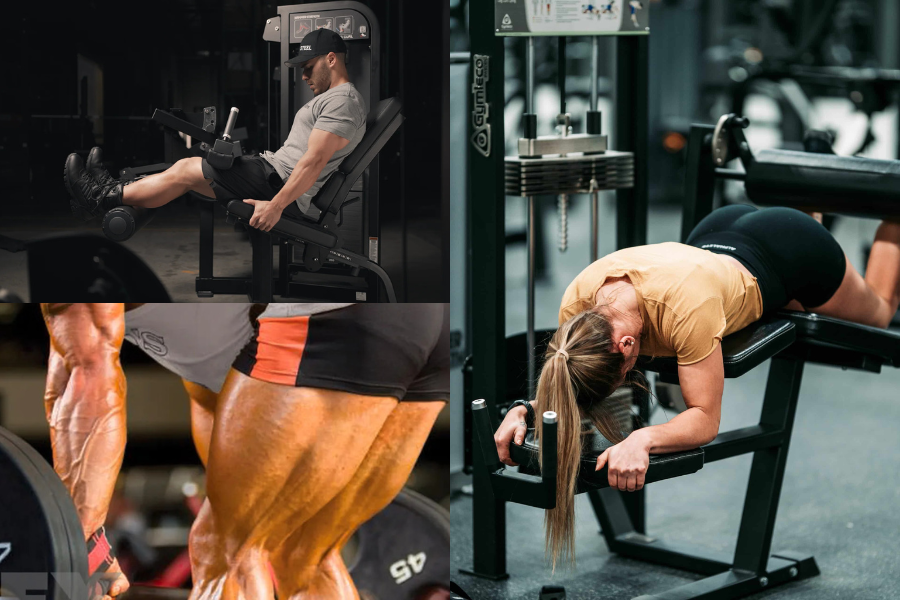
You might pick a seated leg curl machine if you train in a gym, or do Nordic hamstring curls or glute ham raises if you train in a more minimal setup. This knee flexion work complements your barbell training and helps make your hamstrings more resilient against strains.
Hamstring focused articles in Muscle & Fitness have emphasized that many lifters undertrain their hamstrings compared to their quads or even smaller muscles like biceps. A simple target is at least 10 total work sets that specifically hit your hamstrings each week, including your barbell and curl variations, to encourage real growth.
Sample hamstring workout with barbell
Here is a practical template you can follow 1 or 2 times per week. Adjust the weights so that the final 2 reps of each set are challenging but still look clean in the mirror or on video.
-
Barbell Romanian deadlift
3 to 4 sets of 8 to 10 reps
Lower the bar over 2 to 3 seconds, keep it close to your legs, and stop when your hamstrings feel tight or just before your lower back wants to round. -
Barbell good morning
3 sets of 8 to 12 reps
Use a moderate load, hinge forward with control, and focus on feeling a stretch in the hamstrings rather than chasing heavy weight. -
Barbell hip thrust
3 sets of 8 to 12 reps
Pause for 1 second at the top of each rep while squeezing your glutes and hamstrings, then lower under control. -
Seated leg curl or Nordic hamstring curl
3 sets of 10 to 15 reps
Slow the lowering phase to make each rep count and use a full range of motion.
Try resting 90 to 120 seconds between sets of heavy barbell work and about 60 to 90 seconds between lighter sets. If you are newer to these movements, start with 2 sets per exercise and add sets as your technique improves.
Progress safely for long term gains
Your hamstring workout with barbell should make you stronger over months, not just leave you exhausted in a single session. Progressive overload is what actually drives growth. That might mean adding 5 to 10 pounds to the bar once your current weight feels solid, adding a rep or two to a set while keeping form tight, or slowly increasing your range of motion as your flexibility improves.
It is also helpful to respect how demanding these exercises are. Many coaches recommend placing deadlifts, RDLs, or good mornings at the beginning of your lower body workout, while you are fresh, and using hip thrusts and curl variations to finish the session. This way you get the most out of your heavy lifts without fatigue turning your form sloppy.
If you move thoughtfully, focus on quality reps, and progress a little at a time, your hamstrings will repay you with stronger, more powerful legs and a more resilient lower body.
Try adding just one of these barbell moves to your next leg day, such as the Romanian deadlift, and notice how your hamstrings feel the following day. As you get comfortable, you can build out the full routine and turn your hamstring training into a real strength in your program.
About the Author